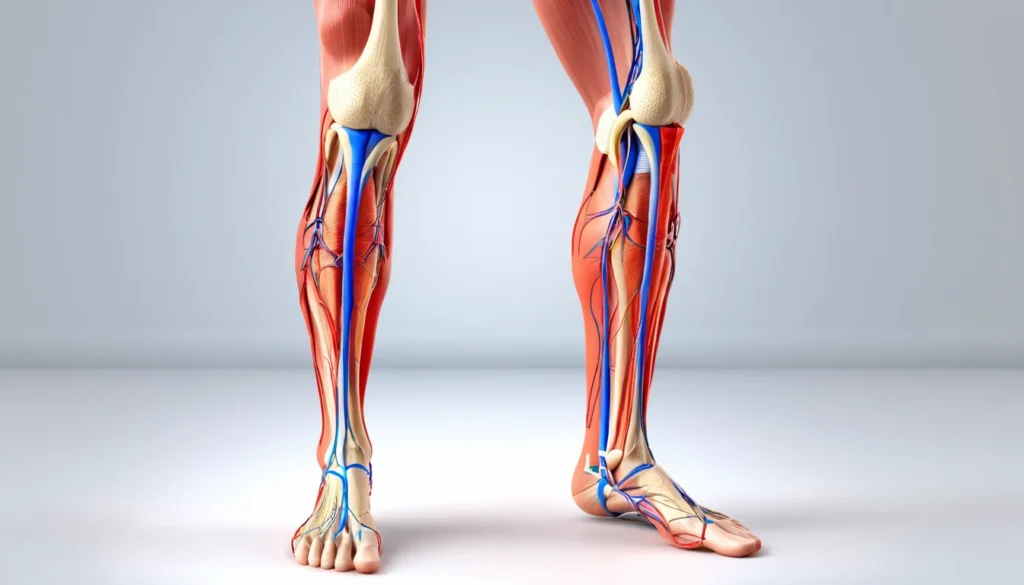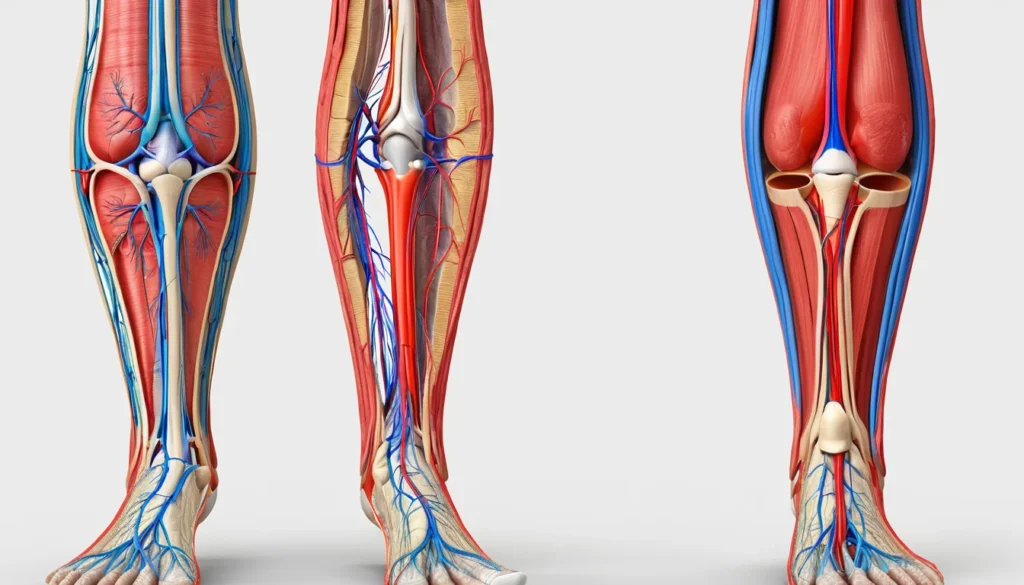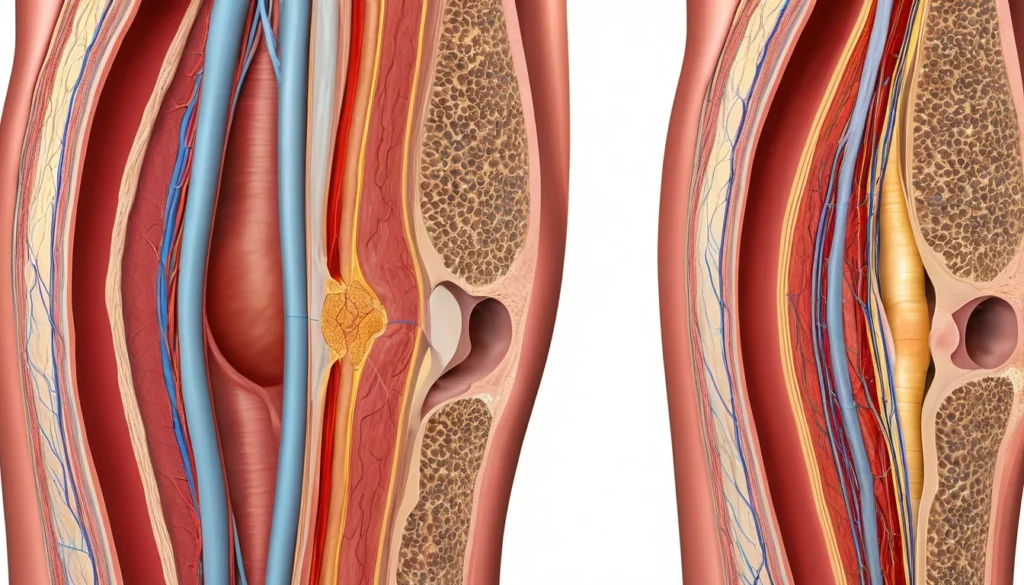
Peripheral artery disease (PAD) is a common but serious condition that affects the arteries in your legs. Fatty deposits build up inside the artery walls, narrowing them and reducing blood flow to your muscles and tissues. As a result, your legs and feet may not get enough oxygen — especially during physical activity. This article explains what PAD is, what warning signs to watch for, and what you can do to protect your health.
What Is Peripheral Artery Disease?
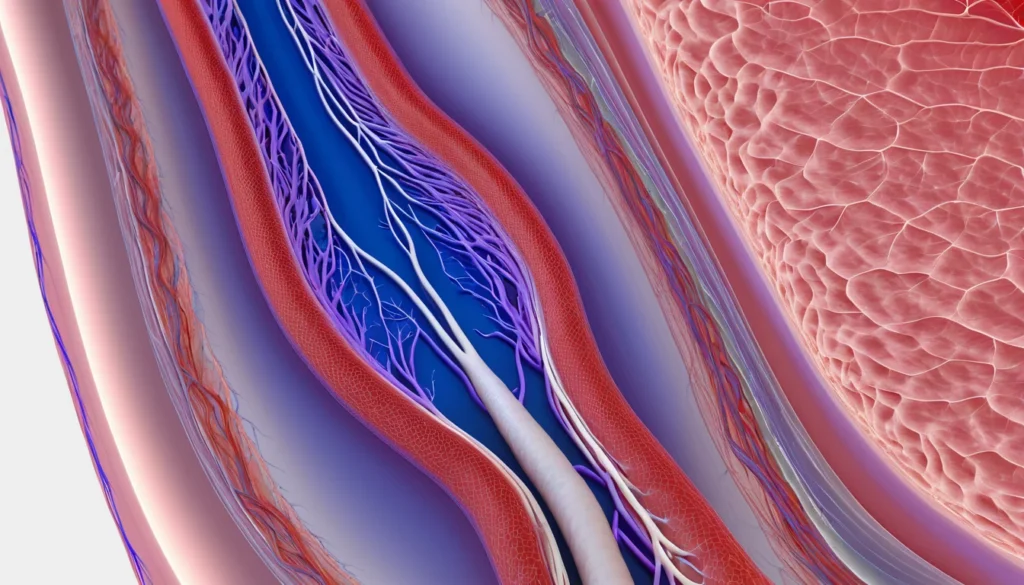
Peripheral artery disease happens when plaque — a mix of fat, cholesterol, and other substances — builds up inside the arteries of your lower limbs. This buildup narrows the arteries, a process called atherosclerosis. Over time, less and less blood gets through to your legs and feet.
Because atherosclerosis affects arteries throughout the body, many people with PAD also have blockages in the arteries of their heart or brain. This significantly raises the risk of heart attack and stroke. In fact, research shows that only about 50% of people with PAD survive beyond 10 years after symptoms appear. Approximately 63% of deaths in PAD patients are caused by heart attack, and 9% by stroke.
The good news is that with the right care, you can manage peripheral artery disease effectively. Lifestyle changes, medication, and supervised exercise can all make a real difference to your quality of life.
Symptoms of Peripheral Artery Disease
PAD often develops slowly and silently. Many people have no symptoms at all in the early stages, even though the narrowing process has already begun. However, as the condition progresses, symptoms become harder to ignore.
Intermittent Claudication
The most common symptom of peripheral artery disease is intermittent claudication. This means sharp, cramping pain in the calves, thighs, or buttocks that comes on during walking and goes away with rest. The pain forces most people to stop and wait before they can continue. Where you feel the pain usually points to where the blockage is.
As PAD worsens, the pain starts occurring with less and less effort. Eventually, it may appear even when you are sitting or lying down. This is called rest pain and signals a more serious stage of the disease.
Other Warning Signs
Beyond leg pain, peripheral artery disease can cause a range of other symptoms. These include:
Numbness or tingling in the legs or feet
Weakness in the leg muscles
Cold or pale skin on the lower legs
Slow-healing sores or wounds on the feet or toes
Small skin ulcers that are difficult to treat
Poor blood flow also affects the nerves in your legs. This can reduce your ability to feel cuts or injuries, which raises the risk of serious infection. In severe cases, untreated infections can lead to tissue death and may require amputation.
Acute Limb Ischaemia: A Medical Emergency
In rare cases, blood flow to a limb can be suddenly and completely cut off. This is called acute limb ischaemia, and it is a medical emergency. Symptoms include extreme pain, complete numbness, a pale or bluish colour, cold skin, and no detectable pulse in the affected limb. If this happens, call 911 immediately. Without urgent treatment, the limb may need to be amputated.
What Causes Peripheral Artery Disease?
The main cause of PAD is atherosclerosis — the same process that causes most heart attacks and strokes. Plaque gradually builds up inside the artery walls and hardens over time, making the arteries stiff and narrow.
Several risk factors make this process more likely. Understanding them helps you take action early. According to Health Canada, cardiovascular disease risk factors are closely linked and often occur together.
The most important risk factors for peripheral artery disease include:
Smoking — the single biggest risk factor for PAD
Diabetes — high blood sugar damages artery walls over time
High cholesterol and high triglycerides — fuel plaque buildup
High blood pressure — puts extra strain on artery walls
Age — risk increases significantly after age 50
Family history of cardiovascular disease
The more risk factors you have, the greater your chance of developing PAD. However, many of these risk factors are manageable with the right support from your healthcare team.
How to Manage and Treat Peripheral Artery Disease
Managing peripheral artery disease involves a combination of lifestyle changes, supervised exercise, and medication. In some cases, procedures or surgery may also be needed. The goal is to reduce symptoms, slow the disease’s progression, and lower the risk of heart attack and stroke.
Quit Smoking
If you smoke, quitting is the single most powerful thing you can do for PAD. Smoking speeds up artery damage, worsens circulation, and dramatically increases the risk of amputation, heart attack, and stroke. The good news is that quitting smoking quickly begins to reduce these risks.
Many Canadians find that a combination of nicotine replacement therapy — such as patches or gum — along with prescription medications and behavioural support works best. Ask your family doctor about smoking cessation programmes covered under your provincial health plan. Many provinces offer free counselling and covered medications to help you quit.
Control Your Risk Factors
Keeping blood pressure, cholesterol, and blood sugar under control is essential for slowing the progression of peripheral artery disease. Your family doctor can run routine blood tests and help you set targets for each of these.
A heart-healthy diet plays a big role here. Eating less animal fat and more plant-based foods — including vegetables, legumes, whole grains, and fibre-rich foods — helps lower cholesterol naturally. The Mayo Clinic’s overview of peripheral artery disease also highlights the importance of managing diabetes carefully, as uncontrolled blood sugar accelerates artery damage.
Exercise Therapy
“Quit smoking and keep walking” may be the most important advice for anyone with PAD. Exercise is one of the most effective treatments available — and it costs nothing.
When you exercise, your body produces protective substances that help blood vessels relax and expand. Over time, regular activity encourages the growth of new small blood vessels, improving circulation in the affected areas. Exercise also reduces the stickiness of blood platelets and helps prevent further clot formation.
Studies show that patients who followed a structured walking programme for six months improved the distance they could walk before pain by up to 150%. That is a remarkable result from something as simple as regular walking.
A Simple Walking Programme for PAD
A supervised exercise programme for peripheral artery disease typically works like this:
Walk at least 3 times per week
Set a pace that brings on mild to moderate leg pain within 3–5 minutes
Rest until the pain goes away completely
Repeat the cycle, aiming for a total of 50 minutes of walking per session
Gradually increase your walking time as your fitness improves
Most people begin to notice benefits after 4–6 weeks. However, because many PAD patients also have heart disease, it is important to have a stress test before starting an exercise programme. This ensures the level of activity is safe for your heart. Ask your family doctor for a referral before beginning.
Medication for Peripheral Artery Disease
Several medications can help manage peripheral artery disease and reduce the risk of serious complications. Your doctor will recommend the right combination based on your individual health needs.
Commonly used medications include:
Low-dose aspirin — helps prevent blood clots from forming in narrowed arteries
Clopidogrel (Plavix) — another blood-thinning medication that reduces the risk of heart attack and stroke
Statins — lower cholesterol and have been shown to slow atherosclerosis progression
ACE inhibitors or ARBs — help control blood pressure and protect artery walls
Medications for diabetes — to keep blood sugar within a healthy range
Never stop or change your medications without speaking to your doctor first. Some combinations require careful monitoring, especially if you are also managing heart disease or diabetes. According to Healthline’s guide to PAD treatment, a personalised medication plan is a cornerstone of long-term management.
When to See a Doctor
If you notice leg cramping or pain during walking that goes away with rest, do not ignore it. This is one of the classic signs of peripheral artery disease and deserves proper evaluation. The sooner it is caught, the better the outcome.
You should see a doctor if you experience:
Leg pain or cramping during walking or exercise
Numbness, tingling, or weakness in your lower legs or feet
Wounds or sores on your feet that are slow to heal
Cold or discoloured skin on your legs or feet
Pain in your legs at rest, especially at night
Start with your family doctor, who can order an ankle-brachial index (ABI) test — a simple, painless test that compares blood pressure in your arm and ankle to assess circulation. If you do not have a family doctor, a walk-in clinic can also assess your symptoms and refer you to a specialist if needed. In Ontario, Alberta, British Columbia, and other provinces, vascular specialists are accessible through a referral from your primary care provider.
If you experience sudden, severe leg pain with numbness and no pulse, call 911 immediately. This is a vascular emergency.
Frequently Asked Questions About Peripheral Artery Disease
What is peripheral artery disease and how does it affect the legs?
Peripheral artery disease is a condition where plaque buildup narrows the arteries that supply blood to your legs. As a result, your leg muscles receive less oxygen, causing pain and cramping — especially during walking. Over time, reduced blood flow can also lead to slow-healing wounds and, in severe cases, tissue damage.
What are the early warning signs of peripheral artery disease?
The earliest and most common sign of peripheral artery disease is cramping or aching in the calf, thigh, or buttock during walking that goes away with rest — known as intermittent claudication. Some people also notice cold feet, pale skin, or mild numbness in the lower legs. In the very early stages, there may be no symptoms at all.
Can peripheral artery disease be reversed with exercise?
Exercise cannot fully reverse peripheral artery disease, but it can significantly improve symptoms and slow its progression. Regular walking stimulates the growth of new small blood vessels and improves how efficiently muscles use oxygen. Studies show that a structured walking programme can increase pain-free walking distance by up to 150% over six months.
Is peripheral artery disease covered under provincial health plans in Canada?
Yes, diagnosis and treatment of peripheral artery disease are generally covered under provincial and territorial health plans across Canada. This includes doctor visits, diagnostic tests like the ankle-brachial index, specialist referrals, and most medications. However, coverage for specific drugs or programmes may vary by province, so check with your local health authority.
How dangerous is peripheral artery disease if left untreated?
Untreated peripheral artery disease can lead to serious complications, including heart attack, stroke, and limb amputation. Because PAD is closely linked to atherosclerosis throughout the body, people with untreated PAD face a significantly higher risk of cardiovascular events. Research suggests that survival rates drop considerably within 10 years of symptom onset without proper management.
What is the difference between peripheral artery disease and varicose veins?
Peripheral artery disease affects arteries, which carry oxygen-rich blood away from the heart to the legs. Varicose veins, on the other hand, affect veins, which return blood back to the heart. PAD is generally more dangerous because it can cause tissue death and increases the risk of heart attack and stroke, whereas varicose veins are more commonly a cosmetic and comfort concern.
Key Takeaways
Peripheral artery disease is caused by plaque buildup that narrows leg arteries and reduces blood flow.
The most common symptom is leg cramping during walking that eases with rest (intermittent claudication).
PAD raises the risk of heart attack, stroke, and in severe cases, amputation.
Quitting smoking is the single most important step you can take to slow the disease.
A regular walking programme — even through mild pain — can dramatically improve circulation over time.
Controlling blood pressure, cholesterol, and blood sugar all help protect your arteries.
Medications like low-dose aspirin, statins, and blood pressure drugs are commonly used in treatment.
See your family doctor or visit a walk-in clinic if you notice leg pain, numbness, or slow-healing foot wounds.
Always consult your doctor before starting an exercise programme or changing any medications related to PAD.
This article is for informational purposes only and does not replace professional medical advice. If you are concerned about your circulation or leg health, please speak with your family doctor or visit a walk-in clinic near you.