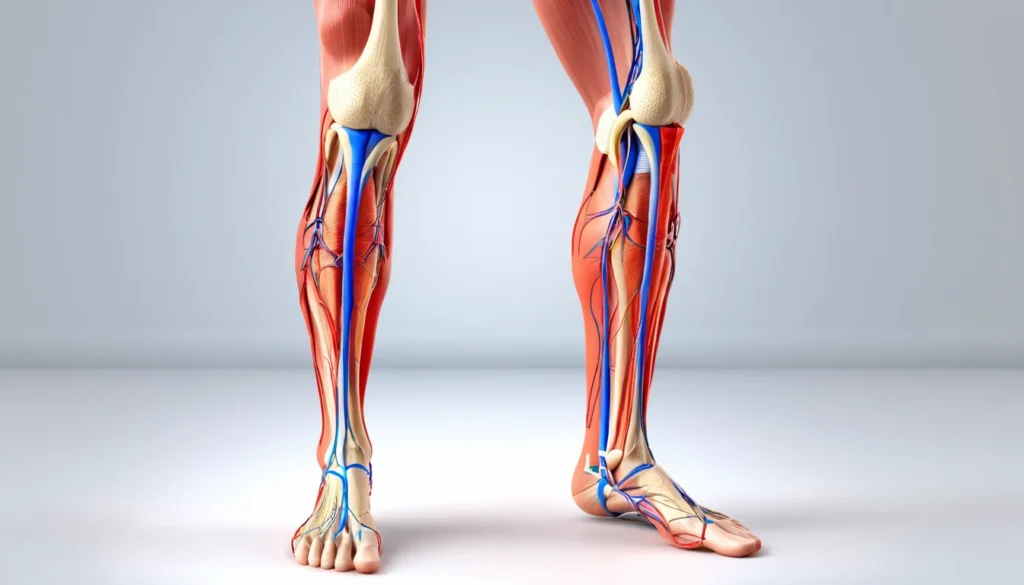
Peripheral artery disease (PAD) is a condition where narrowed arteries reduce blood flow to your legs and feet. It is more common than many people realize, and it can lead to serious complications if left untreated. This article explains what causes PAD, what symptoms to watch for, and what treatments are available through the Canadian healthcare system.
What Is Peripheral Artery Disease?
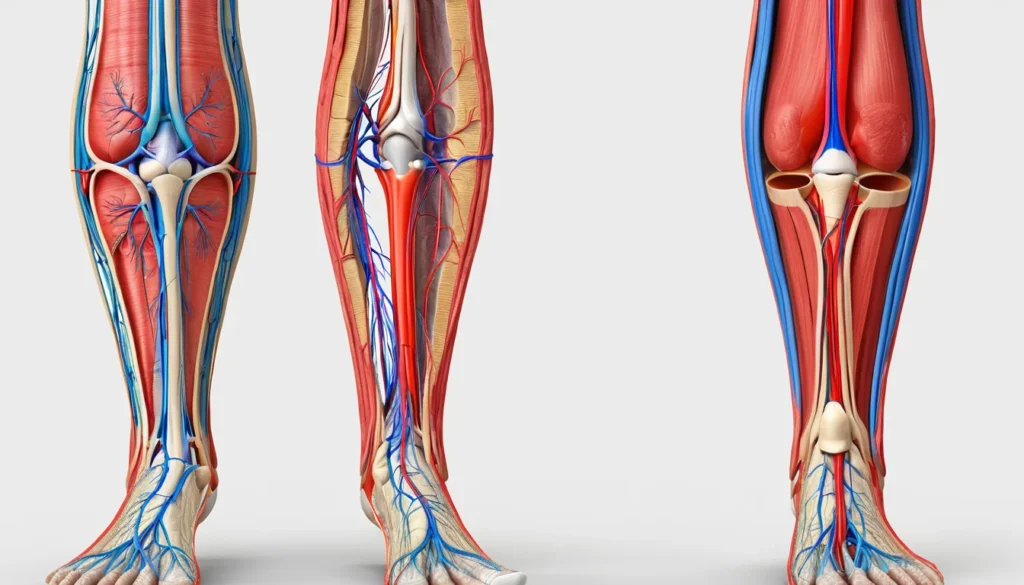
Peripheral artery disease affects the arteries that carry blood to your limbs, most often your legs. When these arteries become narrowed or blocked, your muscles and tissues do not get enough oxygen-rich blood.
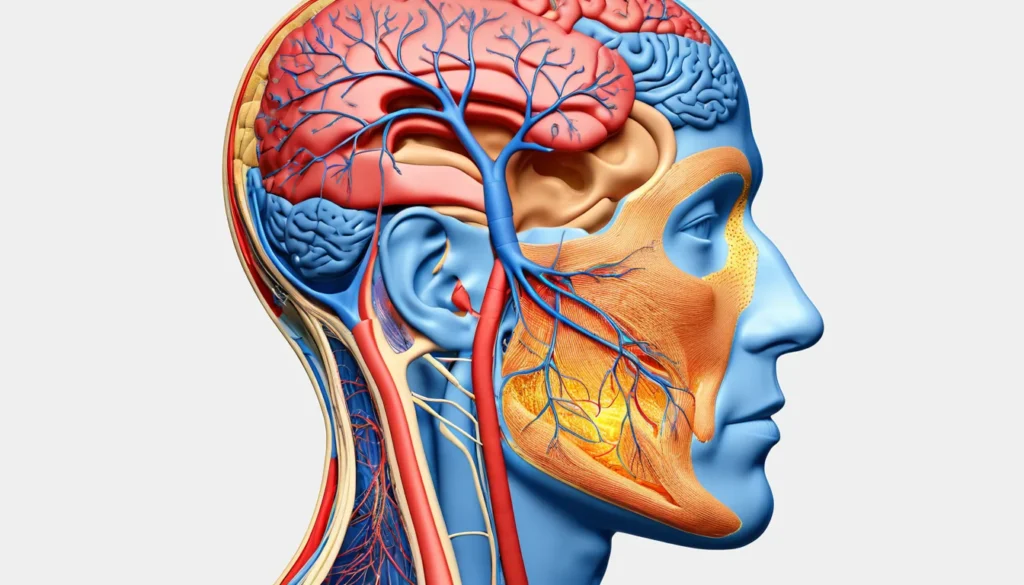
The most common form is called peripheral artery disease of the lower limbs. However, the same underlying process can affect arteries throughout your body, including those supplying your heart and brain. This means that people with PAD also face a higher risk of heart attack and stroke.
Many Canadians live with PAD without knowing it. The body can compensate for reduced blood flow for a long time before symptoms appear. For this reason, early detection is very important.
What Causes Peripheral Artery Disease?
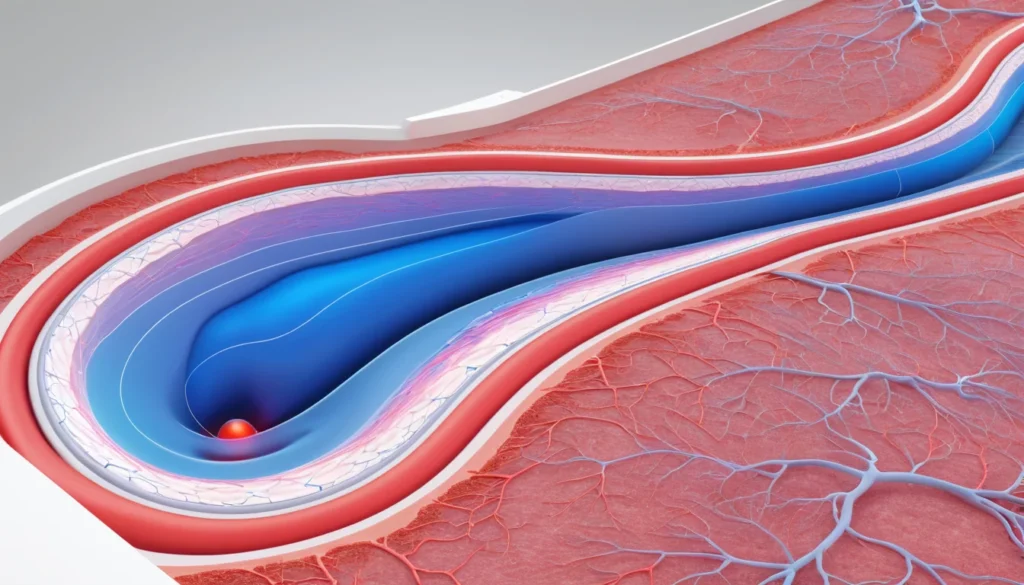
The most common cause of PAD is atherosclerosis — a process where fatty deposits, mostly cholesterol, build up inside the walls of your arteries. Over time, these deposits form a plaque that narrows the artery and reduces blood flow.
Atherosclerosis does not happen overnight. It develops slowly over many years. During that time, your body works hard to compensate, which is why symptoms often appear only when the blockage becomes significant.
Risk Factors That Speed Up Artery Damage
Several factors make it more likely that you will develop peripheral artery disease or that the condition will progress faster. These include:
Smoking — smokers are up to 15 times more likely to develop PAD than non-smokers
High cholesterol — excess cholesterol in the blood feeds plaque formation
High blood pressure — damages artery walls over time, making them more vulnerable
Diabetes — people with diabetes face a significantly higher risk of complications from PAD
Family history — if a close relative has had atherosclerosis, coronary artery disease, or a stroke, your risk increases
In rare cases, PAD can develop without atherosclerosis. For example, inflammation of the blood vessels (called vasculitis) or direct injury to an artery can also restrict blood flow.
You can learn more about risk factors for cardiovascular conditions from Health Canada’s cardiovascular health resources.
Recognizing the Symptoms of Peripheral Artery Disease
The most common symptom of peripheral artery disease is leg pain that comes on during physical activity and goes away with rest. Doctors call this intermittent claudication. It happens because your leg muscles are not receiving enough blood to meet the demands of exercise.
For example, you might notice pain, cramping, or heaviness in your calf, thigh, or buttock after walking a certain distance — perhaps 200 to 300 metres. The pain stops when you rest, but returns when you start walking again. As the disease progresses, that distance gets shorter.
Other Signs to Watch For
Not everyone with PAD feels pain when walking. Some people simply do not walk far enough to trigger symptoms. However, there are other warning signs that should prompt you to see a doctor:
One leg or foot feeling noticeably colder than the other
Pale or bluish skin colour on the affected leg
Weak or absent pulse in the foot or leg
Loss of leg hair on the affected limb
Wounds or sores on the foot or leg that heal very slowly
Erectile dysfunction in men
In advanced cases of peripheral artery disease, pain can occur even at rest, especially at night. This is a serious sign that the blood supply is critically reduced.
When PAD Becomes a Medical Emergency
In the most severe cases, tissue begins to die from lack of blood. This leads to gangrene, which typically begins in the toes and spreads upward. The skin turns dark or blackish, with open sores and signs of infection.
Gangrene is a medical emergency. If it is not treated promptly, life-threatening infection can develop very quickly. Do not wait — go to your nearest emergency department immediately.
How Is Peripheral Artery Disease Diagnosed?
A doctor can often suspect PAD based on your symptoms and a physical examination. However, additional tests are used to confirm the diagnosis and assess how severe the blockage is.
The two most common diagnostic tools are:
Doppler ultrasound — uses sound waves to measure how well blood is flowing through the artery. It is painless and widely available across Canada.
Arteriography — a contrast dye is injected into the artery, and X-ray imaging tracks how the dye moves through the blood vessel. Where the dye stops or slows, that is where the blockage is located. This test helps surgeons plan any procedures that may be needed.
Your family doctor or specialist may also measure the ankle-brachial index (ABI) — a simple comparison of blood pressure in your ankle and your arm. A lower reading in the ankle suggests reduced blood flow and possible PAD.
For a thorough overview of how PAD is diagnosed, the Mayo Clinic’s guide to PAD diagnosis and treatment is an excellent resource.
Treatment Options for Peripheral Artery Disease
Treatment for peripheral artery disease focuses on two goals: relieving symptoms and reducing the risk of heart attack and stroke. In most cases, treatment begins with lifestyle changes.
Lifestyle Changes That Make a Real Difference
The single most important step for anyone with PAD is quitting smoking. Smoking is the biggest modifiable risk factor for this disease. People who smoke are up to 15 times more likely to develop PAD, and continuing to smoke dramatically speeds up its progression.
In addition to quitting smoking, your healthcare provider will likely recommend:
A heart-healthy diet low in saturated fats and high in fibre, vegetables, and whole grains
Regular physical activity, such as supervised walking programmes, which can actually improve symptoms over time
Managing blood pressure, cholesterol, and blood sugar levels
Maintaining a healthy weight
Provincial health plans across Canada often cover smoking cessation programmes and referrals to registered dietitians. Ask your family doctor what is covered under your provincial plan.
Medications Used in PAD
Many people with peripheral artery disease are prescribed medications to help manage the condition. These may include:
Blood thinners or antiplatelet drugs (such as aspirin or clopidogrel) to reduce the risk of clots forming in the narrowed arteries
Statins to lower cholesterol and slow plaque buildup
Blood pressure medications to protect the arteries from further damage
Diabetes medications to help keep blood sugar under control if needed
Always take medications exactly as prescribed. Never stop or adjust your dose without speaking to your doctor first.
Procedures and Surgery
If lifestyle changes and medications are not enough to relieve symptoms, your doctor may recommend a procedure. The options include:
Angioplasty — a thin tube with a small balloon at the tip is inserted into the blocked artery. The balloon is inflated to widen the artery. A small mesh tube called a stent is sometimes left in place to keep the artery open.
Bypass surgery — a surgeon creates a detour around the blocked section of artery, using either a healthy blood vessel from elsewhere in your body or a synthetic graft. This restores blood flow past the blockage.
Amputation — in cases where gangrene has developed and blood flow cannot be restored, amputation above the affected area may be the only option to prevent fatal infection. This outcome underscores why early treatment is so important.
Special Advice for People With Diabetes
If you have diabetes and PAD, you need to take extra care. Diabetes can reduce sensation in the feet, which means wounds may go unnoticed until they become serious. Follow these steps to protect yourself:
Inspect your feet every day for cuts, blisters, or sores — even small ones
Wear well-fitting footwear — shoes that are too tight or too loose can cause skin breakdown
Avoid elastic bandages or tight socks that can further restrict circulation
Keep your feet clean and dry, and moisturize the skin to prevent cracking
See a foot care specialist (podiatrist) regularly
The Healthline guide to peripheral vascular disease also offers helpful information on managing this condition day-to-day.
When to See a Doctor
You should book an appointment with your family doctor if you notice any of the following:
Leg pain, cramping, or heaviness that comes on during walking and goes away with rest
One foot or leg that feels colder or looks paler than the other
A sore or wound on your foot or leg that is not healing normally
Numbness or weakness in your legs
If you do not have a family doctor, a walk-in clinic can assess your symptoms and refer you to a vascular specialist if needed. Most provincial health plans cover these referrals.
If you experience sudden, severe pain in your leg, notice skin turning dark, or develop signs of infection such as fever and swelling, go to the nearest emergency department right away. These can be signs of a critical loss of blood flow and require immediate care.
As always, this article is for informational purposes only. Please speak with a qualified healthcare provider for a diagnosis and a treatment plan that is right for you.
Frequently Asked Questions About Peripheral Artery Disease
What are the first signs of peripheral artery disease?
The most common early sign of peripheral artery disease is leg pain or cramping that appears during walking and disappears with rest. This is called intermittent claudication. Some people also notice that one leg feels colder or looks paler than the other.
Can peripheral artery disease be reversed?
Peripheral artery disease cannot always be fully reversed, but its progression can be slowed significantly with lifestyle changes. Quitting smoking, eating a heart-healthy diet, and exercising regularly can improve symptoms and reduce the risk of serious complications. In some cases, medical procedures can restore meaningful blood flow.
Is peripheral artery disease dangerous?
Yes, peripheral artery disease is a serious condition because it signals widespread atherosclerosis throughout the body. People with PAD have a significantly higher risk of heart attack and stroke. In advanced cases, it can lead to gangrene and amputation if left untreated.
How is peripheral artery disease treated in Canada?
Treatment for peripheral artery disease in Canada typically starts with lifestyle changes and medications covered under provincial drug benefit programmes. If symptoms do not improve, procedures such as angioplasty or bypass surgery are available through referral from your family doctor or a vascular specialist. Provincial health plans generally cover these treatments.
Does peripheral artery disease cause pain at rest?
In the early stages of peripheral artery disease, pain typically only occurs during activity. However, as the disease becomes more severe, pain can appear even at rest, particularly at night. Rest pain is a warning sign that blood flow is critically low and you should see a doctor as soon as possible.
What is the difference between peripheral artery disease and varicose veins?
Peripheral artery disease affects the arteries, which carry oxygen-rich blood away from the heart to your limbs. Varicose veins, on the other hand, affect the veins, which return blood back to the heart. Both conditions affect circulation in the legs, but they have different causes, symptoms, and treatments.
Key Takeaways
Peripheral artery disease is caused by narrowed arteries that reduce blood flow to the legs and feet.
The most common cause is atherosclerosis — a buildup of cholesterol plaque inside the arteries.
Smoking is the single biggest risk factor. Quitting smoking is the most important step you can take.
The hallmark symptom is leg pain during walking (intermittent claudication) that eases with rest.
PAD raises the risk of heart attack and stroke because the same process affects arteries throughout the body.
Treatment ranges from lifestyle changes and medications to angioplasty, bypass surgery, or in severe cases, amputation.
People with diabetes need to take extra care of their feet and seek prompt treatment for any wounds.
If you notice symptoms, speak with your family doctor or visit a walk-in clinic. Do not ignore leg pain — early treatment saves limbs and lives.