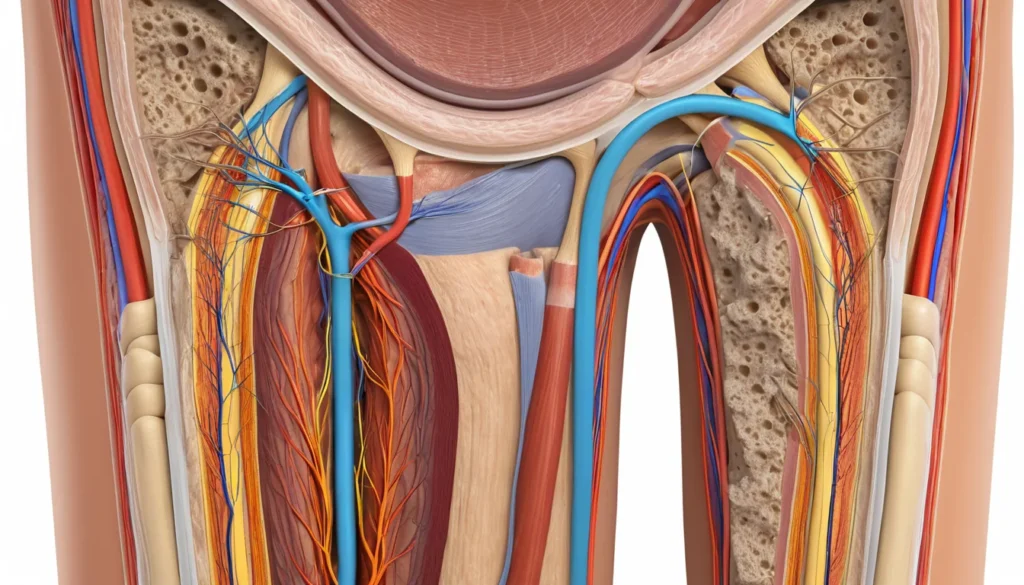
Peripheral artery disease is a common condition where the arteries that carry blood to your legs, arms, and organs become narrowed or blocked. It affects more than one in ten Canadians over the age of 55. Left untreated, it can lead to serious complications — including tissue death and limb loss. This article explains what causes peripheral artery disease, what symptoms to watch for, and when to seek care from your family doctor or walk-in clinic.
How Your Circulatory System Works
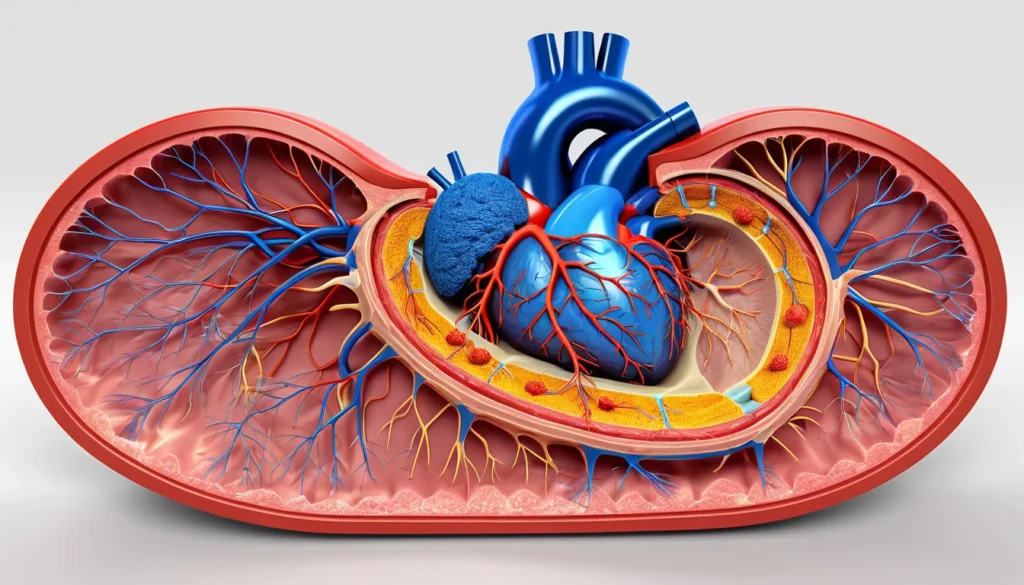
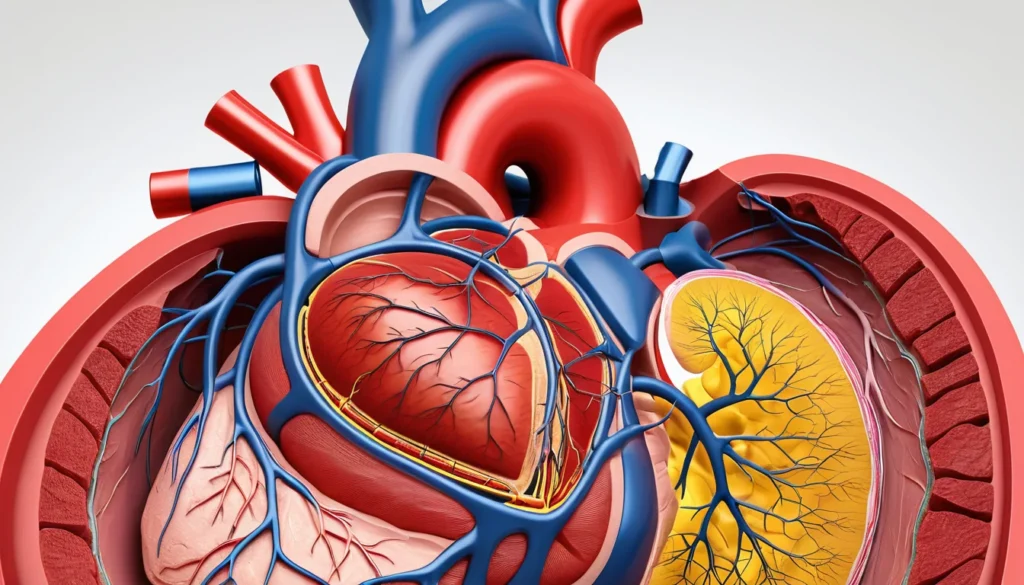
Your circulatory system has two main types of blood vessels: arteries and veins. Arteries carry oxygen-rich blood from your heart to your tissues and organs. Veins return oxygen-depleted blood — along with waste products — back to the heart and lungs.
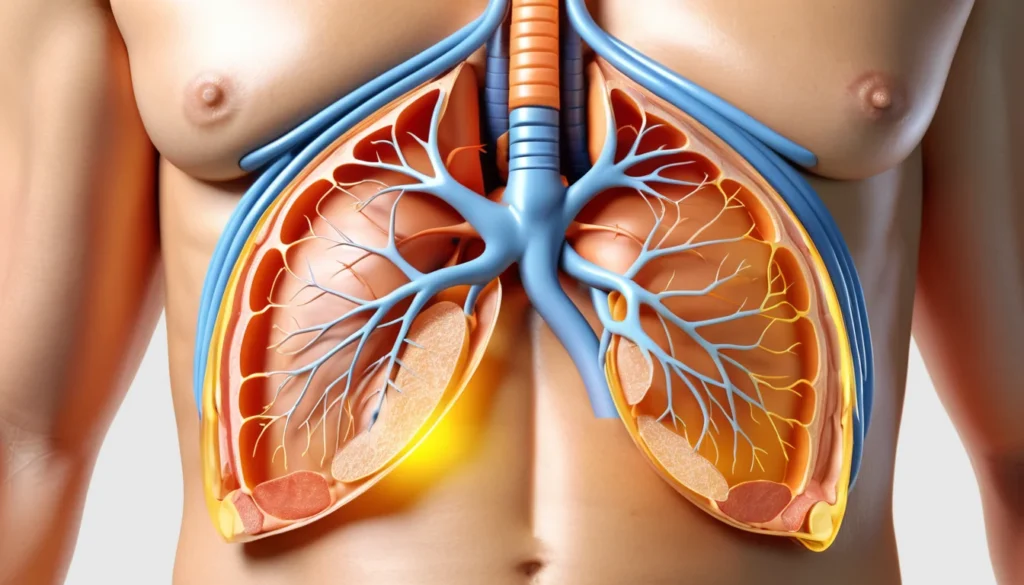
Your lungs remove waste gases and reload the blood with fresh oxygen. Your kidneys and liver filter out other toxins. The heart then pumps the refreshed blood back out through the arteries.
Arteries and veins connect through tiny vessels called capillaries. These thin walls allow oxygen, nutrients, carbon dioxide, and waste products to pass between the blood and surrounding tissues. When this system works well, every part of your body gets what it needs.
What Is Peripheral Artery Disease?
Peripheral artery disease (PAD) refers to disease in the blood vessels outside the brain and heart. It most often affects the arteries supplying the legs, though it can also affect the arms and internal organs. The arteries become partially or fully blocked, reducing blood flow to those areas.
PAD is the most common arterial disease in adults. The main cause is atherosclerosis — a process where fatty deposits build up inside artery walls over time. Inflammation also plays a role, leading to narrowing (called stenosis) and clot formation inside the vessels.
According to Health Canada, cardiovascular and vascular diseases are among the leading causes of death and disability in Canada. Peripheral artery disease is a major part of that burden.
Atherosclerosis: The Root Cause
Atherosclerosis is the main driver of peripheral artery disease. It primarily affects large and medium-sized arteries — including those supplying the heart, legs, and kidneys. Small arteries are affected much less often.
The condition develops slowly, often over decades. Fatty deposits called plaques form inside the artery wall. These plaques contain cholesterol, triglycerides, and immune cells called macrophages. In advanced cases, calcium also builds up, making the artery stiff.
How Plaques Narrow Your Arteries
As a plaque grows, it takes up more space inside the artery. This narrows the channel through which blood flows. Once the narrowing exceeds about 75 percent of the artery’s diameter, blood flow becomes significantly reduced. That is when symptoms usually begin.
However, atherosclerosis often begins much earlier — sometimes as young as age 20. For many years, there are no symptoms at all. Most people do not know they have it until the blockage becomes severe.
Which Arteries Are Most Affected?
Atherosclerosis can affect arteries throughout the body. The symptoms depend on which arteries are involved:
Coronary arteries (heart): chest pain (angina) or heart attack
Carotid and cerebral arteries (brain): stroke or transient ischemic attack (TIA)
Leg arteries: pain while walking, slow-healing wounds, and leg ulcers
Renal arteries (kidneys): high blood pressure and reduced kidney function
Brachial and radial arteries (arms): arm pain or weakness with exertion
For more detail on how atherosclerosis affects the heart and blood vessels, visit the Mayo Clinic’s overview of atherosclerosis.
What Is Arterial Ischemia?
When an artery becomes severely narrowed or fully blocked, the tissue it supplies does not get enough oxygen. This oxygen shortage is called ischemia. It causes the affected tissue to struggle and, eventually, to die.
Ischemia becomes worse during physical activity. When you exercise, your muscles need more oxygen. Healthy arteries expand to meet that demand. Diseased arteries cannot. As a result, symptoms appear or worsen during exertion and ease with rest.
Symptoms of Ischemia in the Legs
The most common symptom of peripheral artery disease in the legs is called claudication. This is a cramping or aching pain in the calf, thigh, or buttock that comes on during walking and goes away with rest. Notably, it tends to appear after walking roughly the same distance each time.
Other symptoms of poor circulation in the legs include:
A persistent cold feeling in one or both feet
Pale, bluish, or mottled skin colour on the legs or feet
Slow-healing cuts or sores on the feet or lower legs
Weak or absent pulse in the foot or behind the knee
Leg ulcers that do not heal
In severe cases, the reduced blood supply leads to tissue death — called necrosis — or gangrene. These are medical emergencies that require immediate care.
Risk Factors for Peripheral Artery Disease
Several factors raise your risk of developing peripheral artery disease. Many of these are the same as risk factors for heart disease and stroke. They include:
Smoking: the single biggest risk factor — it damages artery walls and speeds up plaque buildup
Diabetes: high blood sugar accelerates atherosclerosis
High blood pressure: puts extra stress on artery walls
High cholesterol: contributes directly to plaque formation
Age: risk rises significantly after age 55
Family history: having a parent or sibling with PAD or heart disease increases your risk
Obesity and physical inactivity: both worsen cardiovascular health
Men are slightly more likely to develop peripheral artery disease than women. However, the difference is not large. Women — especially after menopause — face significant risk as well.
How Common Is Peripheral Artery Disease in Canada?
Peripheral artery disease is more common than many people realize. Clinical studies show that between 10 and 25 percent of Canadians over age 55 have some degree of PAD. That percentage rises further with age.
Many cases go undiagnosed because symptoms can be subtle or mistaken for other problems, such as arthritis or muscle fatigue. Furthermore, some people have no symptoms at all — even with significant arterial narrowing. This makes regular check-ups with your family doctor especially important as you age.
The World Health Organization reports that cardiovascular diseases — including peripheral artery disease — are the leading cause of death globally. Early detection makes a meaningful difference in outcomes.
Checking Your Pulse: A Simple Warning Sign
One useful way to monitor arterial health is by checking the pulse at key points in the body. A doctor can check pulses at the wrist (radial artery), behind the knee (popliteal artery), on top of the foot (dorsalis pedis), and in the groin (femoral artery).
A weak, absent, or asymmetrical pulse — or an artery that feels hard and cord-like — may signal arterial disease. Therefore, these simple checks are a valuable part of a routine physical exam. If your family doctor has not checked your peripheral pulses recently, it is worth asking them to do so.
When to See a Doctor
You should speak with your family doctor if you notice any of the following:
Leg or calf pain that comes on when walking and goes away with rest
Persistent coldness or numbness in your feet or lower legs
Sores on your feet or legs that heal slowly or not at all
Skin on your legs that looks pale, bluish, or shiny
A noticeable difference in skin colour or temperature between your two legs
If you do not have a regular family doctor, a walk-in clinic can assess your symptoms and refer you for further testing, such as an ankle-brachial index (ABI) test or an ultrasound. Most provincial health plans in Canada cover these diagnostic tests when ordered by a physician.
In addition, if you have known risk factors — such as diabetes, high blood pressure, or a smoking history — ask your doctor about screening for peripheral artery disease even before symptoms appear. Early treatment can prevent serious complications.
Always consult your doctor or a qualified healthcare provider before making changes to your health management plan. The information in this article is for educational purposes only.
Frequently Asked Questions About Peripheral Artery Disease
What are the first signs of peripheral artery disease?
The most common early sign of peripheral artery disease is leg pain or cramping during walking that goes away with rest — a symptom called claudication. You may also notice that one foot feels colder than the other, or that cuts on your feet take longer to heal than usual. If you notice these changes, speak with your family doctor.
Is peripheral artery disease the same as peripheral vascular disease?
These two terms are closely related but not identical. Peripheral vascular disease is a broader term that includes all blood vessel diseases outside the heart and brain — both arteries and veins. Peripheral artery disease refers specifically to arterial blockages, most often caused by atherosclerosis. In everyday use, the two terms are often used interchangeably.
Can peripheral artery disease be reversed?
Peripheral artery disease cannot always be fully reversed, but it can be managed effectively. Lifestyle changes — such as quitting smoking, eating a heart-healthy diet, and exercising regularly — can slow or stabilize the disease. In more advanced cases, medications or procedures to open blocked arteries may be recommended by your doctor.
What happens if peripheral artery disease is left untreated?
Without treatment, peripheral artery disease can progress to critical limb ischemia — a severe lack of blood flow that causes constant pain, non-healing wounds, and tissue death (gangrene). This can lead to amputation. PAD also significantly raises your risk of heart attack and stroke, since the same atherosclerosis affecting your leg arteries is often present in your heart and brain arteries as well.
How is peripheral artery disease diagnosed in Canada?
A family doctor or specialist can diagnose peripheral artery disease using a simple, painless test called the ankle-brachial index (ABI), which compares blood pressure in your ankle to blood pressure in your arm. Ultrasound, CT angiography, or MRI may also be used for a more detailed look. Most provincial health plans cover these tests when medically necessary.
Who is most at risk for peripheral artery disease?
People over the age of 55, smokers, and those with diabetes, high blood pressure, or high cholesterol face the highest risk of developing peripheral artery disease. A family history of heart disease or stroke also increases your risk. Maintaining a healthy lifestyle and attending regular check-ups with your family doctor are the best ways to catch PAD early.
Key Takeaways
Peripheral artery disease occurs when arteries outside the heart and brain become narrowed or blocked, most often due to atherosclerosis.
The condition is common — affecting up to 25 percent of Canadians over age 55 — and often goes undiagnosed for years.
Key symptoms include leg pain while walking (claudication), cold feet, slow-healing wounds, and pale or mottled skin colour.
Major risk factors include smoking, diabetes, high blood pressure, high cholesterol, and age.
PAD raises your risk of heart attack and stroke, so early detection and management are essential.
If you have symptoms or risk factors, speak with your family doctor or visit a walk-in clinic. Most diagnostic tests are covered under provincial health plans.
Lifestyle changes — especially quitting smoking and staying active — can significantly slow the progression of the disease.