Pericarditis is an inflammation of the pericardium — the thin, protective sac that surrounds your heart. It can cause sharp chest pain and, in some cases, serious complications. This article explains what pericarditis is, what causes it, how it is diagnosed, and what treatments are available to Canadians.
What Is Pericarditis?
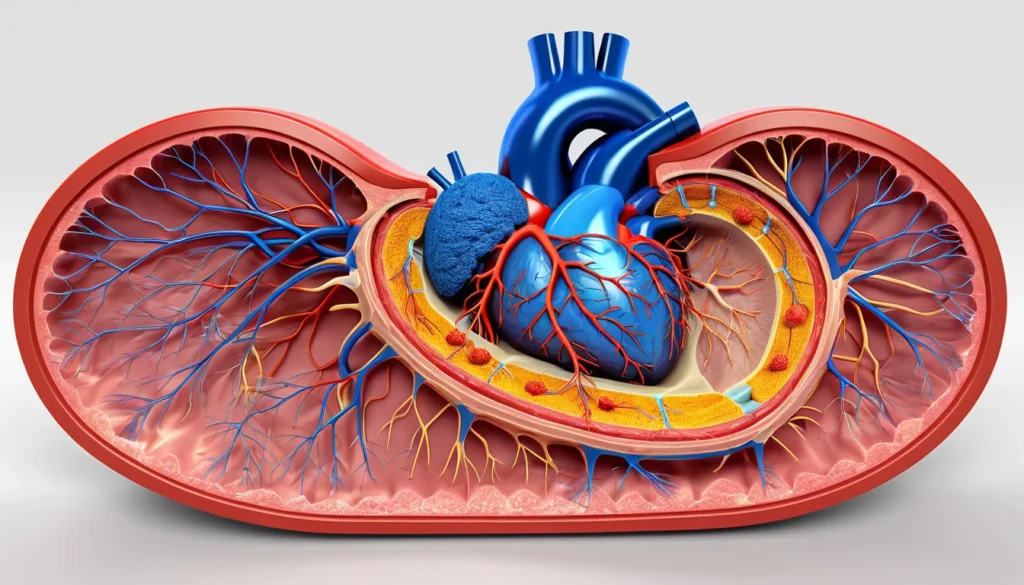
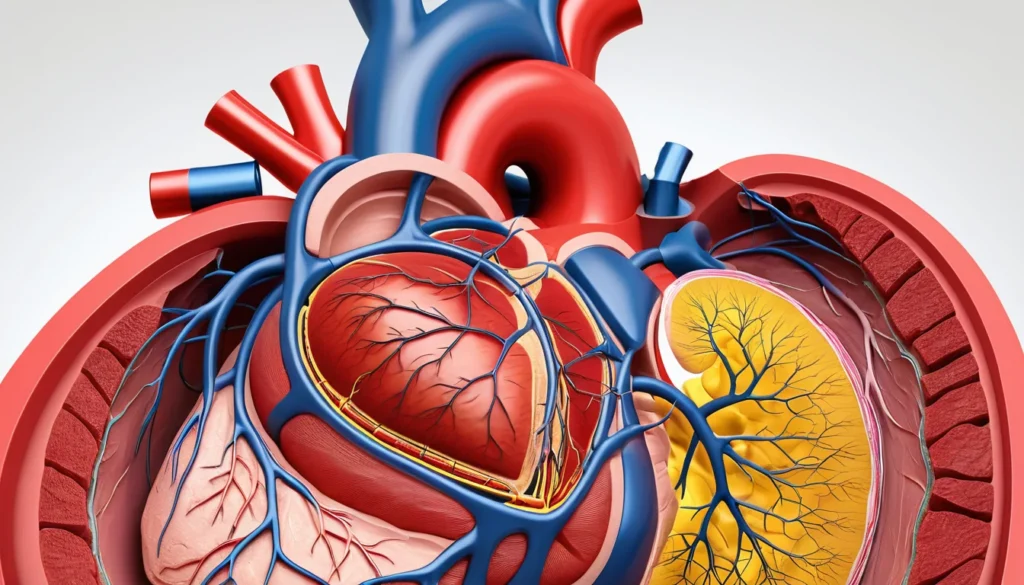
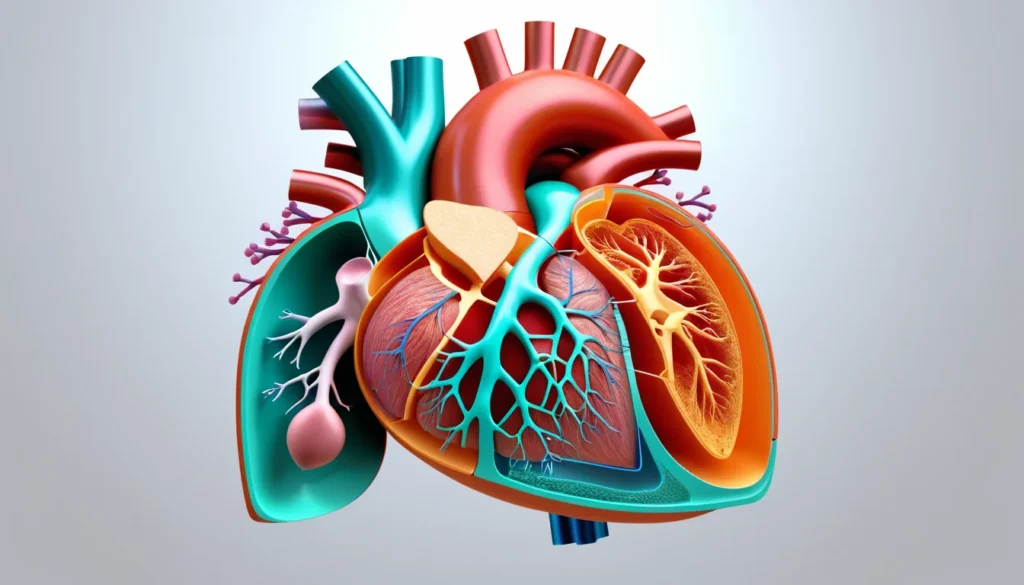
Your heart sits in the centre of your chest, wrapped in a double-layered sac called the pericardium. The inner layer hugs the heart muscle directly. The outer layer is slightly more flexible and surrounds the inner one.
When this sac becomes inflamed, the condition is called pericarditis. It can range from mild and short-lived to serious and recurring. In some cases, fluid builds up between the layers, which puts pressure on the heart.
According to Mayo Clinic’s overview of pericarditis, most cases are short-term and respond well to treatment. However, it is important to take chest pain seriously and get it checked promptly.
Common Causes of Pericarditis
In many cases, doctors cannot find a clear cause. This is called idiopathic pericarditis. However, several known triggers can lead to this condition.
Infections
Viral infections are the most common identifiable cause of pericarditis. Bacterial, fungal, and HIV infections can also trigger inflammation of the pericardial sac. If you have recently been sick with a respiratory illness and now have chest pain, mention this to your doctor.
Heart-Related Causes
Damage to the heart can also lead to pericarditis. For example, a heart attack (myocardial infarction) or heart surgery can irritate the surrounding tissue. Dressler syndrome and post-pericardiotomy syndrome are both conditions that can follow heart injury or surgery.
Other Medical Conditions
Several other health issues are linked to pericarditis. These include:
Connective tissue diseases — such as rheumatoid arthritis, lupus, sarcoidosis, or scleroderma
Metabolic disorders — such as kidney failure (uremia) or an underactive thyroid (hypothyroidism)
Cancer — either primary cardiac cancer (rare) or cancer that has spread from elsewhere in the body
Certain medications — some drugs, including phenytoin, hydralazine, and procainamide, can trigger an immune response that inflames the pericardial sac
Recognising the Symptoms of Pericarditis
Chest pain is the most common symptom of pericarditis. The pain is usually sharp and stabbing, rather than dull or heavy. It can appear suddenly or build up gradually over time.
How the Chest Pain Feels
The pain from pericarditis has some specific features that help doctors tell it apart from other causes of chest pain, such as angina. Angina is chest pain caused by narrowed blood vessels in the heart. Pericarditis pain, by contrast, tends to behave differently:
It often spreads to the back, neck, or shoulders
It gets worse when you breathe in deeply
It gets worse when you lie flat on your back
It gets better when you lean forward or sit up
If the diaphragm (the muscle between your chest and abdomen) is irritated, the pain may spread to the shoulder blades
Other Symptoms to Watch For
Because the heart sits in the centre of the chest near other organs, inflammation in different parts of the pericardium can cause different symptoms. For instance, if the inflamed area is near the lungs, you may feel short of breath. If it is close to the oesophagus (swallowing tube), you may feel pain when swallowing.
Furthermore, if an infection is the cause, you may also experience fever, chills, muscle aches, and a general feeling of being unwell. These symptoms can sometimes make pericarditis look like a flu-like illness at first.
How Pericarditis Is Diagnosed
Your doctor will start by asking detailed questions about your chest pain. They will want to know when the pain started, what makes it better or worse, and whether you have any other symptoms or recent illnesses.
Physical Examination
One of the most telling signs of pericarditis is a pericardial friction rub. This is a scratchy or creaking sound caused by the inflamed layers of the pericardium rubbing against each other. Your doctor can hear it through a stethoscope. The sound is sometimes clearer when you lean forward.
Diagnostic Tests
In addition to a physical exam, your doctor may order several tests to confirm pericarditis and find the underlying cause:
Electrocardiogram (ECG) — records the electrical activity of the heart. Pericarditis often shows characteristic changes on an ECG, though these can sometimes look like normal variations.
Chest X-ray — checks the size and shape of the heart and rules out other causes of chest pain
Echocardiogram — uses ultrasound to look for fluid buildup around the heart. In mild cases of acute pericarditis, there may be little or no visible fluid.
Blood tests — can detect signs of infection, kidney disease, thyroid problems, leukaemia, or connective tissue disorders that may be causing pericarditis
For more information on how heart conditions are investigated, visit Health Canada’s health information resources.
Treatment Options for Pericarditis
The main goal of pericarditis treatment is to reduce inflammation and manage pain. In most cases, treatment is straightforward and effective.
Medications
Anti-inflammatory medications are the first line of treatment for pericarditis. Ibuprofen is commonly used to reduce both inflammation and fluid buildup around the heart. Your doctor may also prescribe stronger pain relievers if needed.
In cases where pericarditis keeps coming back — especially when the immune system is involved — corticosteroids can be very effective. However, these are typically reserved for cases that do not respond to standard anti-inflammatory drugs.
Treating the underlying cause is also essential. For example, a bacterial infection would be treated with antibiotics. A thyroid problem would require its own specific management.
Procedures
If a large amount of fluid has built up around the heart, a procedure called pericardiocentesis may be needed. A doctor inserts a thin needle through the chest wall and into the pericardial sac to drain the fluid. This procedure can also help identify what is causing the pericarditis by testing the drained fluid.
In severe or recurring cases, surgery may be required. Options include:
Pericardiotomy — the surgeon creates an opening in the pericardial sac to allow fluid to drain
Pericardiectomy — the pericardial sac is removed entirely. This is typically reserved for cases of constrictive pericarditis (see below).
Possible Complications of Pericarditis
Most people with pericarditis recover fully. However, if left untreated or poorly managed, pericarditis can lead to serious complications.
Cardiac Tamponade
This is a medical emergency. It occurs when so much fluid collects around the heart that it squeezes the heart and prevents it from pumping properly. Symptoms can include difficulty breathing and trouble carrying out everyday activities. If you or someone around you experiences these symptoms suddenly, call 911 immediately.
Constrictive Pericarditis
In some cases, repeated bouts of pericarditis can cause the pericardial sac to become thick and stiff with scar tissue. This restricts the heart’s ability to expand and fill with blood properly. As a result, the heart cannot function efficiently. This condition is called constrictive pericarditis and may ultimately require surgery.
The Healthline guide to pericarditis complications provides a helpful overview of these risks and what to watch for.
When to See a Doctor
Any new or unexplained chest pain should be taken seriously. Do not try to diagnose yourself. If you have sharp chest pain that gets worse when you lie down or breathe deeply, see a doctor as soon as possible.
You can visit your family doctor if your symptoms are new but not severe. Most provincial health plans in Canada cover this type of visit at no direct cost to you. If your family doctor is unavailable, a walk-in clinic is a good option for non-emergency chest pain assessment.
However, if you have severe chest pain, difficulty breathing, or feel faint, go to your nearest emergency department or call 911 right away. These may be signs of a serious complication like cardiac tamponade.
Always consult a qualified healthcare provider for any medical concerns. The information in this article is for educational purposes only and is not a substitute for professional medical advice.
Frequently Asked Questions About Pericarditis
What does pericarditis feel like?
Pericarditis typically causes a sharp, stabbing chest pain that gets worse when you lie down or breathe in deeply. Most people with pericarditis find the pain improves when they sit up and lean slightly forward. The pain may also spread to the shoulders, neck, or back.
How long does pericarditis last?
Acute pericarditis usually lasts a few weeks and resolves with treatment. However, some people experience recurring pericarditis, where symptoms come back over months or years. Your doctor will guide you on the right treatment plan based on how often your symptoms return.
Is pericarditis dangerous?
Most cases of pericarditis are not life-threatening and respond well to medication. However, pericarditis can become dangerous if it leads to complications such as cardiac tamponade, which is a medical emergency. It is important to get a proper diagnosis and follow your doctor’s treatment plan.
Can pericarditis be mistaken for a heart attack?
Yes, pericarditis can feel similar to a heart attack because both cause chest pain. However, pericarditis pain is typically sharp and positional — it changes depending on how you sit or breathe — while heart attack pain is often heavy, crushing, and does not change with position. A doctor can tell the difference using an ECG and other tests.
What causes pericarditis to come back?
Recurring pericarditis is often linked to an immune system response that continues to attack the pericardial tissue even after the initial cause is gone. In these cases, your doctor may recommend corticosteroids or other immune-modifying medications. Identifying and treating the underlying cause is key to preventing future episodes.
How is pericarditis treated in Canada?
In Canada, pericarditis is typically treated with anti-inflammatory medications such as ibuprofen, which are available through a doctor’s prescription or recommendation. Most Canadians can access initial care through their family doctor or a walk-in clinic, with specialist referrals available through provincial health plans if needed. Severe cases may require hospital care or procedures to drain fluid from around the heart.
Key Takeaways
Pericarditis is inflammation of the protective sac surrounding the heart.
The most common symptom is sharp chest pain that worsens when lying down and improves when leaning forward.
Causes include viral infections, heart injury, autoimmune conditions, kidney disease, and certain medications.
Diagnosis involves a physical exam, ECG, chest X-ray, echocardiogram, and blood tests.
Most cases are treated successfully with anti-inflammatory medications such as ibuprofen.
Serious complications like cardiac tamponade require emergency medical care — call 911.
Canadians can access initial care through their family doctor or a walk-in clinic covered by their provincial health plan.
Always speak with a healthcare professional if you have chest pain or any concerns about your heart health.