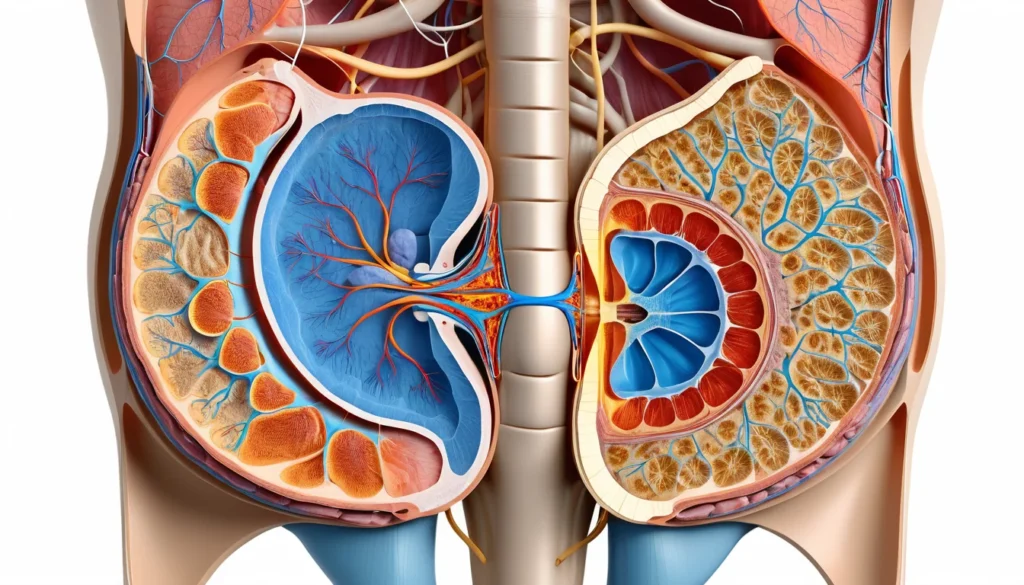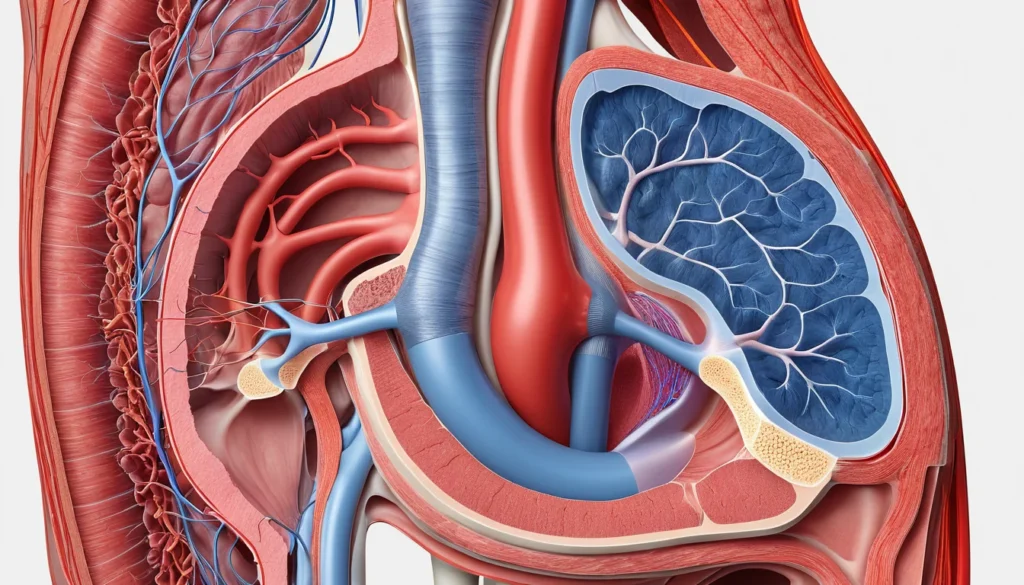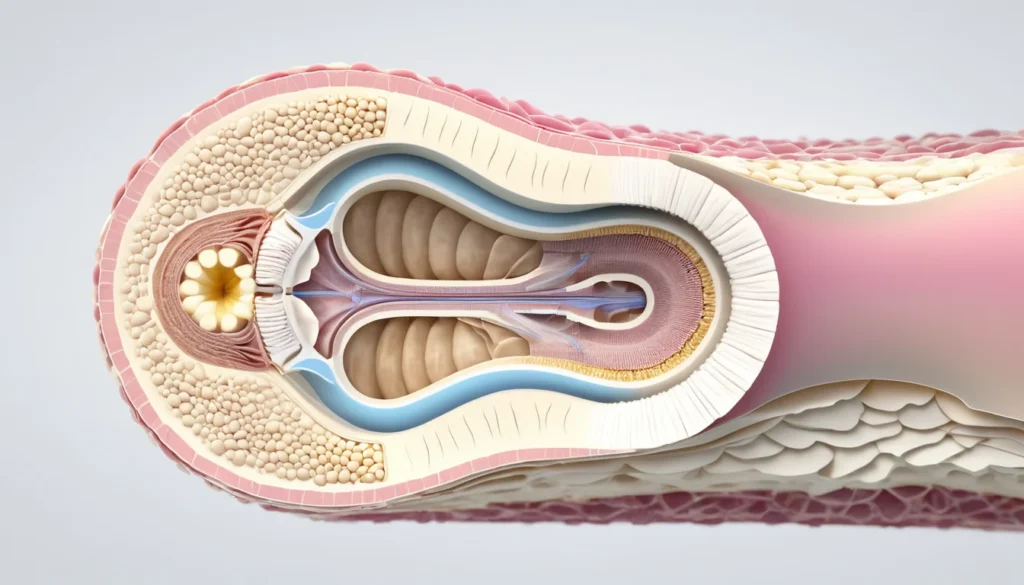
A penile fracture is a serious medical emergency that happens when the tough tissue surrounding the erect penis tears. It is not a broken bone — the penis contains no bones — but the injury is just as urgent. Without fast treatment, a penile fracture can lead to permanent problems, including erectile dysfunction and a curved penis. This article explains what causes a penile fracture, what symptoms to watch for, and what treatment looks like in Canada.
What Is a Penile Fracture?
When a man has an erection, blood fills two spongy tubes inside the penis. These tubes are wrapped in a thick, elastic layer called the tunica albuginea. This membrane stretches as the penis becomes erect.
However, if the erect penis bends suddenly or forcefully, this membrane can tear. That tear is what doctors call a penile fracture. In some cases, the erectile tissue underneath can also rupture, making the injury even more serious.
A penile fracture is not common, but it is also not rare. Research shows it most often affects men between the ages of 30 and 50. The injury can happen to men of any sexual orientation, though most reported cases involve heterosexual men.
What Causes a Penile Fracture?
The most common cause of a penile fracture is sudden, awkward bending of the erect penis during sexual activity. This can happen when a partner shifts position unexpectedly, or when the penis slips and strikes the perineum or pelvis.
Certain sexual positions carry a higher risk. For example, when a partner is on top and leans too far forward or backward, it can put excessive pressure on the penis. The result can be a sudden, painful tear of the tunica albuginea.
In some cases, vigorous masturbation has also been linked to penile fractures. Forceful bending of the erect penis — for any reason — is the underlying cause in nearly every reported case.
Risk Factors to Know
Any man with an erect penis can experience this injury. There is no single risk factor that guarantees it will happen. However, being aware of body positioning during sex can reduce the risk significantly.
In addition, rushing through sexual activity or losing awareness of positioning — especially in unfamiliar positions — increases the chance of accidental trauma to the penis.
Symptoms of a Penile Fracture
A penile fracture usually announces itself clearly. The signs come on suddenly and are hard to ignore. If you or a partner experiences any of the following, treat it as a medical emergency right away.
Common symptoms include:
A loud popping or cracking sound at the moment of injury
Immediate loss of erection right after the sound
Sudden, sharp pain in the penis
Rapid swelling of the penile shaft
Bruising or discolouration — the penis may turn dark purple or deep red
Bending or angulation of the penis to one side
Difficulty urinating in some cases
Blood at the urethral opening if the urethra is also injured
The penis can take on a distinctive shape sometimes described as an “eggplant deformity” due to the swelling and discolouration. This is a clear sign that medical help is needed immediately.
Why You Should Not Wait to Get Help
Delaying treatment for a penile fracture significantly raises the risk of serious complications. The longer the injury goes untreated, the greater the chance of lasting damage.
Research suggests that a delay of even eight hours after the injury is linked to a much higher risk of erectile dysfunction after surgery. Scar tissue can form inside the penis, and that tissue is very difficult to treat once it sets in.
Furthermore, an untreated penile fracture can cause Peyronie’s disease — a condition where the penis curves permanently due to scar tissue. This can make sexual activity painful or impossible. According to the Mayo Clinic, Peyronie’s disease can also cause significant emotional distress and relationship challenges.
The good news is that most men who receive prompt surgical treatment recover fully. The vast majority go on to have a normal, healthy sex life after healing.
How Is a Penile Fracture Treated?
Surgery is the standard and most effective treatment for a penile fracture. There is no effective non-surgical option for a true fracture of the tunica albuginea. Acting quickly gives the best chance of a full recovery.
During surgery, the surgeon makes a small incision in the skin of the penis. They drain any blood clots that have formed. Then they repair the torn tunica albuginea using dissolvable stitches.
The procedure has a high success rate. Most men regain normal erectile function after surgery. According to Healthline’s overview of penile injuries, surgical repair performed within hours of the injury leads to the best outcomes.
Recovery After Surgery
Recovery from penile fracture surgery typically takes about six weeks. During this time, sexual activity should be avoided completely. Your surgical team will give you specific guidance on when it is safe to resume.
Swelling and bruising will gradually improve over the first few weeks. Most men find the recovery uncomfortable but manageable. Follow-up appointments are important to monitor healing and catch any complications early.
In some cases, physiotherapy or the use of a vacuum erection device may be recommended during recovery. Your care team will tailor the plan to your individual needs.
Conditions That Can Look Like a Penile Fracture
Not every penile injury is a fracture. A healthcare provider will assess your injury to determine exactly what has happened. Some conditions can cause similar symptoms, including:
Penile contusion — bruising without tearing of the tunica albuginea
Rupture of the dorsal vein — a blood vessel injury that causes swelling and bruising
Urethral trauma — injury to the tube that carries urine and semen
Pelvic trauma — broader injury involving the pelvic region
A proper diagnosis matters because the treatment for each condition is different. Do not try to diagnose yourself. Head to an emergency room right away if you suspect a penile fracture.
When to See a Doctor
A penile fracture is a medical emergency. Do not wait to see if it gets better on its own. Go directly to your nearest hospital emergency department as soon as possible after the injury.
Do not apply ice directly to the injury. Do not try to drain blood at home. Do not delay by calling a walk-in clinic first — this situation requires emergency care, not a next-day appointment.
If you are unsure whether your injury is a fracture, the safest choice is still to go to the emergency room. A doctor can quickly assess the injury and decide on the right course of action. In Canada, emergency care is covered under your provincial health plan, so cost should not be a barrier to seeking help.
For any sexual health questions or concerns outside of an emergency — such as recovering from a penile fracture or discussing sexual dysfunction — your family doctor or a men’s health specialist is the right starting point. You can also find referrals through Health Canada’s health services directory.
As always, speak with your doctor or a qualified healthcare provider before making any decisions about your health. The information in this article is for general educational purposes only.
Frequently Asked Questions About Penile Fracture
Is a penile fracture a real medical emergency?
Yes, a penile fracture is a genuine medical emergency that requires immediate treatment. Delaying care — even by a few hours — raises the risk of permanent erectile dysfunction and scarring. Go to your nearest hospital emergency room right away if you suspect this injury.
Can a penile fracture heal on its own without surgery?
No. Surgery is the only reliable treatment for a true penile fracture. Without surgical repair, the torn tissue forms scar tissue, which can lead to a permanently curved penis and erectile dysfunction. Non-surgical approaches have a much higher rate of long-term complications.
What does a penile fracture feel like?
Most men describe hearing or feeling a loud pop or crack, followed immediately by intense pain and rapid loss of erection. Swelling and deep bruising — often dark purple or red — develop quickly. Some men also have trouble urinating if the urethra is involved in the injury.
How long does it take to recover from a penile fracture?
Recovery from penile fracture surgery typically takes about six weeks. Sexual activity must be avoided during this entire period. Most men who receive prompt surgical treatment go on to recover full sexual function, though individual healing times can vary.
Which sexual positions are most likely to cause a penile fracture?
The position associated with the highest risk of a penile fracture is when the receiving partner is on top and leans too far forward or backward. This can create sudden, forceful bending of the erect penis. Staying aware of body positioning and moving carefully during sex can help reduce the risk.
Will I be able to have sex normally after a penile fracture?
The great majority of men recover full sexual function after surgical treatment for a penile fracture. Surgery has a high success rate, especially when performed quickly after the injury. Long-term complications are much more likely if treatment is delayed or avoided altogether.
Key Takeaways
A penile fracture happens when the tough membrane surrounding the erect penis tears suddenly.
The most common cause is forceful, accidental bending of the penis during sexual activity.
Key symptoms include a popping sound, immediate loss of erection, pain, and rapid swelling with dark bruising.
This is a medical emergency — go to a hospital emergency room immediately, not a walk-in clinic.
Surgery is the only effective treatment and has a high success rate when performed promptly.
Most men fully recover and return to a normal sex life after treatment.
Delaying treatment increases the risk of erectile dysfunction and permanent penile curvature.
Emergency care for this condition is covered under your provincial health plan in Canada.
Talk to your family doctor for ongoing sexual health support after recovery.