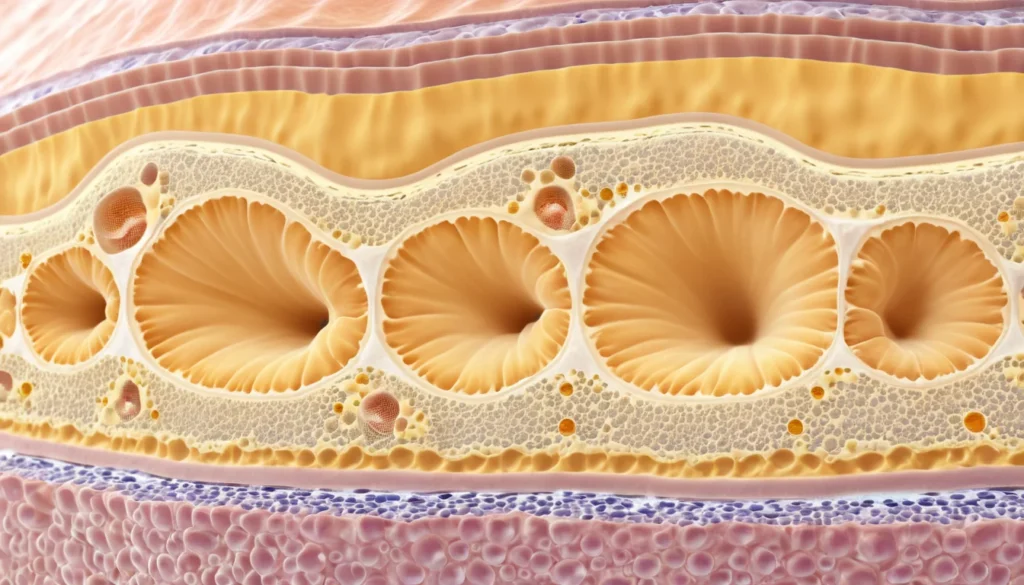
Pemphigus is a rare autoimmune skin condition that causes painful blisters and sores on the skin and mucous membranes. It happens when the immune system mistakenly attacks healthy skin cells. Although it can affect anyone, it most often appears in middle-aged and older adults. Understanding pemphigus — its types, symptoms, and treatment options — can help Canadians get the right care sooner.
What Is Pemphigus?
Your immune system normally produces antibodies to fight off harmful bacteria and viruses. However, in pemphigus, those antibodies attack the body’s own healthy skin tissue by mistake. This is what makes pemphigus an autoimmune disease.
When the antibodies attack skin cells, they break apart the proteins that hold those cells together. As a result, the cells separate and fluid fills the gaps, forming blisters. These blisters can appear on the skin, inside the mouth, or on other moist surfaces in the body.
The sores that form are often very painful. In some cases, they can cover a large area of the body. Without proper treatment, they do not heal on their own.
Types of Pemphigus
There are several types of pemphigus. Each type affects the skin differently and requires a specific treatment approach. Knowing which type you have is important for getting the right care.
Pemphigus Vulgaris
Pemphigus vulgaris is the most common form of the condition. It usually begins with sores inside the mouth before blisters appear on the skin. The blisters are soft and break easily, leaving raw, painful areas behind.
In pemphigus vulgaris, the antibodies target a protein called desmoglein 3. This protein acts like a glue that holds skin cells together. When antibodies bind to it, the skin cells fall apart and blisters form on both the skin and mucous membranes.
This type is most often diagnosed in middle-aged and older adults. It is a serious condition that requires long-term medical management. For more information, you can visit the Mayo Clinic’s overview of pemphigus.
Pemphigus Foliaceus
Pemphigus foliaceus is generally considered a milder form of pemphigus. It causes crusty, scaly patches and fragile blisters that usually appear first on the scalp. Over time, the blisters can spread to the face, chest, and back.
In this type, antibodies attack a different protein called desmoglein 1. This protein sits only in the top layer of dry skin. Because of this, the blisters are more superficial and do not usually appear inside the mouth.
Symptoms often include itching and mild to moderate pain. However, although this form is milder, it still needs medical treatment to prevent it from spreading further.
Paraneoplastic Pemphigus
Paraneoplastic pemphigus is the most serious and least common form. It occurs in people who already have a diagnosis of cancer, most often lymphoma or leukaemia. Doctors sometimes discover the cancer only after diagnosing this type of pemphigus.
Painful sores almost always appear in the mouth, on the lips, and in the oesophagus (the tube connecting the mouth to the stomach). The skin sores can also be severe and widespread. Because of the link to cancer, a diagnosis of paraneoplastic pemphigus should prompt doctors to search for an underlying tumour.
How Is Pemphigus Diagnosed?
Diagnosing pemphigus can be complex. Several other autoimmune conditions cause similar blistering of the skin. For example, bullous lupus and Hailey-Hailey disease can look a lot like pemphigus.
To confirm a diagnosis, your doctor will likely order a skin biopsy. This means removing a small sample of skin to examine it under a microscope. Blood tests can also detect the specific antibodies linked to pemphigus.
In Canada, your family doctor can refer you to a dermatologist — a skin specialist — for further testing. Early and accurate diagnosis is important. There is evidence that treatment works better when the condition is caught early. You can learn more about autoimmune skin conditions through Healthline’s guide to pemphigus.
Treatment Options for Pemphigus
There is no cure for pemphigus, but treatment can control the symptoms effectively. The goal of treatment is to stop new blisters from forming, help existing sores heal, and prevent infections.
Corticosteroids
Oral corticosteroids, commonly called steroids, are usually the first treatment doctors prescribe. They work by reducing the immune system’s activity. This lowers the number of harmful antibodies attacking the skin.
Steroids are effective, but long-term use can cause serious side effects. These include bone thinning, high blood sugar, weight gain, and increased risk of infection. Because of this, doctors often prescribe additional medications alongside steroids.
Immunosuppressant Medications
Cytotoxic or immunosuppressant drugs are often added to reduce the amount of steroids needed. These medications further suppress the immune system to prevent it from attacking the skin. Common examples include azathioprine and mycophenolate mofetil.
In some cases, doctors may also prescribe cyclosporine or injectable gold compounds. Hydroxychloroquine and dapsone have shown effectiveness in some cases of pemphigus foliaceus. Your doctor will choose medications based on the severity of your condition and your overall health.
Topical Treatments
For milder forms of pemphigus, topical steroids applied directly to the skin may be enough to manage symptoms. Intralesional steroids — injected directly into a skin sore — are another option for localised blisters. These approaches reduce the risks associated with taking steroids by mouth.
Monitoring During Treatment
Because many pemphigus medications can have serious side effects, regular monitoring is essential. Your doctor will check your blood and urine on an ongoing basis. These tests help catch any problems caused by medications before they become serious.
Treatment is always adjusted based on how well you are responding and the severity of your symptoms. It may take time to find the right combination of medications for your situation. Patience and consistent follow-up with your healthcare provider are key.
Living With Pemphigus
Living with a chronic autoimmune condition like pemphigus affects daily life. Mouth sores can make eating and drinking painful. Skin blisters may limit physical activity and affect mental health and self-confidence.
It helps to work closely with your healthcare team to manage flare-ups early. Keeping the skin clean and protected can reduce the risk of infection in open sores. Soft, non-irritating foods can ease discomfort when mouth sores are present.
Support groups and community resources can also make a real difference. Many Canadians find it helpful to connect with others who understand what it is like to live with a rare skin condition. Talk to your family doctor or dermatologist about resources available in your province.
For general information on autoimmune conditions and how they are managed in Canada, the Health Canada website offers reliable health guidance for Canadians.
When to See a Doctor
You should see a doctor as soon as possible if you notice painful, unexplained blisters on your skin or inside your mouth. Do not wait to see if they go away on their own. Pemphigus sores do not heal without treatment.
Start by visiting your family doctor or a walk-in clinic. They can assess your symptoms and refer you to a dermatologist for specialised testing. Most provincial health plans in Canada cover referrals to specialists when ordered by a family doctor or general practitioner.
If blisters spread quickly, become infected, or make eating and drinking very difficult, seek care urgently. Early treatment leads to better outcomes and may reduce how much medication you need long-term. Always consult a qualified healthcare provider before starting or stopping any treatment for pemphigus.
Frequently Asked Questions About Pemphigus
Is pemphigus contagious?
No, pemphigus is not contagious. It is an autoimmune disease, which means it comes from within the body’s own immune system. You cannot catch pemphigus from another person through contact or proximity.
What causes pemphigus?
The exact cause of pemphigus is not fully understood. In most cases, the immune system mistakenly produces antibodies that attack proteins in the skin. Genetic factors and, in rare cases, certain medications may trigger the condition.
Can pemphigus go away on its own?
Pemphigus does not go away without treatment. Without medical care, the blisters and sores will continue and may worsen or become infected. However, with proper treatment, many people with pemphigus achieve remission, meaning their symptoms are well controlled.
Is pemphigus covered under provincial health plans in Canada?
Yes, visits to your family doctor, walk-in clinic, and specialist referrals are generally covered under provincial health plans across Canada. Some medications used to treat pemphigus may also be covered under provincial drug benefit programmes, depending on your province and eligibility. Check with your provincial health authority for specific coverage details.
What is the difference between pemphigus and pemphigoid?
Both pemphigus and pemphigoid are autoimmune blistering conditions, but they are different diseases. In pemphigus, the blisters form within the outer layer of skin and are more fragile. In pemphigoid, blisters form deeper, below the outer skin layer, and tend to be firmer and less likely to break.
Who is most at risk of developing pemphigus?
Pemphigus most commonly affects middle-aged and older adults. It occurs across all ethnicities, but some studies suggest it may be more common in people of Jewish, Mediterranean, or South Asian descent. Anyone who notices unexplained blistering of the skin or mouth should speak with a doctor promptly.
Key Takeaways
Pemphigus is a rare autoimmune disease that causes painful blisters on the skin and mucous membranes.
The three main types are pemphigus vulgaris, pemphigus foliaceus, and paraneoplastic pemphigus.
Pemphigus vulgaris is the most common type and often starts with sores inside the mouth.
Paraneoplastic pemphigus is the most serious type and is linked to underlying cancer.
Treatment typically involves oral corticosteroids combined with immunosuppressant medications.
Regular blood and urine monitoring is essential during treatment to watch for side effects.
Early diagnosis and treatment lead to better outcomes.
If you notice unexplained blisters on your skin or in your mouth, visit your family doctor or a walk-in clinic as soon as possible.
Always consult a qualified healthcare provider before starting any new treatment.