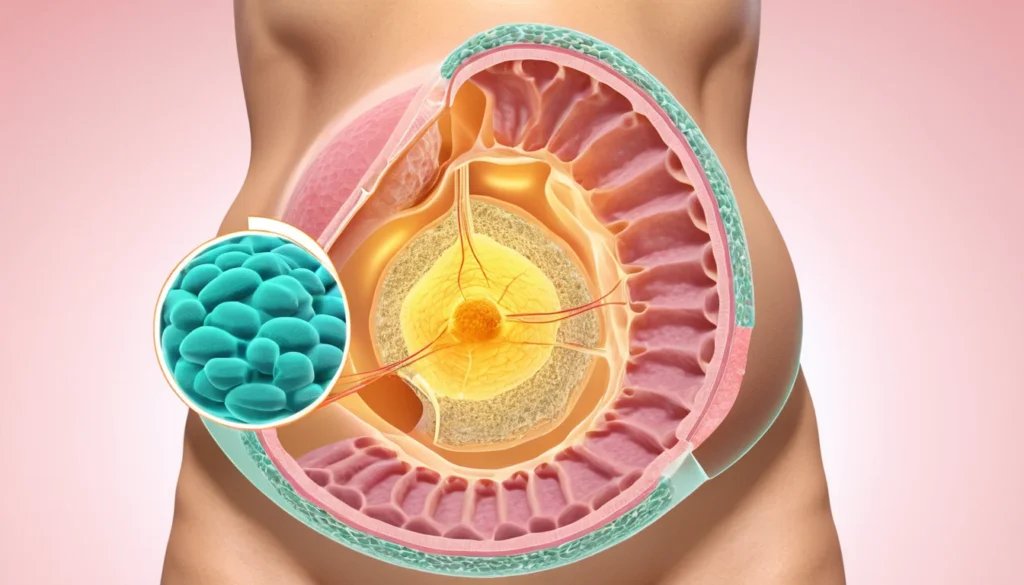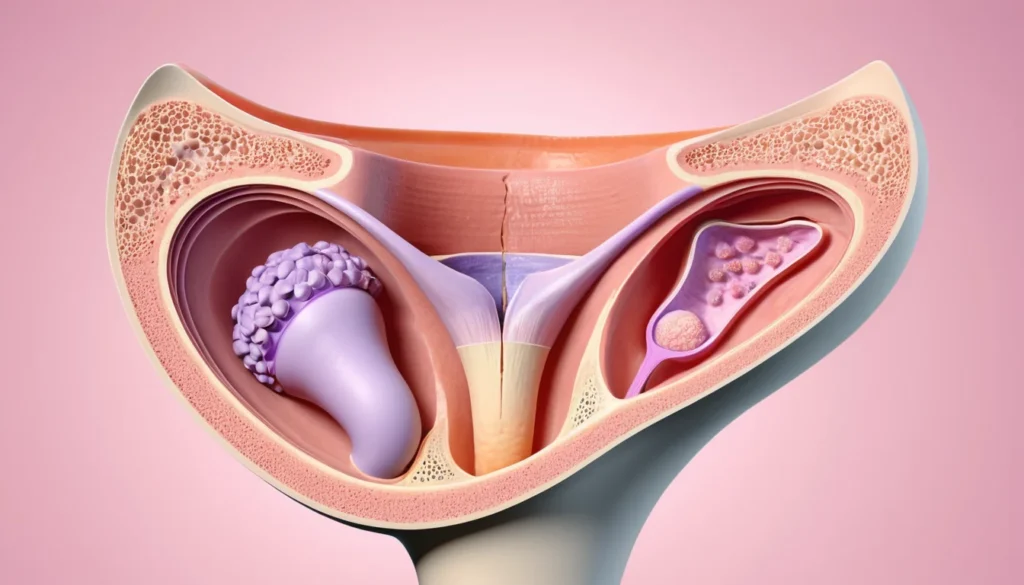
Pelvic inflammatory disease (PID) is a serious infection that affects a woman’s reproductive organs. It can involve the uterus, fallopian tubes, ovaries, and pelvic cavity. Without prompt treatment, PID can lead to long-term complications, including infertility. Understanding the signs and getting help early can make a real difference in your health outcomes.
What Is Pelvic Inflammatory Disease?
Pelvic inflammatory disease is an infection of the female upper reproductive tract. It most often starts when bacteria from a sexually transmitted infection (STI) travel upward from the vagina or cervix. In some cases, it can also develop after a uterine procedure, such as an IUD insertion or a dilation and curettage (D&C).
PID is often caused by more than one type of bacteria at the same time. The most common culprits are Neisseria gonorrhoeae (the bacteria that causes gonorrhea) and Chlamydia trachomatis. Other bacteria, including certain anaerobes and common gut bacteria, can also play a role. This is why treatment usually involves more than one antibiotic.
According to Health Canada, sexually transmitted infections are a growing public health concern. Early detection and treatment of STIs is one of the best ways to prevent PID from developing in the first place.
Risk Factors for Pelvic Inflammatory Disease
Certain factors can raise your chances of developing pelvic inflammatory disease. Knowing your risk can help you take steps to protect your health.
You may be at higher risk if you:
Have multiple sexual partners
Use contraception that does not act as a barrier against bacteria (for example, the pill or an IUD, unlike condoms)
Have recently had a uterine procedure or transvaginal instrumentation
Are currently menstruating or have just finished your period
Have a current or past STI, including gonorrhea or chlamydia
Have had a previous episode of PID
Use vaginal douching regularly
It is worth noting that regular douching can disturb the natural balance of bacteria in the vagina. This may make it easier for harmful bacteria to travel upward and cause an infection. Many health professionals advise against douching for this reason.
Recognising the Symptoms of PID
The symptoms of pelvic inflammatory disease can range from mild to severe. Some women have no symptoms at all, which makes PID especially tricky to catch early. However, there are common warning signs to watch for.
Common Symptoms
PID often presents with pain or tenderness in the lower abdomen. You might also notice pain when your cervix or the area around your ovaries is touched during a pelvic exam. Other symptoms can include:
Unusual or increased vaginal discharge
Fever above 38.3°C
Pain during sex
Irregular menstrual bleeding
Burning or pain when urinating
If you experience sudden, severe pelvic pain, seek care right away. This could point to a more serious complication, such as a tubo-ovarian abscess, which requires urgent medical attention. You can visit a walk-in clinic, an emergency department, or call your provincial health line for guidance.
How Doctors Diagnose PID
There is no single test that confirms pelvic inflammatory disease on its own. Doctors use a combination of clinical findings and lab results to make the diagnosis. The three key physical findings — lower abdominal tenderness, cervical motion tenderness, and tenderness in the adnexal area (near the ovaries and fallopian tubes) — must all be present together.
In addition, your doctor may look for supporting evidence, such as:
Fever above 38.3°C
Elevated white blood cell count (above 10,500 per mm³)
Abnormal vaginal discharge
Raised inflammatory markers like C-reactive protein (CRP) or erythrocyte sedimentation rate (ESR)
A positive test for chlamydia or gonorrhea
Evidence of infection on an endometrial biopsy or laparoscopy
Your doctor will also want to rule out other conditions that can cause similar symptoms. These include appendicitis, ectopic pregnancy, endometriosis, ovarian cysts, irritable bowel disease, and kidney infection (pyelonephritis). A pregnancy test is always part of the workup, since an ectopic pregnancy is a medical emergency.
For a broader overview of how pelvic infections are assessed, the Mayo Clinic’s guide to pelvic inflammatory disease offers helpful background information.
Treatment Options for Pelvic Inflammatory Disease
Because PID can cause permanent damage to the reproductive organs — and raise the risk of infertility — doctors treat it promptly. Treatment usually begins as soon as the major diagnostic criteria are met, even before all lab results come back.
Outpatient Treatment (At Home)
Many women with mild to moderate pelvic inflammatory disease can be treated safely at home with oral antibiotics. Your doctor may recommend outpatient treatment if your fever is below 38°C, your white blood cell count is within an acceptable range, and you are able to take medications by mouth and follow the treatment plan closely.
A typical outpatient course lasts 14 days and combines two or more antibiotics to cover the range of bacteria involved. Common combinations include:
Ofloxacin plus metronidazole
Ofloxacin plus clindamycin
A single injection of ceftriaxone followed by doxycycline (taken by mouth)
It is very important to complete the full 14-day course, even if you start feeling better sooner. Your doctor will usually reassess your condition 48 to 72 hours after you begin antibiotics to make sure the treatment is working.
Hospital Treatment
In more serious cases, hospital admission is necessary. Your doctor will likely recommend inpatient care if you:
Have a suspected tubo-ovarian abscess
Are pregnant
Have a high fever (above 38°C) or a very elevated white blood cell count
Cannot take oral medications
Show signs of peritonitis (widespread abdominal infection)
Have not improved after 48 hours of oral antibiotics
Have an uncertain diagnosis
Some doctors also recommend hospital admission for all adolescents diagnosed with PID, given the higher risk of complications and the importance of close monitoring at that stage of reproductive development.
In hospital, intravenous (IV) antibiotics are given until your condition improves. Common IV regimens include cefotetan or cefoxitin combined with doxycycline. In cases linked to a uterine procedure or abscess, clindamycin and gentamicin are often preferred. Once you are stable, you will typically transition to oral antibiotics to complete the full 14-day course.
Pelvic Inflammatory Disease and Infertility
One of the most serious long-term consequences of pelvic inflammatory disease is infertility. PID can cause scarring and blockages inside the fallopian tubes. This makes it harder for an egg to travel from the ovary to the uterus. As a result, getting pregnant naturally can become difficult or impossible.
The risk of infertility rises with each episode of PID. A woman who has had PID once has roughly a 10–15% chance of becoming infertile. After three or more episodes, that risk can climb above 50%. Furthermore, PID significantly raises the risk of ectopic pregnancy — a dangerous condition where a fertilised egg implants in the fallopian tube rather than the uterus.
The good news is that early treatment greatly reduces the risk of long-term damage. This is why acting quickly at the first sign of symptoms is so important. For more information on how infections affect reproductive health, visit the World Health Organization’s fact sheet on sexually transmitted infections.
When to See a Doctor
If you notice any symptoms of pelvic inflammatory disease — especially pelvic pain, unusual discharge, or fever — do not wait. Contact your family doctor as soon as possible. If your family doctor is unavailable, a walk-in clinic can assess you and arrange testing or referrals through your provincial health plan.
If you have sudden, severe abdominal pain or feel very unwell, go to your nearest emergency department right away. A ruptured abscess or ectopic pregnancy can be life-threatening and needs immediate care.
Regular STI testing is also a smart preventive step, especially if you have new or multiple sexual partners. Many provinces offer free or low-cost STI testing through public health units and sexual health clinics covered under provincial health coverage. Talk to your family doctor or public health nurse about what screening is right for you.
This article is for informational purposes only. Always consult your family doctor or a qualified healthcare provider for a proper diagnosis and treatment plan tailored to your personal health needs.
Frequently Asked Questions About Pelvic Inflammatory Disease
Can pelvic inflammatory disease go away on its own?
No, pelvic inflammatory disease does not go away without treatment. Without antibiotics, the infection can spread and cause permanent scarring of the fallopian tubes. Early medical treatment is essential to prevent serious complications like infertility.
How long does it take to recover from pelvic inflammatory disease?
Most women begin to feel better within a few days of starting antibiotics for pelvic inflammatory disease. However, it is important to complete the full 14-day course of treatment. Your doctor will usually check in with you within 48 to 72 hours to confirm the antibiotics are working.
Is pelvic inflammatory disease an STI?
Pelvic inflammatory disease is not itself a sexually transmitted infection, but it is most often caused by one — usually chlamydia or gonorrhea. In some cases, PID can also develop after a uterine procedure. Treating and preventing STIs is the most effective way to reduce your risk of PID.
Can I still get pregnant after pelvic inflammatory disease?
Many women go on to have healthy pregnancies after a single treated episode of pelvic inflammatory disease. However, PID can cause scarring in the fallopian tubes, which may reduce fertility. If you have had PID and are having difficulty conceiving, speak with your family doctor about a referral to a fertility specialist.
What are the first signs of pelvic inflammatory disease?
The earliest signs of pelvic inflammatory disease often include pain or aching in the lower abdomen, unusual vaginal discharge, and discomfort during sex. Some women also develop a mild fever. Because symptoms can be subtle, it is important to see a doctor if anything feels off.
How is pelvic inflammatory disease treated in Canada?
In Canada, pelvic inflammatory disease is treated with a combination of antibiotics, either taken at home or given intravenously in hospital, depending on severity. Treatment is covered under provincial health plans when prescribed by a licensed physician. Your family doctor or a walk-in clinic can begin assessment and start treatment quickly.
Key Takeaways
Pelvic inflammatory disease is a bacterial infection of the uterus, fallopian tubes, and ovaries, most often caused by untreated STIs.
Common symptoms include lower abdominal pain, fever, and unusual vaginal discharge — but some women have no symptoms at all.
Early treatment with antibiotics is essential to prevent long-term complications, especially infertility and ectopic pregnancy.
Mild cases can be treated at home with oral antibiotics; severe cases require hospital admission and IV antibiotics.
The risk of infertility increases with each episode of PID, so prompt treatment at every occurrence is critical.
Regular STI screening, condom use, and open communication with your family doctor are the best ways to reduce your risk.
If you have symptoms, contact your family doctor or visit a walk-in clinic covered under your provincial health plan without delay.