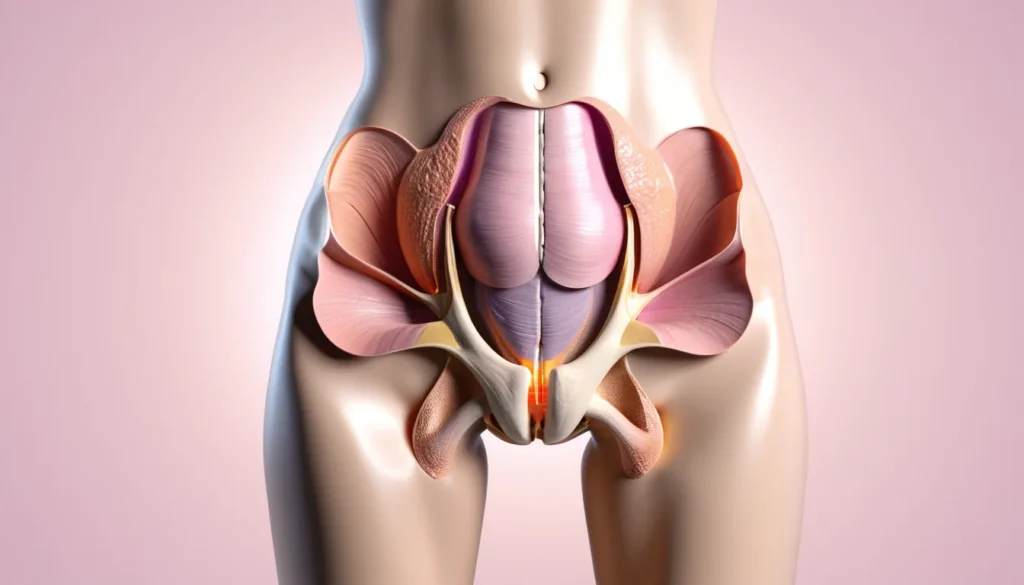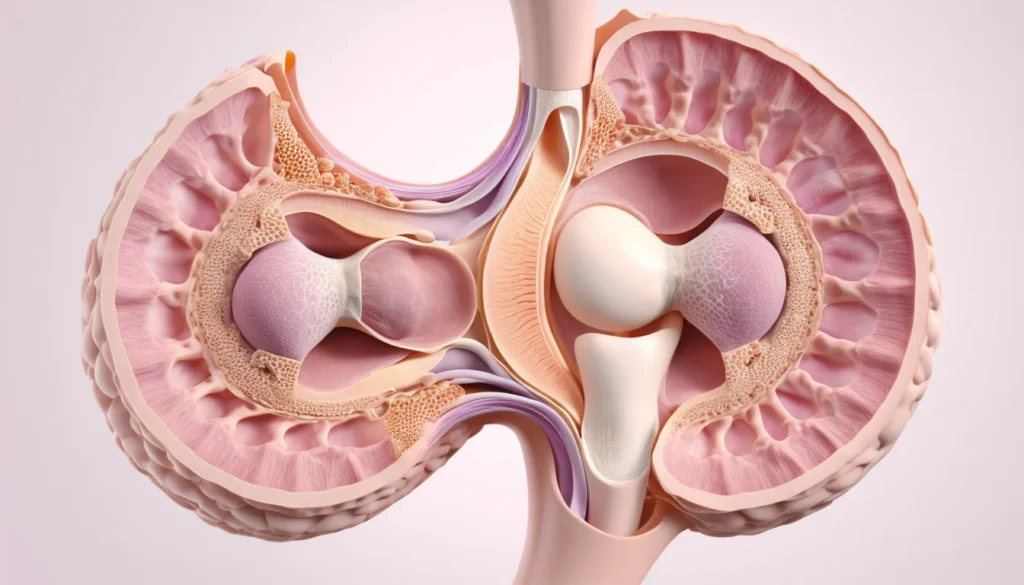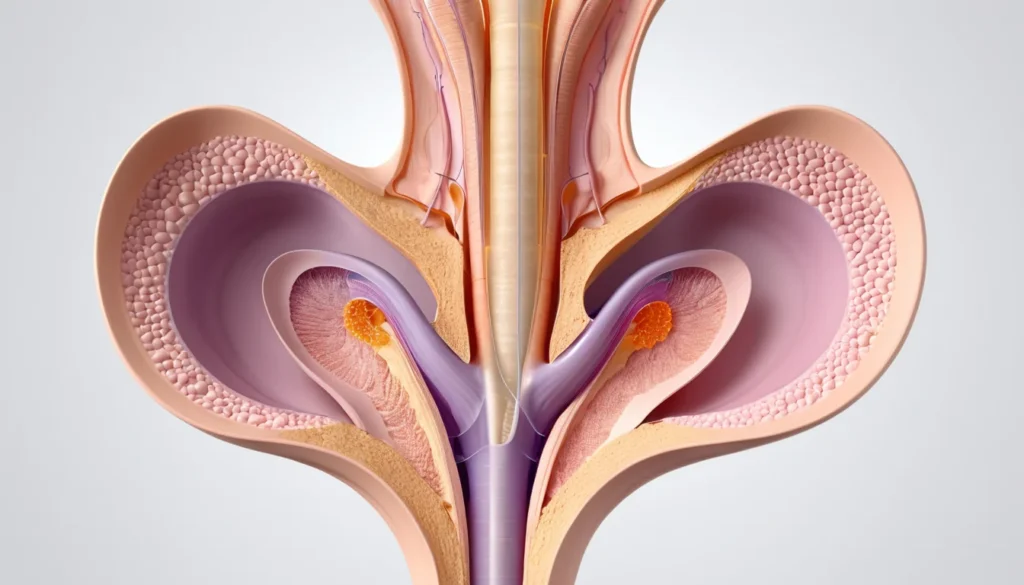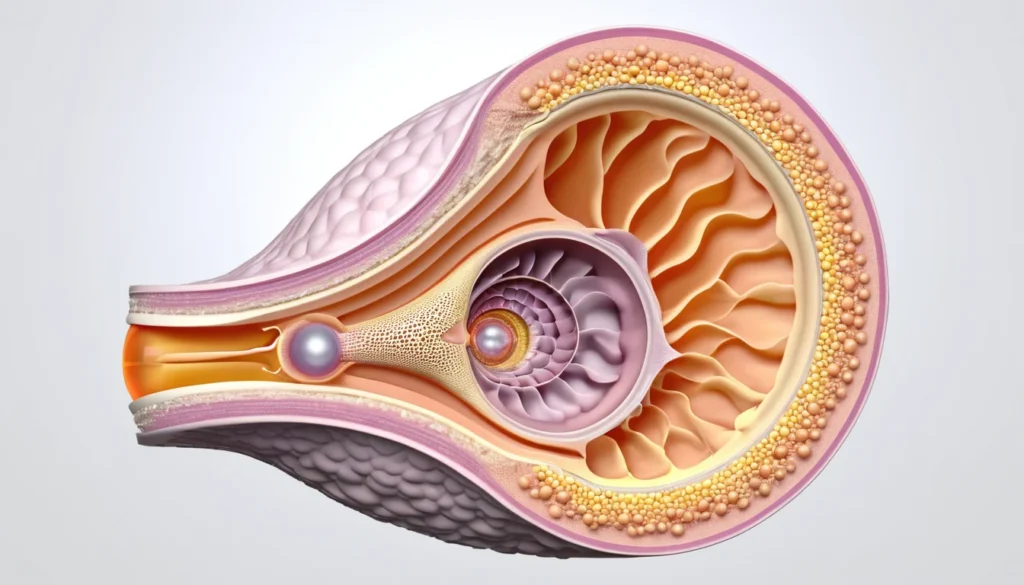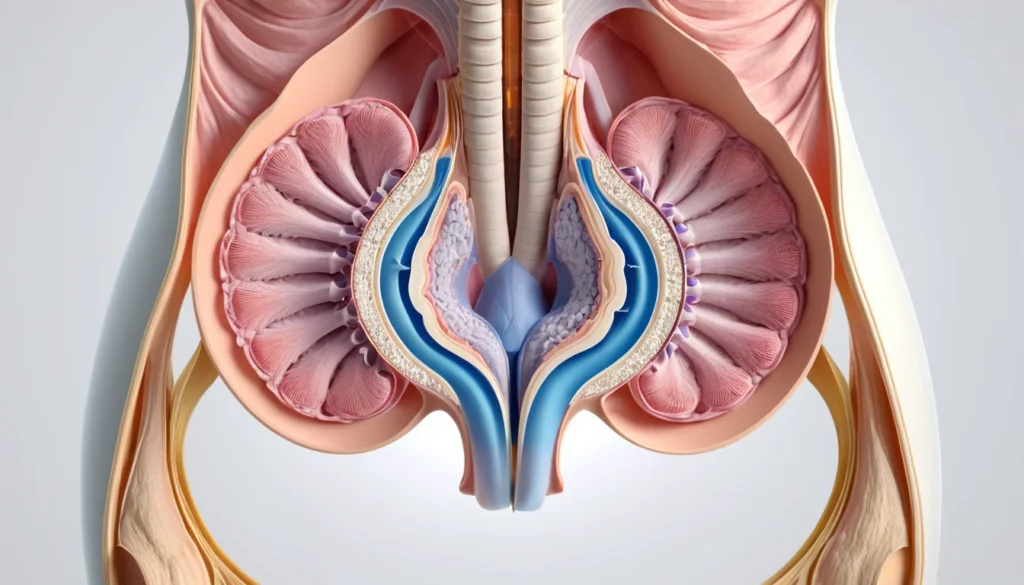
Pelvic inflammatory disease (PID) is one of the most common — and most serious — reproductive health conditions affecting Canadian women. It occurs when bacteria spread from the vagina or cervix to the uterus, fallopian tubes, or ovaries, causing painful inflammation. If left untreated, PID can lead to infertility, ectopic pregnancy, and chronic pelvic pain. The good news is that with early diagnosis and proper treatment, most women recover fully.
What Is Pelvic Inflammatory Disease?
Pelvic inflammatory disease is an infection of the female reproductive organs. It most often begins as a bacterial infection in the vagina that moves upward into the uterus and beyond. Doctors sometimes call it adnexitis when the fallopian tubes and ovaries (together called the adnexa) are specifically affected.
In a healthy body, the fallopian tubes and ovaries are sterile — they contain no bacteria. However, certain conditions allow harmful microorganisms to reach these organs and cause infection. According to Health Canada, sexually transmitted infections (STIs) are among the leading causes of reproductive tract infections in women.
Statistics suggest that roughly one in five women who develop a reproductive tract infection will experience some degree of infertility as a result. That makes early detection and treatment absolutely critical.
Causes and Risk Factors of Pelvic Inflammatory Disease
PID is usually caused by bacteria. Sometimes these bacteria come from sexually transmitted infections. In other cases, bacteria that normally live harmlessly in the vagina migrate upward and cause problems.
Common Bacterial Causes
The most common STI-related causes of pelvic inflammatory disease include:
Chlamydia — one of the most frequently reported STIs in Canada
Gonorrhoea — a bacterial infection that spreads through sexual contact
Mycoplasma and Ureaplasma — less well-known bacteria that can infect the reproductive tract
Trichomoniasis — a parasitic infection that can weaken the vaginal barrier
When any of these infections are present, both sexual partners need treatment. Treating only one partner leads to reinfection and makes the condition harder to resolve.
How the Body’s Natural Defences Break Down
Normally, the vagina produces acidic secretions that act as a natural barrier against infection. However, this barrier can weaken under certain conditions. Inflammation of the vagina or cervix, frequent colds, flu, or a generally weakened immune system can all reduce this natural protection.
When the barrier fails, bacteria have a much easier path to the uterus and beyond. This is why overall health and immune function play an important role in preventing PID.
Key Risk Factors
Certain behaviours and medical situations increase a woman’s risk of developing pelvic inflammatory disease:
Intrauterine device (IUD) insertion, especially in the weeks following placement
Previous uterine procedures or surgeries
Multiple sexual partners
Unprotected sexual activity or intercourse during menstruation
Prolonged exposure to cold temperatures (hypothermia), which can lower immune response
Understanding your personal risk factors is the first step toward protecting your reproductive health.
Recognising the Symptoms of Pelvic Inflammatory Disease
One of the most challenging aspects of pelvic inflammatory disease is that symptoms can develop slowly and quietly. Many women do not realise anything is wrong until the condition has already progressed. For this reason, PID is sometimes called a “silent” disease in its early stages.
Common Symptoms to Watch For
However, when symptoms do appear, they can include:
Fever, chills, and a general feeling of being unwell
Headache, nausea, or vomiting
Sudden or persistent pain in the lower abdomen — on the left, right, or both sides — and into the lower back
Noticeable changes to your menstrual cycle, such as irregular periods or heavier bleeding
Unusual vaginal discharge, particularly if it is yellow, green, or has a foul odour
Pain during a pelvic examination performed by a healthcare provider
These symptoms can also point to other conditions, such as appendicitis or ovarian cysts. Therefore, it is important not to self-diagnose. A proper medical examination is essential. The Mayo Clinic’s overview of PID symptoms provides a helpful reference for understanding what to expect.
Possible Complications of Untreated PID
Pelvic inflammatory disease that goes untreated — or that is not treated completely — can lead to serious, long-term complications. Even with treatment, some complications can still occur in severe cases.
Adhesions and Infertility
Repeated or severe inflammation can cause scar tissue to form inside the reproductive organs. This scar tissue, known as adhesions, can cause the fallopian tubes to stick to the ovaries, the abdominal wall, or even parts of the intestine. As a result, the tubes may become blocked or damaged, making it difficult or impossible to conceive naturally.
Statistics suggest that 20 to 25 percent of women of reproductive age experience a recurrence of the disease. Furthermore, women who have had PID multiple times face a significantly higher risk of infertility.
Ectopic Pregnancy
Damage to the fallopian tubes can also increase the risk of ectopic pregnancy. This is when a fertilised egg implants in the fallopian tube instead of the uterus. An ectopic pregnancy is a medical emergency. It cannot result in a live birth and requires immediate treatment.
Chronic Pelvic Pain
Even after an acute infection clears up, PID can leave behind chronic inflammatory centres — small pockets of persistent infection or inflammation deep within the pelvic tissues. These can be difficult to detect and may cause ongoing pelvic pain for months or even years if not specifically targeted with treatment.
Treatment Options for Pelvic Inflammatory Disease
The treatment for pelvic inflammatory disease depends on how severe the infection is. In most cases, antibiotic therapy is the first line of treatment. A gynaecologist or women’s health specialist will determine the right approach based on your specific situation.
Antibiotic Treatment
Antibiotics are the cornerstone of PID treatment. Because PID is often caused by more than one type of bacteria, doctors typically prescribe a combination of antibiotics to cover a broad range of organisms. Both partners should complete the full course of antibiotics, even if symptoms improve quickly.
After treatment is complete, your doctor will often take a vaginal swab to confirm the infection has cleared. During the entire course of treatment, it is strongly advised to avoid sexual activity.
Lifestyle Changes During and After Treatment
In addition to medication, lifestyle changes can support recovery and reduce the risk of recurrence. Rest is essential, especially in the early stages. Avoiding alcohol, maintaining a balanced diet rich in fibre and nutrients, and managing stress all contribute to a stronger immune system and faster healing.
Complementary Approaches
Some healthcare providers may also recommend complementary therapies alongside conventional treatment. These can include physiotherapy, hydrotherapy, or manual therapy techniques that support pelvic health. However, these should always be used in combination with — not instead of — prescribed medical treatment. Always discuss any complementary approach with your healthcare provider first.
Surgical Options
In more serious or complicated cases, surgery may be necessary. There are two main surgical options:
Laparoscopy is a minimally invasive procedure performed under general anaesthesia. The surgeon makes several very small incisions in the abdominal wall and inserts a thin camera and instruments through narrow tubes. This allows the surgeon to directly view and treat affected tissues. Most women go home within a day, and recovery is generally quick. Some temporary discomfort from residual gas in the abdomen is normal and resolves within a few days.
Laparotomy is a more extensive open surgery. It involves a larger incision in the abdomen and provides greater access for complex cases. However, recovery takes significantly longer. Post-operative instructions typically include fasting on the first day, introducing clear fluids on day two, and moving to light foods by day three. It is important not to rush back to normal activity — the body needs adequate time to heal properly.
For more detailed information on surgical approaches for reproductive conditions, the World Health Organization’s resource on STIs and reproductive health offers valuable global context.
When to See a Doctor
If you experience any combination of the symptoms described above — especially pelvic pain, fever, and unusual discharge — do not wait. See a healthcare provider as soon as possible.
In Canada, you have several options. You can contact your family doctor for an appointment, or visit a walk-in clinic if your regular doctor is unavailable. Most provinces also have sexual health clinics that offer confidential testing and treatment for STIs and related conditions. Many of these services are covered under provincial health plans, so cost should not be a barrier to getting care.
Early treatment dramatically reduces the risk of long-term complications. If you are ever unsure, err on the side of caution and get checked. Your reproductive health is worth it.
Frequently Asked Questions About Pelvic Inflammatory Disease
Can pelvic inflammatory disease go away on its own?
No — pelvic inflammatory disease does not typically resolve without treatment. Even if acute symptoms seem to improve, bacteria can remain hidden in the reproductive tract and cause ongoing damage. Always seek medical treatment to fully clear the infection and protect your long-term fertility.
How is pelvic inflammatory disease diagnosed?
A doctor usually diagnoses pelvic inflammatory disease through a combination of a pelvic examination, vaginal swabs, blood tests, and sometimes an ultrasound. There is no single definitive test, so your healthcare provider will look at your symptoms and test results together. Early diagnosis leads to better outcomes.
Can I get pregnant after having pelvic inflammatory disease?
Many women with a history of pelvic inflammatory disease do go on to have successful pregnancies, especially when the condition was caught and treated early. However, repeated or severe infections increase the risk of infertility and ectopic pregnancy. Speak with your gynaecologist about your individual situation.
Is pelvic inflammatory disease an STI?
Pelvic inflammatory disease is not itself a sexually transmitted infection, but it is often caused by one. STIs like chlamydia and gonorrhoea are among the most common triggers of PID. Because of this link, both sexual partners should be tested and treated together to prevent reinfection.
How long does treatment for pelvic inflammatory disease take?
Most antibiotic treatments for pelvic inflammatory disease last between 14 and 21 days, depending on the severity of the infection and the specific bacteria involved. It is essential to complete the full course of antibiotics, even if you feel better sooner. Your doctor will confirm the infection has cleared before ending treatment.
Is pelvic inflammatory disease covered under provincial health plans in Canada?
Yes — diagnosis and treatment for pelvic inflammatory disease is generally covered under provincial and territorial health plans across Canada. This includes doctor visits, laboratory tests, and medically necessary prescriptions. If you do not have a family doctor, walk-in clinics and sexual health centres can provide confidential, covered care.
Key Takeaways
Pelvic inflammatory disease is a serious infection of the female reproductive organs that requires prompt medical attention.
It is most commonly caused by bacteria, including those from STIs such as chlamydia and gonorrhoea.
Symptoms can develop slowly and may include pelvic pain, fever, irregular periods, and unusual vaginal discharge.
If left untreated, PID can lead to infertility, ectopic pregnancy, and chronic pelvic pain.
Treatment typically involves a full course of antibiotics for both partners, along with rest and lifestyle support.
In severe cases, laparoscopy or open surgery may be required.
Canadian women can access diagnosis and treatment through their family doctor, a walk-in clinic, or a sexual health centre — most services are covered by provincial health plans.
Always consult a qualified healthcare provider for diagnosis and treatment. This article is for informational purposes only and does not replace professional medical advice.