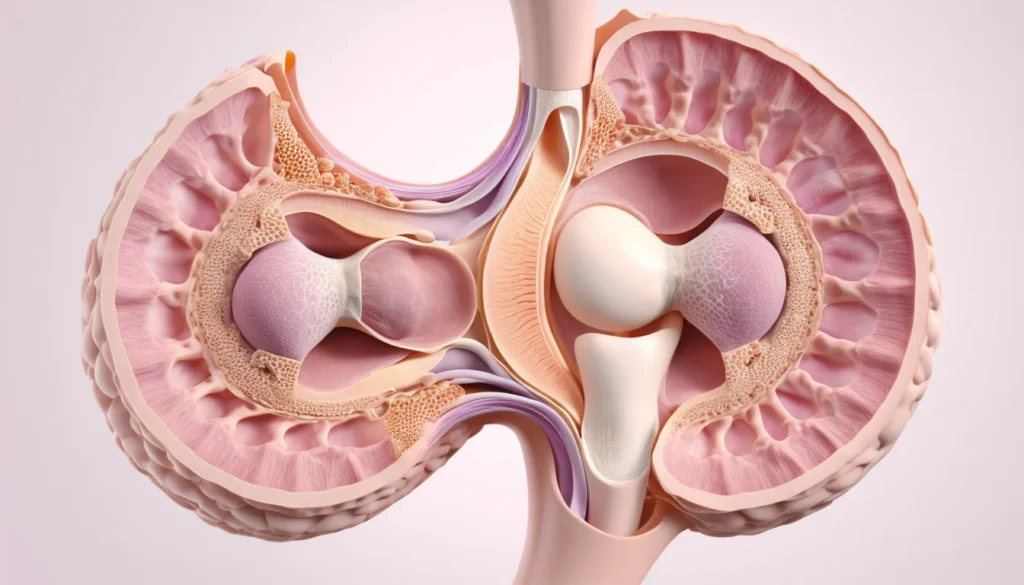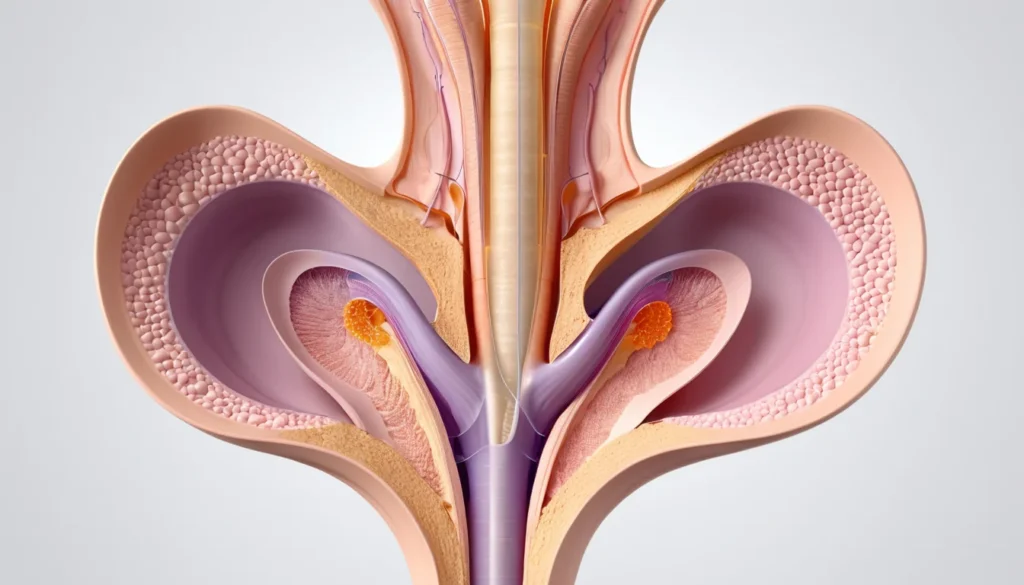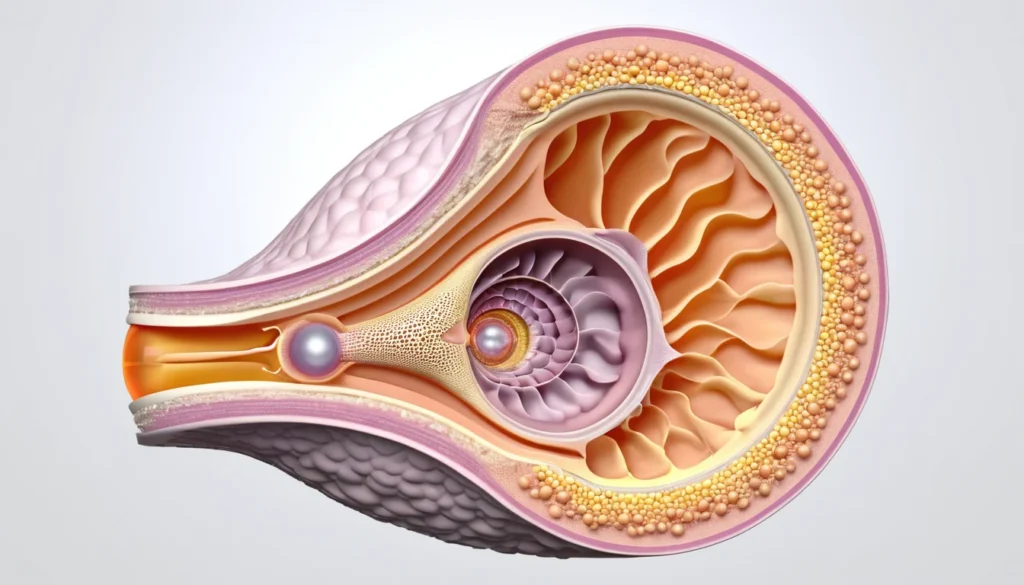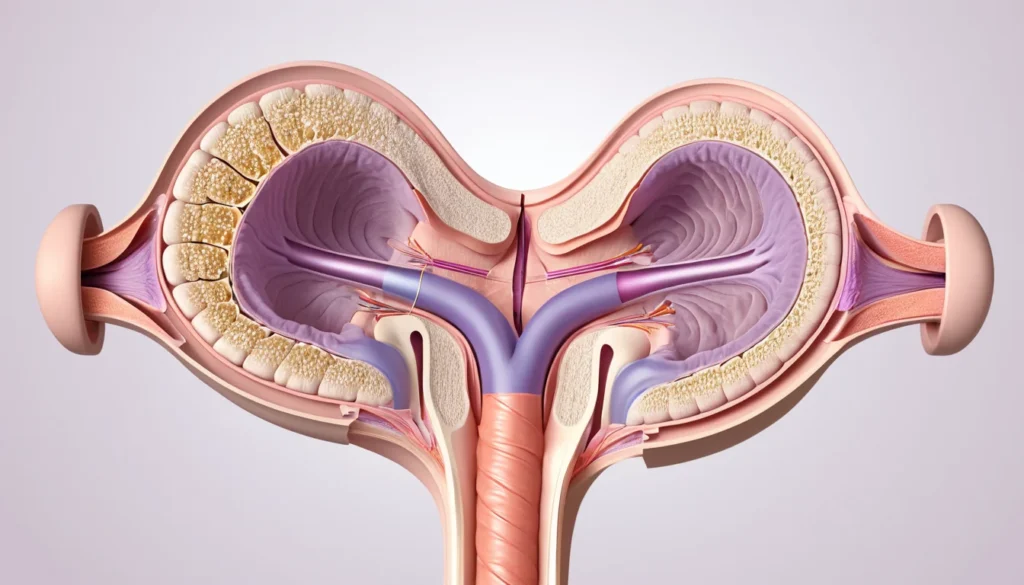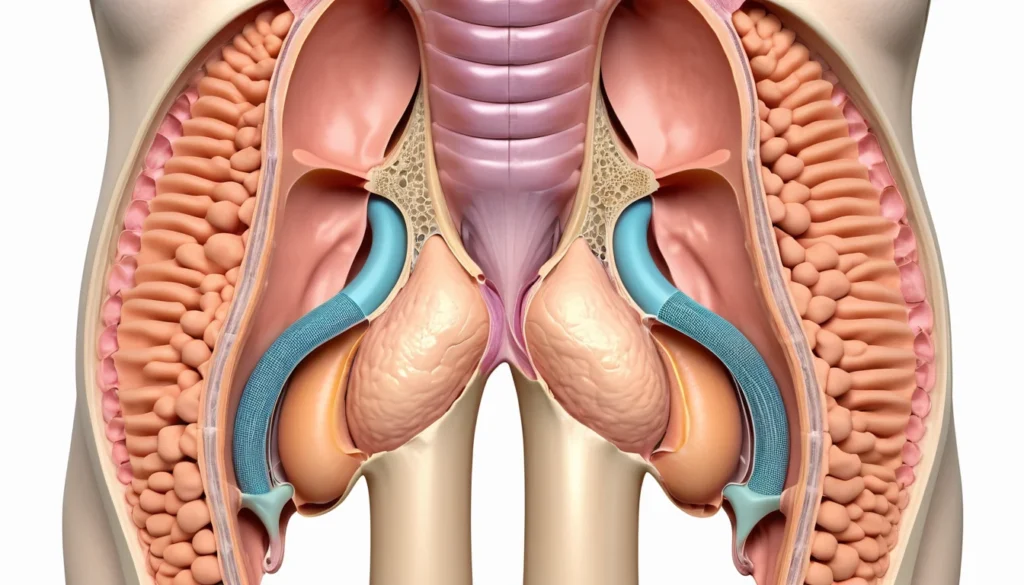
Pelvic inflammatory disease (PID) is a serious infection of a woman’s upper reproductive organs. It can affect the uterus, fallopian tubes, and ovaries. PID often develops as a complication of a sexually transmitted infection (STI), though not always. Without proper treatment, it can lead to long-term health problems, including infertility and chronic pelvic pain.
What Is Pelvic Inflammatory Disease?
Pelvic inflammatory disease is an umbrella term for infections and inflammation in the female reproductive system. It can involve several structures, including the fallopian tubes, the lining of the uterus, and the ovaries.
In some cases, pelvic inflammatory disease can spread further. It may cause a pocket of infection called a tubo-ovarian abscess. It can also lead to pelvic peritonitis, which is inflammation of the tissue lining the inside of the abdomen.
One of the most concerning features of PID is that it can be “silent.” Many women experience no symptoms at all, yet damage to the reproductive organs is still occurring. This is why awareness and regular sexual health screening are so important.
Causes of Pelvic Inflammatory Disease
PID most commonly starts when bacteria from an STI infect the cervix — the lower part of the uterus that connects to the vagina. Once the cervix is infected, other bacteria from the vagina can travel upward and infect the uterus and fallopian tubes.
The two most common bacterial causes are:
Gonorrhoea — a bacterial STI that can quickly spread to the upper reproductive organs
Chlamydia — a very common bacterial STI, particularly in younger women and teenagers
PID caused by chlamydia is especially tricky. It often produces mild symptoms or none at all. As a result, many women do not seek treatment right away, and the infection silently causes damage over time.
Bacterial Vaginosis as a Cause
Pelvic inflammatory disease can also develop from bacterial vaginosis (BV). BV happens when the natural balance of bacteria in the vagina is disrupted. The “good” bacteria decrease, and harmful bacteria increase.
When those harmful bacteria travel up to the uterus and fallopian tubes, PID can develop. It is important to note that bacterial vaginosis is not a sexually transmitted infection. However, it does raise the risk of PID. For more information on STIs and their link to PID, visit Health Canada’s sexual health resources.
Risk Factors for Pelvic Inflammatory Disease
Some women face a higher risk of developing PID than others. Understanding your risk factors can help you make informed decisions about your health.
Common risk factors include:
Being sexually active and under the age of 25
Having multiple sexual partners
Not using condoms consistently
Having a previous STI or a previous episode of PID
Having bacterial vaginosis that goes untreated
Teenagers and young adults who are sexually active carry the highest risk. This group is most likely to contract an STI, which is the leading trigger for pelvic inflammatory disease.
IUDs and PID Risk
Women who have an intrauterine device (IUD) inserted for birth control face a slightly higher risk of PID during the first month after insertion. This risk is especially true if an STI or bacterial vaginosis was present at the time of insertion.
The insertion procedure can carry bacteria from the vagina or cervix into the uterus. However, this risk is greatly reduced when a woman is tested and treated for any existing STI or BV before the IUD is inserted. If you are considering an IUD, speak with your family doctor or a sexual health clinic to discuss screening options first.
Symptoms of Pelvic Inflammatory Disease
Symptoms of pelvic inflammatory disease range widely. Some women experience severe symptoms, while others feel nothing at all. This wide range makes PID particularly dangerous, as silent infections still cause harm.
When symptoms do appear, they may include:
Dull or sharp pain in the lower abdomen or pelvis
Unusual vaginal discharge with an unpleasant odour
Irregular menstrual bleeding or spotting between periods
Pain during sex
Pain or burning when urinating
Fever, chills, or generally feeling unwell
Nausea or vomiting in more severe cases
Many women mistake mild PID symptoms for a common menstrual issue. Furthermore, because chlamydia-related PID often produces very mild signs, it is easy to overlook. If you notice any of these symptoms, do not wait — seek medical attention promptly.
Silent PID: A Hidden Danger
A significant number of women with PID have no symptoms whatsoever. This is known as subclinical or silent PID. Despite the lack of symptoms, the infection is still damaging the fallopian tubes and surrounding tissue.
Silent PID is often only discovered later, when a woman has difficulty becoming pregnant or experiences chronic pelvic pain. Regular STI screening is one of the best ways to catch infections before they progress to PID. Learn more about PID symptoms at the Mayo Clinic.
Complications of Pelvic Inflammatory Disease
If left untreated, pelvic inflammatory disease can cause serious and lasting complications. The longer the infection goes without treatment, the greater the risk of permanent damage.
The most common long-term complications include:
Infertility: About 20% of women who have had PID develop scarring in the fallopian tubes. This scarring can block the tubes and make it difficult or impossible to conceive naturally.
Chronic pelvic pain: Approximately 20% of women experience ongoing pelvic pain long after the infection has cleared. This pain can affect daily life and overall well-being.
Ectopic pregnancy: Scarring in the fallopian tubes increases the risk of a fertilised egg implanting in the tube rather than the uterus. This is a life-threatening emergency known as an ectopic pregnancy.
Tubo-ovarian abscess: In some cases, a pocket of pus forms involving the fallopian tube and ovary. This requires urgent medical treatment.
Spread of infection: PID can spread beyond the pelvis to other abdominal organs. In rare cases, it causes inflammation around the liver, a condition called perihepatitis.
Therefore, early diagnosis and treatment are critical. Most women who receive timely treatment recover fully without long-term complications.
Who Is at Greatest Risk of Complications?
Women who delay treatment, have recurrent episodes of PID, or who had silent PID for a prolonged period face the highest risk of complications. In addition, younger women whose reproductive organs are still maturing may be more vulnerable to lasting damage.
For a broader look at how reproductive tract infections affect women globally, the World Health Organization’s STI fact sheet provides helpful context.
Diagnosis and Treatment
Diagnosing pelvic inflammatory disease can be challenging because symptoms vary so much. There is no single definitive test for PID. Instead, a healthcare provider will consider your symptoms, perform a pelvic exam, and may order additional tests.
Common diagnostic steps include:
A pelvic examination to check for tenderness or abnormal discharge
Swab tests to check for gonorrhoea and chlamydia
Blood tests to look for signs of infection or inflammation
An ultrasound to check for abscesses or other abnormalities
In some cases, a laparoscopy — a small camera inserted into the abdomen — may be used to confirm the diagnosis
How Is PID Treated?
PID is treated with antibiotics. Because multiple types of bacteria can cause PID, doctors typically prescribe a combination of antibiotics to cover a broad range of organisms. It is very important to complete the full course of antibiotics, even if you start feeling better early.
In most cases, treatment can be completed at home with oral antibiotics. However, more severe cases — such as those involving a tubo-ovarian abscess, high fever, or pregnancy — may require hospitalisation and intravenous (IV) antibiotics.
Sexual partners should also be tested and treated, even if they have no symptoms. This helps prevent reinfection. Avoiding sexual activity until both partners have completed treatment is strongly advised.
When to See a Doctor
If you experience any pelvic pain, unusual discharge, or other symptoms of pelvic inflammatory disease, do not wait. Contact your family doctor or visit a walk-in clinic as soon as possible. Early treatment dramatically reduces your risk of complications.
If your symptoms are severe — such as intense pelvic pain, high fever, vomiting, or signs of shock — go to your nearest hospital emergency department immediately. A tubo-ovarian abscess or a ruptured ectopic pregnancy can be life-threatening and requires urgent care.
Even if you have no symptoms, regular STI screening is recommended if you are sexually active, especially if you are under 25 or have multiple partners. Most provincial health plans in Canada cover STI testing. Ask your family doctor, visit a sexual health centre, or check with your local public health unit about free or low-cost testing options in your area.
Always consult a qualified healthcare provider for a proper diagnosis and treatment plan. The information in this article is for general educational purposes only and does not replace professional medical advice.
Frequently Asked Questions About Pelvic Inflammatory Disease
Can pelvic inflammatory disease go away on its own?
Pelvic inflammatory disease does not reliably go away without treatment. Without antibiotics, the infection can silently continue to damage the fallopian tubes and other reproductive organs. If you suspect you have PID, see your family doctor or visit a walk-in clinic promptly.
How do you get pelvic inflammatory disease?
Pelvic inflammatory disease most commonly develops when bacteria from a sexually transmitted infection — such as chlamydia or gonorrhoea — travel from the cervix up into the uterus and fallopian tubes. It can also result from bacterial vaginosis, even without an STI. Using condoms consistently and getting regular STI testing significantly lowers your risk.
Can pelvic inflammatory disease affect my ability to get pregnant?
Yes, pelvic inflammatory disease can affect fertility. Repeated or untreated episodes of PID can cause scarring in the fallopian tubes, making it harder to conceive. Approximately 20% of women who have had PID develop some degree of tubal scarring. Early diagnosis and treatment greatly reduce this risk.
What does pelvic inflammatory disease feel like?
Some women with pelvic inflammatory disease feel dull or sharp lower abdominal pain, notice unusual vaginal discharge, or experience pain during sex or urination. However, many women feel no symptoms at all. This is why PID is sometimes called a “silent” infection and why regular STI screening is so important.
Is pelvic inflammatory disease an STI?
Pelvic inflammatory disease itself is not classified as an STI, but it is most often caused by one. STIs like chlamydia and gonorrhoea are the most common triggers of PID. In some cases, PID can develop from bacterial vaginosis, which is not sexually transmitted.
How is pelvic inflammatory disease diagnosed in Canada?
In Canada, a doctor diagnoses pelvic inflammatory disease based on your symptoms, a pelvic examination, and lab tests such as STI swabs and blood work. An ultrasound may also be used to check for complications like an abscess. STI testing is covered under most provincial health plans, so speak with your family doctor or visit a sexual health centre.
Key Takeaways
Pelvic inflammatory disease is an infection of the upper female reproductive organs, including the uterus, fallopian tubes, and ovaries.
It is most often caused by STIs such as chlamydia and gonorrhoea, but can also result from bacterial vaginosis.
PID can be silent — causing no symptoms — while still damaging reproductive organs.
Untreated PID can lead to infertility, chronic pelvic pain, and ectopic pregnancy.
Treatment with antibiotics is effective, especially when started early. Complete the full course of medication.
Regular STI screening is one of the most important steps sexually active Canadians can take to prevent PID and its complications.
If you have symptoms or concerns, speak with your family doctor, visit a walk-in clinic, or contact your local sexual health centre. Most provincial health plans in Canada cover STI testing.