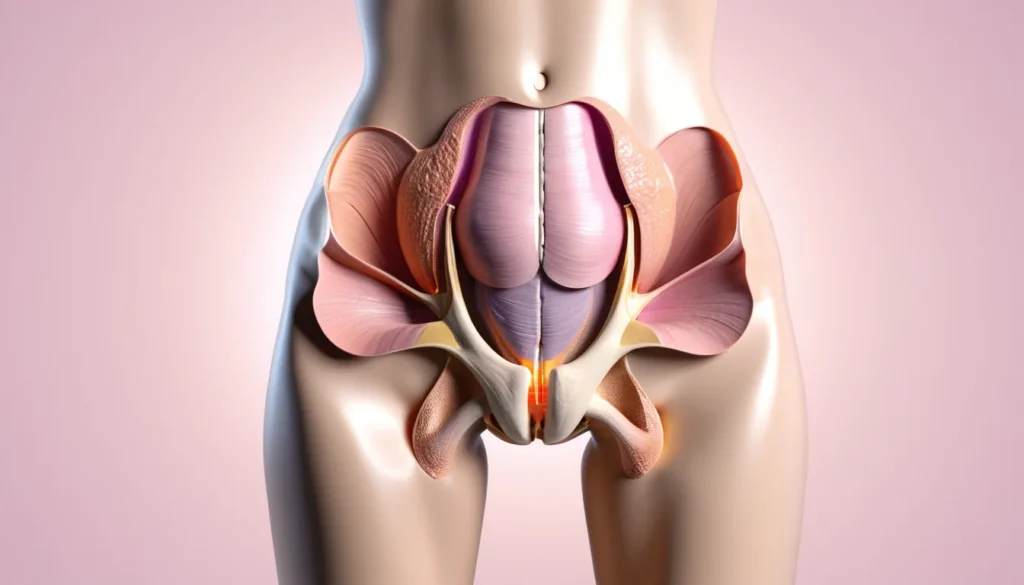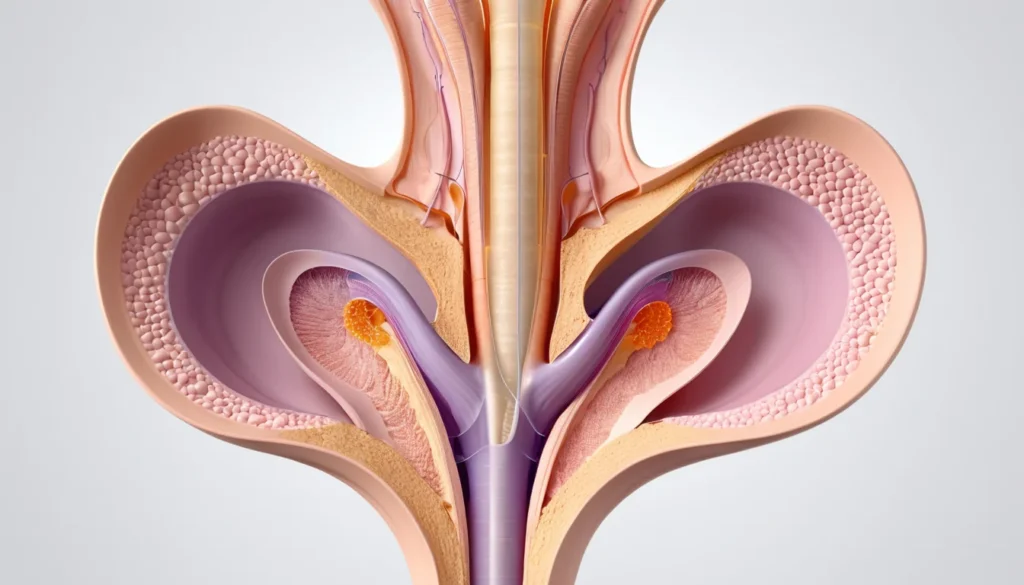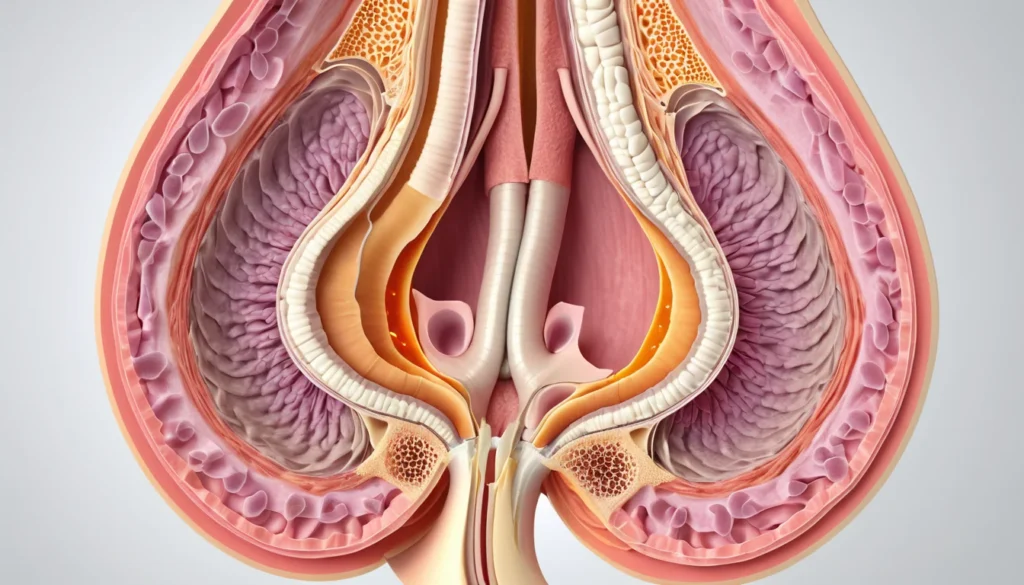
Pelvic inflammatory disease (PID) is a serious infection of the female reproductive organs. It is one of the most severe complications of sexually transmitted infections (STIs) in women. Left untreated, PID can cause permanent damage to the uterus, ovaries, and fallopian tubes. In fact, it is one of the leading preventable causes of infertility in women.
What Is Pelvic Inflammatory Disease?
Pelvic inflammatory disease occurs when bacteria spread from the vagina or cervix into the upper reproductive tract. This includes the uterus, fallopian tubes, and ovaries. The infection causes inflammation and, over time, can lead to lasting damage.
PID is closely linked to sexually transmitted infections. However, it can also develop after certain medical procedures or events that affect the reproductive tract. Understanding what PID is — and what causes it — is the first step toward protecting your health.
How Common Is Pelvic Inflammatory Disease?
PID is more common than many people realize. Each year, hundreds of thousands of women across North America experience at least one episode of PID. As a result, a significant number of those women face long-term complications, including infertility.
Ectopic pregnancy — a pregnancy that develops outside the uterus — is also strongly linked to PID. This is a life-threatening condition that requires emergency care. Furthermore, rates of PID are highest among teenage girls and young women, making early education and regular STI screening especially important.
In Canada, sexual health services are covered under most provincial and territorial health plans. Talk to your family doctor or visit a walk-in clinic if you have any concerns about STIs or pelvic health.
Causes of Pelvic Inflammatory Disease
Under normal circumstances, the cervix acts as a barrier. It prevents bacteria from reaching the internal reproductive organs. However, when the cervix becomes infected — particularly with an STI — that protective barrier breaks down.
Gonorrhoea and chlamydia are the two most common causes of PID. Together, these untreated infections are responsible for roughly 90% of all PID cases. This is why regular STI testing is so important, especially since both infections often cause no symptoms at all.
Other Causes of PID
In addition to STIs, PID can develop following certain medical events or procedures. These include:
Childbirth
Miscarriage or abortion
Insertion of an intrauterine device (IUD)
Pelvic surgery or procedures
In these cases, bacteria that are normally harmless in the vagina may travel upward into the reproductive organs. Therefore, proper medical care and follow-up after any pelvic procedure is essential.
According to Health Canada, chlamydia is the most commonly reported STI in the country. Many infections go undiagnosed because symptoms are often absent. This makes routine screening a critical part of women’s health care.
Symptoms of Pelvic Inflammatory Disease
The symptoms of pelvic inflammatory disease can vary widely from person to person. Some women experience severe symptoms, while others have very mild ones. In some cases, there are no noticeable symptoms at all — which is part of what makes PID so dangerous.
However, when symptoms do appear, they may include a range of signs affecting the abdomen, pelvis, and overall wellbeing. Recognizing these signs early can make a significant difference in treatment outcomes.
Common Symptoms to Watch For
Dull aching or tenderness in the lower abdomen or pelvis
Pain in the upper right abdomen (less common)
Unusual vaginal discharge that is yellow or green, or has an unpleasant odour
Irregular or painful menstrual periods
Pain or burning during urination
Abdominal cramping
Fever or chills
Nausea or vomiting
Pain during sexual intercourse
If you experience several of these symptoms together — especially fever combined with pelvic pain — seek medical attention promptly. Early treatment can prevent serious complications.
Risk Factors for Pelvic Inflammatory Disease
Certain factors can increase a woman’s chances of developing pelvic inflammatory disease. Being aware of these risk factors helps you and your doctor make informed decisions about screening and prevention.
Who Is Most at Risk?
Women with STIs: Those diagnosed with gonorrhoea or chlamydia face a significantly higher risk of PID.
Women with a history of PID: Having had PID once increases the likelihood of getting it again.
Sexually active teenagers and young women: Younger women face a higher biological risk because the cervix is not yet fully mature.
Women with multiple sexual partners: A greater number of partners increases exposure to STIs, and therefore the risk of PID.
In addition, some research suggests that douching (vaginal rinsing) may increase the risk of PID. Douching can push bacteria further into the reproductive tract. It can also wash away normal discharge, which sometimes serves as an early warning sign that something is wrong. Most health professionals strongly advise against douching for this reason.
For more detailed information on STI-related risks, visit the World Health Organization’s fact sheet on sexually transmitted infections.
Complications of Untreated PID
When pelvic inflammatory disease is not treated promptly, it can lead to serious and lasting health problems. These complications can affect fertility, overall reproductive health, and even be life-threatening in some cases.
Long-Term Health Consequences
Scar tissue can form inside the fallopian tubes and surrounding structures after an episode of PID. This scarring can partially or completely block the tubes. As a result, eggs cannot travel properly, which leads to infertility or ectopic pregnancy.
Furthermore, repeated episodes of PID cause progressively more damage. Women who have had PID three or more times face a very high risk of permanent infertility. Chronic pelvic pain is also a common long-term consequence, significantly affecting quality of life.
In rare but serious cases, a pocket of infected fluid called a tubo-ovarian abscess can form in the reproductive tract. This is a medical emergency that requires immediate hospital care. If you experience sudden, severe pelvic pain with fever, go to your nearest emergency department right away.
Diagnosis and Treatment of Pelvic Inflammatory Disease
There is no single test that definitively diagnoses PID. Instead, doctors typically assess a combination of symptoms, physical examination findings, and lab results. Your doctor may perform a pelvic exam, take swabs for STI testing, order blood work, or arrange an ultrasound.
Treatment for PID almost always involves antibiotics. In mild to moderate cases, oral antibiotics prescribed by your doctor are effective. More severe cases may require intravenous antibiotics in a hospital setting.
Important Points About Treatment
It is essential to complete the full course of antibiotics, even if you start feeling better quickly. Stopping treatment early can allow the infection to return, often in a more resistant form. Your sexual partner or partners should also be tested and treated to prevent reinfection.
According to Mayo Clinic’s guidance on PID treatment, prompt treatment is the single most important factor in preventing long-term complications. The sooner PID is identified and treated, the better the outcome.
When to See a Doctor
You should see a doctor any time you have symptoms that concern you — especially pelvic pain, unusual discharge, or fever. Do not wait to see if symptoms improve on their own. PID can cause irreversible damage in a short period of time.
In Canada, you have several convenient options for care. Your family doctor is always a great first point of contact. If you do not have a family doctor, a walk-in clinic can provide assessment and treatment. Many walk-in clinics also offer STI testing.
If you experience sudden and severe symptoms — such as intense pelvic pain, high fever, or vomiting — go directly to your nearest emergency department. These symptoms may indicate a serious complication that requires immediate attention.
Remember, most provincial and territorial health plans in Canada cover visits for STI testing and treatment. There is no reason to delay care due to cost concerns. Your health comes first.
Prevention: Reducing Your Risk of PID
The most effective way to prevent pelvic inflammatory disease is to reduce your risk of STIs. This includes using condoms consistently and correctly during sexual activity. Regular STI screening is also strongly recommended, particularly for sexually active young women.
Open and honest communication with your healthcare provider about your sexual health is important. There is no judgement — your doctor is there to help. Early detection and treatment of STIs like chlamydia and gonorrhoea can prevent them from ever progressing to PID.
Additionally, avoid douching. It disrupts the natural balance of bacteria in the vagina and may increase your risk of infection spreading upward. The vagina is self-cleaning, and douching does more harm than good.
Frequently Asked Questions About Pelvic Inflammatory Disease
What are the first signs of pelvic inflammatory disease?
The first signs of pelvic inflammatory disease often include dull pain or tenderness in the lower abdomen, unusual vaginal discharge with an unpleasant odour, and sometimes a low-grade fever. However, some women with PID have very mild or no symptoms at all. This is why regular STI screening is so important for sexually active women.
Can pelvic inflammatory disease go away on its own?
No — pelvic inflammatory disease does not go away on its own and requires antibiotic treatment prescribed by a doctor. Leaving PID untreated can lead to serious complications, including permanent infertility and ectopic pregnancy. If you suspect you have PID, see your family doctor or visit a walk-in clinic as soon as possible.
Can you get pelvic inflammatory disease without having an STI?
While sexually transmitted infections like chlamydia and gonorrhoea cause the majority of pelvic inflammatory disease cases, PID can sometimes occur without an STI. It can develop after childbirth, miscarriage, abortion, or certain pelvic procedures. In these situations, bacteria that are normally present in the vagina can spread upward into the reproductive tract.
How is pelvic inflammatory disease diagnosed in Canada?
In Canada, pelvic inflammatory disease is diagnosed based on a combination of physical examination, symptoms, STI swabs, blood tests, and sometimes a pelvic ultrasound. There is no single definitive test for PID. Your family doctor or a walk-in clinic can assess your symptoms and arrange the appropriate testing, all covered under most provincial health plans.
Does pelvic inflammatory disease always cause infertility?
No, pelvic inflammatory disease does not always cause infertility, especially when it is diagnosed and treated quickly. However, repeated episodes of PID or untreated infections significantly increase the risk of scarring in the fallopian tubes, which can lead to infertility. Prompt treatment is the best way to protect your future fertility.
Is pelvic inflammatory disease covered under Canadian provincial health plans?
Yes, diagnosis and treatment for pelvic inflammatory disease is covered under most provincial and territorial health insurance plans in Canada. This includes doctor visits, STI testing, and prescribed antibiotics through your provincial drug benefit programme if eligible. Speak with your family doctor or visit a walk-in clinic — there is no need to delay care due to cost.
Key Takeaways
Pelvic inflammatory disease is a serious infection of the female reproductive organs, most often caused by untreated STIs such as chlamydia and gonorrhoea.
PID can cause permanent damage, including infertility and ectopic pregnancy, if left untreated.
Symptoms include pelvic pain, unusual vaginal discharge, fever, and painful urination — but some women have no symptoms at all.
Young women and sexually active teenagers face the highest risk of developing PID.
Treatment with antibiotics is effective, especially when started early. Always complete the full course.
Prevention includes consistent condom use, regular STI screening, and avoiding douching.
In Canada, assessment and treatment for PID is covered under most provincial health plans. See your family doctor or visit a walk-in clinic if you have concerns.
Always consult your doctor or a qualified healthcare provider if you experience symptoms of PID or have questions about your sexual and reproductive health.