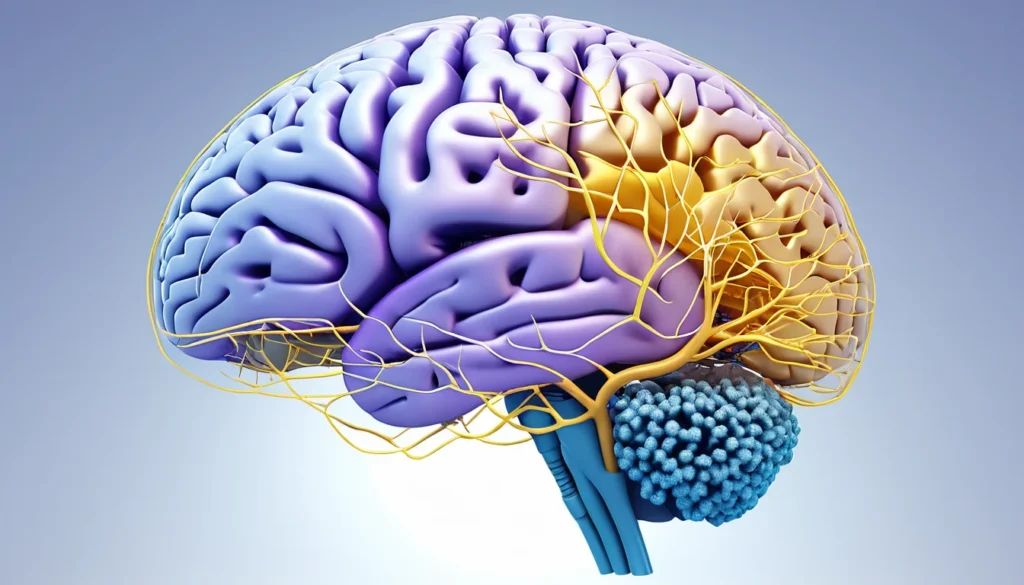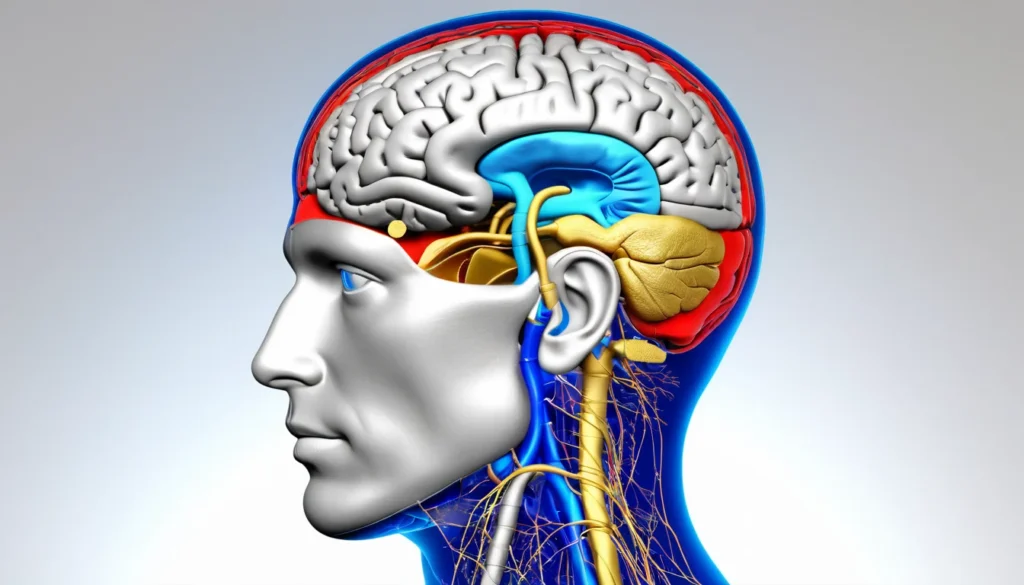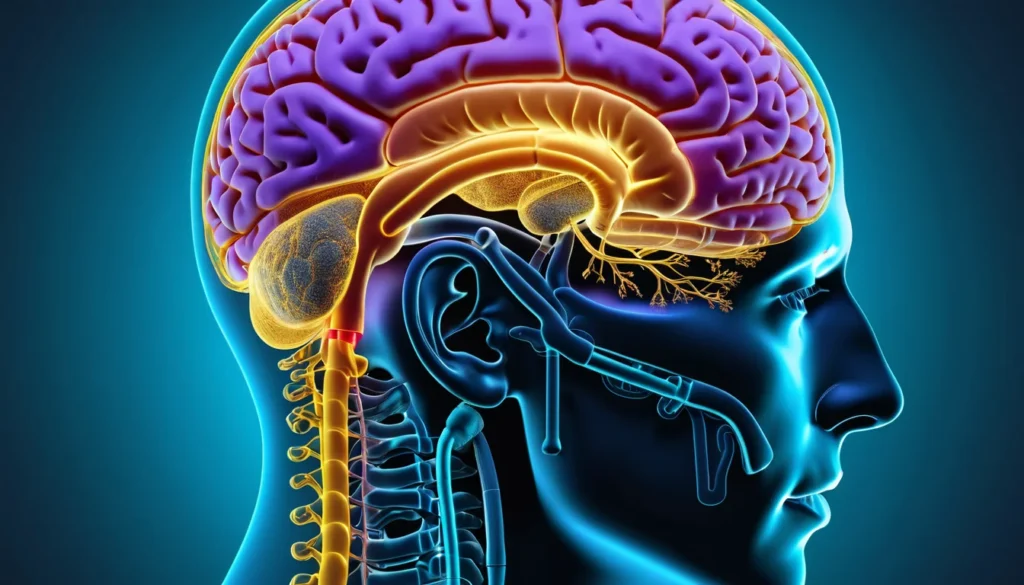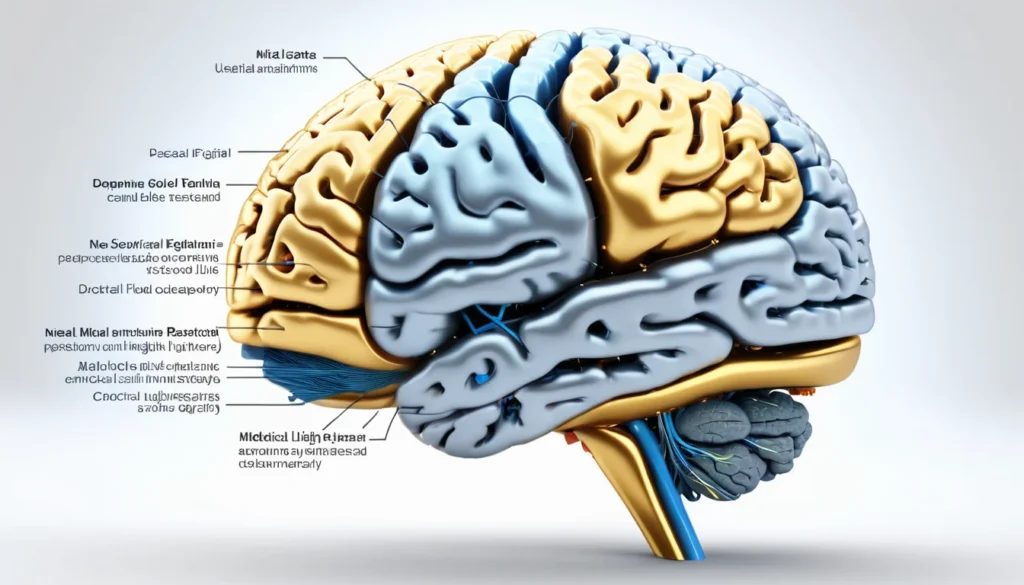
Parkinson’s disease is a neurological condition that affects people differently from one person to the next. It develops when the brain produces too little of a chemical called dopamine, which leads to changes in a part of the brain that controls movement. Understanding the symptoms early can make a real difference in how well it is managed.
What Is Parkinson’s Disease?
Parkinson’s disease causes the brain cells that produce dopamine to break down over time. Dopamine is a chemical messenger that helps coordinate smooth, controlled movement. When dopamine levels drop, the brain struggles to send the right signals to the muscles.
The condition is not fully understood, even by researchers. However, we do know it leads to three core problems: rhythmic muscle tremors, stiffness in the limbs, and a gradual loss of muscle control. Surprisingly, not everyone with Parkinson’s disease experiences tremors, especially in the early stages.
For more background, the World Health Organization provides an overview of Parkinson’s disease and its global impact.
Who Is Most at Risk of Parkinson’s Disease?
The average age of diagnosis is around 62 years old. About 5 to 10 percent of cases occur in people under 50, which doctors call early-onset Parkinson’s. Men are about 1.5 times more likely to develop the condition than women.
Family history also plays a role. If a close relative has been diagnosed, your own risk is somewhat higher. That said, most people who develop Parkinson’s disease have no family history of it at all.
In Canada, tens of thousands of people live with this diagnosis. Many receive it later than ideal, simply because the early signs are easy to overlook or mistake for normal aging.
Early Signs of Parkinson’s Disease
The early symptoms of Parkinson’s disease are often subtle. They tend to develop slowly, sometimes over 20 years, before becoming clearly noticeable. Recognising them early gives you and your doctor more treatment options.
Common Early Warning Signs
Here are some early signs to watch for:
A slight tremor in a finger, hand, foot, or lip
Stiffness in the body and difficulty walking smoothly
Trouble getting up from a chair
Smaller, cramped handwriting than usual
A forward-leaning posture
A reduced or “frozen” facial expression
Understanding the Tremor
Tremor is the most recognised symptom of Parkinson’s disease, appearing in about 70 percent of cases. It usually starts in the fingers when the hand is resting, not when it is being used. You may notice a rhythmic movement of about 4 to 6 beats per second.
A classic pattern is a rolling motion between the thumb and index finger, sometimes called a “pill-rolling” tremor. However, tremor alone does not confirm Parkinson’s. Other conditions can also cause shaking, so it is important to get a proper assessment.
Slowed Movement (Bradykinesia)
Another early sign is bradykinesia, which simply means unusually slow movement. Some slowing down is a normal part of aging. However, when your body seems to “freeze” mid-movement or takes a long time to respond, that is worth discussing with your doctor.
Bradykinesia can also cause a shuffling walk and a flat, expressionless face. These two signs are among the most recognisable features of Parkinson’s disease as it progresses.
Advanced Symptoms of Parkinson’s Disease
As Parkinson’s disease advances, the physical changes become more pronounced. Posture shifts noticeably, with the shoulders rounding forward and the head tilting down. Balance problems become more common, raising the risk of falls.
Physical Symptoms
Muscle stiffness increases over time. The muscles may contract and stay rigid, which prevents the arms from swinging naturally while walking. Cramping and muscle pain can follow as a result.
Other advanced physical symptoms may include:
Restless or disturbed sleep and daytime fatigue
A quiet voice or slurred speech
Difficulty swallowing
Oily skin and dandruff
Recurring constipation, because the digestive system slows down
Cognitive and Emotional Symptoms
Beyond physical changes, some people with Parkinson’s disease experience memory problems, confusion, or in some cases, dementia. These changes do not affect everyone, but they are worth knowing about.
Feelings of anxiety, depression, and fear are also common. They often arise after receiving the diagnosis, though they can develop at any stage. Furthermore, some people experience sexual difficulties and problems with bladder control.
According to the Mayo Clinic’s guide to Parkinson’s disease symptoms, these non-motor symptoms are just as important to address as the physical ones.
How Is Parkinson’s Disease Diagnosed?
There is no single test that confirms Parkinson’s disease. Doctors typically reach a diagnosis through a physical and neurological exam. Brain scans like CT scans are not usually used to diagnose Parkinson’s, but they can help rule out other conditions.
During a physical exam, your doctor may ask you to:
Tap your index finger and thumb together quickly, to check for slowed movement
Hold your hand still, so any tremor can be observed
Move your neck, arms, and legs, so the doctor can check for stiffness
Lean back slightly while standing, to test your balance
Getting an accurate diagnosis early is important. In Canada, your family doctor is usually the first step. They can refer you to a neurologist for a more detailed assessment.
Diet and Lifestyle Tips for Parkinson’s Disease
A healthy lifestyle plays an important supporting role in managing Parkinson’s disease. While there is no cure, good habits can help ease symptoms and improve quality of life.
What to Eat
A balanced diet rich in calcium and vitamin D helps keep bones strong, which is especially important given the higher risk of falls. Foods high in fibre, eaten alongside plenty of fluids, help prevent constipation — a very common problem with Parkinson’s.
Protein can interfere with some Parkinson’s medications. To reduce this effect, try taking your medication about 30 minutes before meals. Talk to your doctor or a registered dietitian for personalised guidance.
In addition, try to choose produce that has not been heavily treated with pesticides or insecticides. Some research suggests these chemicals may worsen neurological symptoms. Healthline offers a detailed look at diet recommendations for Parkinson’s disease.
Daily Habits That Help
Staying well hydrated throughout the day supports both digestion and overall wellbeing. Avoid sudden or fast movements, as these increase the risk of falls and injury.
An occupational therapist can help you adapt daily tasks to stay safe and independent at home. Many provincial health plans in Canada cover occupational therapy, so ask your family doctor for a referral. Psychotherapy can also be very helpful in managing anxiety and depression linked to the condition.
When to See a Doctor
If you or someone you care for notices any of the early signs of Parkinson’s disease, do not wait. Book an appointment with your family doctor as soon as possible. Early diagnosis gives you more options and more time to plan.
If you do not have a family doctor, a walk-in clinic can be a good starting point. The doctor there can order initial tests and refer you to a neurologist. Most provincial health plans in Canada cover these visits at no direct cost to you.
It is also worth speaking to your doctor if symptoms you already know about seem to be getting worse. Changes in behaviour, mood, speech, or balance are all worth reporting promptly.
Always consult your family doctor or a qualified healthcare provider before making any changes to your treatment or lifestyle. The information in this article is for general educational purposes only.
Frequently Asked Questions About Parkinson’s Disease
What are the first signs of Parkinson’s disease?
The earliest signs of Parkinson’s disease often include a slight tremor in one hand or finger, stiffness when walking, and smaller handwriting. These symptoms can be easy to overlook because they develop slowly over many years. If you notice any of these changes, speak with your family doctor.
Is Parkinson’s disease fatal?
Parkinson’s disease itself is not typically considered fatal, and many people with the condition have a near-normal life expectancy. However, complications such as falls, infections, or swallowing difficulties can become serious over time. With good medical care and support, most people manage the condition well for many years.
What causes Parkinson’s disease?
Parkinson’s disease is caused by the gradual loss of brain cells that produce dopamine, a chemical that controls movement. The exact reason these cells break down is not fully understood. Both genetic factors and environmental exposures, such as pesticides, may play a role.
Can Parkinson’s disease be cured?
There is currently no cure for Parkinson’s disease, but there are effective treatments that help manage the symptoms. Medications, physiotherapy, occupational therapy, and lifestyle changes can all improve quality of life. Research into new treatments is ongoing worldwide.
Does everyone with Parkinson’s disease get tremors?
No — not everyone with Parkinson’s disease experiences tremors, particularly in the early stages. Tremors appear in about 70 percent of cases but are not present in all patients. Other symptoms, such as stiffness and slow movement, can appear without any noticeable shaking.
How is Parkinson’s disease treated in Canada?
In Canada, Parkinson’s disease is typically managed through a combination of prescription medications, physiotherapy, and specialist care covered under most provincial health plans. Your family doctor will usually refer you to a neurologist for ongoing treatment. Support from occupational therapists and mental health professionals is also commonly recommended.
Key Takeaways
Parkinson’s disease is a neurological condition caused by low dopamine levels in the brain.
Early signs include resting tremors, stiffness, slow movement, and changes in posture or facial expression.
Symptoms develop gradually, sometimes over 20 years, so early recognition matters.
Men over 60 are at the highest risk, though younger people and women are also affected.
Advanced symptoms can include sleep problems, speech changes, constipation, and mood changes.
A high-fibre diet, good hydration, regular movement, and avoiding pesticide-heavy foods all support better health outcomes.
In Canada, your family doctor or a walk-in clinic is the right first step if you notice any symptoms.
There is no cure yet, but early treatment significantly improves quality of life.