Recognizing Parkinson’s disease symptoms early can make a real difference in how well the condition is managed. Parkinson’s disease is a progressive neurological disorder that affects movement, mood, and many other body functions. In Canada, an estimated 100,000 people live with this condition — and that number is growing. This article explains the key warning signs to watch for, in plain language.
What Is Parkinson’s Disease?
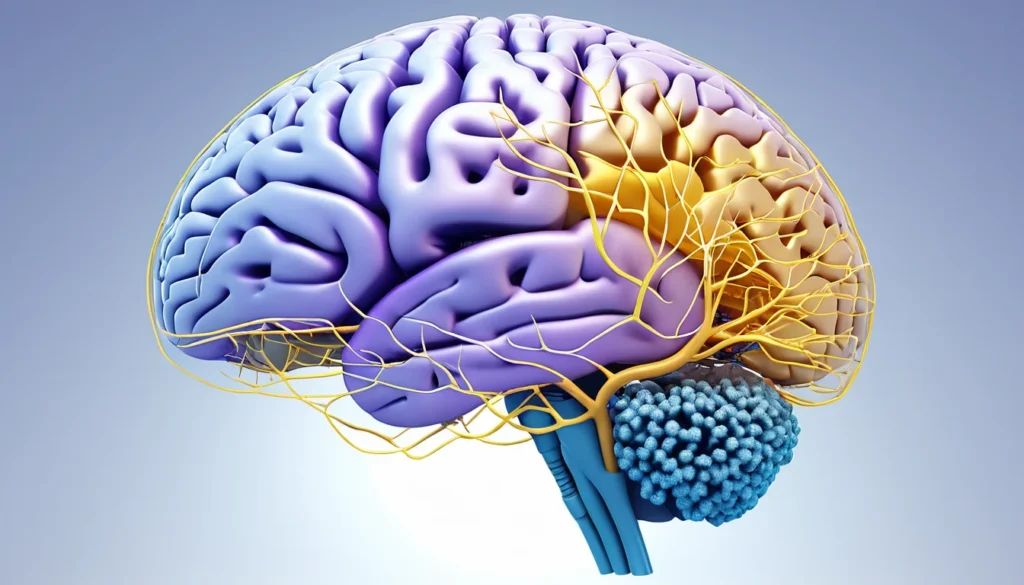
Parkinson’s disease is a condition where the brain gradually stops producing enough dopamine. Dopamine is a chemical that helps control smooth, coordinated movement. Without enough of it, the brain struggles to send proper movement signals to the body.
The disease is progressive, meaning it worsens over time. However, symptoms often develop slowly and vary from person to person. For more background, the World Health Organization’s overview of Parkinson’s disease provides a helpful starting point.
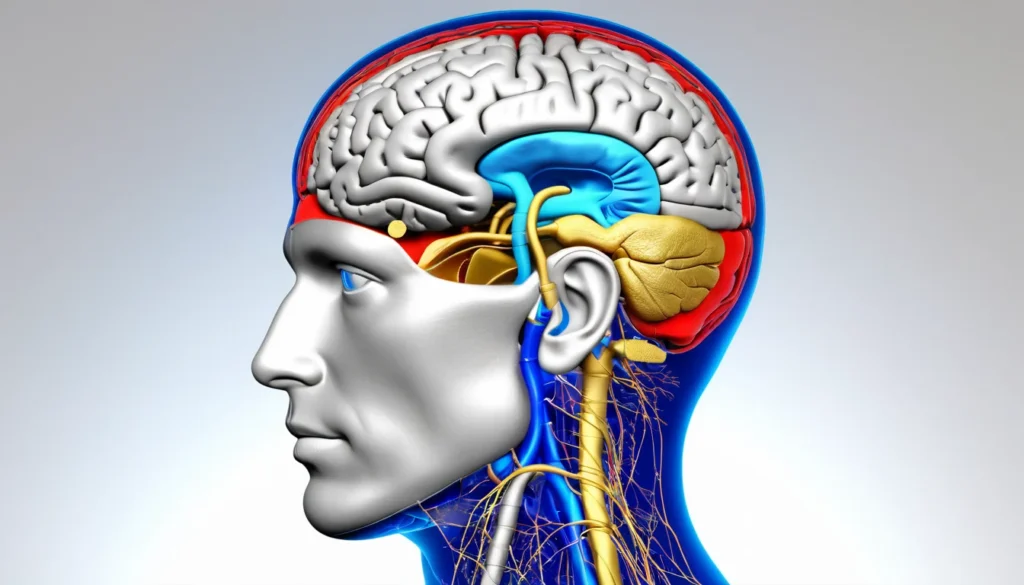
Parkinson’s affects more than just movement. It can also impact sleep, digestion, mood, and even your sense of smell. Understanding the full picture helps Canadians and their families know what to look out for.
Early Parkinson’s Disease Symptoms to Watch For
Early Parkinson’s disease symptoms can be easy to miss. They often start on one side of the body and may seem minor at first. Over time, these signs typically spread and become more noticeable.
Resting Tremor
A tremor at rest is one of the most well-known early signs. This is a slow, rhythmic shaking that happens when the hand or limb is relaxed — not during movement. It often looks like a “pill-rolling” motion between the thumb and fingers.
The tremor usually affects the hands, fingers, or chin. It tends to get worse during emotional stress and disappears during sleep. Importantly, it also stops when the person intentionally moves the affected limb.
Slowness of Movement (Bradykinesia)
Bradykinesia means slowness of movement. People with this symptom feel as though every action takes extra effort — like moving through water. Simple tasks like buttoning a shirt or getting out of a chair become noticeably harder.
Movements also become smaller in range over time. This slowness is one of the core Parkinson’s disease symptoms that doctors look for during diagnosis.
Muscle Stiffness (Rigidity)
Muscle rigidity means the muscles feel unusually stiff and tight. This stiffness can affect any part of the body, including the arms, legs, neck, and back. It often causes muscle aches and discomfort.
A doctor may notice what is called “cogwheel rigidity” — a ratchet-like resistance when they move your arm or wrist. This is a clinical sign that helps confirm a Parkinson’s diagnosis.
Changes in Handwriting
Micrographia is the term for writing that becomes unusually small and cramped. Many people with early Parkinson’s notice their handwriting shrinking over time. Letters may crowd together and become harder to read.
This happens because the brain’s control over fine motor movements is affected. If you or a family member notice this change, it is worth mentioning to a family doctor.
Motor Symptoms That Affect Balance and Posture
As Parkinson’s progresses, it affects how a person stands and walks. These changes can increase the risk of falls, which is a serious concern for older Canadians.
Postural Instability
People with Parkinson’s often develop a slightly stooped, forward-leaning posture. Balancing becomes more difficult, especially when turning or stopping suddenly. Walking may look shuffled, with short steps and reduced arm swing.
In some cases, a person may experience “freezing” — a sudden, brief inability to move the feet forward. This can be startling and dangerous, particularly on stairs or in crowded spaces.
Facial Masking
Reduced dopamine affects the muscles of the face too. People with Parkinson’s may develop a “masked” expression — a blank, fixed look that does not reflect their actual emotions. Blinking becomes less frequent as well.
Family members sometimes notice this before the person with Parkinson’s does. If a loved one seems less expressive or rarely smiles, it is worth discussing with a healthcare provider. This symptom can also affect speech, making it slower and more monotone.
Non-Motor Parkinson’s Disease Symptoms
Not all Parkinson’s disease symptoms involve movement. Many non-motor symptoms appear early — sometimes even before the tremors or stiffness begin. These are often overlooked or mistaken for other health issues.
Loss of Smell (Anosmia)
A reduced or lost sense of smell is one of the earliest known signs of Parkinson’s. Many people notice that familiar foods smell different or that their appetite has changed. This symptom can appear years before any movement problems develop.
Because loss of smell has many possible causes, it is not a definitive sign on its own. However, combined with other symptoms, it is an important clue for doctors.
Constipation and Digestive Changes
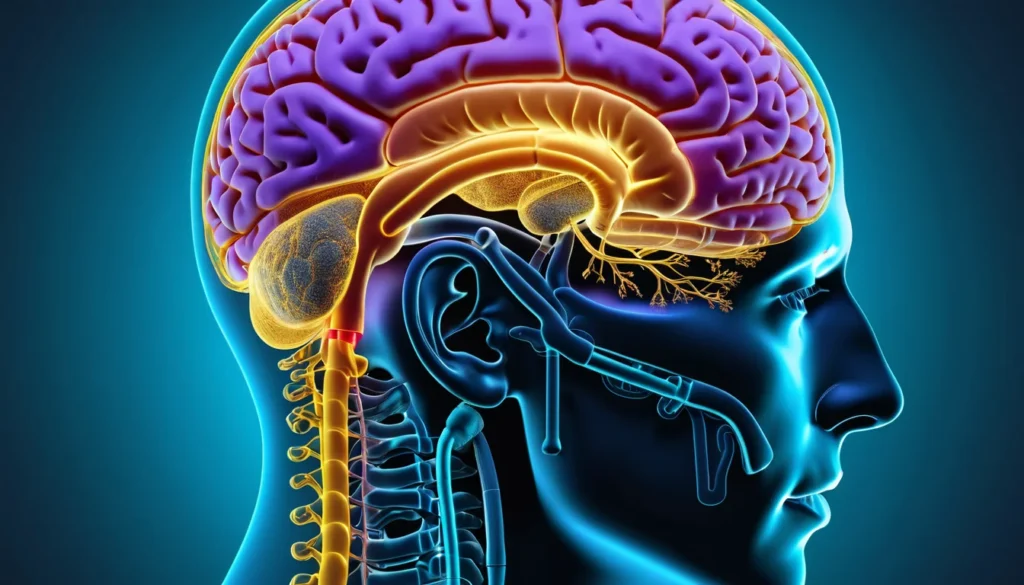
Parkinson’s affects the nervous system throughout the body, including the digestive tract. Chronic constipation is a very common early complaint. The gut’s movement slows down, making it harder to have regular bowel movements.
This symptom is often dismissed as a diet issue. However, persistent constipation that does not improve with more fibre and water is worth discussing with your family doctor.
Sleep Disturbances
People with Parkinson’s often experience significant sleep problems. These include excessive daytime sleepiness, vivid nightmares, and acting out dreams physically — sometimes called REM sleep behaviour disorder.
A person may thrash, kick, or shout during sleep. In fact, this sleep behaviour disorder can appear years before other Parkinson’s symptoms. If a bed partner reports these behaviours, it is important to seek medical advice promptly.
Anxiety and Depression
Mental health changes are a recognised part of Parkinson’s disease, not just a reaction to being diagnosed. Anxiety can appear early, sometimes as unexplained panic attacks or a general sense of fear and unease. The heart may race and the mind may feel overwhelmed — even without an obvious trigger.
Depression is also common. It shows up as a loss of interest in daily activities and an inability to feel pleasure in things that once brought joy. These are neurological symptoms, not signs of weakness, and they can be treated effectively.
Fatigue
Persistent fatigue is another frequently overlooked symptom. A person may feel completely exhausted even after a full night of sleep. This type of tiredness goes beyond normal tiredness — it does not improve with rest alone.
If fatigue lasts more than two weeks without a clear cause, it is a good reason to visit your family doctor or a walk-in clinic.
Personality and Cognitive Changes
Some people with Parkinson’s notice changes in their thinking and personality. They may find it harder to concentrate, plan tasks, or make decisions. Impulsivity and distractibility can also increase.
Personality shifts — such as becoming more withdrawn, rigid in thinking, or less engaged socially — may be noticed by family members first. These changes are part of how Parkinson’s affects the brain beyond movement. Mayo Clinic’s guide to Parkinson’s disease offers a detailed explanation of both motor and non-motor symptoms.
When to See a Doctor About Parkinson’s Disease Symptoms
If you or someone you love is showing any of the signs described above, do not wait to get help. Start by booking an appointment with your family doctor. They can assess your symptoms, rule out other causes, and refer you to a neurologist if needed.
If you do not have a family doctor, a walk-in clinic is a great first step. Walk-in doctors can order initial tests and connect you with specialist care through your provincial health plan. Most provinces cover neurologist referrals under their public health coverage.
Early assessment matters. While there is currently no cure for Parkinson’s disease, early diagnosis allows for better symptom management and a higher quality of life. Health Canada supports ongoing research and resources for Canadians living with neurological conditions.
Always consult a qualified healthcare provider before drawing conclusions from symptoms alone. Only a neurologist, through proper clinical testing and imaging, can confirm or rule out a Parkinson’s diagnosis.
Frequently Asked Questions About Parkinson’s Disease Symptoms
What are the very first signs of Parkinson’s disease?
The earliest Parkinson’s disease symptoms often include a reduced sense of smell, constipation, sleep disturbances, and a slight resting tremor in one hand. These signs can appear years before more obvious movement problems develop. Because they are easy to overlook, many people do not seek medical advice until later stages.
Can Parkinson’s disease symptoms appear on only one side of the body?
Yes, early Parkinson’s disease symptoms very commonly start on just one side of the body. A tremor, stiffness, or slowness may affect only one hand or leg at first. As the disease progresses, symptoms typically spread to the other side as well.
Is a tremor always a sign of Parkinson’s disease?
Not necessarily — tremors have many possible causes, including essential tremor, medication side effects, and anxiety. However, a resting tremor that occurs when the limb is still and improves with voluntary movement is a classic Parkinson’s disease symptom. A neurologist can determine the cause through a thorough clinical examination.
Can depression be an early Parkinson’s disease symptom?
Yes, depression and anxiety are recognised early Parkinson’s disease symptoms that result from changes in brain chemistry, not just emotional reactions to the diagnosis. These mental health changes can appear before any movement symptoms are noticed. Effective treatments are available, so speaking with your doctor is important.
How is Parkinson’s disease diagnosed in Canada?
Parkinson’s disease is diagnosed by a neurologist based on a clinical examination and medical history — there is no single definitive test. Your family doctor or walk-in clinic can provide an initial referral, which is typically covered under your provincial health plan. Brain imaging and other tests may be used to rule out other conditions.
At what age do Parkinson’s disease symptoms usually appear?
Most people develop Parkinson’s disease symptoms after the age of 60, and the risk increases with age. However, early-onset Parkinson’s can affect people in their 40s or 50s, and in rare cases even younger. Men are slightly more likely to develop the condition than women, according to available research.
Key Takeaways
Parkinson’s disease symptoms include both motor signs (tremor, stiffness, slowness) and non-motor signs (loss of smell, sleep problems, depression).
Symptoms often begin on one side of the body and develop slowly over time.
Early non-motor symptoms like constipation, fatigue, and reduced sense of smell can appear years before movement problems.
Changes in handwriting, facial expression, and sleep behaviour are important early warning signs.
If you notice these symptoms in yourself or a loved one, book an appointment with your family doctor or visit a walk-in clinic.
Most provincial health plans cover referrals to neurologists, so getting assessed is accessible for Canadians.
Early diagnosis leads to better management — always consult a qualified healthcare professional for a proper evaluation.