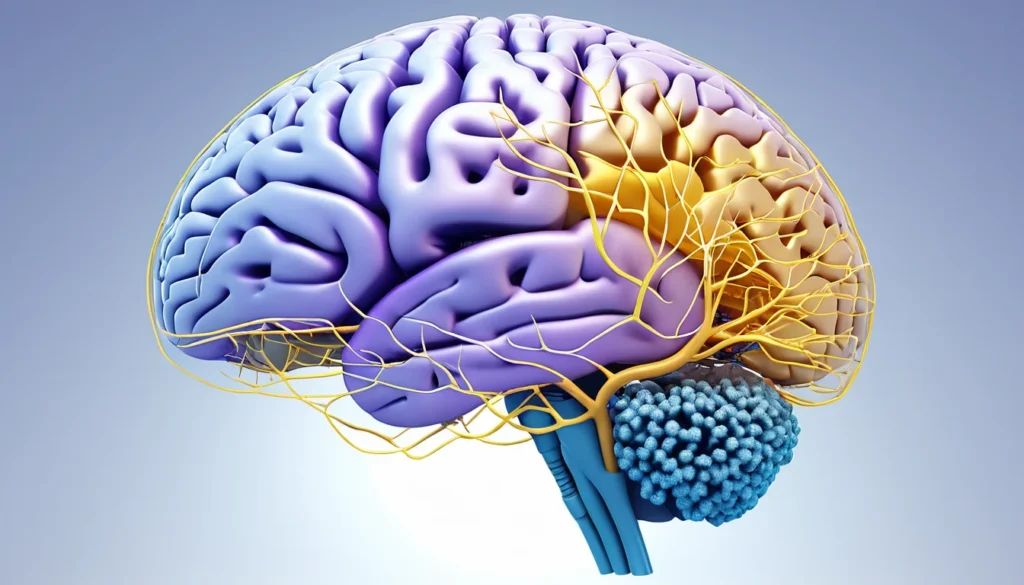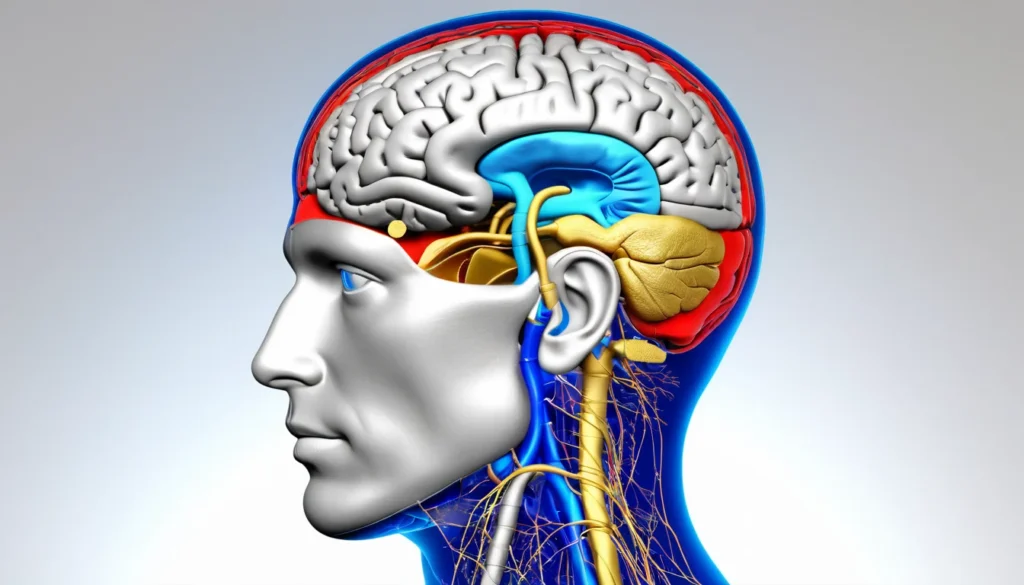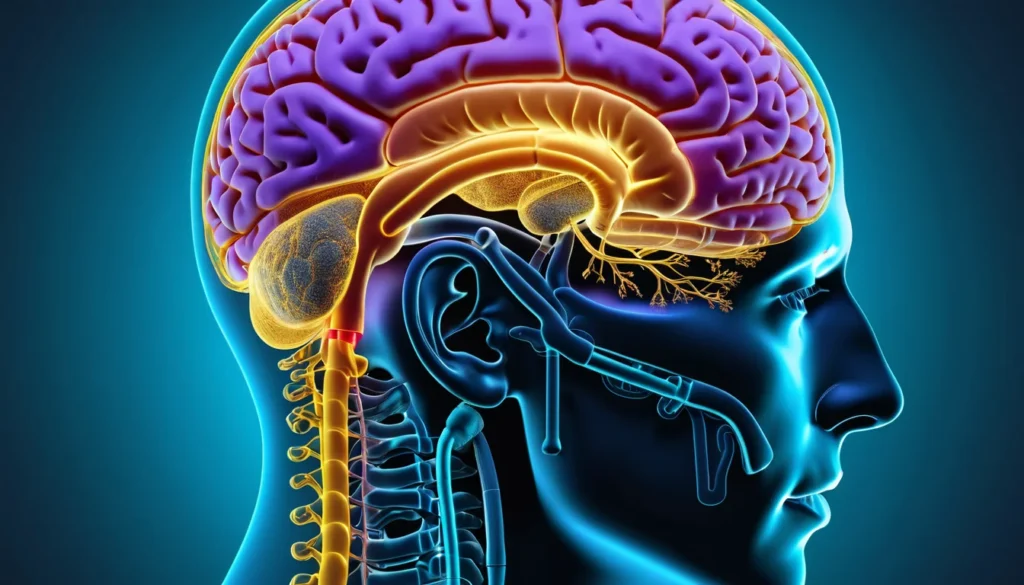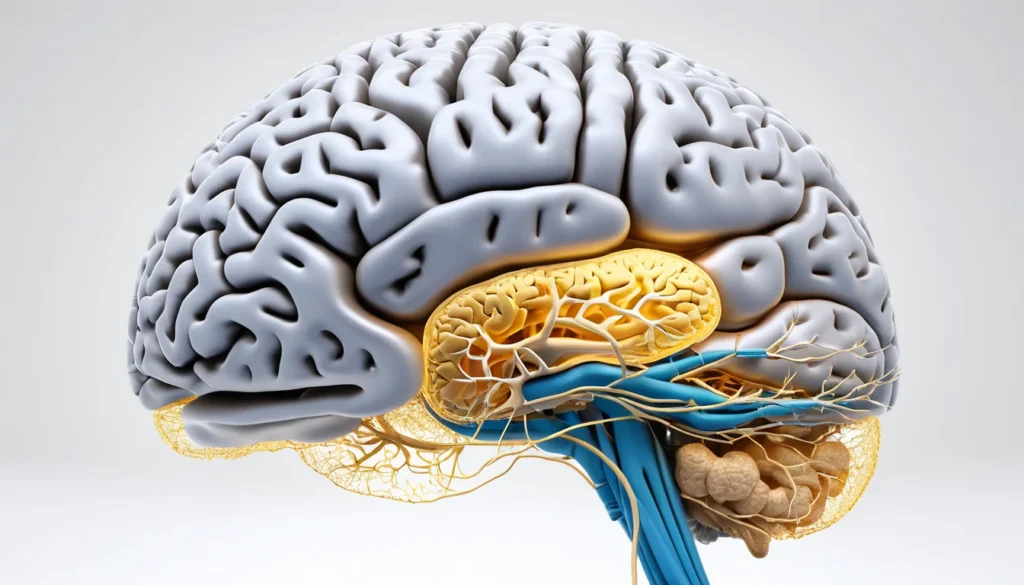
Parkinson’s disease is a progressive brain condition that affects movement, mood, and everyday life. It occurs when nerve cells in the brain stop producing enough dopamine — a chemical that helps control movement. In Canada, tens of thousands of people live with this condition, and that number is expected to grow. This article explains what Parkinson’s disease is, what symptoms to watch for, and what treatment options are available.
What Is Parkinson’s Disease?
Parkinson’s disease is a neurological disorder, meaning it affects the brain and nervous system. It is considered a neurodegenerative condition — that is, brain cells gradually break down over time. The cells most affected are the ones that produce dopamine, a chemical messenger that helps the brain coordinate smooth, controlled movement.
Without enough dopamine, movement becomes slower and harder to control. However, Parkinson’s disease affects much more than just movement. It can also affect mood, sleep, digestion, and other body functions.
Parkinson’s disease usually begins after the age of 50, though it can appear in younger people as well. According to the World Health Organization, the number of people living with Parkinson’s disease worldwide has more than doubled over the past 25 years.
Common Parkinson’s Disease Symptoms
Not everyone with Parkinson’s disease experiences the same symptoms. Furthermore, symptoms may not appear in the same order from one person to the next. Each person’s experience is unique, and the condition can change from day to day — or even hour to hour.
That said, there are several well-known signs that doctors look for. For more detail on how this condition is diagnosed, the Mayo Clinic’s overview of Parkinson’s disease is a helpful resource.
Tremor
Tremor is often the first sign people associate with Parkinson’s disease. It usually starts in one hand or arm and is most noticeable when the limb is at rest. Stress, anxiety, or upset can make tremors worse.
Interestingly, the tremor often reduces or disappears when a person actively uses the affected limb. However, not everyone with Parkinson’s disease develops a tremor at all.
Muscle Stiffness (Rigidity)
Muscle stiffness, also called rigidity, can make everyday tasks very difficult and sometimes painful. A person may struggle to turn around, stand up from a chair, or do small movements like doing up buttons.
Some people notice that their posture becomes hunched over time. Others find that their facial expressions become limited, making it hard to smile or show emotion.
Slowness of Movement (Bradykinesia)
Bradykinesia means that movements become slower and take more effort. A person may notice their arm swings less when walking, their steps get shorter, or their heel barely lifts off the ground.
In some cases, a person may experience “freezing” — a sudden inability to move, especially when starting to walk or turning. This can last a few seconds or longer, and it can be quite alarming.
Balance and Posture Problems
Parkinson’s disease can affect a person’s sense of balance. As a result, falls become a serious concern, especially as the condition progresses. People may walk with a shuffling gait or have difficulty stopping quickly.
Non-Motor Symptoms of Parkinson’s Disease
For a long time, Parkinson’s disease was seen mainly as a movement disorder. However, we now know that non-motor symptoms — those not directly related to movement — are very common and can be just as challenging to manage.
Depression and Anxiety
Depression affects many people living with Parkinson’s disease. Symptoms can include sadness, poor sleep, changes in appetite, and a loss of interest in activities. This can be tricky to identify because some signs of depression overlap with Parkinson’s symptoms themselves.
Anxiety is also common. Some people experience panic attacks or feel on edge throughout the day. These mood changes can sometimes be linked to the timing of Parkinson’s medication wearing off between doses.
Apathy
Some people with Parkinson’s disease feel a deep lack of motivation. They may be content to stay home and do very little, without feeling sad about it. This is called apathy, and it is different from depression, though the two can occur together.
Bladder and Bowel Issues
Bladder problems, including urinary incontinence or difficulty urinating, can affect some people with Parkinson’s disease. These symptoms are not experienced by everyone, but they can significantly impact quality of life.
Constipation is one of the most common non-motor symptoms. In fact, it often begins several years before the movement symptoms of Parkinson’s disease appear.
Swallowing Difficulties and Drooling
As Parkinson’s disease progresses, some people develop difficulty swallowing. This can lead to excess saliva and drooling, which can be distressing and socially uncomfortable. Good oral hygiene and dental care become especially important at this stage.
Fatigue and Pain
Fatigue in Parkinson’s disease goes beyond ordinary tiredness. It can be a deep, overwhelming exhaustion that affects a person’s ability to concentrate or complete daily tasks. This type of fatigue is not always relieved by sleep.
Pain is also surprisingly common. It can result from muscle stiffness, posture changes, or the wearing off of medication between doses. Many people find that pain improves after taking their next scheduled dose of Parkinson’s medication.
How Is Parkinson’s Disease Diagnosed?
There is no single blood test or brain scan that confirms Parkinson’s disease. Instead, a doctor makes the diagnosis based on a careful review of symptoms and a physical examination. A neurologist — a doctor who specialises in brain and nerve conditions — is usually involved in confirming the diagnosis.
Your family doctor is a great first point of contact if you or a loved one notices symptoms. They can refer you to a neurologist through your provincial health plan at no cost. Early diagnosis matters because treatment works best when started sooner.
For more information on how neurological conditions are evaluated, Healthline’s guide to Parkinson’s disease offers a clear breakdown of the diagnostic process.
Treatment Options for Parkinson’s Disease in Canada
While there is currently no cure for Parkinson’s disease, many effective treatments exist that can greatly improve quality of life. The goal of treatment is to manage symptoms and help people stay as independent and active as possible.
Medications
The most common treatment for Parkinson’s disease involves medications that increase or mimic dopamine in the brain. The most well-known is levodopa, which the brain converts into dopamine. Many people notice a significant improvement in movement after starting this medication.
Symptoms can sometimes fluctuate based on medication levels in the blood. A person may feel much better shortly after taking a dose, and then notice symptoms returning as the medication wears off. Your neurologist can help adjust your medication schedule to reduce these “off” periods.
Physical and Occupational Therapy
Physiotherapy helps people maintain strength, flexibility, and balance. Occupational therapy focuses on adapting daily tasks — like dressing, cooking, or using a computer — to a person’s changing abilities. Both are often covered under provincial health plans with a referral from your family doctor.
Speech Therapy
As Parkinson’s disease progresses, speech can become softer or harder to understand. A speech-language pathologist can work with patients to improve communication and address swallowing difficulties.
Lifestyle and Support
Regular exercise, a high-fibre diet to help with constipation, and good sleep habits all play a role in managing Parkinson’s disease. Support groups — available through many hospitals and community centres across Canada — can also make a meaningful difference for both patients and caregivers.
When to See a Doctor
If you or someone you care for notices a persistent tremor, muscle stiffness, unexplained slowness of movement, or balance problems, it is important to speak with a healthcare provider. These symptoms do not always mean Parkinson’s disease, but they should be properly assessed.
Start with your family doctor. If you do not have one, a walk-in clinic can provide an initial assessment and refer you to a specialist. Early evaluation through your provincial health plan can open the door to faster diagnosis and better care.
As always, the information in this article is for general educational purposes only. Please speak with a qualified healthcare professional before making any decisions about your health or treatment.
Frequently Asked Questions About Parkinson’s Disease
What are the first signs of Parkinson’s disease?
The early signs of Parkinson’s disease often include a slight tremor in one hand, mild muscle stiffness, or a subtle change in handwriting. Some people also notice constipation, sleep disturbances, or a reduced sense of smell long before movement symptoms appear. If you notice any of these changes, speak with your family doctor.
Is Parkinson’s disease hereditary?
Most cases of Parkinson’s disease are not directly inherited, but genetics can play a role in some people. A small percentage of cases are linked to specific gene mutations. If you have a family history of Parkinson’s disease, your doctor can discuss whether genetic counselling is appropriate for you.
Can Parkinson’s disease affect young people?
Yes, although Parkinson’s disease most commonly begins after age 50, it can occur in younger adults — sometimes called early-onset Parkinson’s disease. This is less common but does happen. Young-onset cases are sometimes associated with genetic factors and may progress differently than late-onset cases.
How is Parkinson’s disease treated in Canada?
In Canada, Parkinson’s disease is treated with a combination of medications, physiotherapy, occupational therapy, and speech therapy. Many of these services are covered through provincial health plans with a referral from a family doctor. Neurologists who specialise in movement disorders lead most treatment plans.
Does Parkinson’s disease affect mood and mental health?
Yes, Parkinson’s disease frequently affects mental health. Depression, anxiety, and apathy are common non-motor symptoms of Parkinson’s disease. These can be just as disabling as the physical symptoms, and they respond well to treatment — so it is important to discuss mood changes with your healthcare provider.
What is the life expectancy for someone with Parkinson’s disease?
People with Parkinson’s disease can live for many years, and for many, life expectancy is close to that of the general population. The condition progresses differently in each person, and modern treatments have significantly improved quality of life. Working closely with a neurologist and your healthcare team can help manage the condition effectively over the long term.
Key Takeaways
Parkinson’s disease is a progressive brain condition caused by a loss of dopamine-producing nerve cells.
The most recognisable symptoms include tremor, muscle stiffness, slowness of movement, and balance problems.
Non-motor symptoms — such as depression, anxiety, fatigue, constipation, and bladder issues — are very common and deserve attention.
There is no cure, but medications and therapies can significantly improve daily functioning and quality of life.
In Canada, your family doctor or a walk-in clinic is the first step toward diagnosis and specialist referral through your provincial health plan.
Early diagnosis leads to better outcomes — do not wait to speak with a healthcare professional if you have concerns.