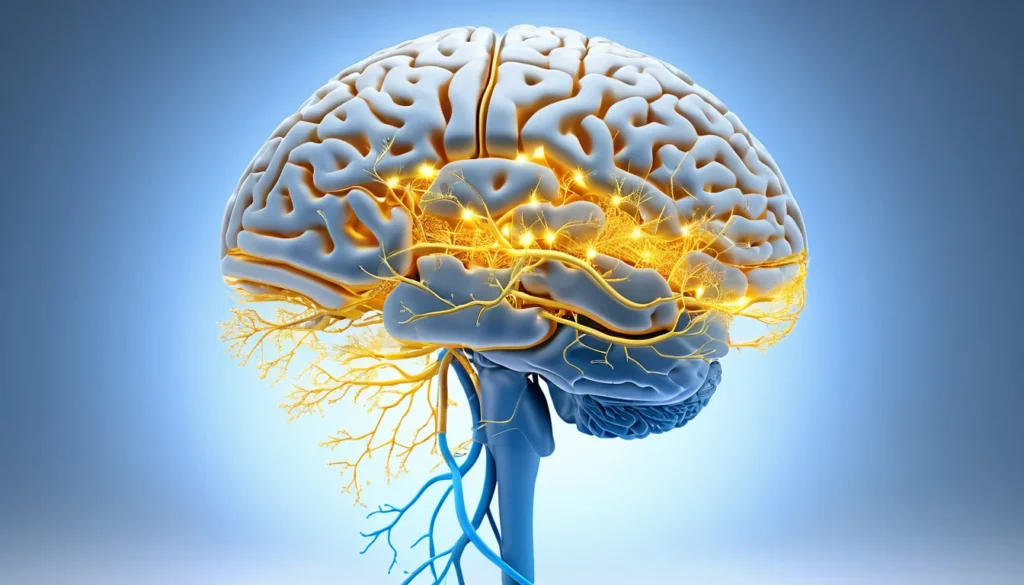
Parkinson’s disease is a chronic brain condition that affects how your body moves. It happens when nerve cells deep in the brain slowly break down, leading to a drop in a chemical called dopamine. Without enough dopamine, your body struggles to control movement smoothly. In this article, we explain what Parkinson’s disease is, what causes it, what symptoms to watch for, and when to talk to your doctor.
What Is Parkinson’s Disease?
Parkinson’s disease is a progressive neurological disorder. “Progressive” means it gets worse over time. It mainly affects movement, but it can also impact speech, swallowing, and facial expression.
Dopamine is a chemical messenger in the brain. It helps nerve cells send signals that control smooth, coordinated movement. In Parkinson’s disease, the nerve cells that produce dopamine gradually die off. As dopamine levels fall, movement becomes harder to control.
Parkinson’s disease most often appears in people between the ages of 50 and 60. However, it can develop earlier. Early symptoms are often subtle and slow-moving. In fact, many people — and even their family members — do not notice the signs at first.
According to Health Canada, neurological conditions like Parkinson’s disease affect hundreds of thousands of Canadians. It is one of the most common movement disorders in the country.
What Causes Parkinson’s Disease?
Researchers are still working to fully understand what causes Parkinson’s disease. However, several factors appear to play a role.
Genetics
Most people with Parkinson’s disease do not have a close family member with the condition. However, in a small number of families, abnormal genes seem to be passed down. These gene changes are more often linked to early-onset Parkinson’s disease — that is, cases where symptoms appear at a younger age.
Scientists continue to study whether certain inherited genes increase a person’s risk. Therefore, if Parkinson’s disease runs in your family, it is worth mentioning this to your family doctor.
Brain Cell Damage
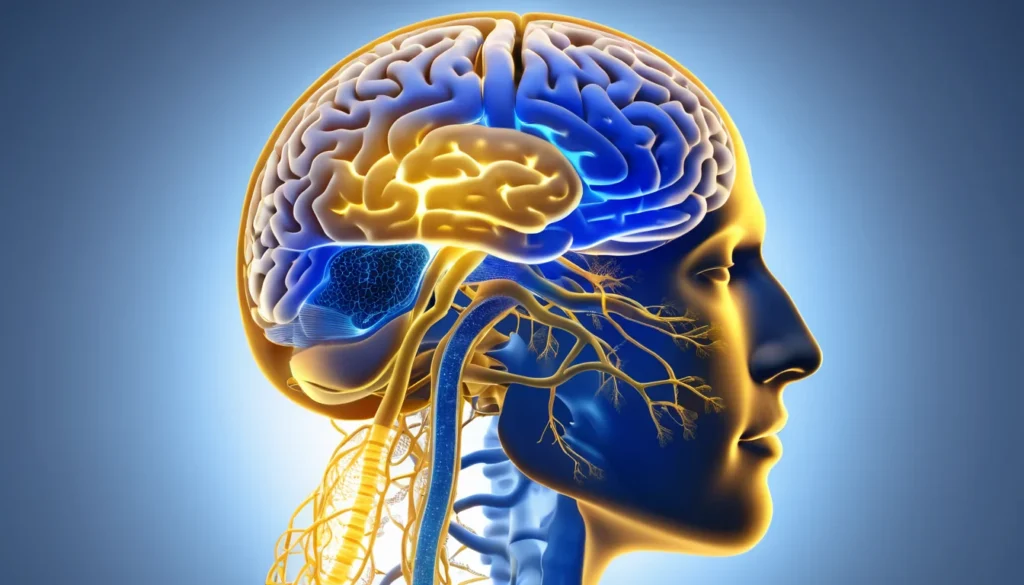
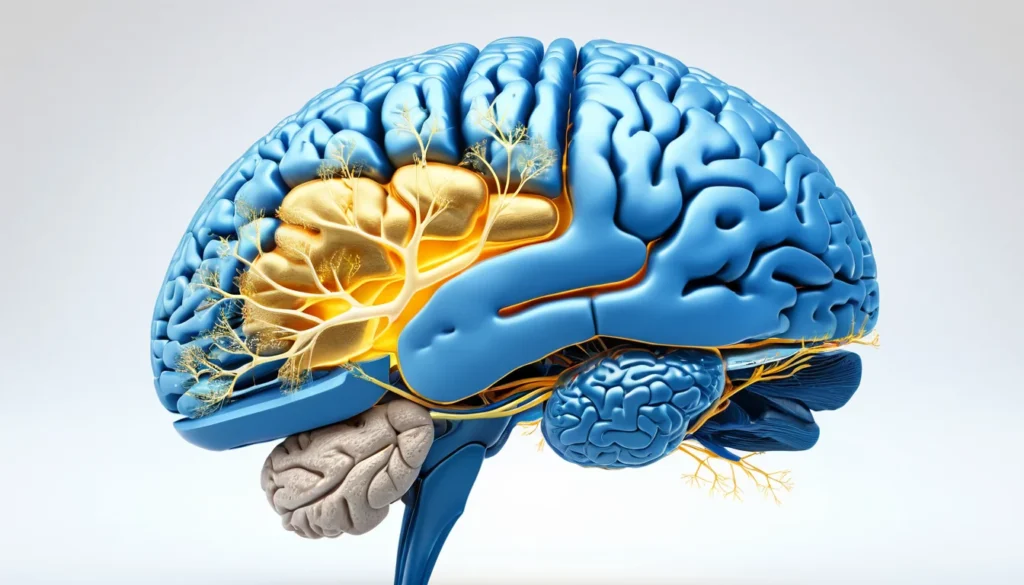
In Parkinson’s disease, a specific area of the brain called the substantia nigra is affected. This region produces most of the brain’s dopamine. When the nerve cells here break down, dopamine levels drop significantly. The exact reason these cells deteriorate is not yet fully understood.
Environmental Factors
Some research suggests that long-term exposure to certain toxins — such as pesticides or herbicides — may slightly increase the risk of developing Parkinson’s disease. However, the overall risk from environmental exposure alone remains low. More research is needed to understand this link fully.
For a deeper look at current research, visit the Mayo Clinic’s overview of Parkinson’s disease causes.
Common Symptoms of Parkinson’s Disease
Parkinson’s disease symptoms vary from person to person. They also change as the condition progresses. Some symptoms appear early, while others only develop in later stages.
Tremor
A tremor is a rhythmic, involuntary shaking. It is often one of the first signs of Parkinson’s disease that people notice. Tremors usually begin in the hand, arm, or leg on one side of the body. They are most noticeable when the limb is at rest — for example, when your hand is lying in your lap.
The tremor often has a characteristic appearance. It can look like the fingers are rolling something back and forth, sometimes described as a “pill-rolling” motion. Stress and strong emotions can make the tremor worse. Relaxation or deliberate movement often reduces it temporarily.
As Parkinson’s disease advances, tremors can spread to both sides of the body. However, in some people, the tremor stays on one side throughout.
Muscle Stiffness and Rigidity
Muscle rigidity is another hallmark of Parkinson’s disease. The muscles feel stiff and resistant to movement. This can cause ongoing muscle aches and fatigue. One early sign is a reduced arm swing on one side when walking.
Rigidity can affect the arms, legs, face, neck, and trunk. When a doctor gently moves a stiff limb, they may notice a jerky, ratchet-like resistance. This is sometimes called the “cogwheel” sign. Rigidity affects both the muscles that start a movement and those that oppose it.
Slow Movement (Bradykinesia)
Bradykinesia means slowness of movement. Over time, Parkinson’s disease makes even simple everyday tasks take much longer. Getting up from a chair, turning over in bed, or buttoning a shirt can become difficult and exhausting.
This slowness happens because the brain’s movement signals are weakened. As a result, starting a movement takes more effort, and the movement itself may be smaller and less forceful than intended.
Balance and Walking Problems
People with Parkinson’s disease often develop a distinctive way of walking. They may take small, shuffling steps and lean slightly forward. Turning around while walking can also become challenging.
Over time, balance problems can develop. This raises the risk of falls, which can lead to serious injuries. However, significant balance problems usually appear in the later stages of the condition.
Facial and Speech Changes
Parkinson’s disease can weaken the muscles of the face and throat. This may cause speech to become soft, monotone, or slurred. Swallowing can become harder, and some people may drool or choke on food or liquids.
Reduced facial muscle control can also lead to a fixed, blank expression. This is sometimes called a “masked face.” It does not mean the person has lost emotion — it is simply a physical effect of the condition.
How Is Parkinson’s Disease Managed?
There is currently no cure for Parkinson’s disease. However, treatments can manage symptoms effectively, especially in the earlier stages. A neurologist — a doctor who specialises in brain and nerve conditions — typically leads the care team.
Medications
The most common approach to managing Parkinson’s disease is medication. The goal is to increase or mimic dopamine in the brain. Levodopa is the most widely used drug. It converts into dopamine once it reaches the brain and can significantly reduce tremor, stiffness, and slow movement.
Over time, medications may become less effective as the disease progresses. Your doctor may adjust dosages or combine different drugs to keep symptoms under control. Never adjust your medication on your own — always speak with your healthcare provider first.
Physical Therapy and Exercise
Exercise is a powerful tool for people with Parkinson’s disease. Regular physical activity can help maintain balance, flexibility, and strength. It may also slow the progression of some symptoms.
Physiotherapists can design safe, personalised exercise programmes. Occupational therapists can help with daily tasks and home safety. In Canada, these services may be covered under provincial health plans — check with your provincial health authority for details.
Speech Therapy
If speech or swallowing is affected, a speech-language pathologist can provide targeted therapy. This specialist helps people improve vocal strength and develop safer swallowing techniques. Referrals are typically available through your family doctor.
When to See a Doctor
If you or someone you love notices unexplained tremors, stiffness, or changes in movement, do not wait. Book an appointment with your family doctor as soon as possible. Early diagnosis gives more options for managing symptoms effectively.
If you do not have a family doctor, a walk-in clinic is a good first step. The doctor there can assess your symptoms and refer you to a neurologist if needed. Most provincial health plans in Canada cover visits to both family doctors and specialists for conditions like Parkinson’s disease.
Keep in mind that many conditions can cause tremors or stiffness. Only a doctor can properly diagnose Parkinson’s disease. Do not try to self-diagnose based on symptoms alone.
For more information on neurological conditions, the World Health Organization’s neurological disorders resource is a reliable starting point.
Frequently Asked Questions About Parkinson’s Disease
What are the first signs of Parkinson’s disease?
The earliest signs of Parkinson’s disease often include a slight tremor in one hand, mild stiffness in the arm or leg, and a reduced arm swing when walking. These symptoms tend to appear on one side of the body first and can be easy to miss. If you notice these changes, it is worth mentioning them to your family doctor.
Is Parkinson’s disease hereditary?
Most cases of Parkinson’s disease are not directly inherited, but genetics can play a role in some families. A small percentage of people with Parkinson’s disease have a close relative with the same condition. If Parkinson’s disease appears in multiple members of your family, speak with your doctor about genetic counselling.
At what age does Parkinson’s disease usually start?
Parkinson’s disease most commonly develops in people between the ages of 50 and 60. However, early-onset Parkinson’s disease can affect people in their 40s or even younger. Symptoms that appear before age 50 are less common but do occur.
Can Parkinson’s disease be cured?
There is currently no cure for Parkinson’s disease, but treatments can manage symptoms and improve quality of life. Medications, physiotherapy, and speech therapy all play important roles in care. Researchers around the world are actively working to find better treatments and, eventually, a cure.
Does Parkinson’s disease affect memory and thinking?
Parkinson’s disease primarily affects movement, but it can also impact thinking and memory in some people, especially in later stages. This is sometimes called Parkinson’s disease dementia. Not everyone with Parkinson’s disease will develop cognitive changes, and the timeline varies greatly from person to person.
Is Parkinson’s disease covered under Canadian provincial health plans?
In Canada, visits to family doctors and specialist neurologists for Parkinson’s disease are generally covered under provincial and territorial health plans. Some medications and therapies may also be partially covered, depending on your province. Contact your provincial health authority or ask your family doctor to help you understand what is available in your area.
Key Takeaways
Parkinson’s disease is a chronic, progressive brain condition that affects movement and coordination.
It is caused by the gradual loss of dopamine-producing nerve cells in a region of the brain called the substantia nigra.
Common symptoms include tremors at rest, muscle rigidity, slow movement, and balance problems.
Symptoms usually begin between ages 50 and 60 and often start on one side of the body.
Both genetic and environmental factors may play a role, but the exact cause is not fully known.
There is no cure, but medications, physiotherapy, and other therapies can help manage symptoms effectively.
If you notice unexplained tremors or movement changes, see your family doctor or visit a walk-in clinic promptly.
Most diagnostic and specialist services for Parkinson’s disease are covered under Canadian provincial health plans.
Always consult a qualified healthcare provider before making any decisions about your health or treatment.