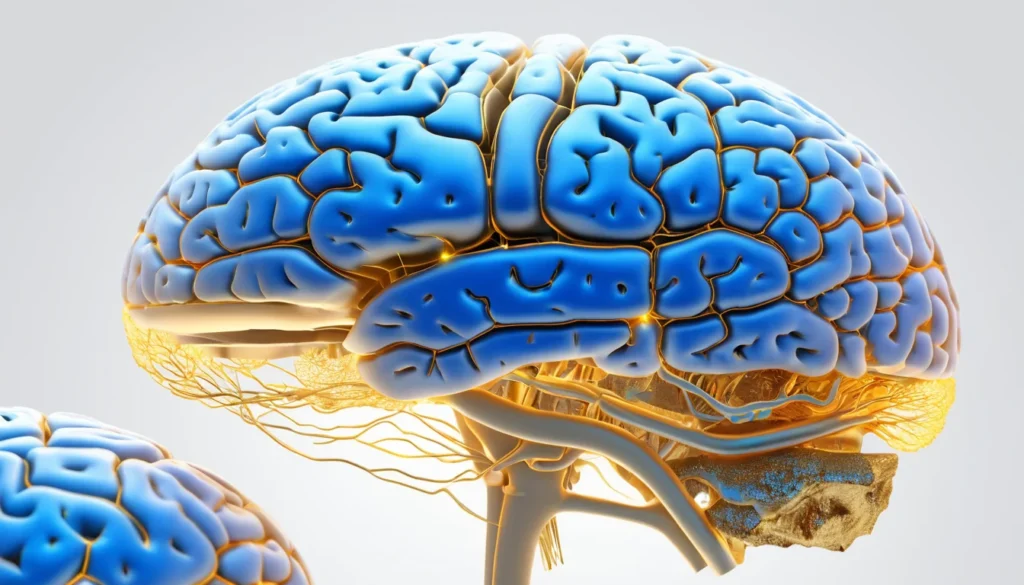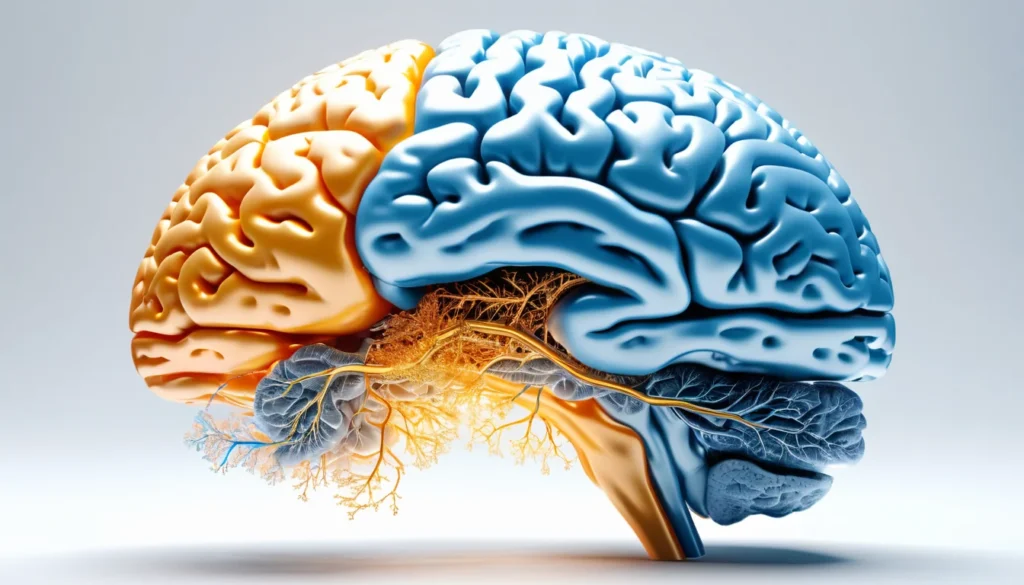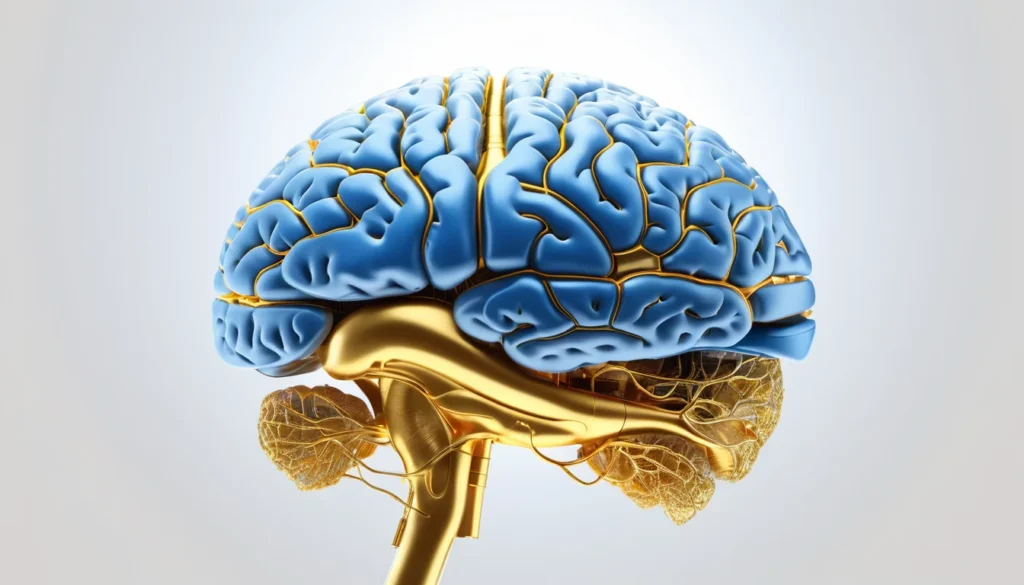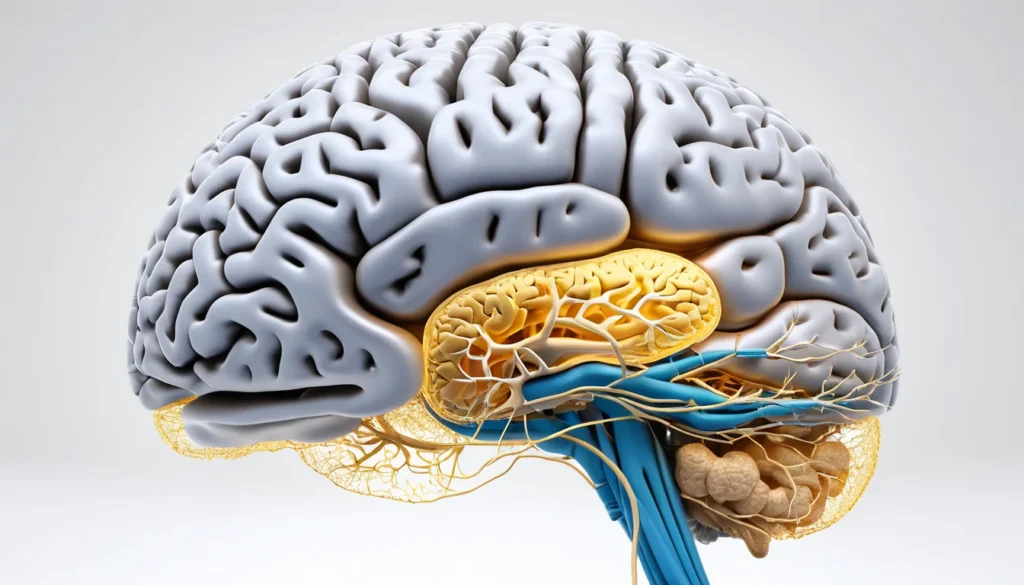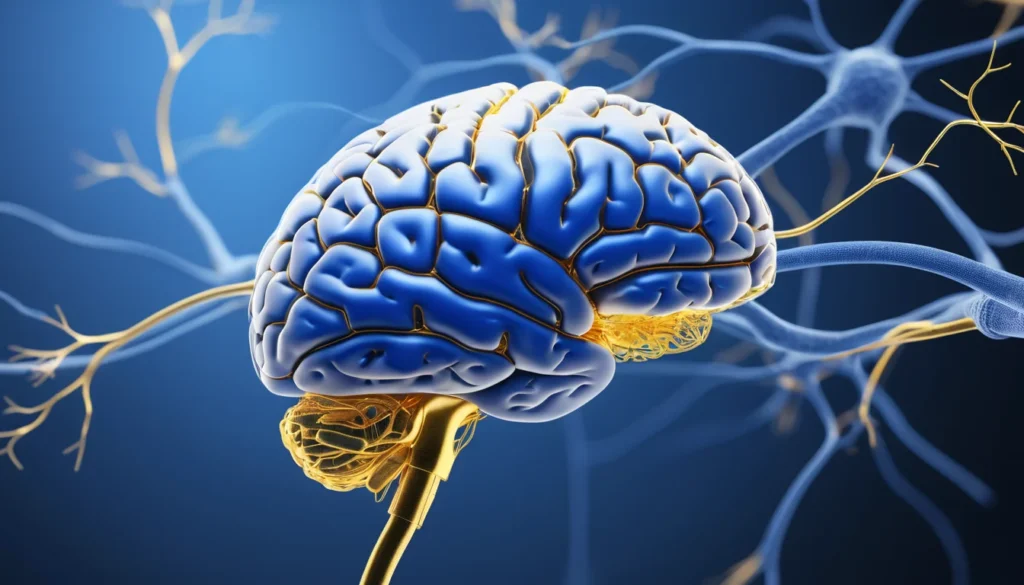
Parkinson’s disease is a progressive nervous system disorder that affects how you move. It develops slowly, often starting with a barely noticeable tremor in one hand. Over time, it can make everyday tasks — like walking, talking, and writing — much harder to do. This article explains what Parkinson’s disease is, what causes it, and what treatment options are available to Canadians.
What Is Parkinson’s Disease?
Parkinson’s disease affects the brain cells that control movement. As these cells break down or die, the brain produces less of a chemical messenger called dopamine. When dopamine levels drop, the brain has trouble sending normal movement signals to the body.
The result is a range of movement-related symptoms that get worse over time. However, with the right treatment, many people with Parkinson’s disease can manage their symptoms well and maintain a good quality of life. According to Health Canada, neurological conditions like Parkinson’s disease affect hundreds of thousands of Canadians.
There is currently no cure for Parkinson’s disease. However, medications and, in some cases, surgery can significantly improve day-to-day function.
Common Symptoms of Parkinson’s Disease
Symptoms of Parkinson’s disease vary from person to person. Early signs are often mild and easy to overlook. In most cases, symptoms begin on one side of the body and tend to remain worse on that side, even as the condition progresses.
Movement-Related Symptoms
The most well-known symptom of Parkinson’s disease is a tremor, or shaking, usually starting in the hand or fingers. This tremor often happens when the hand is at rest — for example, resting in your lap — rather than during movement.
In addition to tremors, you may notice the following movement changes:
Slowed movement (bradykinesia): Over time, Parkinson’s disease reduces your ability to move quickly. Simple tasks take longer. Steps become shorter when you walk.
Muscle stiffness: Stiffness can occur in any part of the body. Stiff muscles limit your range of motion and can cause pain.
Balance and posture problems: Your posture may become stooped. You may also have trouble keeping your balance, which raises the risk of falls.
Loss of automatic movements: You may move your arms less when you walk. You may also smile less or blink less frequently without realising it.
Speech and Writing Changes
Parkinson’s disease also affects how you communicate. Your speech may become soft, fast, or slurred. You might hesitate before you start talking, or your voice may sound flat and without its usual rise and fall.
Writing can become difficult as well. Many people with Parkinson’s disease find that their handwriting gets smaller and more cramped over time. This is called micrographia.
What Causes Parkinson’s Disease?
The exact cause of Parkinson’s disease is not fully understood. However, researchers have identified several factors that likely play a role. For more detailed research on this topic, the Mayo Clinic’s overview of Parkinson’s disease is an excellent resource.
Genetic Factors
Certain gene mutations have been linked to Parkinson’s disease. However, these genetic cases are relatively rare. They are more likely to occur in families where multiple members have the condition.
Even so, some genetic variations may slightly raise a person’s risk of developing Parkinson’s disease. Research in this area is ongoing.
Environmental Factors
Long-term exposure to certain toxins — such as pesticides and herbicides — may increase the risk of developing Parkinson’s disease later in life. However, the overall risk from environmental exposure alone is considered small.
Brain Changes: Lewy Bodies and Alpha-Synuclein
Researchers have found that the brains of people with Parkinson’s disease contain abnormal clumps of protein called Lewy bodies. These clumps form inside brain cells and are considered a key marker of the disease.
Inside Lewy bodies, scientists have found a protein called alpha-synuclein. This naturally occurring protein appears in all Lewy bodies. Researchers believe it holds important clues about what causes Parkinson’s disease, though the full picture is still being studied.
Who Is at Risk for Parkinson’s Disease?
Parkinson’s disease can affect anyone, but certain groups face a higher risk. Understanding these risk factors can help you and your doctor stay alert to early warning signs.
Age: Parkinson’s disease most commonly develops in people aged 60 and older. It is rare in younger adults, though early-onset cases do exist.
Family history: Having a close relative with Parkinson’s disease slightly raises your risk. However, the risk remains low unless several family members are affected.
Sex: Men are more likely to develop Parkinson’s disease than women, though the reasons for this are not yet fully clear.
Toxin exposure: Regular exposure to herbicides or pesticides over a lifetime may slightly increase your risk of Parkinson’s disease.
Complications of Parkinson’s Disease
Parkinson’s disease often brings additional health challenges beyond movement problems. These complications can also be treated and managed with the right support.
Thinking and Memory Problems
Some people with Parkinson’s disease develop cognitive problems, including difficulty thinking clearly or remembering things. In more advanced stages, dementia can develop. Unfortunately, these cognitive symptoms tend to respond less well to medication than movement symptoms do.
Depression and Emotional Changes
Depression is common among people with Parkinson’s disease. You may also experience anxiety, fear, or a loss of motivation. These are real medical symptoms — not just a reaction to the diagnosis. Doctors can prescribe medications and therapies to help manage these emotional changes.
Swallowing Difficulties
As Parkinson’s disease progresses, swallowing can become harder. Saliva may pool in the mouth because swallowing slows down. This can lead to drooling, which can feel distressing and affect daily social interactions.
Sleep Disturbances
Many people with Parkinson’s disease have sleep problems. These include waking up frequently during the night, acting out dreams (called REM sleep behaviour disorder), and feeling very sleepy during the day. A doctor can recommend strategies and treatments to help improve sleep quality.
Treatment Options for Parkinson’s Disease
While there is no cure for Parkinson’s disease, several treatment options can help manage symptoms effectively. Treatment plans are usually tailored to each person’s needs and may change as the disease progresses.
Medications
Most people with Parkinson’s disease are treated with medications that increase or substitute for dopamine in the brain. The most common is a drug called levodopa, often combined with carbidopa. Other medications help manage specific symptoms like tremors, sleep problems, and depression.
Your family doctor or a specialist called a neurologist will guide your medication plan. It may take some time to find the right combination and dosage.
Surgery
In some cases, a surgical procedure called deep brain stimulation (DBS) may be recommended. During this procedure, a surgeon implants electrodes into specific areas of the brain. These electrodes send electrical signals that help reduce movement symptoms.
DBS is not suitable for everyone. Your specialist will help determine whether you are a good candidate based on your overall health and how well your symptoms respond to medication.
Lifestyle and Support
Regular physical activity, physiotherapy, and speech therapy can all help manage Parkinson’s disease symptoms. A healthy diet rich in fibre and proper hydration also supports overall wellbeing. Many Canadian communities offer Parkinson’s support groups, which can be a valuable source of connection and information.
When to See a Doctor
If you notice a persistent tremor, unexplained stiffness, changes in your walk, or a change in your handwriting, it is a good idea to speak with a healthcare professional. Do not wait for symptoms to become severe before seeking help.
Start by booking an appointment with your family doctor. If you do not have a family doctor — which is the case for many Canadians — a walk-in clinic can be a good first step. Your doctor can evaluate your symptoms, rule out other conditions, and refer you to a neurologist if needed.
Early diagnosis gives you more options. Getting assessed sooner means your care team can begin a treatment plan before symptoms significantly affect your daily life. For additional guidance on neurological conditions, visit the World Health Organization’s fact sheet on neurological disorders.
Always speak with a qualified healthcare provider before starting, stopping, or changing any treatment. The information in this article is for educational purposes only and does not replace professional medical advice.
Frequently Asked Questions About Parkinson’s Disease
What are the first signs of Parkinson’s disease?
The earliest signs of Parkinson’s disease are often subtle and easy to miss. They may include a slight tremor in one hand, small changes in handwriting, a reduced arm swing while walking, or a softer speaking voice. If you notice these changes, speak with your family doctor as soon as possible.
Is Parkinson’s disease hereditary?
Parkinson’s disease can have a genetic component, but most cases are not directly inherited. Having a close relative with Parkinson’s disease slightly raises your risk, but the overall chance remains low for most people. Genetic mutations linked to Parkinson’s disease are found mainly in families where multiple members are affected.
Can Parkinson’s disease be cured?
Currently, there is no cure for Parkinson’s disease. However, medications, surgery, and lifestyle changes can significantly reduce symptoms and improve quality of life. Research into new treatments for Parkinson’s disease is ongoing around the world.
How is Parkinson’s disease diagnosed in Canada?
There is no single test to diagnose Parkinson’s disease. A family doctor will typically review your symptoms, medical history, and perform a neurological examination before referring you to a neurologist. Most provincial health plans in Canada cover specialist referrals and neurological assessments.
What is the difference between Parkinson’s disease and essential tremor?
Both conditions cause shaking, but they are different. Essential tremor usually happens during movement, while the tremor in Parkinson’s disease most commonly occurs when the body is at rest. A neurologist can help distinguish between the two conditions through a proper clinical assessment.
At what age does Parkinson’s disease usually start?
Parkinson’s disease most often develops in people aged 60 years and older. However, early-onset Parkinson’s disease can occur in people under 50, though this is much less common. The risk of developing Parkinson’s disease increases with age.
Key Takeaways
Parkinson’s disease is a progressive brain disorder that mainly affects movement, but can also impact mood, thinking, and sleep.
The most recognisable symptom is a resting tremor, but stiffness, slow movement, and balance problems are equally important warning signs.
The exact cause is unknown, but age, genetics, and environmental toxin exposure are known risk factors.
There is no cure, but medications, surgery, and supportive therapies can significantly improve daily life.
If you notice symptoms, speak with your family doctor or visit a walk-in clinic. Early assessment leads to better outcomes.
Most provincial health plans in Canada cover referrals to neurologists — do not hesitate to ask your doctor for one.