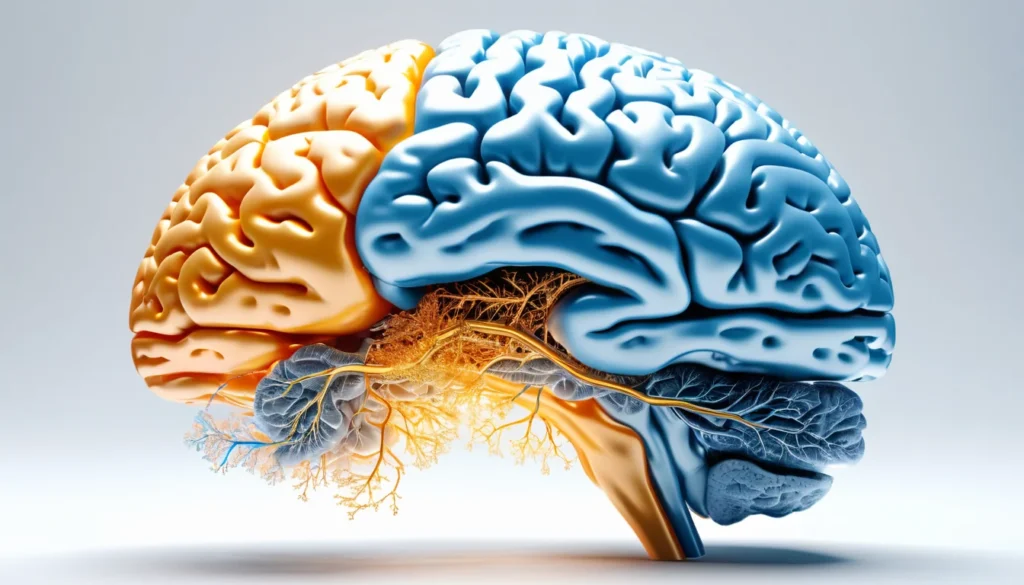
Parkinson’s disease is a chronic brain condition that affects how you move. It happens when certain nerve cells in the brain slowly break down over time. As a result, the brain produces less of a chemical called dopamine, which controls smooth, coordinated movement. In Canada, it is one of the most common neurological disorders, affecting people of all backgrounds — though it is most often diagnosed after age 55.
What Is Parkinson’s Disease?
Parkinson’s disease causes a group of nerve cells deep in the brain to gradually stop working. These cells normally produce dopamine, a chemical messenger that helps control movement. When dopamine levels drop too low, the brain has trouble sending the right signals to your muscles.
The condition was first described by British physician James Parkinson in 1817. He noted trembling, muscle weakness, and a stooped posture in patients. Today, we understand the disease much better — but there is still no cure.
According to Health Canada, neurological conditions like Parkinson’s disease affect hundreds of thousands of Canadians. The condition is equally common in men and women, and the average age at diagnosis is around 55.
What Causes Parkinson’s Disease?
Parkinson’s disease results from the gradual loss of dopamine-producing nerve cells in a part of the brain called the substantia nigra. Doctors are not entirely sure why this happens. However, research points to a mix of genetic and environmental factors.
In some people, changes in specific genes — such as those affecting a protein called alpha-synuclein — seem to play a role. In others, exposure to certain environmental toxins may trigger the process. In most cases, it is likely a combination of both.
As nerve cells die, tiny protein clumps called Lewy bodies form inside the brain. These are a key marker that doctors look for when studying the disease. Furthermore, the damage spreads slowly from the lower brainstem upward, which explains why symptoms appear gradually over many years.
Who Is at Risk?
Parkinson’s disease becomes more common with age. About 1% of people over 60 are affected, and that rises to roughly 3% by age 80. A family history of the condition slightly increases your risk. However, most people who develop Parkinson’s disease have no family history of it at all.
Recognising the Symptoms of Parkinson’s Disease
One of the challenges with Parkinson’s disease is that early symptoms are easy to miss. They come on very slowly and are often mistaken for normal signs of ageing. Many people wait months or even years before speaking to their family doctor.
Interestingly, symptoms only become noticeable once about 60–70% of the dopamine-producing nerve cells have already been lost. This suggests the brain has strong compensatory mechanisms early on.
Early Warning Signs
In the early stages, you might notice a slight stiffness in your arms or legs. Your movements may feel slower than usual. One arm may swing less than the other when you walk. You might also notice changes in your handwriting — letters becoming smaller and more cramped.
Other early signs can include muscle aches, a loss of fine motor skill (like doing up buttons), and mild depression. These symptoms are subtle and easy to overlook.
Tremor
A resting tremor is one of the most well-known signs of Parkinson’s disease. It typically starts in the fingers or hand and has a characteristic “pill-rolling” motion — as if you are rolling a small object between your thumb and index finger. The tremor occurs at rest and slows down or stops when you move your hand on purpose.
It usually appears on one side of the body first. Over time, it may spread to the other side. Stress and strong emotions tend to make the tremor worse. It disappears during sleep.
Muscle Stiffness and Rigidity
Muscle stiffness, or rigidity, is another major symptom. You may feel a constant tension in your muscles, as if they are resisting movement. This can cause muscle pain, especially in the neck, back, and hips.
A doctor may notice what is called “cogwheel rigidity” — a ratchet-like resistance when they move your arm or wrist. This stiffness affects all muscle groups and contributes to the stooped posture many people with Parkinson’s develop over time.
Slowness of Movement
Bradykinesia — or slowness of movement — is perhaps the most disabling symptom in daily life. Simple tasks like getting dressed or getting up from a chair can become very difficult. Walking may involve short, shuffling steps, and starting to walk can feel like your feet are stuck to the floor.
This is sometimes called “freezing.” It can happen at doorways or when navigating obstacles. In addition, the face may lose its natural expression, making it look mask-like. Speaking may become soft, slow, or monotone.
Balance Problems
As the disease progresses, Parkinson’s disease affects your ability to maintain balance and posture. You may lean slightly forward and find it harder to catch yourself if you stumble. Falls become a serious concern, especially in later stages.
Non-Movement Symptoms of Parkinson’s Disease
Parkinson’s disease affects more than just movement. Many people experience a range of non-motor symptoms that can be just as challenging to live with.
These can include:
Depression and anxiety — very common and treatable; do not hesitate to bring these up with your doctor
Sleep disturbances — including acting out dreams and restless nights
Cognitive changes — difficulty concentrating or, in later stages, dementia
Swallowing difficulties — which can affect nutrition and increase the risk of choking
Constipation and bladder issues — caused by changes in the autonomic nervous system
Loss of smell — one of the earliest signs, often appearing years before movement problems
For a broader overview of neurological conditions, the Mayo Clinic’s guide to Parkinson’s disease offers reliable and detailed information.
How Is Parkinson’s Disease Treated?
There is currently no cure for Parkinson’s disease. However, treatments can significantly improve quality of life and manage symptoms for many years. Your treatment plan will depend on your age, the severity of your symptoms, and your overall health.
Medications
The most effective medication for Parkinson’s disease is levodopa, which the brain converts into dopamine. It is usually combined with another drug (carbidopa) to reduce side effects. Most people see a marked improvement in movement symptoms when they start this therapy.
Other medications include dopamine agonists, MAO-B inhibitors, and COMT inhibitors. Your neurologist will work with you to find the right combination. It is important to take medications exactly as prescribed, as timing matters greatly with Parkinson’s disease.
Surgical Options
For some people, a procedure called deep brain stimulation (DBS) may be an option. In DBS, a surgeon implants small electrodes into specific areas of the brain. These electrodes deliver mild electrical impulses that help control abnormal brain signals causing symptoms.
DBS is not a cure, but it can offer significant relief — particularly for tremor and rigidity. It is typically considered when medications no longer provide adequate control.
Physiotherapy, Exercise, and Support
Regular physical activity is one of the most important things you can do if you have Parkinson’s disease. Exercise helps maintain strength, flexibility, and balance. It may even help slow the progression of symptoms.
Physiotherapy, occupational therapy, and speech-language therapy can all play a key role in maintaining independence. Many Canadian communities have Parkinson’s-specific exercise programmes and support groups. The World Health Organization’s fact sheet on Parkinson’s disease also emphasises rehabilitation as a core part of care.
When to See a Doctor
If you or someone you love notices persistent trembling, unusual muscle stiffness, or a general slowness in movement, it is important to seek medical advice. Do not assume these are just signs of getting older.
Start by booking an appointment with your family doctor. If you do not have one, a walk-in clinic can provide an initial assessment and a referral to a neurologist. In Canada, most provincial health plans cover specialist referrals, so cost should not be a barrier to getting checked.
Early diagnosis matters. The sooner Parkinson’s disease is identified, the sooner treatment can begin — and the better your long-term outlook. Always speak with a qualified healthcare provider before drawing any conclusions about your symptoms.
Frequently Asked Questions About Parkinson’s Disease
What are the first signs of Parkinson’s disease?
The earliest signs of Parkinson’s disease are often subtle and easy to miss. They can include a slight tremor in one hand, stiffness in the arms or legs, smaller handwriting, and a reduced arm swing when walking. Some people also notice a loss of smell or mild depression years before movement symptoms appear.
Is Parkinson’s disease hereditary?
In most cases, Parkinson’s disease is not directly inherited. Only about 10–15% of cases are linked to a known genetic mutation. However, having a close family member with Parkinson’s disease does slightly increase your overall risk.
Can Parkinson’s disease be cured?
There is currently no cure for Parkinson’s disease. However, medications and therapies can effectively manage symptoms and greatly improve quality of life. Researchers around the world are actively working on new treatments and potential disease-modifying therapies.
At what age does Parkinson’s disease usually start?
Parkinson’s disease is most commonly diagnosed in people over the age of 60, with the average age of onset around 55. In rare cases, it can develop in people under 40 — this is known as early-onset Parkinson’s disease. The condition becomes more common as people age.
Does Parkinson’s disease affect memory and thinking?
Yes, Parkinson’s disease can affect cognitive function, particularly in later stages. Some people experience difficulties with concentration, problem-solving, and memory. In advanced cases, a form of dementia may develop, though this does not affect everyone with the condition.
How is Parkinson’s disease diagnosed in Canada?
There is no single test to diagnose Parkinson’s disease. In Canada, your family doctor will assess your symptoms and refer you to a neurologist if needed. The neurologist will conduct a physical and neurological examination, and may order brain imaging tests to rule out other conditions.
Key Takeaways
Parkinson’s disease is a progressive brain condition caused by the loss of dopamine-producing nerve cells.
The main symptoms include tremor, muscle rigidity, slowness of movement, and balance problems.
Non-motor symptoms — such as depression, sleep problems, and cognitive changes — are also very common.
There is no cure, but medications, surgery, and physiotherapy can significantly manage symptoms.
If you notice persistent trembling or stiffness, see your family doctor or visit a walk-in clinic for assessment.
Early diagnosis leads to better outcomes — do not wait to seek help.
Most provincial health plans in Canada cover specialist referrals, so getting checked is accessible and affordable.
This article is for informational purposes only. Always consult a qualified healthcare provider — such as your family doctor or a neurologist — for personal medical advice and before making any decisions about your health.