Parkinson’s disease is one of the most misunderstood neurological conditions in Canada. It affects movement, mood, sleep, and much more — yet many myths still shape how people think about it. This article breaks down seven of the most common misconceptions about Parkinson’s disease, so you can better understand what it is, how it is treated, and what to expect.
What Is Parkinson’s Disease?
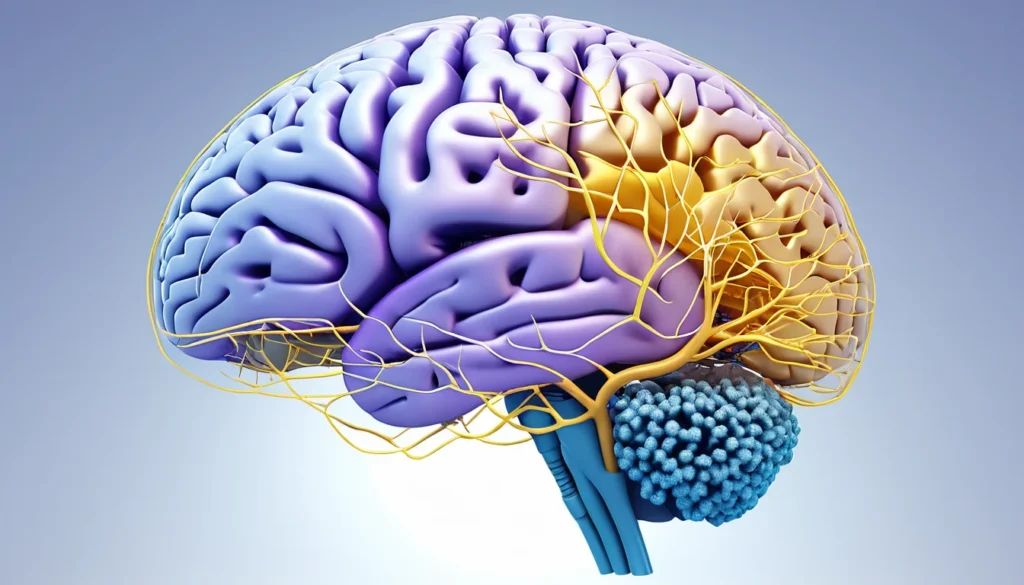
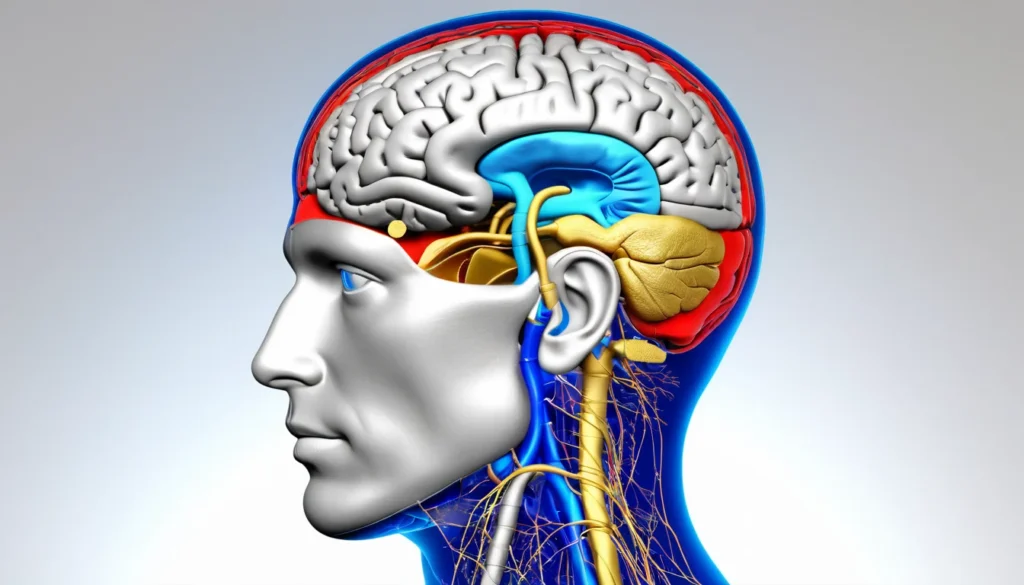
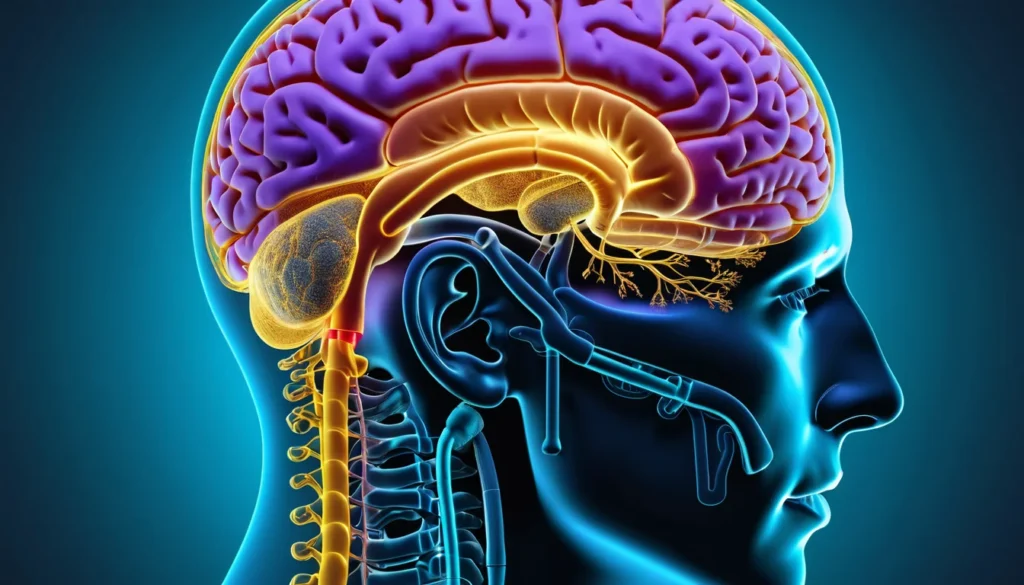
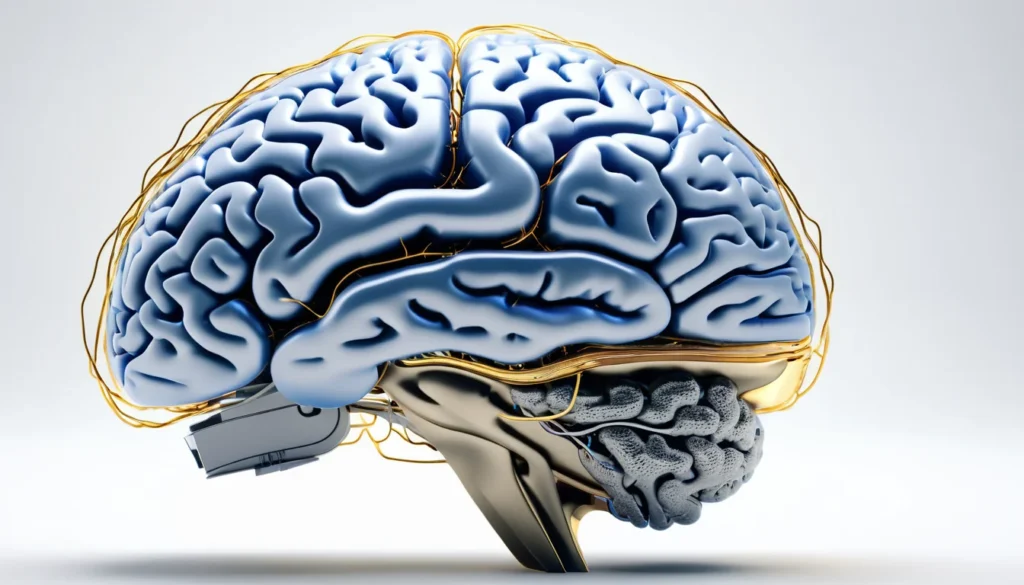
Parkinson’s disease is a progressive brain disorder that affects movement. It occurs when dopamine-producing cells in a part of the brain called the substantia nigra slowly break down over time. As those cells are lost, dopamine levels drop, and symptoms begin to appear.
Symptoms usually develop slowly. They often start with a mild tremor in one hand or a slight stiffness in movement. However, the condition involves much more than shaking hands.
Other common symptoms include changes in posture, a reduced sense of smell, a fixed facial expression, and sleep disturbances. As the disease progresses, some people also develop memory problems or dementia. According to the World Health Organization, Parkinson’s disease affects over 8.5 million people worldwide, and case numbers have been rising steadily.
Myth 1: Parkinson’s Disease Only Affects Movement
It is true that doctors classify Parkinson’s disease as a movement disorder. However, this label can be misleading. The condition affects both motor and non-motor functions of the body.
Non-motor symptoms can include:
Depression and anxiety
Sleep problems
Cognitive decline or dementia
Chronic pain
Apathy
Bladder and bowel changes
Sexual dysfunction
These symptoms are easy to overlook, but they matter greatly. In advanced Parkinson’s disease, non-motor symptoms can actually dominate the clinical picture. As a result, they contribute significantly to disability, reduced quality of life, and shorter life expectancy.
Furthermore, in some patients, non-motor symptoms appear before any movement problems do. This makes early recognition especially important.
Myth 2: Tremors Always Mean Parkinson’s Disease
Tremors are the most recognisable sign of Parkinson’s disease. Because of this, many people assume that anyone who shakes must have Parkinson’s. In reality, tremors can have many different causes.
For example, tremors can be a side effect of certain medications. They can also occur in conditions such as vascular parkinsonism, essential tremor, dystonia, or psychogenic movement disorders. Each of these requires a different approach to diagnosis and treatment.
Only a qualified medical professional can determine the true cause of a tremor. If you or someone you love notices new or worsening tremors, it is important to speak with a family doctor or visit a walk-in clinic promptly.
Myth 3: All People With Parkinson’s Disease Have Tremors
On the flip side, not everyone with Parkinson’s disease experiences tremors. This surprises many people, since tremors are so strongly associated with the condition.
In fact, researchers estimate that roughly 20% of people with Parkinson’s disease never develop a tremor at any stage of their illness. Some of these individuals develop non-motor symptoms first, such as sleep disturbances or changes in mood.
Scientists are still studying why some patients develop tremors while others do not. Current evidence suggests that it may depend on which specific regions of the brain are affected. Therefore, the absence of tremors does not rule out a Parkinson’s diagnosis.
Myth 4: Levodopa Only Works for a Few Years
Levodopa is one of the most effective medications available for managing Parkinson’s disease. Once it enters the brain, the body converts it into dopamine, helping to restore the chemical balance that has been disrupted by the disease.
A long-standing myth claims that levodopa stops working after about five years. This is not accurate. Research has shown that levodopa can remain an effective treatment for decades. You can read more about Parkinson’s disease treatments at the Mayo Clinic.
That said, the dosage may need to be adjusted over time as the disease progresses. The medication itself does not stop working — rather, the underlying condition continues to change. Patients should work closely with their neurologist or specialist to manage their treatment plan.
What About Side Effects of Levodopa?
Some people worry that levodopa actually makes Parkinson’s disease worse. This is another common misconception worth addressing directly.
Levodopa can cause a side effect called dyskinesia — involuntary, jerky movements. However, dyskinesia is generally linked to the progression of the disease itself, not to the medication causing harm. In most cases, dyskinesia does not appear until a patient has been taking levodopa for four to ten years.
In its milder form, many patients find that the improved mobility from levodopa outweighs the discomfort of dyskinesia. Each person’s experience is different, so it is important to discuss the benefits and risks with your doctor regularly.
Myth 5: Doctors Can Always Predict How the Disease Will Progress
Many patients and families want a clear picture of what lies ahead. Unfortunately, Parkinson’s disease is highly unpredictable. It varies substantially from one person to the next.
Doctors understand the general range of symptoms and the typical progression of the disease. However, the exact timeline and pattern for any individual patient is very difficult to predict. Some people remain relatively stable for years, while others experience more rapid changes.
Researchers are actively working on better tools to forecast how Parkinson’s disease will unfold in individual patients. In the meantime, regular check-ins with a specialist remain the best way to stay on top of any changes.
Myth 6: Only Medication Can Help With Parkinson’s Disease
Medication plays a vital role in managing Parkinson’s disease. However, it is far from the only tool available. Strong evidence shows that physical activity can also reduce symptoms and slow the progression of the disease.
Studies suggest that people with Parkinson’s who begin exercising early — and maintain at least 2.5 hours of physical activity per week — experience a slower decline in quality of life. Exercise helps with balance, mobility, mood, and overall well-being.
Activities such as walking, swimming, cycling, yoga, and tai chi have all shown benefits. In addition, physiotherapy, occupational therapy, and speech therapy can all play important roles in a comprehensive Parkinson’s care plan. Many provincial health plans in Canada cover some of these services, so ask your family doctor what is available to you.
For more information on managing neurological conditions through lifestyle, Healthline offers a helpful overview of exercise and Parkinson’s disease.
When to See a Doctor
If you notice any of the symptoms described in this article — tremors, stiffness, changes in balance, mood shifts, or sleep problems — it is worth getting checked out. These symptoms do not automatically mean you have Parkinson’s disease, but they deserve professional attention.
Start by booking an appointment with your family doctor. If you do not have a family doctor, a walk-in clinic can be a good first step. Your doctor can refer you to a neurologist or movement disorder specialist if needed. Early diagnosis allows for earlier treatment and better long-term outcomes.
Always consult a qualified healthcare provider before making any changes to your medications or treatment plan. The information in this article is for educational purposes only and is not a substitute for professional medical advice.
Frequently Asked Questions About Parkinson’s Disease
What are the early signs of Parkinson’s disease?
Early signs of Parkinson’s disease can include a mild tremor in one hand, slight stiffness in movement, and changes in handwriting. Some people also notice a reduced sense of smell, sleep disturbances, or mood changes before any movement symptoms appear. If you notice these signs, speak with your family doctor or visit a walk-in clinic.
Is Parkinson’s disease hereditary?
Most cases of Parkinson’s disease are not directly inherited, though genetics can play a role in some people. A small percentage of cases are linked to specific gene mutations. If you have a close family member with Parkinson’s disease, talk to your doctor about your personal risk level.
Can Parkinson’s disease be cured?
Currently, there is no cure for Parkinson’s disease. However, treatments such as levodopa and other medications can effectively manage symptoms for many years. Lifestyle changes, including regular exercise and therapy, also play an important role in slowing the progression of the disease.
Does everyone with Parkinson’s disease develop dementia?
Not everyone with Parkinson’s disease develops dementia. While cognitive changes can occur as the disease progresses, many people with Parkinson’s disease live for years without significant memory problems. Regular monitoring by a neurologist can help detect and manage any cognitive changes early.
At what age does Parkinson’s disease usually start?
Parkinson’s disease most commonly affects people over the age of 60, with the average age of diagnosis around 70. However, early-onset Parkinson’s disease can occur in people under 50, though this is less common. Age remains the biggest known risk factor for developing the condition.
How is Parkinson’s disease diagnosed in Canada?
There is no single test to diagnose Parkinson’s disease in Canada. Diagnosis is based on a clinical assessment of symptoms, medical history, and neurological examination, typically performed by a neurologist or movement disorder specialist. Your family doctor can provide a referral through your provincial health plan if Parkinson’s disease is suspected.
Key Takeaways
Parkinson’s disease affects more than movement. Non-motor symptoms like depression, sleep problems, and cognitive changes are just as important.
Not all tremors mean Parkinson’s disease. Many other conditions can cause tremors, and only a doctor can determine the cause.
Not everyone with Parkinson’s disease has tremors. About 20% of patients never develop this symptom.
Levodopa can work for decades. The myth that it stops working after five years is not supported by evidence.
Levodopa does not worsen the disease. Dyskinesia is linked to disease progression, not to the medication causing harm.
Exercise matters. Regular physical activity can reduce symptoms and slow decline, alongside medication.
Talk to your doctor. If you have concerns about any symptoms, a family doctor or walk-in clinic is a great place to start.