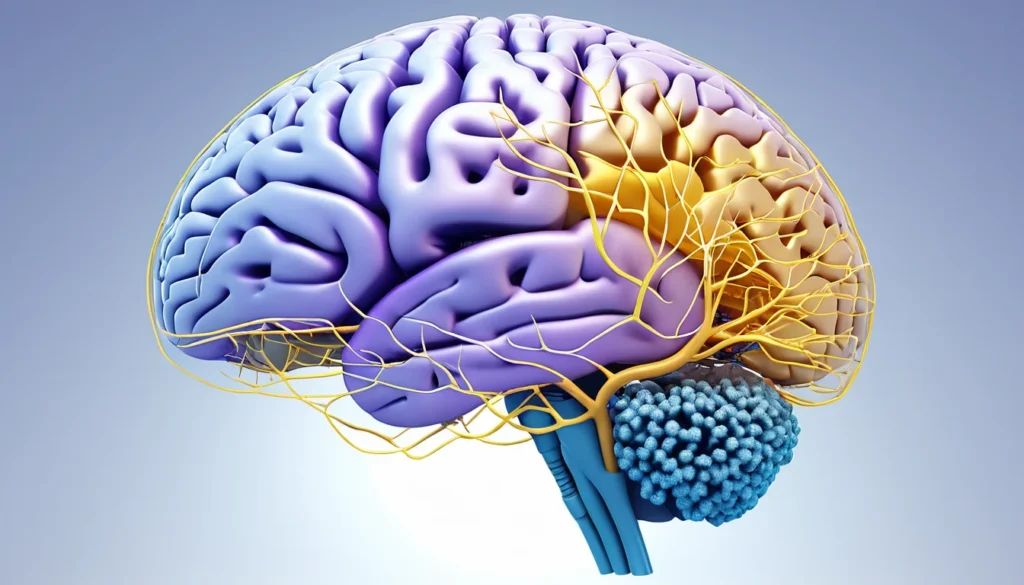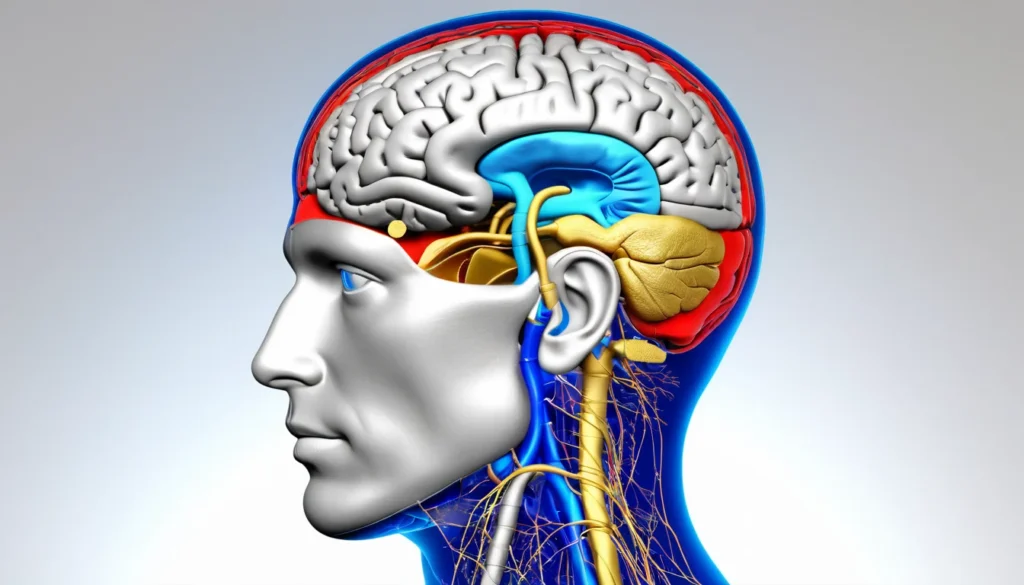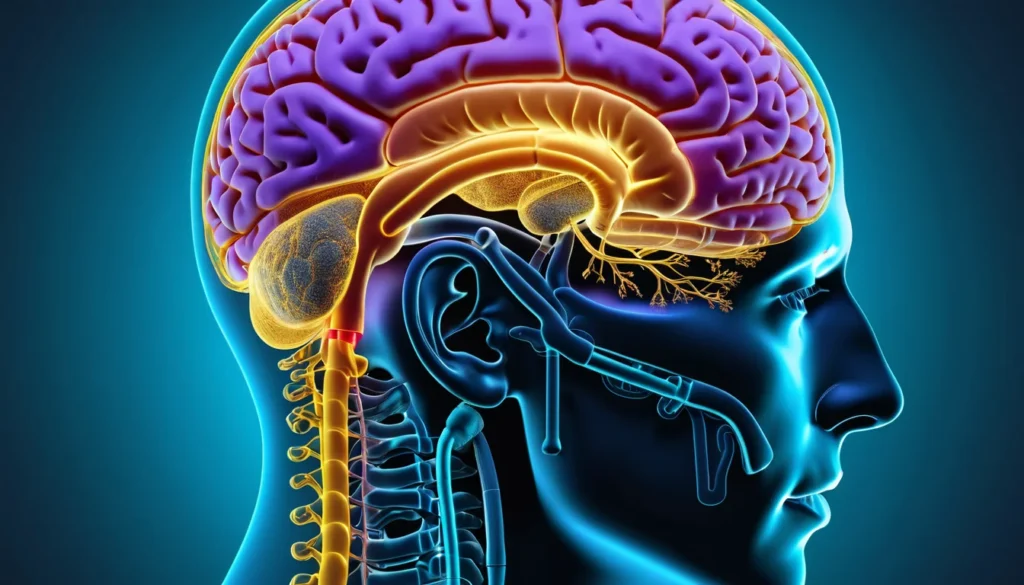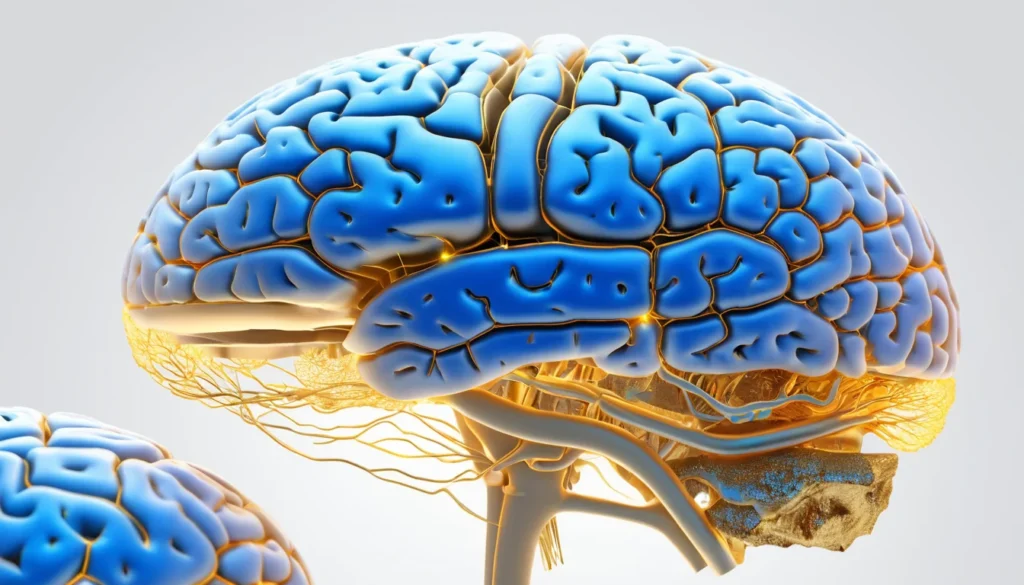
Parkinson’s disease is a brain condition that affects how you move, think, and feel. It develops slowly, so the early signs are easy to miss. Understanding what to watch for can help you get the right care sooner. This article explains the symptoms, causes, risk factors, and when to talk to your family doctor or visit a walk-in clinic.
What Is Parkinson’s Disease?
Parkinson’s disease is a neurodegenerative disorder. That means it involves the gradual breakdown of nerve cells in the brain. Over time, this affects a person’s ability to control their movements.
The condition is closely linked to a chemical in the brain called dopamine. Dopamine helps your brain send signals that control movement. When the nerve cells that produce dopamine are damaged or die, movement becomes harder to control.
Many Canadians living with Parkinson’s disease find that it progresses slowly. In addition, the condition often responds well to medications that help regulate dopamine levels in the brain. Early diagnosis makes a real difference in managing symptoms effectively.
Parkinsonism vs. Parkinson’s Disease: What’s the Difference?
Parkinsonism is an umbrella term. It refers to a group of symptoms — including stiffness, slowness of movement, and tremor — that look like Parkinson’s disease but may have different causes.
For example, certain medications can trigger parkinsonism. These include some antipsychotic drugs that affect dopamine levels. Stimulants like amphetamines can also play a role. Stopping the medication may reduce or eliminate the symptoms over time, though not always.
Other causes of parkinsonism include head injuries, exposure to certain toxins, and brain damage. However, it is important for a doctor to rule out Parkinson’s disease first before looking at other causes.
Other Conditions That Can Look Like Parkinson’s Disease
Several serious neurological conditions can mimic Parkinson’s disease. Three of the most common are:
Multiple System Atrophy (MSA) — also called Shy-Drager syndrome, a degenerative disorder that may or may not respond to Parkinson’s medications
Progressive Supranuclear Palsy (PSP) — may respond to high doses of dopamine-replacement medications
Corticobasal Degeneration — a rare condition that affects movement and thinking
People with Lewy Body Dementia may also show Parkinson’s-like symptoms. Other movement disorders — such as ataxias and dystonias — can share some features with parkinsonism as well. A neurologist can help sort out which condition is present.
What Causes Parkinson’s Disease?
The exact cause of Parkinson’s disease is not fully understood. However, researchers have identified several key changes in the brain that lead to its symptoms.
The disease develops when a large number of nerve cells are lost. This happens mainly in a region at the base of the brain called the substantia nigra (or “black substance”). These neurons use dopamine to send movement signals to another part of the brain called the striatum.
Another common brain change in Parkinson’s disease is the appearance of Lewy bodies. These are abnormal clumps of protein that build up inside nerve cells. Scientists are still working to understand their exact role in the disease.
Furthermore, some people with Parkinson’s disease lose nerve endings that produce a chemical called norepinephrine. This chemical helps control many automatic body functions, such as blood pressure. Its loss helps explain some of the non-movement symptoms of the disease.
For more detail on the biology of Parkinson’s disease, visit the Mayo Clinic’s overview of Parkinson’s disease causes and symptoms.
Risk Factors for Parkinson’s Disease
Certain environmental and lifestyle factors can raise or lower your risk of developing Parkinson’s disease. Knowing these factors can help you make informed choices.
Factors That May Increase Your Risk
Pesticide and herbicide exposure — some studies suggest this can increase the risk by up to 80%
Living near industrial facilities or quarries
Drinking well water
Exposure to certain metals — particularly manganese and lead
If you live or work in an environment where these exposures are possible, it is worth discussing your risk with your family doctor. Provincial health plans across Canada cover consultations for concerns like these.
Factors That May Lower Your Risk
Interestingly, some factors appear to be protective against Parkinson’s disease. These include:
Regular coffee or tea consumption
Higher levels of uric acid in the blood
Optimal vitamin D levels
These are not guaranteed protections, and you should not make major changes to your diet or supplements without speaking to a healthcare provider first. That said, these associations are promising areas of ongoing research.
You can learn more about current research on risk factors at Health Canada’s official health resources.
Early Signs and Symptoms of Parkinson’s Disease
Parkinson’s disease develops gradually. Its early symptoms can be subtle and easy to dismiss as normal ageing. Knowing what to look for is key.
Symptoms generally fall into three main categories: motor symptoms, neuropsychiatric symptoms, and autonomic symptoms. Motor symptoms typically affect one side of the body first. As the disease progresses, both sides become involved.
Motor Symptoms
These are the most well-known signs of Parkinson’s disease. They involve changes in how the body moves.
Tremor — a shaking or trembling that is present at rest and disappears during sleep. This is the most common first sign of Parkinson’s disease.
Muscle rigidity — stiffness in the arms and legs that can cause an unusual posture or limited range of motion.
Bradykinesia — slowness of movement, especially when starting to move. Early on, the arms may swing less during walking. Later, the legs and facial muscles can also be affected, leading to a reduced facial expression.
Postural instability — problems with balance and a change in the body’s natural upright position.
Dystonia — involuntary muscle contractions, often appearing as cramps or spasms in the foot or lower leg.
Neuropsychiatric Symptoms
Parkinson’s disease also affects mood and mental health. In some cases, these symptoms appear before the motor signs do.
Depression — can appear even before significant movement problems develop.
Anxiety — tends to occur more often in the later stages of treatment.
Insomnia — affects roughly half of all people with Parkinson’s disease.
Dementia — approximately 40% of people with Parkinson’s disease develop some form of cognitive decline.
Autonomic Symptoms
The autonomic nervous system controls automatic body functions like digestion and blood pressure. Parkinson’s disease can disrupt these functions as well.
Dysphagia — difficulty swallowing
Excessive saliva production
Constipation
Urinary problems
Reduced sense of smell
Orthostatic hypotension — a drop in blood pressure when standing up, causing dizziness
Sexual dysfunction
For a comprehensive list of Parkinson’s disease symptoms, Healthline’s guide to Parkinson’s disease offers clear and well-researched information.
When to See a Doctor
If you or someone you love is noticing any of the symptoms above, it is important to seek medical advice. You do not need a specialist referral to start the conversation.
Begin by booking an appointment with your family doctor. If you do not have a family doctor — which is a reality for many Canadians — a walk-in clinic is a good first step. Your doctor can assess your symptoms and refer you to a neurologist if needed.
Most provincial health plans in Canada cover neurology consultations when referred by a primary care provider. Getting assessed early gives you the best chance of managing Parkinson’s disease effectively.
Do not wait for symptoms to become severe before reaching out. Even subtle changes in movement, mood, or sleep are worth discussing with a healthcare professional. Trust your instincts — you know your body best.
Frequently Asked Questions About Parkinson’s Disease
What are the very first signs of Parkinson’s disease?
The earliest signs of Parkinson’s disease are often subtle. They can include a mild tremor in one hand, a reduced sense of smell, sleep problems, or a slight stiffness in an arm or leg. Because these symptoms develop slowly, many people do not notice them right away.
Can Parkinson’s disease be cured?
There is currently no cure for Parkinson’s disease. However, many treatments are available that can manage symptoms effectively and improve quality of life. Medications that regulate dopamine in the brain are the most commonly used and can work well for many patients.
Is Parkinson’s disease hereditary?
In most cases, Parkinson’s disease is not directly inherited. However, certain genetic mutations can increase a person’s risk of developing the condition. Having a close family member with Parkinson’s disease does slightly raise your risk, so it is worth mentioning to your doctor.
At what age does Parkinson’s disease usually start?
Parkinson’s disease most commonly develops in people over the age of 60. However, early-onset Parkinson’s disease can occur in people under 50. Age is one of the biggest risk factors for developing this condition.
How is Parkinson’s disease diagnosed in Canada?
There is no single test for Parkinson’s disease. A diagnosis is based on your medical history, a physical and neurological examination, and sometimes brain imaging. Your family doctor can refer you to a neurologist through your provincial health plan for a full assessment.
Does Parkinson’s disease affect mental health?
Yes, Parkinson’s disease can significantly affect mental health. Depression and anxiety are common, and they can sometimes appear before the physical symptoms do. Around 40% of people with Parkinson’s disease also develop some degree of dementia as the condition progresses.
Key Takeaways
Parkinson’s disease is a neurodegenerative brain condition caused by the loss of dopamine-producing nerve cells.
Early signs include tremor at rest, muscle stiffness, slowness of movement, and changes in mood or sleep.
Parkinsonism is a broader term that includes Parkinson’s disease and other conditions with similar symptoms.
Environmental factors such as pesticide exposure may increase risk, while coffee consumption and optimal vitamin D levels may offer some protection.
Parkinson’s disease often progresses slowly and responds well to dopamine-regulating medications.
If you notice any symptoms, speak with your family doctor or visit a walk-in clinic. Early assessment leads to better outcomes.
Most provincial health plans in Canada cover referrals to neurologists for suspected Parkinson’s disease.
This article is for informational purposes only and does not replace professional medical advice. Always consult your doctor or a qualified healthcare provider if you have concerns about your health or the health of someone in your care.