Parkinson’s disease and sleep problems are closely linked — and more common than many people realize. Up to two in three people living with Parkinson’s disease experience some form of sleep disruption. These problems can range from insomnia and restless nights to a condition where your body physically acts out your dreams. Understanding why this happens — and what you can do about it — is an important part of managing life with Parkinson’s disease in Canada.
What Is Parkinson’s Disease?
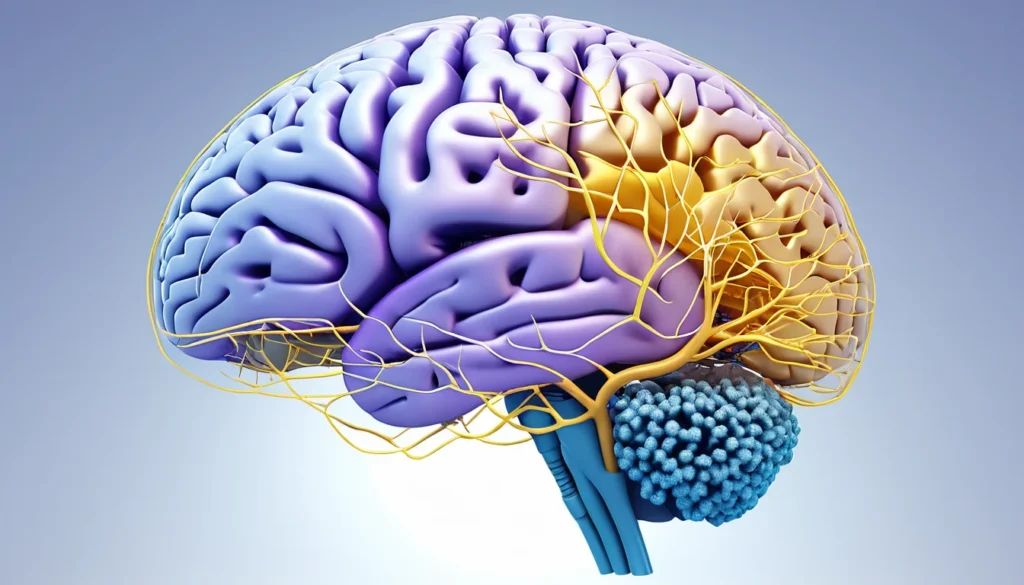
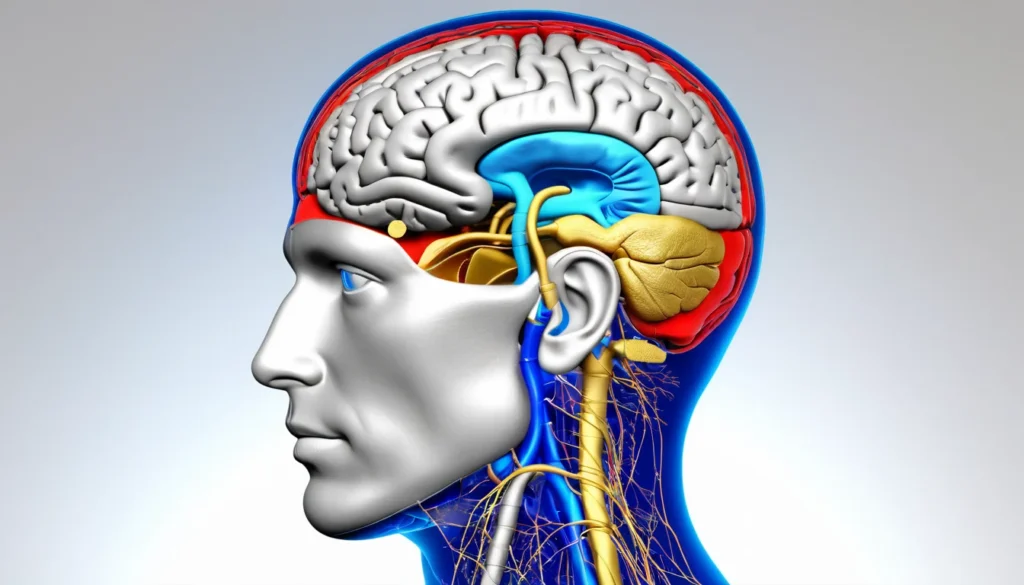
Parkinson’s disease is a movement disorder. It causes nerve cells in a specific part of the brain to slowly break down and die over time. As this nerve damage worsens, it triggers a wide range of symptoms throughout the body.
Many of Parkinson’s most well-known symptoms are motor symptoms — that is, symptoms that affect how you move. These include:
Rigid or stiff muscles
Tremors (uncontrollable shaking, usually in the hands or feet)
Problems with balance and coordination
Unusually slow movements, called bradykinesia
However, Parkinson’s disease also causes non-motor symptoms. These affect your mood, senses, and overall well-being. Sleep problems fall into this category, and they are among the most disruptive challenges people with Parkinson’s face every day.
For more background on Parkinson’s disease, Health Canada offers a range of trusted resources on neurological conditions.
How Are Parkinson’s Disease and Sleep Connected?
The relationship between Parkinson’s disease and sleep is complex. Scientists are still working to fully understand it. What is clear is that the connection runs in multiple directions.
The Brain Chemistry Connection
Parkinson’s disease disrupts certain chemical signals in the brain. These chemicals help regulate your natural sleep-wake cycle. When they are thrown off balance, falling asleep — and staying asleep — becomes much harder.
In addition, research suggests that sleep problems may actually appear before other Parkinson’s symptoms. For some people, disrupted sleep is one of the earliest warning signs of the disease.
Medications and Sleep
Some medications used to treat Parkinson’s disease can interfere with sleep. Certain drugs may make it hard to fall asleep at night. Others can cause daytime drowsiness, which flips your natural sleep schedule upside down.
This is why it is important to talk to your doctor or pharmacist if you notice a change in your sleep after starting or adjusting a medication.
Mental Health and Sleep
People with Parkinson’s disease often experience mood disorders such as anxiety and depression. Both of these conditions are well-known disruptors of sleep. They can keep you awake at night or cause you to sleep very lightly, leaving you exhausted in the morning.
Physical Symptoms and Sleep
Pain, stiffness, and the need to urinate frequently at night can all make restful sleep hard to achieve. In later stages of Parkinson’s disease, sleep apnea — a condition where breathing repeatedly stops during sleep — also becomes more common. According to the Mayo Clinic’s overview of Parkinson’s disease, these overlapping physical challenges make managing sleep a key part of overall care.
Types of Sleep Problems in Parkinson’s Disease
Parkinson’s disease affects every person differently. Therefore, the sleep problems it causes can vary widely from one person to the next. Here are the most common types:
Insomnia
Insomnia means having trouble falling asleep or staying asleep. Many people with Parkinson’s disease lie awake for long periods at night. This can leave them feeling exhausted and foggy the next day.
Fragmented Sleep
Some people wake up many times throughout the night. Even if they fall back asleep quickly, this fragmented sleep prevents the deep, restorative rest the body needs.
Excessive Daytime Sleepiness
Excessive daytime sleepiness means struggling to stay awake during the day. This can interfere with daily activities, work, and social life. It is sometimes caused by poor nighttime sleep — and sometimes by Parkinson’s medications.
Vivid Dreams and Nightmares
People with Parkinson’s disease sometimes experience very vivid or emotionally intense dreams. These can be frightening or exhausting. In some cases, they can cause confusion upon waking.
REM Sleep Behaviour Disorder
REM sleep behaviour disorder (RBD) is one of the most notable sleep conditions linked to Parkinson’s disease and sleep disruption. Normally, your body is essentially paralysed during the REM (dreaming) stage of sleep. With RBD, that paralysis does not happen. As a result, your body physically acts out your dreams. This can involve yelling, kicking, punching, or jumping out of bed — all while you are still asleep.
Up to half of all people with Parkinson’s disease may develop RBD. Importantly, some researchers believe RBD can appear years before a Parkinson’s diagnosis. It may be one of the earliest signals that something is changing in the brain. Healthline’s guide to Parkinson’s and sleep provides a helpful breakdown of how RBD is identified and managed.
Other Sleep Disorders
Several other sleep disorders are more common in people with Parkinson’s disease. These include:
Circadian rhythm disorders — disruptions to the body’s internal clock
Nocturia — waking frequently at night to use the bathroom
Restless legs syndrome — an uncomfortable urge to move the legs, especially at night
Sleep apnea — repeated pauses in breathing during sleep
How Are Sleep Problems Diagnosed?
If you are living with Parkinson’s disease and sleep is becoming a struggle, the first step is to speak with your family doctor. Your doctor will ask you to describe when the sleep problems happen and how they are affecting your daily life.
Keeping a sleep journal for a few weeks before your appointment is a great idea. Write down when you go to bed, when you wake up, and how rested you feel each morning. This information helps your doctor see patterns more clearly.
In some cases, your doctor may refer you to a sleep specialist or recommend an overnight sleep study. This test, sometimes called a polysomnography, uses small sensors attached to your skin to monitor how your body functions while you sleep. It can detect conditions like sleep apnea or RBD.
If you do not have a family doctor, a walk-in clinic can be a good starting point. Many provincial health plans in Canada cover sleep-related assessments when referred by a physician.
How Are Sleep Problems Treated in Parkinson’s Disease?
Treatment depends on what is causing your specific sleep problems. Your doctor will tailor a plan to your situation. Here are some of the most common approaches:
Adjusting Medications
If a current Parkinson’s medication is disrupting your sleep, your doctor may adjust the dose or switch you to a different option. Never change or stop a medication on your own — always speak with your doctor first.
New Medications for Sleep
In some cases, your doctor may prescribe a sleep aid or recommend a low-dose medication to target a specific sleep disorder like RBD. These options vary depending on your overall health and other medications you take.
Good Sleep Habits (Sleep Hygiene)
Simple changes to your daily routine can make a real difference. These habits are often called sleep hygiene, and they include:
Going to bed and waking up at the same time every day
Keeping your bedroom cool, dark, and quiet
Avoiding caffeine and heavy meals in the evening
Limiting screen time before bed
Getting regular physical activity during the day
Treating Underlying Mood Disorders
If anxiety or depression is contributing to poor sleep, treating those conditions can improve sleep as well. Your doctor may recommend therapy, medication, or both. In Canada, many provincial health plans cover referrals to mental health professionals.
Managing Nighttime Symptoms
If pain, stiffness, or the need to urinate is waking you up, your doctor can help address those specific issues. For example, adjusting the timing of certain medications may reduce nighttime stiffness. Strategies for managing nocturia can also help you sleep through the night more consistently.
When to See a Doctor
You should talk to your family doctor if sleep problems are affecting your quality of life. This is especially important if you — or your sleeping partner — notice that you are acting out dreams, kicking, or shouting in your sleep. These could be signs of REM sleep behaviour disorder.
Do not wait for your next scheduled appointment if the problem feels urgent. Walk-in clinics across Canada can connect you with a physician quickly. Your doctor can then refer you to a specialist or arrange a sleep study if needed.
As always, this article is for informational purposes only. Please speak with a qualified healthcare provider before making any changes to your treatment plan.
Frequently Asked Questions
Why does Parkinson’s disease cause sleep problems?
Parkinson’s disease and sleep are connected because the disease disrupts brain chemicals that control your sleep-wake cycle. Medications, mood disorders like anxiety and depression, and physical symptoms such as pain or frequent urination can all make restful sleep harder to achieve.
What is REM sleep behaviour disorder in Parkinson’s disease?
REM sleep behaviour disorder (RBD) is a condition where the body physically acts out dreams during sleep — including kicking, shouting, or jumping out of bed. It affects up to half of people with Parkinson’s disease and may actually appear years before other Parkinson’s symptoms are noticed.
How common are sleep problems in people with Parkinson’s disease?
Sleep problems are very common in Parkinson’s disease. Researchers estimate that up to two in three people with Parkinson’s experience some type of sleep disruption. These problems can range from insomnia and fragmented sleep to excessive daytime sleepiness and vivid nightmares.
Can Parkinson’s disease medications affect sleep?
Yes, some medications used to treat Parkinson’s disease can interfere with sleep. Certain drugs may make it hard to fall asleep, while others cause daytime drowsiness that disrupts your normal sleep schedule. Talk to your doctor if you think your medication is affecting your sleep.
What can I do to sleep better with Parkinson’s disease?
Improving sleep with Parkinson’s disease often involves a combination of approaches. Good sleep hygiene — such as keeping a regular sleep schedule and limiting caffeine — can help. Your doctor may also adjust your medications or recommend treatment for conditions like anxiety, depression, or sleep apnea.
Can sleep problems be an early sign of Parkinson’s disease?
Research suggests that certain sleep problems, particularly REM sleep behaviour disorder, may appear years before a formal Parkinson’s disease diagnosis. If you or a loved one is experiencing unusual movements or behaviours during sleep, it is worth discussing with a family doctor or walk-in clinic physician.
Key Takeaways
Parkinson’s disease and sleep problems are closely connected — up to two in three people with Parkinson’s are affected.
Sleep disruptions can be caused by the disease itself, Parkinson’s medications, mood disorders, or physical symptoms like pain and nocturia.
Common sleep problems include insomnia, fragmented sleep, excessive daytime sleepiness, vivid dreams, and REM sleep behaviour disorder (RBD).
RBD — where the body acts out dreams during sleep — may be one of the earliest signs of Parkinson’s disease.
Treatment options include adjusting medications, improving sleep habits, and addressing mood disorders like anxiety or depression.
If sleep is affecting your quality of life, speak with your family doctor or a walk-in clinic in your province. Many sleep-related assessments are covered under provincial health plans.
Always consult a qualified healthcare provider before making changes to your treatment plan.