Urinary incontinence in Parkinson’s disease is more common than many people realize. Parkinson’s disease is the second most common neurodegenerative disorder in the world, and bladder problems affect a large number of people living with it. Understanding why this happens — and what you can do about it — can make a real difference in daily life. This article explains the connection between Parkinson’s and bladder control, the types of urinary problems you may experience, and the treatment options available to Canadians.
How Parkinson’s Disease Affects the Bladder
Parkinson’s disease causes the progressive loss of nerve cells in the brain. This leads to well-known symptoms like tremors, muscle stiffness, slow movement, and balance problems. However, the nervous system damage also affects organs you might not expect — including the bladder.
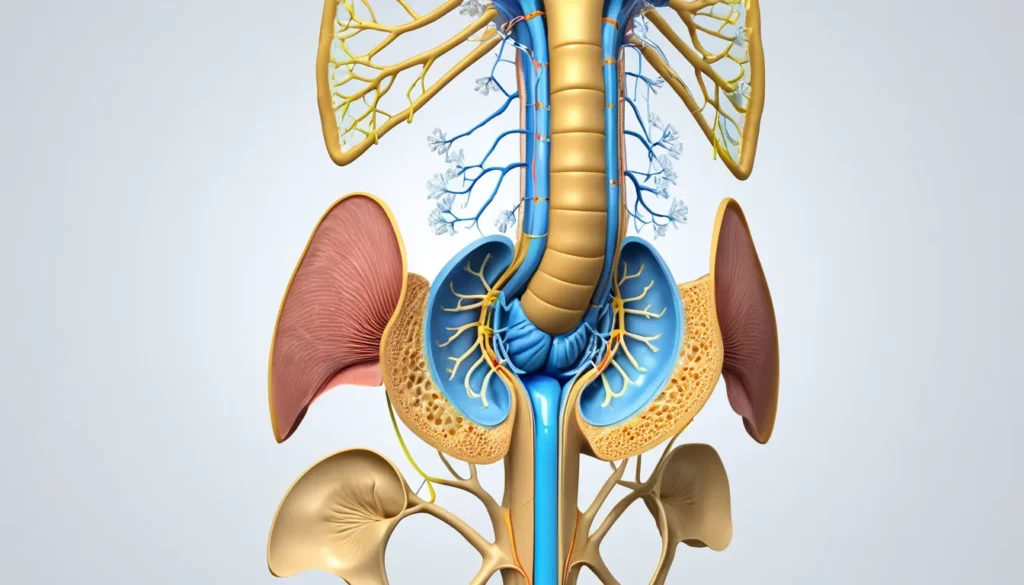
Your bladder is a muscular organ that collects urine from your kidneys and holds it until you are ready to go. A muscle called the urethral sphincter keeps the bladder sealed until the right moment. When the bladder fills up, it sends signals to your brain. Your brain then decides when to relax the sphincter and allow urination to happen.
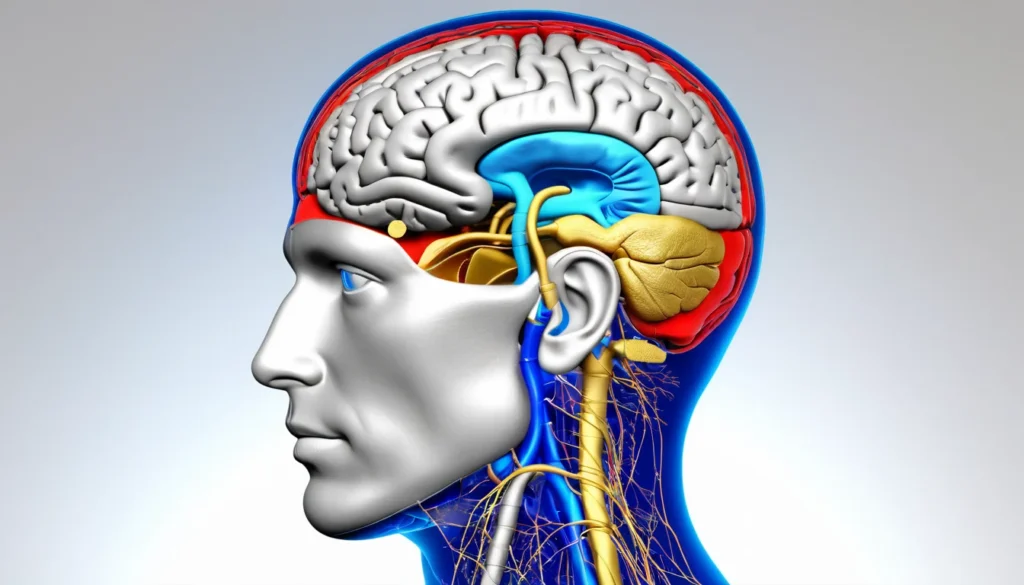
In people with Parkinson’s disease, degenerative changes in an area of the brain called the basal ganglia interfere with these nerve signals. As a result, the bladder can become overactive or difficult to control. According to Mayo Clinic’s overview of Parkinson’s disease, non-motor symptoms like bladder dysfunction are a significant part of the condition and deserve proper medical attention.
Urinary Incontinence in Parkinson’s Disease: Common Symptoms
Bladder problems in Parkinson’s disease can show up in several different ways. The severity of these symptoms often — but not always — reflects how advanced the disease is. Knowing what to watch for helps you get the right support sooner.
Frequent Urination
Frequent urination means feeling the need to urinate every hour or two, even when the bladder is not full. For most adults, a normal bladder empties every two to three hours. In Parkinson’s disease, the brain’s reduced ability to suppress bladder contractions means even small amounts of urine can trigger urgency.
This can be frustrating and exhausting. Furthermore, it can seriously disrupt sleep, which is already a challenge for many people living with Parkinson’s. Doctors often suggest limiting fluids in the evening and emptying the bladder before bed to help manage nighttime trips to the bathroom.
Urgency — The Sudden Need to Urinate
Urinary urgency is the sudden, intense need to urinate that is hard to delay. It often happens without much warning. This symptom can interfere with daily activities, social life, and sleep quality.
If left untreated, urgency can lead to serious complications. These include chronic urinary tract infections (UTIs), a reduced bladder capacity, kidney problems, and a worsening of other Parkinson’s symptoms. In addition, untreated urgency has been linked to pelvic inflammatory disease and, in rare severe cases, sepsis — a life-threatening response to infection.
Nighttime Bedwetting (Nocturnal Enuresis)
Nocturnal enuresis means losing bladder control during sleep. Studies suggest that roughly 2% of adults experience this at some point. In the context of Parkinson’s disease, it becomes more common as the condition progresses.
There are two types of nocturnal enuresis. Primary enuresis starts in childhood and continues into adulthood, with no more than six months of dry periods. Secondary enuresis begins later in life, sometimes after years without any issues, and is more commonly associated with conditions like Parkinson’s disease.
Treatment approaches for nocturnal enuresis include:
Reducing fluid intake after midday to lower nighttime urine production
Bladder training during the day by gradually delaying urination by two to three hours
Using a moisture-sensing alarm device that wakes you as soon as wetness is detected
Setting a scheduled nighttime bathroom routine at fixed intervals
Incomplete Bladder Emptying
Some people with Parkinson’s feel persistent pressure or fullness in the bladder even after urinating. This happens because the bladder has not emptied completely. The rigidity that Parkinson’s causes in pelvic floor muscles can prevent the urethral sphincter from relaxing fully, leaving urine behind.
This leftover urine creates a warm environment where bacteria can grow. Therefore, incomplete emptying significantly raises the risk of urinary tract infections. It is important to tell your doctor if you regularly feel like your bladder is not fully empty after using the washroom.
It is also worth noting that some anticholinergic medications — drugs used in Parkinson’s treatment to reduce tremors by relaxing smooth muscle — can make incomplete emptying worse as a side effect.
Difficulty Starting Urination
Some people with Parkinson’s disease have trouble starting the flow of urine, even when they feel a strong urge to go. This is called urinary hesitancy. It happens when the urethral sphincter tightens at the wrong moment or when the bladder muscles cannot contract with enough force.
Urinary hesitancy can be uncomfortable and stressful. It may also increase the risk of bladder infections due to urine being held for too long or not fully expelled.
Managing Bladder Problems With Parkinson’s Disease
The good news is that many bladder symptoms related to Parkinson’s disease can be managed effectively. A combination of lifestyle changes, bladder training, medications, and supportive products can significantly improve quality of life. Your family doctor or a specialist such as a urologist or neurologist can help you build a plan that suits your needs.
Lifestyle and Behavioural Changes
Simple daily habits can make a meaningful difference. Reducing caffeine and alcohol intake helps because both irritate the bladder. Staying well hydrated during the day — while tapering off fluids in the evening — supports healthy bladder function without triggering nighttime urgency.
Bladder training is another effective strategy. This involves gradually increasing the time between bathroom visits to help the bladder hold more urine. Pelvic floor exercises, often called Kegel exercises, can also strengthen the muscles that support bladder control. Healthline’s guide to pelvic floor exercises for bladder control offers a helpful starting point for building this habit.
Medications
Several medications can help calm an overactive bladder. Anticholinergic drugs and beta-3 adrenergic agonists are commonly prescribed to reduce bladder contractions. However, because anticholinergics can also worsen cognitive symptoms in some people with Parkinson’s, your doctor will weigh the benefits and risks carefully before prescribing them.
Always speak with your doctor or pharmacist before starting, stopping, or changing any medication. Your provincial health plan may cover certain bladder medications — your pharmacist can help clarify what is available under your provincial drug benefit programme.
Continence Products
Even when treatment is in place, there are times when continence products are helpful. Absorbent pads, protective underwear, and external collection devices can provide practical support and reduce anxiety about accidents. These products allow people to stay active and socially engaged without fear.
Many Canadians are not aware that some continence supplies may be partially covered through provincial home care programmes or disability supports, depending on your province. Ask your healthcare provider or contact your local home care coordinator for more information.
When to See a Doctor
If you or a loved one with Parkinson’s disease notices changes in bladder habits, do not wait. Bladder problems are treatable, and early action prevents complications. You should speak with a healthcare provider if you experience:
Frequent urination that interrupts daily activities or sleep
A sudden, uncontrollable urge to urinate
Leaking urine before reaching the washroom
Pain or burning during urination
Blood in the urine
A feeling that the bladder is never fully empty
Fever alongside any of the above, which may indicate a urinary tract infection
Start by booking an appointment with your family doctor. If you do not have one, a walk-in clinic is a good first step. Your doctor may refer you to a urologist, a neurologist, or a continence nurse specialist depending on your situation. For additional background, Health Canada provides resources to help Canadians navigate specialist care through their provincial health systems.
Remember, bladder problems are a recognized medical symptom — not something to feel embarrassed about. Healthcare providers hear about these concerns every day and are there to help.
Frequently Asked Questions
Is urinary incontinence a common symptom of Parkinson’s disease?
Yes, urinary incontinence in Parkinson’s disease is very common. Many people with Parkinson’s experience some form of bladder dysfunction due to changes in how the brain communicates with the bladder. The severity varies from person to person and does not always match the overall stage of the disease.
Why does Parkinson’s disease cause bladder problems?
Parkinson’s disease damages the basal ganglia — an area of the brain that helps regulate bladder control. When these nerve pathways are disrupted, the bladder can become overactive, making it difficult to hold urine or fully empty the bladder. This is why urinary symptoms are considered a non-motor feature of Parkinson’s disease.
Can bladder problems from Parkinson’s disease be treated?
In many cases, yes. Urinary incontinence in Parkinson’s disease can often be managed with a combination of bladder training, lifestyle changes, pelvic floor exercises, and medications. Your doctor can help identify the right approach for your specific symptoms and overall health.
What is the difference between urgency and stress incontinence in Parkinson’s disease?
Urgency incontinence involves a sudden, strong urge to urinate that leads to leaking before you reach the washroom. Stress incontinence, by contrast, involves leaking during physical activity like coughing or sneezing. In Parkinson’s disease, urgency incontinence is more common due to the overactive bladder caused by nervous system changes.
Should I go to a walk-in clinic or my family doctor for bladder problems related to Parkinson’s?
Either is a good starting point. If you have a family doctor, they are the best first contact because they already know your Parkinson’s treatment history. If you do not have a family doctor or cannot get a timely appointment, a walk-in clinic can assess your symptoms, check for infections, and provide referrals if needed.
Are continence products covered under Canadian provincial health plans?
Coverage varies by province. Some provincial home care and assistive devices programmes offer partial or full funding for continence supplies for people with qualifying conditions, including neurological disorders like Parkinson’s disease. Ask your family doctor, home care coordinator, or provincial health authority about what may be available in your area.
Key Takeaways
Urinary incontinence in Parkinson’s disease is a common and treatable non-motor symptom.
Bladder problems occur because Parkinson’s disrupts the brain signals that control urination.
Common symptoms include frequent urination, urgency, nighttime bedwetting, incomplete emptying, and difficulty starting urination.
Lifestyle changes, bladder training, pelvic floor exercises, and medications can all help manage symptoms effectively.
Untreated bladder problems can lead to serious complications, including urinary tract infections and kidney issues.
Canadians should speak with their family doctor or visit a walk-in clinic — bladder health is a medical issue that deserves proper care.
Always consult your doctor before making changes to your treatment plan or starting new medications.