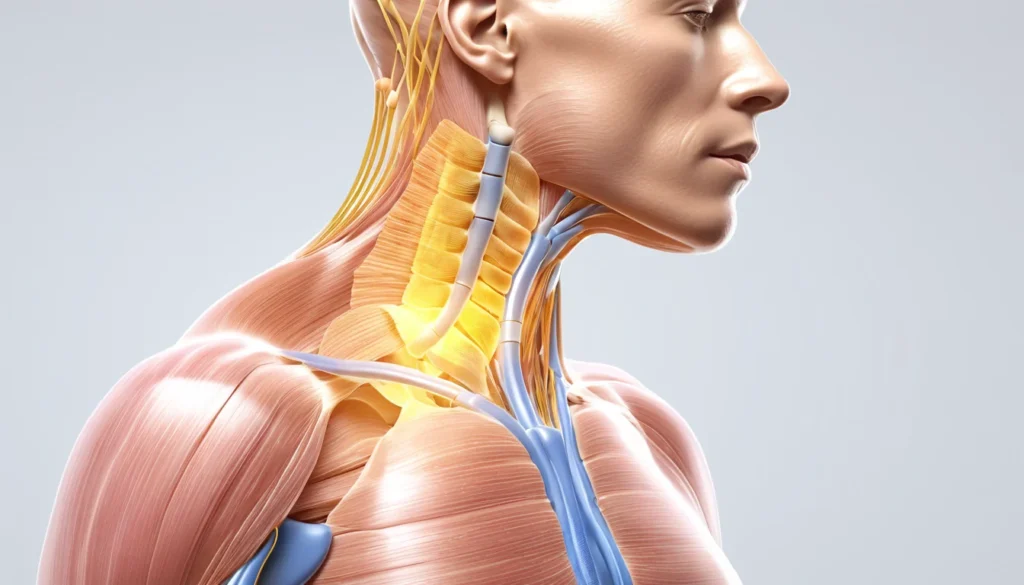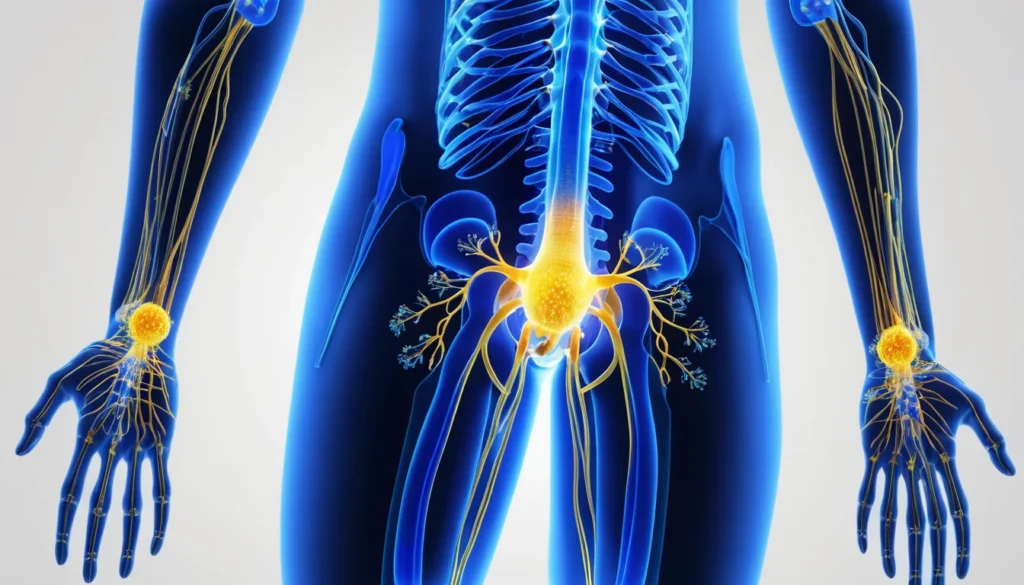
Have you ever felt a strange tingling, numbness, or “pins and needles” sensation on your skin — even when nothing is touching you? This is called paresthesia. It happens when nerve fibres are irritated or damaged, and it can affect your hands, feet, arms, legs, or face. This article explains what paresthesia is, what causes it, and when you should talk to a healthcare provider.
What Is Paresthesia?
Paresthesia is an abnormal skin sensation that is usually painless but can feel very uncomfortable. Common descriptions include tingling, numbness, a “cardboard” or stiff feeling on the skin, or a crawling sensation.
These feelings happen without any obvious physical trigger — you are not being touched, but your skin sends signals as if something is there. This occurs because the nerve fibres that carry sensory signals to your brain are not working properly.
Paresthesia is not a disease on its own. Instead, it is a symptom — a sign that something else may be going on with your nervous system. Understanding what is behind your paresthesia is the key to treating it effectively.
Types of Paresthesia: Temporary vs. Chronic
Not all paresthesia is the same. Doctors generally divide it into two types: temporary and chronic.
Temporary Paresthesia
Temporary paresthesia is extremely common and usually harmless. For example, if you sit cross-legged for too long, you may feel that familiar “pins and needles” feeling when you stand up. This happens because pressure briefly cuts off blood flow or compresses a nerve.
As soon as you move and relieve the pressure, the sensation fades within a few minutes. This type of paresthesia does not require any treatment. It is simply your nerves waking back up after being briefly compressed.
Chronic Paresthesia
Chronic paresthesia lasts for a long time or keeps coming back, even without an obvious trigger. This form is more concerning and is often linked to an underlying medical condition. If you experience ongoing tingling or numbness, it is important to speak with your family doctor or visit a walk-in clinic.
Common Causes of Paresthesia
There are many possible causes of paresthesia. Some are minor and easy to treat, while others require more attention. Below are the most common reasons people experience this sensation.
Nerve Compression or Injury
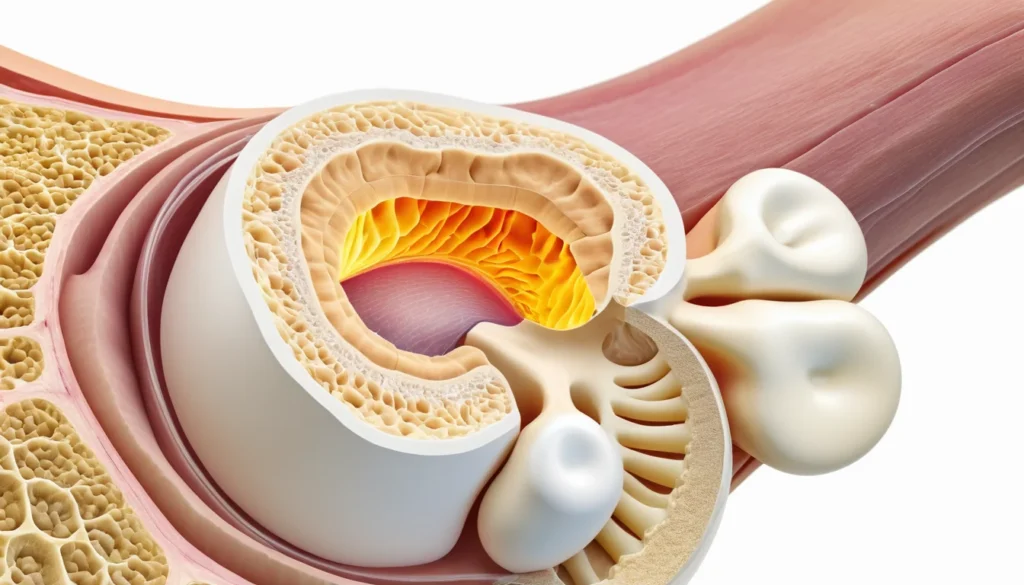
One of the most frequent causes is pressure on a nerve. This can happen due to a herniated disc in the spine, carpal tunnel syndrome in the wrist, or an injury to a limb. When a nerve is squeezed or damaged, it sends abnormal signals — including tingling and numbness — to the affected area.
Carpal tunnel syndrome, for instance, is very common in Canada among people who type at a keyboard for long hours. It causes paresthesia in the fingers, especially at night.
Poor Circulation
When blood flow to a part of the body is reduced, the nerves in that area may not get enough oxygen and nutrients. As a result, you may feel tingling or numbness. Conditions like peripheral artery disease or even prolonged sitting in a cold environment can contribute to this.
Diabetes
Diabetes is one of the leading causes of chronic paresthesia in Canada. High blood sugar levels damage the small blood vessels that feed the nerves, leading to a condition called diabetic neuropathy. This often starts with tingling and numbness in the feet and slowly moves upward.
According to Health Canada, diabetes affects millions of Canadians. If you have diabetes and notice new tingling sensations, tell your doctor right away.
Vitamin Deficiencies
Your nerves need certain vitamins to function properly — especially vitamin B12. A lack of B12 can cause nerve damage over time, leading to paresthesia. This is more common in older adults, vegetarians, and people who take certain medications like metformin for diabetes.
In addition, low levels of vitamin D, vitamin B6, or magnesium can also contribute to tingling and numbness. A simple blood test from your family doctor can check your levels.
Neurological Conditions
Several neurological conditions can cause paresthesia. Multiple sclerosis (MS) is one well-known example — it damages the protective coating around nerve fibres, disrupting the signals they send. In fact, tingling and numbness are often among the first symptoms people with MS notice.
Other neurological causes include stroke, transient ischemic attacks (mini-strokes), and epilepsy. These conditions require prompt medical evaluation. You can learn more from the Mayo Clinic’s guide to numbness and tingling.
Infections and Inflammation
Some infections can affect the nervous system and cause paresthesia. Lyme disease, shingles (herpes zoster), and HIV are all examples. Inflammatory conditions like lupus or rheumatoid arthritis can also irritate nerves.
Furthermore, Guillain-Barré syndrome — a rare but serious condition where the immune system attacks the nerves — often begins with tingling in the hands and feet. If tingling spreads quickly and is accompanied by weakness, seek care immediately.
Medications and Toxins
Certain medications can cause paresthesia as a side effect. These include some chemotherapy drugs, anti-seizure medications, and certain antibiotics. Alcohol overuse is also a common cause of nerve damage and tingling, particularly in the feet.
If you started a new medication and then noticed tingling, mention this to your pharmacist or doctor. Do not stop taking a prescribed medication without speaking to a healthcare professional first.
Anxiety and Hyperventilation
Believe it or not, anxiety can cause paresthesia. When you breathe too quickly during a panic attack, you change the balance of gases in your blood. This can cause tingling around the mouth, in the hands, and in the feet. However, anxiety-related paresthesia is usually temporary and resolves once breathing returns to normal.
Symptoms Associated With Paresthesia
Paresthesia itself is a symptom, but it often comes with other sensations. Knowing what to look for can help your doctor identify the cause more quickly.
Common sensations associated with paresthesia include:
Tingling or “pins and needles”
Numbness or reduced sensation
A feeling of skin stiffness or tightness, as if the skin were made of cardboard
Burning or cold sensations without a temperature change
Itching with no visible rash
A crawling or buzzing feeling under the skin
Weakness in the affected area (in more serious cases)
These sensations can come and go, or they can be constant. They may affect one small area or spread over a larger part of the body. The pattern often gives doctors important clues about the underlying cause.
How Is Paresthesia Diagnosed?
If you visit your family doctor or a walk-in clinic with complaints of ongoing tingling or numbness, they will start with a thorough history and physical exam. They will ask where the sensation is, how long it lasts, and whether anything makes it better or worse.
Tests Your Doctor May Order
Depending on your symptoms, your doctor may recommend one or more of the following:
Blood tests — to check for diabetes, vitamin deficiencies, thyroid problems, or signs of infection or inflammation
Nerve conduction studies — to measure how well your nerves carry electrical signals
MRI or CT scans — to look for problems in the brain or spine that might be pressing on nerves
Electromyography (EMG) — to assess muscle and nerve function together
Ultrasound — sometimes used to detect nerve compression at specific sites like the wrist or elbow
Your provincial health plan may cover many of these tests when they are ordered by a physician. However, coverage can vary by province, so it is worth confirming with your local health authority or family doctor’s office.
How Is Paresthesia Treated?
Treatment for paresthesia depends entirely on the underlying cause. There is no single cure — instead, doctors focus on treating what is driving the nerve irritation or damage.
Treating the Underlying Cause
If diabetes is causing your paresthesia, better blood sugar control is the most important step. If a vitamin deficiency is to blame, supplementation can make a significant difference. If a compressed nerve is the issue, physiotherapy, a splint, or in some cases surgery may help.
For conditions like multiple sclerosis or lupus, your doctor will refer you to a specialist. In Canada, this may mean seeing a neurologist, rheumatologist, or other specialist through your provincial referral system — though wait times can vary across the country.
Lifestyle Changes That Can Help
In addition to medical treatment, certain lifestyle changes may ease paresthesia or prevent it from getting worse:
Eating a balanced diet rich in fibre, B vitamins, and healthy fats to support nerve health
Reducing alcohol intake
Exercising regularly to improve circulation
Avoiding prolonged positions that compress nerves (such as crossing your legs for long periods)
Managing blood sugar levels if you have diabetes
Quitting smoking, which can impair circulation
According to Healthline’s overview of paresthesia, regular physical activity and a healthy diet can significantly reduce nerve-related symptoms in many people.
Pain Relief and Medications
Some people with chronic paresthesia experience burning or uncomfortable sensations that interfere with daily life. Doctors may prescribe medications to help manage these symptoms, including certain antidepressants, anti-seizure medications, or topical creams. These do not cure the underlying problem, but they can improve quality of life while the root cause is being addressed.
When to See a Doctor
Temporary tingling that goes away quickly is usually nothing to worry about. However, you should make an appointment with your family doctor or visit a walk-in clinic if:
The tingling or numbness lasts more than a few minutes without an obvious cause
It keeps coming back regularly
It is spreading to new areas of the body
It is accompanied by weakness, difficulty walking, or loss of coordination
You also have dizziness, vision changes, or slurred speech
The sensation follows a new medication you have started
You have diabetes and notice new nerve symptoms
Seek emergency care immediately if tingling or numbness comes on suddenly, affects one side of your body, and is accompanied by facial drooping, arm weakness, or speech difficulty. These can be signs of a stroke, and every minute counts.
Most provinces have Health Links or nurse advice lines you can call for guidance. In Ontario, for example, you can call Health811 (formerly Telehealth Ontario) at any time of day or night to speak with a registered nurse.
Frequently Asked Questions About Paresthesia
What does paresthesia feel like?
Paresthesia typically feels like tingling, numbness, burning, or a “pins and needles” sensation on the skin. Some people describe it as a stiff or “cardboard-like” feeling. These sensations happen without any physical touch and can affect the hands, feet, arms, legs, or face.
Is paresthesia dangerous?
Temporary paresthesia — like the tingling you feel after sitting cross-legged — is harmless. However, chronic or recurring paresthesia can be a sign of an underlying condition such as diabetes, a vitamin deficiency, or a neurological disorder. It is always best to have persistent paresthesia evaluated by a doctor.
Can anxiety cause paresthesia?
Yes, anxiety and panic attacks can cause paresthesia, particularly around the mouth, hands, and feet. This happens because rapid breathing during anxiety changes the balance of carbon dioxide in your blood. Once breathing normalises, the tingling sensation from paresthesia usually fades quickly.
What vitamin deficiency causes paresthesia?
Vitamin B12 deficiency is one of the most common nutritional causes of paresthesia. Without enough B12, the protective covering around nerve fibres can break down, leading to tingling and numbness. Low levels of vitamin B6, vitamin D, and magnesium can also contribute to nerve-related symptoms.
How is paresthesia treated in Canada?
Treatment for paresthesia in Canada depends on the underlying cause and is typically managed through your family doctor or a specialist referral under your provincial health plan. Common approaches include treating diabetes, correcting vitamin deficiencies, physiotherapy for nerve compression, or medications to manage discomfort. Always consult a healthcare provider for a proper diagnosis.
When should I go to the emergency room for paresthesia?
You should go to the emergency room immediately if paresthesia comes on suddenly and is accompanied by weakness on one side of your body, facial drooping, slurred speech, or vision changes. These can be warning signs of a stroke. Sudden, severe paresthesia without a clear cause always warrants urgent medical attention.
Key Takeaways
Paresthesia is an abnormal skin sensation — such as tingling, numbness, or a “pins and needles” feeling — caused by irritated or damaged nerve fibres. Temporary paresthesia (from crossing your legs, for example) is harmless. Chronic or recurring paresthesia needs medical evaluation. Common causes include nerve compression,