Parathyroid hormone (PTH) is a chemical messenger your body makes to control calcium and phosphorus levels in your blood and bones. Without it, your muscles, nerves, and heart could not work properly. This guide explains what parathyroid hormone does, what happens when levels are too high or too low, and when to talk to your family doctor or visit a walk-in clinic.
What Is Parathyroid Hormone?
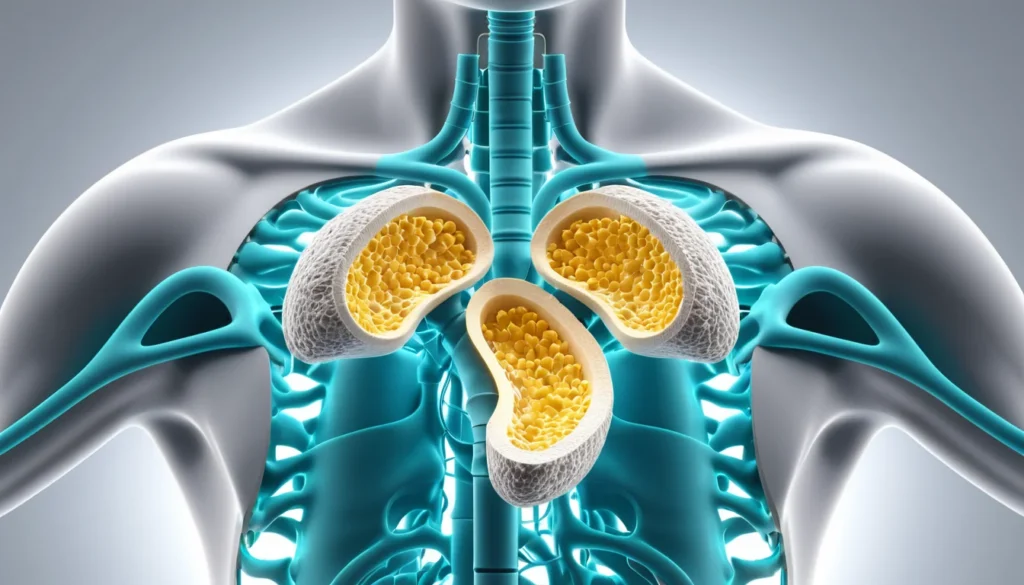
Parathyroid hormone is produced by four tiny glands called the parathyroid glands. These glands sit behind your thyroid gland in your neck. Despite the similar name, parathyroid glands are completely separate from the thyroid gland and do a very different job.
PTH acts like a control switch for calcium in your body. When calcium in your blood drops too low, your parathyroid glands release more PTH. When calcium rises high enough, PTH release slows down. This feedback loop keeps your body in balance.
You may also hear PTH called parathormone. Both terms mean exactly the same thing. Doctors and lab reports in Canada may use either name.
How Parathyroid Hormone Controls Calcium and Phosphorus
Calcium is one of the most important minerals in your body. It helps your heart beat, your muscles contract, your nerves send signals, and your blood clot properly. Your body must keep calcium within a very narrow range at all times.
Parathyroid hormone manages calcium levels in three main ways:
Bones: PTH signals your bones to release stored calcium into the bloodstream.
Kidneys: PTH tells your kidneys to hold onto calcium instead of flushing it out in urine. It also helps your kidneys activate vitamin D.
Intestines: Through activated vitamin D, PTH helps your intestines absorb more calcium from the food you eat.
Phosphorus works closely with calcium in your body. However, PTH actually lowers phosphorus levels in the blood. It does this by telling the kidneys to remove more phosphorus through urine. This balance between calcium and phosphorus is essential for healthy bones and normal cell function.
The Role of Vitamin D in PTH Function
PTH and vitamin D work as a team. PTH activates a form of vitamin D in your kidneys. That active vitamin D then helps your gut absorb calcium from food. If your vitamin D levels are low, your parathyroid glands may work harder to keep calcium levels up. This is one reason why vitamin D deficiency is common in Canada, especially during long winters, and why it can affect your PTH levels.
For more information on calcium and vitamin D, visit Health Canada’s nutrient information on calcium.
What Happens When Parathyroid Hormone Is Too High
When your body makes too much parathyroid hormone, doctors call this hyperparathyroidism. It is more common than many people realize, and it often has no obvious symptoms in the early stages.
Too much PTH pulls too much calcium out of your bones and into your blood. Over time, this can weaken your bones and raise your risk of fractures. High blood calcium, called hypercalcaemia, can also affect your kidneys, digestion, and mood.
Symptoms of High PTH Levels
Common signs of hyperparathyroidism include:
Feeling tired or weak without a clear reason
Bone pain or joint aches
Kidney stones
Frequent urination and increased thirst
Nausea, stomach pain, or constipation
Difficulty concentrating or feeling depressed
In many cases, high PTH is discovered during routine blood work before any symptoms appear. Therefore, regular check-ups with your family doctor are important for catching this early.
Primary vs. Secondary Hyperparathyroidism
There are two main types. Primary hyperparathyroidism happens when one or more parathyroid glands grow a benign (non-cancerous) tumour and produce too much PTH on their own. Secondary hyperparathyroidism happens when another condition, such as chronic kidney disease or low vitamin D, causes the glands to overproduce PTH as a response. Your doctor will run tests to find out which type you have, because the treatment is different for each.
Learn more about hyperparathyroidism from the Mayo Clinic’s guide to hyperparathyroidism.
What Happens When Parathyroid Hormone Is Too Low
Too little parathyroid hormone leads to a condition called hypoparathyroidism. This is less common than hyperparathyroidism. It often develops after neck surgery, such as thyroid removal, if the parathyroid glands are accidentally damaged or removed during the procedure.
When PTH is too low, calcium in the blood drops. This causes a condition called hypocalcaemia. Low blood calcium affects how your nerves and muscles work.
Symptoms of Low PTH Levels
Symptoms of hypoparathyroidism and low calcium can include:
Muscle cramps or spasms, especially in the hands, feet, or face
Tingling or numbness around the mouth, fingers, or toes
Muscle twitching
Fatigue and weakness
Anxiety or mood changes
Dry skin, brittle nails, or coarse hair
Severe low calcium can cause seizures or dangerous heart rhythm problems. As a result, this condition needs prompt medical attention. If you experience sudden muscle spasms or numbness, do not wait — see a doctor right away.
How Doctors Test Parathyroid Hormone Levels
A PTH blood test is the main way to measure parathyroid hormone. Your doctor will order this test along with a blood calcium test. Results are interpreted together, because the two values only make sense when compared side by side.
In Canada, your family doctor can order this test through your provincial health plan. No specialist referral is needed to start the process. Results are usually available within a few days.
What Do Normal PTH Levels Look Like?
Normal PTH levels in adults generally fall between 15 and 65 picograms per millilitre (pg/mL). However, reference ranges can vary slightly between laboratories. Your doctor will explain what your specific results mean in the context of your overall health and your calcium levels.
In addition to blood tests, your doctor may order a bone density scan (DEXA scan) or a kidney ultrasound if they suspect parathyroid problems have already affected your bones or kidneys.
Treatment Options for Parathyroid Hormone Problems
Treatment depends on whether PTH is too high or too low, and on what is causing the imbalance.
For mild primary hyperparathyroidism, some people need no treatment right away. Instead, doctors monitor calcium levels, kidney function, and bone density over time. For more serious cases, surgery to remove the overactive gland is often recommended. This surgery has a high success rate.
For secondary hyperparathyroidism, treating the root cause is the priority. This may involve correcting a vitamin D deficiency, managing kidney disease, or adjusting the diet. Medications are also available to help control PTH levels in people with chronic kidney disease.
For hypoparathyroidism, treatment usually involves calcium supplements and active vitamin D (calcitriol) taken daily. In some cases, injectable PTH therapy is now available in Canada. Your doctor or endocrinologist will help find the right approach for you.
For a broader look at parathyroid disorders, Healthline’s overview of parathyroid diseases offers helpful information.
When to See a Doctor
You should talk to your family doctor if you notice any of the symptoms described in this article, especially unexplained fatigue, bone pain, muscle cramps, or kidney stones. These symptoms can have many causes, and a simple blood test can help rule out a parathyroid problem.
If you do not have a family doctor, a walk-in clinic can order the initial blood tests for calcium and PTH. Many provinces also offer virtual care options through their health portals, making it easier to get advice without leaving home.
Seek emergency care immediately if you experience seizures, severe muscle spasms, or an irregular heartbeat. These can be signs of dangerously low calcium and need urgent treatment. Always consult a qualified healthcare provider before making any changes to your medications or supplements.
Frequently Asked Questions About Parathyroid Hormone
What does parathyroid hormone do in the body?
Parathyroid hormone regulates calcium and phosphorus levels in your blood and bones. It signals your bones, kidneys, and intestines to raise calcium when levels drop too low. Without proper PTH function, your nerves and muscles cannot work correctly.
What are the symptoms of high parathyroid hormone levels?
High parathyroid hormone levels can cause fatigue, bone pain, kidney stones, frequent urination, nausea, and mood changes. Many people have no symptoms at all and only find out through routine blood work. If you notice any of these signs, ask your doctor about a PTH and calcium blood test.
What causes low parathyroid hormone?
Low parathyroid hormone is most often caused by damage to the parathyroid glands during neck or thyroid surgery. It can also result from autoimmune conditions or certain genetic disorders. Low PTH leads to low blood calcium, which causes muscle cramps, tingling, and in severe cases, seizures.
How is a parathyroid hormone test done in Canada?
A parathyroid hormone test is a simple blood draw ordered by your family doctor or a walk-in clinic physician. It is covered under most provincial health plans and is usually done alongside a blood calcium test. Results are typically ready within a few days.
Is parathyroid hormone the same as parathormone?
Yes, parathyroid hormone and parathormone refer to the same substance. Both terms describe the hormone produced by the parathyroid glands that controls calcium and phosphorus in the body. You may see either term used on lab reports or in medical literature.
Can vitamin D deficiency affect parathyroid hormone levels?
Yes, low vitamin D is a common cause of elevated parathyroid hormone levels in Canada, especially during winter months. When vitamin D is low, the body absorbs less calcium from food, which triggers the parathyroid glands to produce more PTH. Correcting a vitamin D deficiency often helps bring PTH levels back to normal.
Key Takeaways
Parathyroid hormone (PTH) is made by four small glands in your neck and controls calcium and phosphorus levels in your body.
PTH works through your bones, kidneys, and intestines to keep blood calcium in a safe range at all times.
Too much PTH (hyperparathyroidism) can weaken bones, cause kidney stones, and lead to high blood calcium.
Too little PTH (hypoparathyroidism) causes low blood calcium, leading to muscle cramps, tingling, and in severe cases, seizures.
A simple blood test through your family doctor or walk-in clinic can measure your PTH and calcium levels, covered by most provincial health plans.
Vitamin D deficiency is a common trigger for high PTH in Canada and is often correctable with supplements.
Always speak with a qualified healthcare provider before changing medications or supplements related to calcium or parathyroid health.