Parasites in humans are organisms that live and grow inside or on the human body, feeding off their host to survive. They can affect your tissues, blood, or digestive system — often without obvious signs at first. This article explains what parasites are, the most common types found in Canada and abroad, how to spot the symptoms, and what to do if you think you may be infected.
What Are Parasites in Humans?
A parasite is a living organism that depends on another organism — called the host — to survive and reproduce. The parasite takes what it needs from the host’s body, including nutrients, blood, or tissue. In doing so, it often causes harm to the host.
Parasites come in many forms and sizes. Some are microscopic, like the single-celled organisms that cause malaria or giardia. Others, like tapeworms, can grow to be several metres long inside the intestines.
Most people associate parasites with travel to tropical countries. However, parasitic infections can and do occur right here in Canada. In fact, Health Canada recognizes parasitic illness as a relevant public health concern, particularly in relation to food safety and international travel.
Common Types of Parasites in Humans
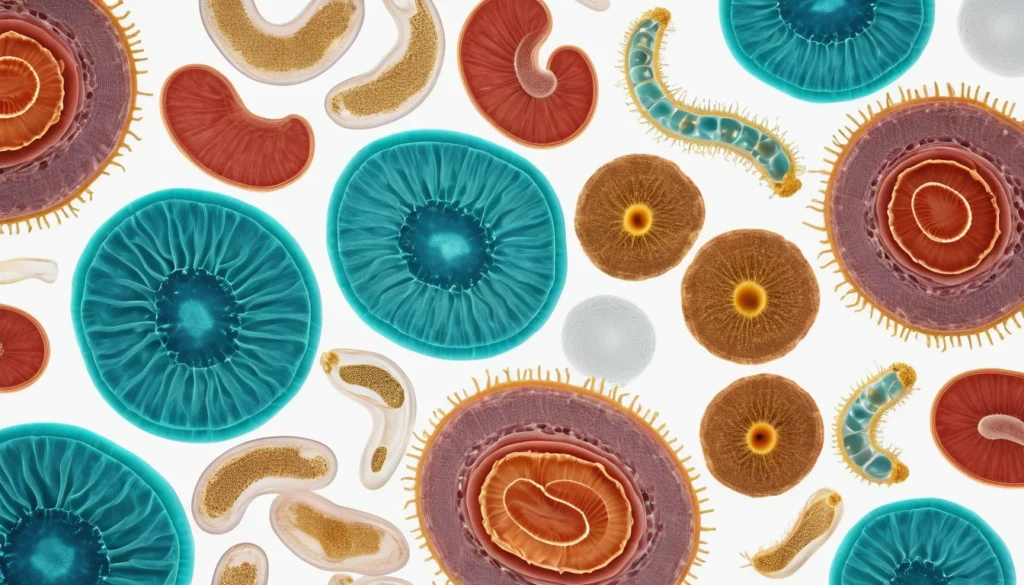
There are three main groups of parasites that affect humans. Understanding each group helps explain how infections happen and how they are treated.
Protozoa
Protozoa are single-celled organisms. They are too small to see without a microscope. Despite their size, they can cause serious illness. Examples include Giardia lamblia, which spreads through contaminated water, and Plasmodium, the parasite responsible for malaria.
In Canada, Giardia is one of the most commonly reported intestinal parasites. It spreads through drinking untreated water from lakes or streams — something hikers and campers may encounter.
Helminths
Helminths are worm-like parasites. This group includes roundworms, tapeworms, pinworms, and hookworms. They typically live in the intestines, but some can migrate to other organs and tissues.
Pinworms, for example, are surprisingly common among school-aged children in Canada. They spread easily in group settings like classrooms and daycare centres. Fortunately, they are treatable with medication from your family doctor or walk-in clinic.
Ectoparasites
Ectoparasites live on the outside of the body rather than inside it. Common examples include lice, scabies mites, ticks, and fleas. These parasites attach to skin or hair and can cause itching, irritation, and in some cases, disease.
Ticks are a growing concern in Canada. The blacklegged tick, found in parts of Ontario, Quebec, British Columbia, and the Maritimes, can transmit Lyme disease. Checking for ticks after spending time outdoors is an important habit.
How Do Humans Get Parasites?
Parasitic infections spread in several different ways. Knowing the routes of transmission helps you protect yourself and your family.
The most common ways people pick up parasites in humans include:
Contaminated food or water: Eating undercooked meat, raw fish, or drinking untreated water can introduce parasites into your digestive system.
Direct contact: Some parasites spread through skin-to-skin contact or by touching contaminated surfaces, then touching your face or mouth.
Insect bites: Mosquitoes, ticks, and sandflies can inject parasites directly into your bloodstream.
Poor hygiene: Not washing hands thoroughly after using the bathroom or before handling food increases your risk significantly.
International travel: Visiting regions with limited sanitation infrastructure raises your exposure to parasites not commonly found in Canada.
Animal contact: Pets and livestock can carry parasites that transfer to humans, especially in rural settings.
Therefore, basic hygiene practices and food safety habits remain your first line of defence against parasitic infection.
Symptoms of Parasites in Humans
Symptoms vary widely depending on the type of parasite and where it lives in your body. Some people have no symptoms at all for weeks or even months. Others feel ill quite quickly after exposure.
Digestive Symptoms
Intestinal parasites often cause digestive problems. These may include bloating, gas, nausea, diarrhoea, stomach cramps, and unexplained weight loss. You might also notice changes in stool colour or consistency.
In some cases, segments of worms or eggs may be visible in stools. This can be alarming, but it is important information to share with your doctor when seeking diagnosis.
General and Systemic Symptoms
Some parasites affect the whole body rather than just the digestive system. As a result, symptoms can be harder to link to a parasitic cause. These may include:
Fatigue and low energy
Fever and chills
Muscle aches and joint pain
Skin rashes or itching
Anaemia (low iron in the blood)
Trouble sleeping or restlessness at night
Unexplained changes in appetite
Furthermore, some parasitic infections — like malaria — can become life-threatening if not treated promptly. If you develop a high fever after travelling to a tropical region, seek medical care right away.
Skin and External Symptoms
Ectoparasites like lice or scabies cause intense itching, especially at night. You may notice small red bumps, burrow tracks under the skin, or visible insects in the hair. These symptoms are uncomfortable but highly treatable.
Diagnosing and Treating Parasites in Humans
Diagnosis depends on the type of parasite suspected. Your family doctor may order stool tests, blood tests, or skin scrapings depending on your symptoms and travel history. In some cases, imaging like an ultrasound may be needed.
According to the Mayo Clinic, treatment for parasitic infections varies based on the organism involved. Common approaches include:
Antiparasitic medications: Drugs like metronidazole, albendazole, or ivermectin target specific parasites. Your doctor will prescribe the right one based on your diagnosis.
Topical treatments: Creams or shampoos treat ectoparasites like lice and scabies at home, often alongside household cleaning measures.
Supportive care: Staying hydrated, eating well, and resting helps your body recover alongside medication.
Treating household contacts: In cases like pinworms or lice, all close contacts — including family members — may need treatment at the same time.
In Canada, most parasitic infections are covered under provincial health plans when diagnosed and treated through the public healthcare system. Your family doctor or a walk-in clinic can guide you through the process.
Preventing Parasitic Infections in Canada and Abroad
Prevention is always better than treatment. Fortunately, most common parasitic infections are preventable with consistent habits.
Food and Water Safety
Always cook meat to the recommended internal temperature. Avoid raw or undercooked fish and shellfish unless you are confident in its preparation. When camping or hiking, use a water filter or purification tablets before drinking from natural water sources.
Wash all fruits and vegetables thoroughly before eating. In countries with poor sanitation, stick to bottled or boiled water and avoid raw produce that may have been washed in local tap water.
Hygiene Habits
Wash your hands with soap and water after using the toilet, before eating, and after handling animals or soil. This single habit prevents a large proportion of parasitic infections.
Keep children’s fingernails short and clean, especially during pinworm season. Remind children not to scratch the anal area and to wash hands frequently at school and daycare centres.
Travel Precautions
If you are travelling to a tropical or developing country, speak with your doctor or a travel health clinic before you go. Pre-travel consultations are available through many provincial health programmes. Your doctor may recommend preventive medication for malaria or other parasitic risks specific to your destination.
The World Health Organization provides up-to-date travel health advisories for countries where parasitic diseases are endemic. Checking these before your trip is a smart step.
Protecting Against Tick and Insect Bites
Wear long sleeves and pants when walking in wooded or grassy areas. Use an insect repellent containing DEET or icaridin. After spending time outdoors, check your entire body — including the scalp, behind the ears, and the back of the knees — for ticks.
If you find a tick, remove it promptly with fine-tipped tweezers. Contact your doctor if you develop a rash, fever, or flu-like symptoms within a few weeks of a tick bite.
When to See a Doctor
It is important to see a healthcare provider if you suspect a parasitic infection. Do not try to self-diagnose or self-treat based on symptoms alone, as many conditions share similar signs.
Visit your family doctor or a walk-in clinic if you experience any of the following:
Ongoing diarrhoea or stomach cramps lasting more than a few days
Unexplained weight loss or loss of appetite
Visible worms or unusual material in your stool
Intense itching around the anus, especially at night
A skin rash or unexplained itching that does not improve
Fever and chills after returning from international travel
Fatigue that does not improve with rest
Your doctor can order the right tests and confirm a diagnosis quickly. Most parasitic infections respond well to treatment when caught early. If you are unsure where to go, a walk-in clinic is a convenient first step and your visit will typically be covered under your provincial health plan.
Always consult your doctor or a qualified healthcare provider before starting any treatment for a suspected parasitic infection. This article is for general information only and does not replace professional medical advice.
Frequently Asked Questions About Parasites in Humans
What are the most common parasites in humans in Canada?
In Canada, the most common parasites in humans include Giardia lamblia (from contaminated water), pinworms (especially in children), and ticks that can carry Lyme disease. Travellers returning from tropical regions may also bring back parasites like Cryptosporidium or intestinal worms. Your family doctor can test for these if you have symptoms.
How do I know if I have a parasitic infection?
Common signs of parasites in humans include digestive problems like bloating, diarrhoea, and cramping, as well as fatigue, unexplained weight loss, and itching around the anal area. However, some infections cause no obvious symptoms at all. A stool test or blood test from your doctor is the only reliable way to confirm an infection.
Can you get parasites from your pet in Canada?
Yes, some parasites in humans can be transmitted from pets, including roundworms, hookworms, and Toxoplasma gondii from cats. Washing hands after handling pets, cleaning up animal waste promptly, and keeping pets on regular deworming programmes recommended by your vet reduces this risk significantly.
Are parasitic infections covered by provincial health plans in Canada?
In most provinces, diagnosis and treatment of parasitic infections through your family doctor or walk-in clinic are covered under your provincial health plan. This includes doctor visits, standard lab tests, and prescribed medications. Coverage for travel-related preventive medication may vary by province, so check with your provider before travelling.
How are parasites in humans treated?
Treatment depends on the type of parasite involved. Most parasites in humans are treated with prescription antiparasitic medications, such as metronidazole for Giardia or albendazole for intestinal worms. Ectoparasites like lice or scabies are treated with topical creams or medicated shampoos available through your doctor or pharmacist.
Can parasites in humans go away on their own?
Some mild parasitic infections may resolve on their own if the immune system is strong enough, but this is not reliable or recommended. Many parasites in humans will persist or worsen without proper treatment, and some can cause serious complications over time. Always speak with your doctor if you suspect an infection rather than waiting it out.
Key Takeaways
Parasites in humans are organisms that live off a human host, feeding on blood, tissue, or nutrients. The three main types are protozoa (single-celled), helminths (worms), and ectoparasites (external, like lice and ticks). Common routes of infection include contaminated food and water, insect bites, poor hygiene, and international travel. Symptoms range from digestive upset and fatigue to skin rashes and fever — and some infections show no symptoms at all. Diagnosis requires proper testing from a doctor; treatment varies by parasite type but is usually effective. Prevention includes good hand hygiene, safe food handling, travel precautions, and tick checks after outdoor activities. In Canada, most diagnoses and treatments are covered under provincial health plans through your family doctor or walk-in clinic. Always