Paraneoplastic syndrome is a group of disorders triggered not by a tumour itself, but by the substances cancer cells release into the body. These substances can affect the nervous system, hormones, skin, joints, and blood — sometimes before a cancer diagnosis is even made. Understanding this condition can help Canadians recognize unusual symptoms early and seek timely medical care.
What Is Paraneoplastic Syndrome?
Paraneoplastic syndrome is not a single disease. It is a collective term for a range of conditions that develop as a side effect of cancer activity in the body. Statistically, about 8% of people diagnosed with cancer will develop some form of paraneoplastic syndrome.
The word “paraneoplastic” comes from the Greek para (beside) and neo (new growth). In simple terms, it refers to disorders that run alongside cancer rather than being caused directly by the tumour’s size or location. For example, a small lung tumour may cause major neurological symptoms far away from the lungs themselves.
These syndromes can affect many different organ systems. As a result, they are often mistaken for other conditions, which makes them difficult to diagnose quickly.
What Causes Paraneoplastic Syndrome?
The symptoms of paraneoplastic syndrome are not caused directly by the tumour pressing on tissue. Instead, they happen because cancer cells release hormones, proteins, and other substances that disrupt normal body functions.
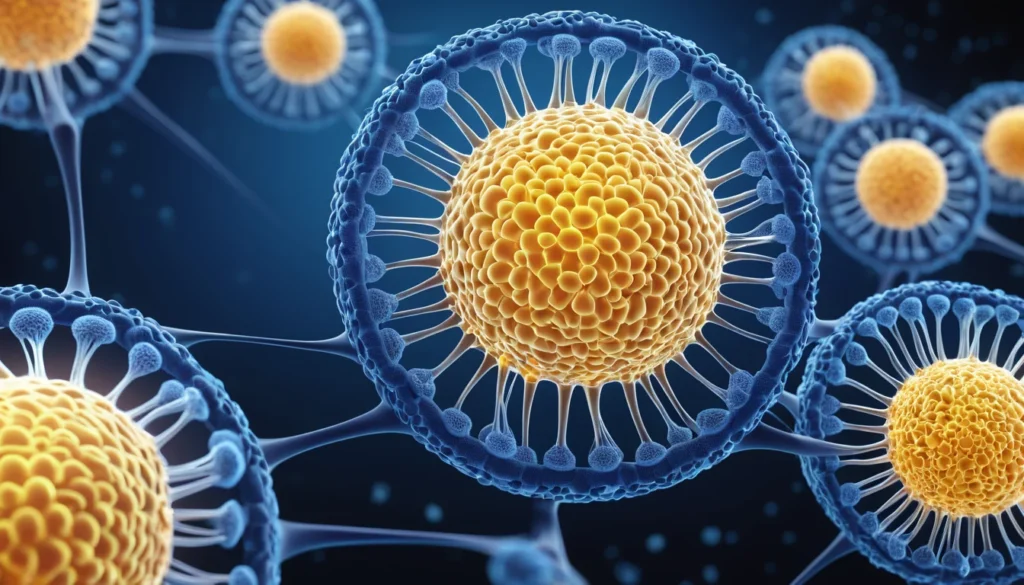
In many cases, these substances confuse the immune system. The immune system begins attacking healthy cells by mistake, because certain tumour proteins closely resemble normal body proteins. For example, some malignant tumours contain proteins that mimic the proteins found in nerve cells. The immune system then attacks both the tumour and the nervous system, causing neurological symptoms.
This autoimmune reaction is a key driver of paraneoplastic syndrome. However, not everyone with cancer will experience it. The exact reason some patients develop these syndromes and others do not is still being studied. You can learn more about how the immune system responds to cancer from Health Canada’s cancer resources.
Types of Paraneoplastic Syndrome
Paraneoplastic syndromes are grouped by the organ system they affect. Each type produces different symptoms, which is one reason diagnosis can be challenging.
Endocrine Paraneoplastic Syndrome
This type occurs when tumours release hormone-like substances. These substances disrupt the body’s hormonal balance. Common associated conditions include high or low blood calcium levels (hypercalcaemia or hypocalcaemia), Cushing’s syndrome, and carcinoid syndrome.
Cushing’s syndrome, for instance, causes the body to produce too much cortisol. This leads to weight gain, skin changes, and muscle weakness. These symptoms may appear before a cancer diagnosis is confirmed.
Neurological Paraneoplastic Syndrome
Paraneoplastic neurological syndrome is one of the most serious types. It occurs when tumour-related immune responses damage the nervous system. Conditions associated with this type include limbic encephalitis, cerebellar degeneration, myasthenia gravis, and Lambert-Eaton myasthenic syndrome.
Symptoms can include difficulty walking, memory problems, dizziness, and progressive sensory loss. These neurological symptoms may appear months before the underlying cancer is found. The Mayo Clinic provides a detailed overview of paraneoplastic neurological syndromes for patients who want to learn more.
Dermatological and Rheumatological Paraneoplastic Syndrome
This type affects the skin and joints. Common skin conditions linked to paraneoplastic syndrome include acanthosis nigricans (dark skin patches), dermatomyositis, pemphigus, and necrolytic migratory erythema.
On the rheumatological side, patients may experience hypertrophic osteoarthropathy and polymyalgia rheumatica. These cause painful swelling in the hips and knees, as well as deep bone pain in the long bones of the arms and legs.
Haematological Paraneoplastic Syndrome
This is the rarest type of paraneoplastic syndrome. It is more common in advanced-stage cancers. Conditions in this category include eosinophilia, thrombocytosis, granulocytosis, non-infectious endocarditis, polycythaemia, and pure red cell aplasia.
These blood-related conditions can increase the risk of clotting or bleeding. Therefore, they require careful monitoring by a healthcare team.
Symptoms of Paraneoplastic Syndrome
The symptoms of paraneoplastic syndrome vary widely depending on which organ system is affected. However, some general symptoms appear across many types.
General (Non-Specific) Symptoms
Fever, especially in kidney, digestive, or blood cancers
Loss of appetite (anorexia)
Changes in taste, including aversion to animal proteins
Significant, unexplained weight loss
Cachexia (severe muscle and fat wasting)
Neurological Symptoms
Difficulty walking or maintaining balance
Dizziness and vertigo
Memory loss or confusion (resembling dementia)
Seizures
Peripheral neuropathy (numbness or tingling in hands and feet)
Reduced tendon reflexes
Progressive sensory loss
Depression, irritability, or other mood changes
Skin Symptoms
Skin darkening or black pigmentation (especially in melanoma or pancreatic cancer)
Skin peeling or flaking
Intense itching (pruritus)
Herpes zoster (shingles) or hair loss (alopecia)
Fine hair growth on the face and ears
Rheumatological and Musculoskeletal Symptoms
Painful, swollen joints in the hips and knees
Deep aching pain in long bones
Scleroderma (hardening and tightening of the skin)
Symptoms resembling lupus or rheumatoid arthritis
Endocrine and Neuromuscular Symptoms
Sudden weight gain
Thin, fragile skin that bruises easily
Slow wound healing
Muscle weakness, particularly in the abdomen, with thin limbs
Dry mouth (xerostomia)
Low muscle tone (hypotonia)
Bone and joint problems
Renal and Haematological Symptoms
Anaemia (low red blood cell count)
Abnormal blood clotting
Severe itching throughout the body
Kidney problems, including nephrotic syndrome
Inflammation of the kidneys or skin
Because these symptoms overlap with so many other conditions, paraneoplastic syndrome is frequently misdiagnosed at first. In addition, symptoms can appear before the cancer itself is detected, which adds to the diagnostic challenge.
How Is Paraneoplastic Syndrome Diagnosed?
Paraneoplastic syndrome is most commonly associated with small cell lung cancer, breast cancer, leukemia, gastric cancer, pancreatic cancer, and gynaecological cancers. Doctors who specialize in oncology have observed these patterns over many years of clinical practice.
Interestingly, paraneoplastic syndrome is often diagnosed before the cancer itself is found. In some cases, the unusual symptoms prompt further testing that leads to early cancer detection. This early detection can significantly improve survival outcomes.
Diagnosis typically involves a combination of blood tests, imaging scans, and specific antibody tests. Doctors look for paraneoplastic antibodies in the blood or cerebrospinal fluid. However, not all patients with paraneoplastic syndrome will test positive for these antibodies, which makes the process complex.
For more information on cancer diagnosis in Canada, visit the World Health Organization’s cancer fact sheet.
Treatment Options for Paraneoplastic Syndrome
The most effective treatment for paraneoplastic syndrome is treating the underlying cancer. When the cancer responds to treatment — whether through surgery, chemotherapy, or radiation — the paraneoplastic symptoms often improve as well.
However, treating the cancer alone is not always enough. In many cases, doctors also use immunosuppression therapy to reduce the immune system’s abnormal attack on healthy tissue. This approach helps control the autoimmune component of the syndrome.
Common immunosuppressive treatments include corticosteroids, intravenous immunoglobulin (IVIG), and plasma exchange (plasmapheresis). The choice of treatment depends on the type of paraneoplastic syndrome, its severity, and the patient’s overall health.
In Canada, your oncologist and family doctor will typically work together to coordinate this kind of complex, multi-system care. Provincial health plans generally cover cancer treatment and specialist consultations, though wait times and coverage details vary by province. Always confirm your coverage with your provincial health authority.
When to See a Doctor
You should speak with your family doctor or visit a walk-in clinic if you notice unusual symptoms that don’t have an obvious cause — especially if you have been diagnosed with cancer or have a history of cancer in your family.
Symptoms that warrant prompt medical attention include sudden unexplained weight loss, new neurological symptoms (such as confusion, memory problems, or difficulty walking), unexplained joint pain or skin changes, or persistent fatigue and fever without a clear cause.
Early investigation matters. Since paraneoplastic syndrome can sometimes appear before a cancer diagnosis, reporting these symptoms early gives your doctor the opportunity to investigate further. Your family doctor can refer you to the right specialist — such as a neurologist, rheumatologist, or oncologist — based on your symptoms.
Please consult your doctor before drawing any conclusions about your health. The information in this article is for educational purposes only and does not replace professional medical advice.
Frequently Asked Questions About Paraneoplastic Syndrome
What is paraneoplastic syndrome in simple terms?
Paraneoplastic syndrome refers to a group of disorders caused by the body’s immune response to cancer, rather than by the tumour directly. Cancer cells release substances that confuse the immune system, which then mistakenly attacks healthy tissue. This can affect the nervous system, skin, joints, hormones, and blood.
What cancers are most commonly associated with paraneoplastic syndrome?
Paraneoplastic syndrome is most often linked to small cell lung cancer, breast cancer, ovarian cancer, and certain blood cancers like leukemia and lymphoma. Gastric and pancreatic cancers are also associated with this condition. However, paraneoplastic syndrome can technically occur with any type of malignant tumour.
Can paraneoplastic syndrome appear before cancer is diagnosed?
Yes — in many cases, the symptoms of paraneoplastic syndrome appear before the cancer itself is detected. This is actually one of the more important aspects of the condition, because it can lead to earlier cancer diagnosis. If you experience unexplained neurological or systemic symptoms, speak with your doctor promptly.
Is paraneoplastic syndrome treatable?
Paraneoplastic syndrome is treatable, and many patients see improvement once the underlying cancer is treated. Immunosuppressive therapies, such as corticosteroids or IVIG, may also help manage symptoms. However, neurological damage caused by paraneoplastic syndrome is not always fully reversible, so early treatment is important.
How is paraneoplastic syndrome diagnosed in Canada?
Diagnosis typically involves blood tests, imaging, and specialized antibody tests ordered by a specialist such as a neurologist or oncologist. Your family doctor or walk-in clinic can provide an initial assessment and refer you to the appropriate specialist. Provincial health plans in Canada generally cover these diagnostic tests and specialist visits.
What are the most common neurological symptoms of paraneoplastic syndrome?
Paraneoplastic neurological syndrome can cause difficulty walking, balance problems, memory loss, seizures, and progressive numbness or tingling. Some patients develop conditions like limbic encephalitis or cerebellar degeneration. These symptoms often appear before cancer is detected and should be investigated by a doctor right away.
Key Takeaways
Paraneoplastic syndrome is a group of disorders caused by the immune system’s response to cancer, not by the tumour directly. About 8% of cancer patients develop some form of paraneoplastic syndrome. It can affect the nervous system, endocrine system, skin, joints, and blood. Symptoms often appear before cancer is diagnosed, which can help lead to earlier detection. The most common associated cancers include small cell lung cancer, breast cancer, and leukemia. Treatment focuses on addressing the underlying cancer and using immunosuppressive therapy when needed. If you experience unexplained neurological, skin, or joint symptoms, speak with your family doctor or visit a walk-in clinic as soon as possible. Always consult a qualified healthcare professional for a proper diagnosis and treatment plan