Paralysis is a neurological condition where a person loses the ability to move one or more parts of their body. It can affect a small area or the entire body, and it may come on suddenly or develop slowly over time. Understanding the different types of paralysis, their causes, and available treatments can help you make informed decisions about your health. This article will walk you through what you need to know in plain language.
What Is Paralysis?
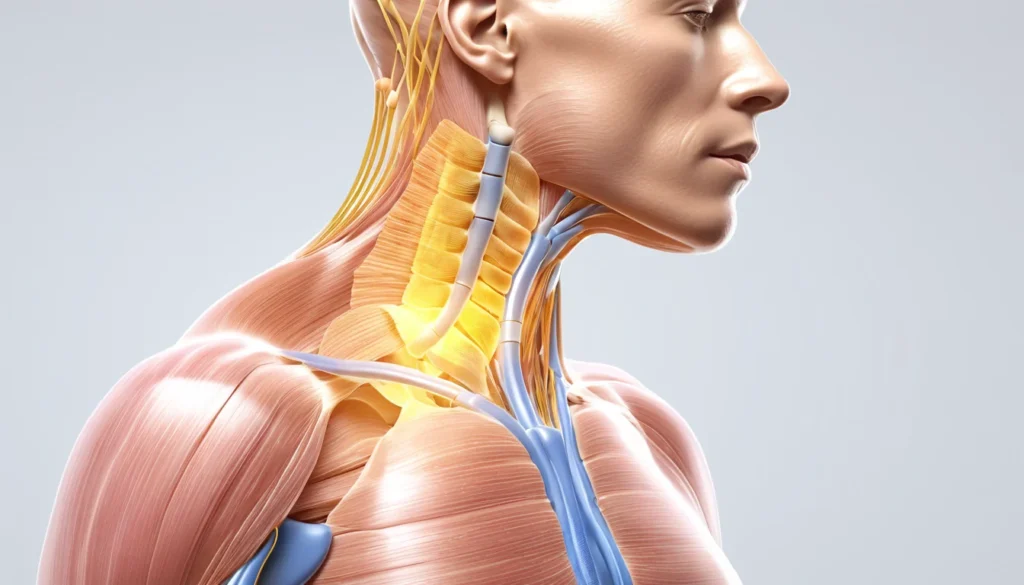
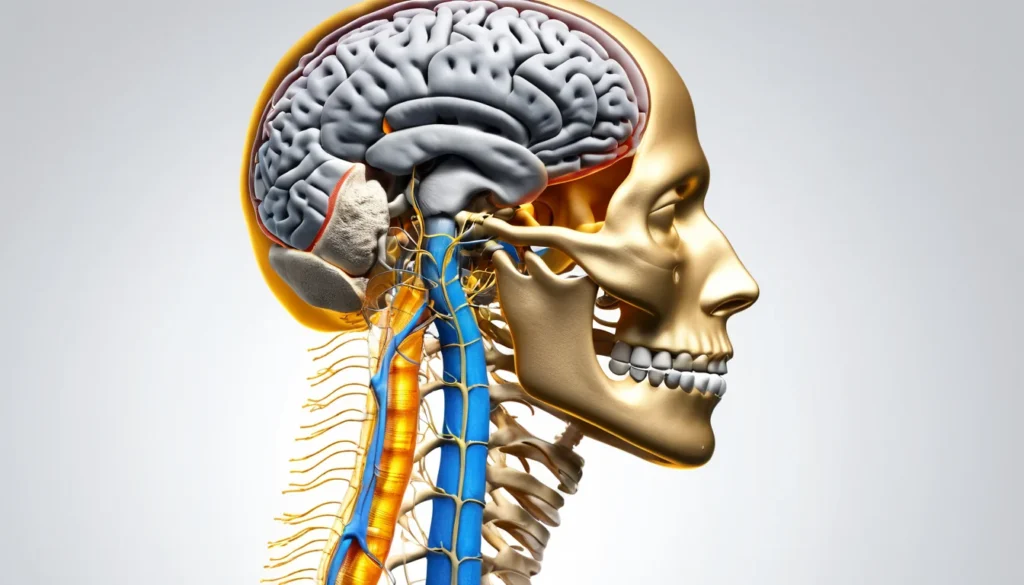
Paralysis happens when the signals between the brain and muscles are interrupted or blocked. This stops the muscles from receiving instructions to move. The condition is always related to the nervous system, even when the cause is an injury, illness, or disease.
Paralysis is not a disease on its own. Instead, it is a symptom of an underlying problem. That problem may involve the brain, the spinal cord, or the nerves that connect them to your muscles. Identifying the root cause is the first step toward treatment.
According to Mayo Clinic’s overview of muscle weakness and nerve conditions, nerve damage is one of the most common reasons people experience loss of movement or muscle control.
Main Types of Paralysis
Doctors classify paralysis in several ways. They look at which part of the body is affected and what part of the nervous system is damaged. Understanding these categories helps explain why paralysis can look very different from one person to the next.
Paralysis by Location in the Body
One of the most common ways to classify paralysis is by the area of the body it affects. Each type has a specific medical name:
Monoplegia – only one limb is affected, such as one arm or one leg.
Hemiplegia – one entire side of the body is affected, including the arm and leg on that side.
Paraplegia – the lower half of the body is affected, usually both legs.
Quadriplegia (tetraplegia) – all four limbs and sometimes the torso are affected.
These categories help doctors determine the location of the nerve damage. For example, hemiplegia often points to a problem in the brain, while paraplegia often suggests a spinal cord injury in the mid or lower back.
Paralysis by the Type of Nerve Damage
There are also three main types based on where in the nervous system the damage occurs:
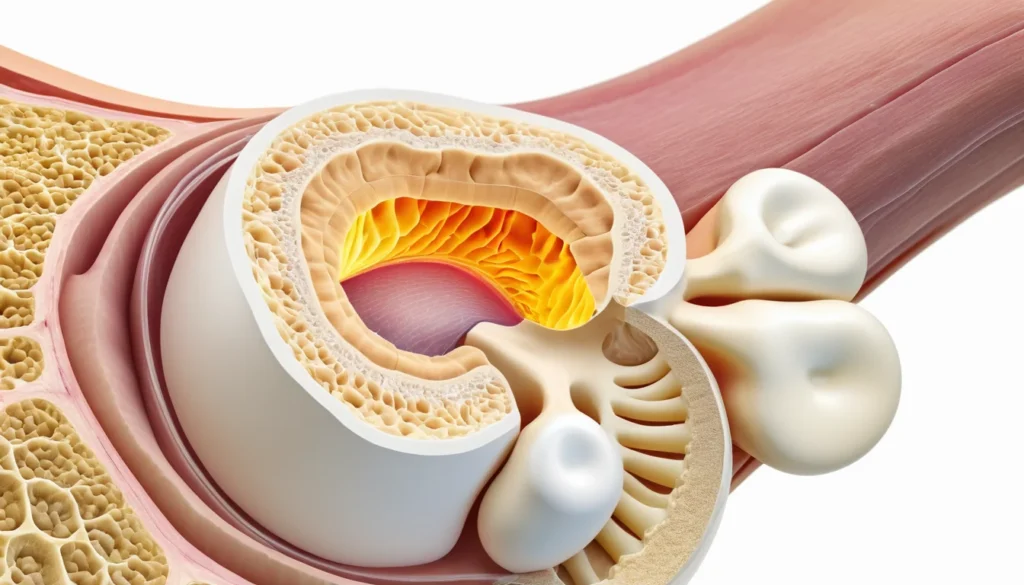
1. Spinal cord motor neuron damage. When the motor nerve cells inside the spinal cord are damaged, paralysis is limited to the muscles connected to that level of the spine. Movement and feeling below the injury are affected.
2. Pyramidal tract damage from the brain cortex. This type affects voluntary movement. A person may still have reflexes — for example, pulling a foot away from something sharp — but cannot move the limb on purpose. This is common after a stroke and often causes hemiplegia.
3. Functional nerve disruption. In some cases, the nervous system is structurally intact but stops working correctly. This can happen in certain psychological or neurological conditions where the brain temporarily blocks movement signals. This is sometimes called functional neurological disorder (FND).
Common Causes of Paralysis
Paralysis can be caused by many different conditions. Some causes are sudden, like a stroke or injury. Others develop slowly over months or years.
Common causes include:
Stroke – a sudden loss of blood flow to part of the brain, which is one of the leading causes of hemiplegia in Canada.
Spinal cord injury – often from accidents, falls, or sports injuries.
Multiple sclerosis (MS) – a disease where the immune system damages the protective coating of nerves.
Cerebral palsy – a group of conditions affecting movement, often present from birth.
Bell’s palsy – a temporary facial paralysis caused by nerve inflammation.
Polio (poliomyelitis) – a viral disease that attacks the nervous system. Thanks to vaccination programmes, polio is now rare in Canada.
Brain tumours or infections – these can put pressure on nerves or the brain.
For a broader look at neurological conditions, Health Canada provides resources on neurological diseases and disability support programmes available to Canadians.
Recognising the Symptoms of Paralysis
Paralysis symptoms vary depending on the cause and the area of the body involved. However, there are some signs that are common across most types.
Physical Symptoms
The most obvious sign is an inability to move a limb or part of the body. However, there are other physical changes that often go along with paralysis:
Muscle stiffness or rigidity – muscles that cannot move may tighten over time. This can be painful or painless depending on the individual.
Muscle atrophy – when muscles are not used, they gradually waste away and shrink. This is called muscle atrophy and can make recovery more difficult.
Loss of sensation – some people lose feeling in the affected area as well as movement.
Spasms or tremors – in some types of paralysis, the muscles may twitch or contract involuntarily.
When Paralysis Affects the Face
Facial paralysis is a specific form where the muscles on one or both sides of the face stop working. It can affect your ability to smile, close your eye, or speak clearly. Bell’s palsy is the most common cause and is usually temporary.
If you notice sudden drooping on one side of your face along with arm weakness or difficulty speaking, this may be a sign of a stroke. Call 911 immediately. Do not wait to see if symptoms improve on their own.
Progressive General Paralysis and Serious Underlying Conditions
Some forms of paralysis are symptoms of serious, progressive diseases. One example is general progressive paralysis, which can occur as a late complication of untreated syphilis. In this case, the infection spreads to the brain, particularly the frontal lobes.
This condition can cause significant changes in behaviour, memory loss, tremors, muscle stiffness, and changes in the eyes’ reaction to light. A blood test can confirm a syphilitic origin. Treatment must always be supervised by a qualified physician, and early diagnosis is critical for the best outcome.
This is a reminder that some causes of paralysis are treatable if caught early. Avoiding or delaying medical care can allow serious conditions to worsen significantly.
Paralysis Treatment and Rehabilitation
There is no single treatment for paralysis. The approach depends entirely on the underlying cause. However, there are several well-established methods used across Canada to help people manage the condition and regain as much function as possible.
Medical Treatments
Your doctor may recommend one or more of the following based on your diagnosis:
Physiotherapy – working with a physiotherapist to maintain muscle strength and flexibility, and to retrain movement patterns.
Occupational therapy – learning new ways to carry out daily tasks when movement is limited.
Medications – drugs to reduce muscle spasticity, manage pain, or treat the underlying cause.
Surgery – in some cases, surgical intervention may help relieve pressure on nerves or repair damage.
Assistive devices – wheelchairs, braces, or communication devices can greatly improve quality of life.
Supportive Care and Lifestyle
Rehabilitation is a long-term process. In addition to medical treatment, good nutrition, mental health support, and regular activity within safe limits all play an important role. Many Canadians with paralysis also benefit from community support programmes available through provincial health plans.
Spirulina, a blue-green algae, is sometimes mentioned as a nutritional supplement that may support muscle health. However, the scientific evidence is limited. Always speak with your doctor or a registered dietitian before adding any supplement to your routine.
Massage therapy, particularly along the back and spine, can help with circulation and muscle comfort. Some people find aromatherapy massage with essential oils like rosemary or thyme soothing. These are complementary approaches and should not replace medical treatment.
According to Healthline’s detailed guide on paralysis and recovery, early rehabilitation dramatically improves long-term outcomes for many people living with this condition.
When to See a Doctor
If you or someone you care for experiences sudden loss of movement or feeling in any part of the body, seek medical help right away. This is a medical emergency. Call 911 or go to your nearest emergency department immediately.
For non-emergency concerns — such as gradual muscle weakness, recurring numbness, or questions about a diagnosis — contact your family doctor. If you do not have a family doctor, a walk-in clinic is a good first step. Most provincial health plans in Canada cover assessments for neurological symptoms.
Your doctor can refer you to a neurologist, physiotherapist, or specialist depending on your needs. Early assessment leads to better outcomes, so do not delay getting help.
Important: The information in this article is for general education only. It is not a substitute for advice from a licensed healthcare provider. Always consult your doctor or a qualified medical professional before starting any treatment or making changes to your health care.
Frequently Asked Questions About Paralysis
What is the most common cause of paralysis in Canada?
Stroke is one of the most common causes of paralysis in Canada, particularly hemiplegia, which affects one side of the body. Spinal cord injuries from accidents and falls are also a leading cause. Your provincial health plan can connect you with specialists if you are concerned about your risk.
Can paralysis be reversed or cured?
Whether paralysis can be reversed depends on its cause and how quickly treatment begins. Some types, like Bell’s palsy or certain spinal cord conditions, may improve significantly with the right care. However, severe or long-standing paralysis may be permanent, and the focus shifts to maximising function and quality of life.
What is the difference between hemiplegia and paraplegia?
Hemiplegia is a type of paralysis that affects one entire side of the body — the arm and leg on the same side. Paraplegia, on the other hand, affects the lower half of the body, typically both legs. Both are types of paralysis but result from damage in different areas of the nervous system.
What are the early warning signs of paralysis?
Early warning signs of paralysis can include sudden weakness in a limb, numbness or tingling, difficulty speaking, facial drooping, or loss of coordination. If these symptoms appear suddenly, they may signal a stroke or other emergency — call 911 right away. Gradual onset of weakness should be evaluated by your family doctor as soon as possible.
Is paralysis covered under provincial health plans in Canada?
Yes, assessments and treatments related to paralysis are generally covered under provincial health plans in Canada. This includes visits to neurologists, physiotherapy referrals, and hospital care. Some assistive devices and home care services may also be available depending on your province — ask your family doctor what support is available to you.
What is functional paralysis and how is it different from physical paralysis?
Functional paralysis, also called functional neurological disorder (FND), occurs when the nervous system stops sending movement signals correctly, even though there is no structural damage to the nerves or brain. Unlike physical paralysis caused by injury or disease, functional paralysis has psychological and neurological components. It is a real and recognised medical condition that responds well to specialised therapy.
Key Takeaways
Paralysis is the loss of ability to move part or all of the body, and it is always caused by a nervous system problem.
The main types include monoplegia, hemiplegia, paraplegia, and quadriplegia, classified by which part of the body is affected.
Common causes include stroke, spinal cord injury, MS, Bell’s palsy, and polio — though polio is now rare in Canada thanks to vaccination programmes.
Symptoms may include muscle stiffness, muscle atrophy, loss of sensation, and tremors.
Sudden loss of movement is a medical emergency. Call 911 immediately.
Gradual or non-emergency concerns should be discussed with your family doctor or walk-in clinic.
Treatment depends on the cause and may include physiotherapy, medication, surgery, and assistive devices.
Always consult a qualified healthcare provider before starting any treatment for paralysis.