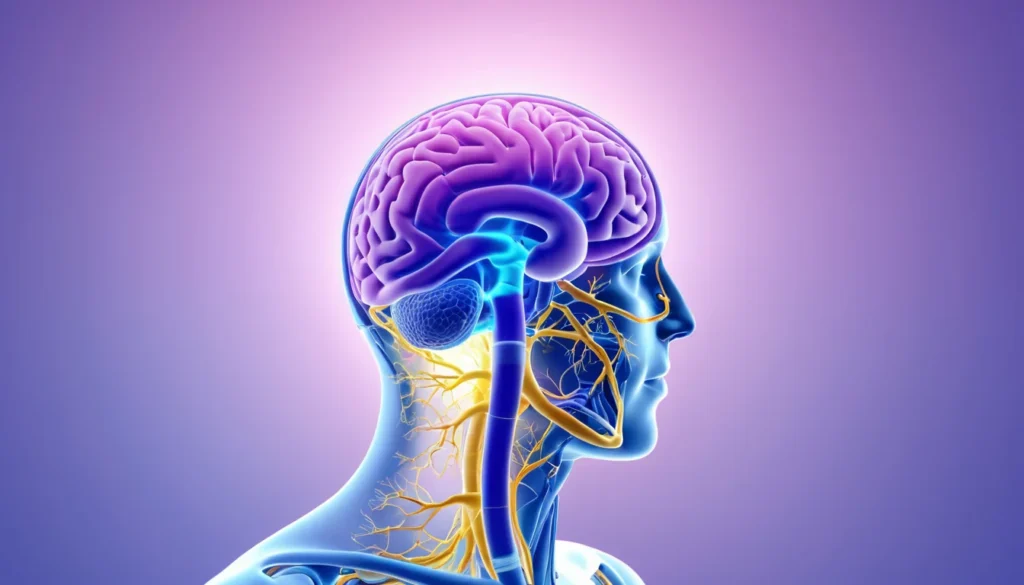
Panic attacks are sudden episodes of intense fear that trigger serious physical reactions — even when there is no real danger present. They are far more common than many Canadians realise, and while they can feel absolutely terrifying, they are not life-threatening and are very manageable with the right support.
What Causes Panic Attacks and Who Is at Risk?
Understanding what causes panic attacks is an essential first step toward taking control. Your body has a built-in fear response designed to protect you from danger, but during a panic attack, that system fires too strongly — or activates when there is no real threat at all. This guide explains the causes, symptoms, risk factors, and when Canadians should reach out to a healthcare provider for help with panic disorder.
What Are Panic Attacks?
Common Symptoms of Panic Attacks: Description and Severity
| Symptom | Description | Severity | When to Seek Help |
|---|---|---|---|
| Racing or pounding heartbeat (palpitations) | A sudden, intense sensation that the heart is beating rapidly, irregularly, or forcefully — often the first noticeable sign during panic attacks | Moderate to Severe | Seek emergency care if accompanied by chest pain or shortness of breath to rule out cardiac causes |
| Chest pain or tightness | A pressing, squeezing, or sharp sensation in the chest that can mimic a heart attack, causing significant distress | Severe | Call 911 or go to the nearest emergency department to rule out a heart attack, especially if this is a first episode |
| Shortness of breath or choking sensation | Difficulty breathing or a feeling that the throat is closing, even when airways are physically clear | Moderate to Severe | Consult a family physician or visit a walk-in clinic if this symptom recurs frequently |
| Dizziness, lightheadedness, or faintness | A sensation of being unsteady, detached, or about to faint, often caused by hyperventilation during an episode | Mild to Moderate | See a doctor if dizziness persists after the episode or occurs without other panic attack triggers |
| Intense fear of losing control or dying | An overwhelming psychological feeling that something catastrophic is about to happen, despite no real external threat | Severe | Speak with a mental health professional; contact a crisis line such as Canada’s 9-8-8 Suicide and Crisis Helpline if distress is extreme |
| Sweating, trembling, or chills | Sudden perspiration, shaking limbs, or cold chills triggered by the body’s fight-or-flight response during a panic episode | Mild to Moderate | Discuss with a family doctor if these symptoms are recurring; a referral to a psychologist or psychiatrist may be recommended |
A panic attack is a sudden wave of overwhelming fear or anxiety. It causes troubling physical and emotional symptoms, but it does not put your life at risk. Most panic attacks last between 5 and 20 minutes, though some symptoms can linger for up to an hour.
Your body has a built-in fear response. It prepares you to face danger or escape from it. A panic attack happens when that system fires too strongly — or when there is no real threat at all. As a result, your nervous system reacts as if your life is in danger, even when you are perfectly safe.
It is important to understand the difference between a single panic attack and panic disorder. A person can experience panic attacks without having panic disorder. However, when panic attacks happen repeatedly, cause ongoing worry, and lead a person to avoid certain places or situations, that is when doctors consider a diagnosis of panic disorder.
Panic Attack Causes and Triggers
Doctors do not fully understand the exact cause of panic attacks or panic disorder. However, research points to a chemical imbalance in the brain — specifically involving neurotransmitters, which are the chemical messengers your brain uses to communicate. According to the Mayo Clinic, genetics may also play a significant role.
If a parent has panic disorder, their child is up to eight times more likely to develop it. A family history of depression or bipolar disorder also raises the risk. Stressful life events — such as the end of a relationship, a job loss, or a major life change — can trigger the first episode.
Lifestyle Factors That Can Trigger Panic Attacks
Certain everyday habits and substances can make panic attacks more likely. These include:
Drinking large amounts of alcohol, or stopping heavy drinking suddenly
Consuming too much caffeine through coffee, energy drinks, or tea
Heavy smoking, which raises nicotine levels in the blood quickly
Using cannabis or cocaine
Long-term or chronic stress
Recent childbirth or general anaesthesia from surgery
Stopping certain medications suddenly, such as those for anxiety or insomnia
Medical Conditions Linked to Panic Attacks
Sometimes, an underlying health condition can cause or worsen panic attacks. It is important to rule these out with your doctor. Related conditions include:
Thyroid problems, especially hyperthyroidism (an overactive thyroid)
Heart conditions, including mitral valve prolapse
Asthma or chronic obstructive pulmonary disease (COPD)
Neurological disorders such as epilepsy
Post-traumatic stress disorder (PTSD) or obsessive-compulsive disorder (OCD)
Certain medications used to treat asthma and heart disease may also trigger panic attacks as a side effect. Always tell your family doctor about all medications you are taking.
Risk Factors for Panic Disorder
Some people are more likely to develop panic disorder than others. Knowing your risk factors can help you seek support earlier. Common risk factors include:
A family history of panic disorder, depression, or bipolar disorder
A history of unexpected panic attacks in the past
A previous major depressive episode
Regular use of alcohol, cannabis, or tobacco
High intake of caffeinated drinks
Menopause in women
Taking medications for asthma or heart disease
Furthermore, people who have had one unexpected panic attack are at higher risk of having more. This can create a cycle of fear — worrying about the next attack, which then makes another one more likely to occur.
Symptoms of Panic Attacks
The main symptom of a panic attack is an overwhelming sense of fear and dread. Other symptoms come on suddenly and reach their peak intensity within about 10 minutes. Most symptoms fade within 30 minutes, though some may take a full hour to resolve completely.
Healthline notes that panic attack symptoms can closely resemble those of a heart attack. This is why many people go to the emergency room during their first panic attack — which is absolutely the right thing to do if you are unsure.
Common Physical Symptoms
Rapid or pounding heartbeat (palpitations)
Shortness of breath or feeling like you are choking
Chest pain or tightness
Sweating
Nausea or stomach pain
Dizziness, trembling, or feeling unsteady
Chills or hot flushes
Ringing in the ears
Common Emotional Symptoms
Intense fear of dying or losing control
A feeling of depersonalisation — feeling detached from yourself
A sense of unreality or feeling disconnected from your surroundings
Panic attacks can begin without any warning or can be triggered by a specific situation — such as being in a crowded restaurant, on public transit, or at a large sports event. In some cases, simply thinking about a feared situation is enough to bring on severe anxiety.
How Panic Attacks Can Lead to Panic Disorder and Agoraphobia
People who have frequent panic attacks often start to avoid the places or situations they fear will trigger another one. Over time, this avoidance behaviour can become severe. Therefore, it can develop into agoraphobia — a fear of open spaces, crowded areas, or any situation where escape might feel difficult.
Panic disorder is diagnosed when a person has repeated panic attacks, worries constantly about having another one, and changes their behaviour to avoid potential triggers. This cycle can significantly affect daily life, work, and relationships.
It is worth noting that panic attacks are not common in children and teenagers. However, they do occur. Young people with panic disorder may be less able to describe what they are experiencing, so parents and caregivers should watch for unexplained physical complaints combined with avoidance behaviour.
When to See a Doctor About Panic Attacks
If you think you are having panic attacks, please speak with a healthcare provider. You do not need to wait until things become severe. In Canada, your family doctor is your first point of contact. If you do not have a family doctor, a walk-in clinic can help you get started.
Your doctor can rule out any physical causes — such as a thyroid problem or heart condition — before exploring mental health treatment options. Most provincial health plans cover visits to your family doctor and referrals to mental health specialists. Check with your provincial health plan to learn what mental health services are covered in your area.
Go to the emergency room immediately or call 911 if you experience:
Chest pain that does not go away
Symptoms that last longer than one hour without improving
A first-time episode where you cannot rule out a heart attack
Thoughts of harming yourself
If your symptoms last continuously for more than an hour, this may not be a panic attack — it could be a sign of another condition that needs prompt medical attention. Health Canada offers a directory of mental health resources to help Canadians find local support.
Frequently Asked Questions About Panic Attacks
What does a panic attack feel like?
A panic attack feels like a sudden wave of intense fear combined with physical symptoms such as a racing heart, shortness of breath, dizziness, and chest tightness. Many people describe it as feeling like they are dying or losing control. The symptoms of a panic attack usually peak within 10 minutes and fade within 30 minutes.
Can panic attacks cause any lasting physical harm?
Panic attacks are not physically dangerous and do not cause lasting harm to the body. However, they can be very distressing and may affect your quality of life if they happen frequently. Speaking with your doctor is the best way to get proper support and rule out any underlying health conditions.
How are panic attacks treated in Canada?
Panic attacks and panic disorder are commonly treated with cognitive behavioural therapy (CBT), medication, or a combination of both. Your family doctor or a walk-in clinic can refer you to a mental health professional. Many provincial health plans in Canada cover at least part of these treatments.
What is the difference between a panic attack and anxiety?
Anxiety is a general feeling of worry or unease that can build gradually, while panic attacks come on suddenly and intensely. Panic attacks involve strong physical symptoms and a peak of fear within minutes, whereas anxiety tends to be more ongoing and lower in intensity. Both conditions are treatable with professional help.
Can caffeine or alcohol trigger panic attacks?
Yes, both caffeine and alcohol can trigger panic attacks in some people. Large amounts of caffeine can overstimulate the nervous system, while stopping heavy alcohol use suddenly can also bring on symptoms. Reducing your intake of both substances may help lower the frequency of panic attacks.
Should I go to the emergency room during a panic attack?
If you experience chest pain or symptoms that could indicate a heart attack, go to the emergency room or call 911 right away. Panic attack symptoms can closely mimic those of a heart attack, so it is always better to be safe. Once a heart condition is ruled out, your doctor can help you manage panic attacks going forward.
Key Takeaways
Panic attacks are sudden episodes of intense fear with physical symptoms. They are not life-threatening.
They are caused by a mix of brain chemistry, genetics, stress, and lifestyle factors.
Symptoms peak within 10 minutes and usually resolve within 30 to 60 minutes.
Repeated panic attacks with ongoing worry may indicate panic disorder, which is a diagnosable and treatable condition.
Avoiding triggers over time can lead to agoraphobia — a fear of spaces or situations where escape feels difficult.
Always see your family doctor or visit a walk-in clinic if you are experiencing panic attacks. Do not try to manage them alone.
In Canada, mental health resources are available through your provincial health plan, community health centres, and crisis lines.
According to Government of Canada’s guide to panic disorder, this information is supported by current medical research.
For more information, read our guide on signs of anaphylaxis in children and how they differ from anxiety and panic attacks.
This article is for informational purposes only and does not replace professional medical advice. Always consult your family doctor or a qualified healthcare provider if you are concerned about your mental or physical health.
Frequently Asked Questions
What are panic attacks and what causes them?
Panic attacks are sudden episodes of intense fear that trigger severe physical reactions, even without real danger. They’re caused by a combination of genetic predisposition, chronic stress, anxiety disorders, or traumatic experiences. The brain’s fight-or-flight response activates unexpectedly, flooding the body with adrenaline and producing overwhelming physical and emotional symptoms.
What are the most common symptoms of a panic attack?
Common symptoms include a racing or pounding heartbeat, chest pain, shortness of breath, dizziness, trembling, sweating, nausea, and a feeling of losing control or impending doom. Symptoms peak within 10 minutes and typically subside within 20–30 minutes, though they can feel frightening and may mimic a heart attack.
How are panic attacks treated in Canada?
Panic attacks are effectively treated through Cognitive Behavioural Therapy (CBT), which is widely available across Canada, along with prescribed medications such as SSRIs or benzodiazepines. Many provinces also offer mental health programs and virtual therapy. Lifestyle changes, including regular exercise, reduced caffeine, and stress management techniques, also significantly reduce attack frequency.
Can panic attacks be prevented?
Yes, panic attacks can be reduced and often prevented through consistent management strategies. These include practising deep breathing or mindfulness, maintaining regular sleep and exercise routines, limiting alcohol and caffeine, and attending therapy. Learning to identify personal triggers and using CBT-based techniques helps interrupt the anxiety cycle before a full attack develops.
When should you see a doctor about panic attacks?
See a doctor if you experience recurring panic attacks, begin avoiding activities or places due to fear of attacks, or if symptoms are significantly affecting your daily life. Always seek emergency care if you have chest pain or breathing difficulties, as these can indicate a heart condition that must be ruled out first.