Your pancreas is a small but essential organ that keeps your whole body running. Pancreatic diseases — including pancreatitis, diabetes, and pancreatic cancer — can seriously affect your digestion, blood sugar, and overall health. Understanding how your pancreas works, and what can go wrong, helps you catch problems early and get the right care.
What Is the Pancreas and What Does It Do?
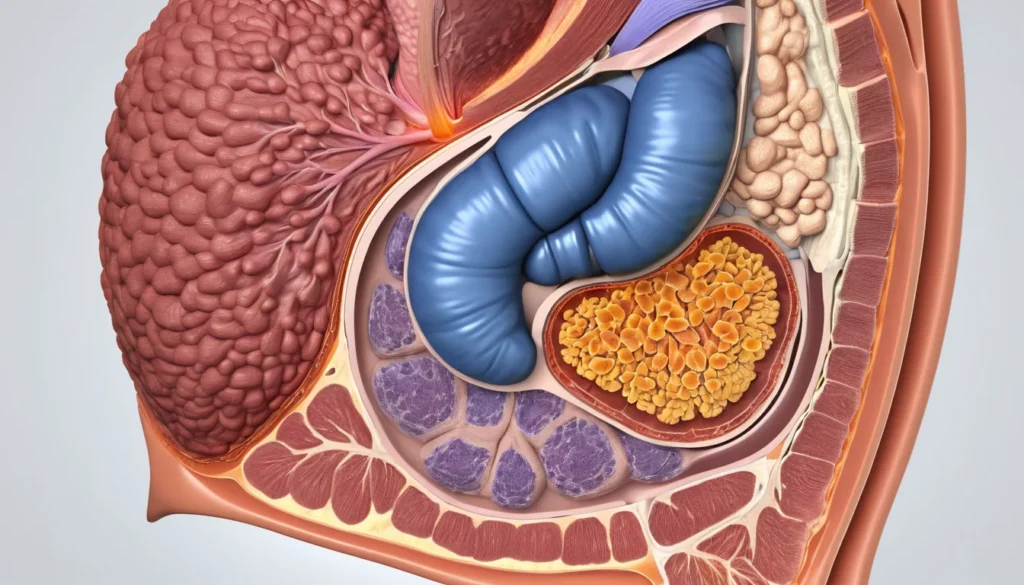
The pancreas sits deep in your upper abdomen. It is nestled between your liver, stomach, spine, and spleen. The organ has three parts: the head, body, and tail.
The head of the pancreas wraps around the duodenum, which is the first section of your small intestine. This location is no accident — it puts the pancreas exactly where it needs to be to help digest food.
Two Types of Pancreatic Tissue
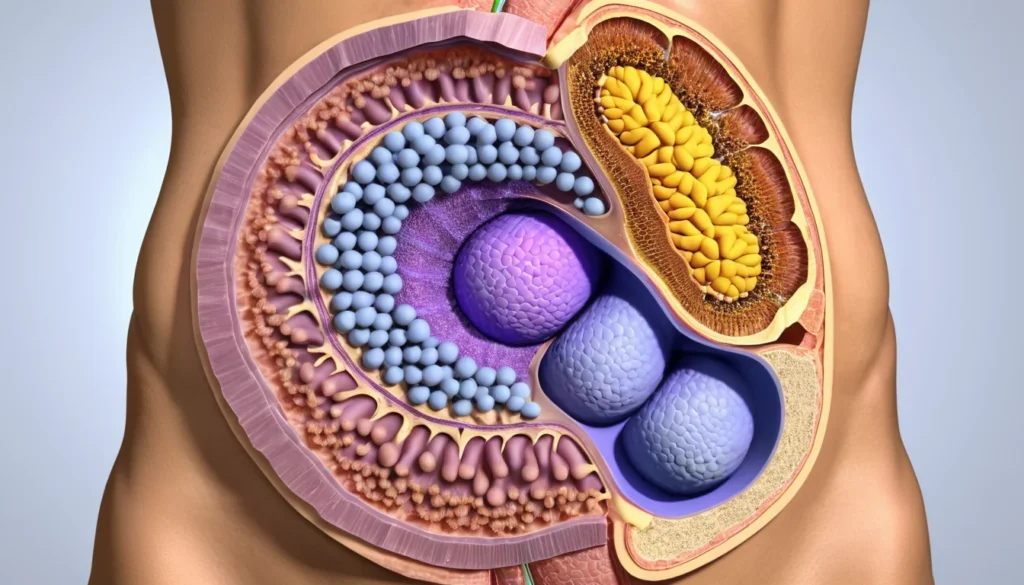
The pancreas is made up of two very different types of tissue. Each one plays a distinct and vital role in keeping you healthy.
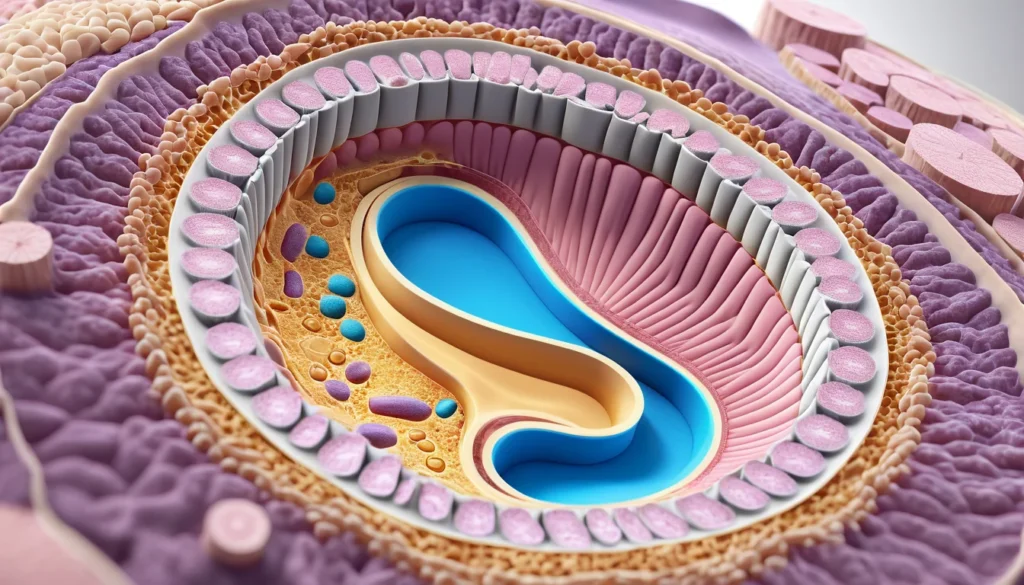
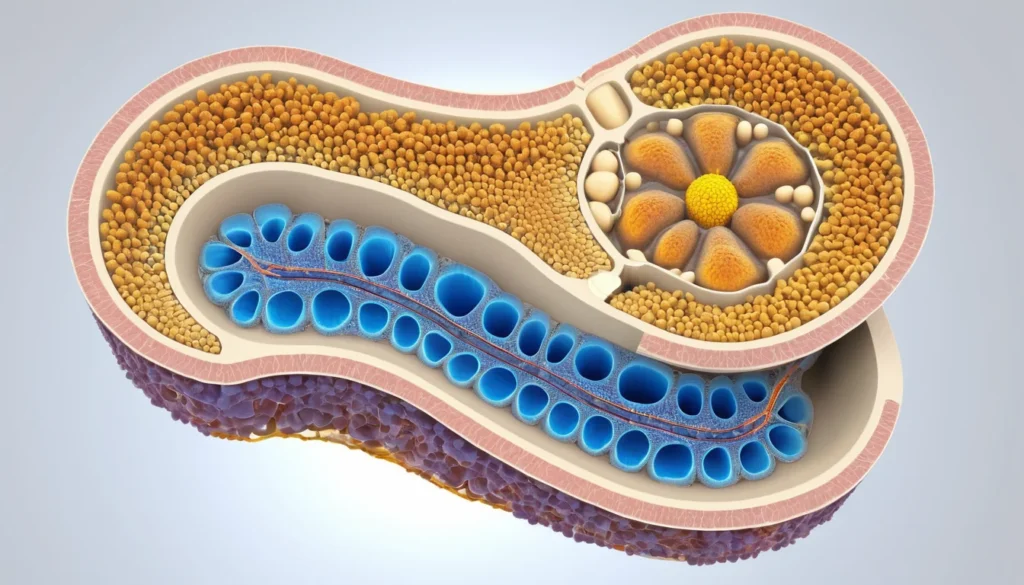
Exocrine tissue produces digestive enzymes. These enzymes break down fats, proteins, and carbohydrates so your intestines can absorb them. Exocrine tissue also makes bicarbonate, which neutralizes stomach acid as food moves into the small intestine.
Under normal conditions, these enzymes travel through small ducts inside the pancreas. They collect in the main pancreatic duct and flow into the duodenum. There, they activate and get to work on digesting your food.
Endocrine tissue produces hormones — most importantly, insulin and glucagon. These hormones release directly into your bloodstream. Together, they control how much glucose (sugar) your body’s cells receive and use for energy.
How the Pancreas Connects to Your Digestive System
Your liver and gallbladder also play a role alongside the pancreas. Bile from the liver flows through the bile ducts and joins the main pancreatic duct just before the duodenum. These two channels share a single opening into the small intestine.
This connection is critical for healthy digestion. Food arriving from the stomach must be broken into tiny pieces before the body can absorb it. The enzymes and bile that meet at this junction make that breakdown possible.
For more detail on how digestion works, visit Health Canada’s digestive health resources.
Common Pancreatic Diseases
Several conditions can affect the pancreas. Some develop suddenly, while others build slowly over time. The most common pancreatic diseases include:
Diabetes (Type 1 and Type 2)
Acute pancreatitis
Chronic pancreatitis
Pancreatic enzyme deficiency
Pancreatic cancer
Each condition affects the pancreas differently. However, many share overlapping symptoms, which is why a proper medical diagnosis is so important.
Diabetes and the Pancreas
Diabetes is one of the most well-known pancreatic diseases. It happens when the pancreas does not produce enough insulin, or when the body cannot use insulin properly.
Insulin is the hormone that moves glucose from your blood into your cells. Without enough insulin, glucose builds up in your bloodstream. Over time, high blood sugar damages blood vessels throughout the body — including those in the eyes, kidneys, heart, feet, and nerves.
Type 1 Diabetes
In Type 1 diabetes, the pancreas produces little or no insulin. As a result, people with Type 1 require daily insulin injections or an insulin pump to survive. This type often appears in childhood or early adulthood.
Type 2 Diabetes
In Type 2 diabetes, the pancreas may still produce insulin. However, the body does not use it effectively. This is called insulin resistance. Type 2 diabetes is strongly linked to excess body weight, physical inactivity, and diet.
Treatment for Type 2 often begins with lifestyle changes — a healthier diet, regular physical activity, and reaching a healthy weight. In addition, medications may help the pancreas release more insulin or improve how the body uses glucose.
In all cases of diabetes, keeping blood sugar levels close to normal is the key goal. This helps prevent or delay serious complications. Learn more about diabetes causes and symptoms at Mayo Clinic.
Pancreatitis: Acute and Chronic
Pancreatitis is inflammation of the pancreas. It happens when digestive enzymes activate inside the pancreas itself, rather than in the small intestine. Instead of digesting food, those enzymes begin attacking the pancreatic tissue.
The main symptoms of pancreatitis include severe upper abdominal pain, nausea, vomiting, and fever. The pain often radiates to the back and worsens after eating.
Acute Pancreatitis
Acute pancreatitis comes on suddenly and can range from mild to life-threatening. Pancreatic enzyme levels in the blood rise significantly during an attack. In severe cases, those enzymes spread to other organs, causing internal bleeding, infection, or organ failure.
The most common causes of acute pancreatitis include:
Gallstones or blockages in the bile ducts
Heavy alcohol consumption
Physical trauma to the upper abdomen (for example, from a car accident)
High blood fat levels (hypertriglyceridaemia)
High calcium levels in the blood (hypercalcaemia)
Certain viral infections, including mumps, Coxsackie B virus, HIV, and adenoviruses
Certain medications
Congenital (birth) abnormalities of the pancreas
Hereditary factors
In some rare cases, acute pancreatitis occurs with no identifiable cause. Doctors call this idiopathic pancreatitis.
Chronic Pancreatitis
Chronic pancreatitis develops slowly over time. Repeated bouts of inflammation gradually scar and damage the pancreas. Therefore, the organ loses its ability to produce enough enzymes or hormones.
Long-term heavy alcohol use is the most common cause of chronic pancreatitis. Furthermore, this condition significantly raises the risk of developing pancreatic cancer. Symptoms are similar to acute pancreatitis but tend to be ongoing rather than sudden.
Pancreatic Enzyme Deficiency
When the exocrine tissue of the pancreas is damaged, it may no longer produce enough digestive enzymes. This condition is called exocrine pancreatic insufficiency (EPI). Without sufficient enzymes, the body cannot properly absorb nutrients from food.
People with EPI often experience bloating, oily or greasy stools, unexplained weight loss, and nutritional deficiencies. Treatment usually involves taking prescription enzyme replacement capsules with every meal. A registered dietitian can also help adjust your diet to improve absorption.
Pancreatic Cancer
Pancreatic cancer is among the most serious pancreatic diseases. It often causes no symptoms in its early stages, which makes early detection very difficult. As a result, it is frequently diagnosed at an advanced stage.
Warning signs may include unexplained weight loss, jaundice (yellowing of the skin and eyes), upper abdominal pain, loss of appetite, and new-onset diabetes. Risk factors include smoking, long-term diabetes, chronic pancreatitis, obesity, and a family history of the disease.
For general information on cancer screening and prevention in Canada, visit Health Canada’s cancer health page.
When to See a Doctor
You should seek medical attention promptly if you experience severe abdominal pain, especially if it is accompanied by vomiting, fever, or yellowing of the skin. These can be signs of acute pancreatitis or another serious pancreatic condition.
If you notice more gradual symptoms — such as unexplained weight loss, greasy stools, or persistent abdominal discomfort — book an appointment with your family doctor as soon as possible. Your family doctor can order blood tests, imaging, and refer you to a specialist if needed.
If you do not have a family doctor, a walk-in clinic is a good first step. Walk-in clinics can assess your symptoms, run basic tests, and connect you with further care through your provincial health plan. Do not delay seeking help — early diagnosis leads to better outcomes for all pancreatic diseases.
Always consult your doctor or a qualified healthcare provider before making any changes to your health routine or if you are concerned about symptoms.
Frequently Asked Questions About Pancreatic Diseases
What are the most common pancreatic diseases?
The most common pancreatic diseases are diabetes, acute pancreatitis, chronic pancreatitis, pancreatic enzyme deficiency, and pancreatic cancer. Each condition affects the pancreas differently and requires its own treatment approach. If you have concerns, speak with your family doctor for a proper diagnosis.
What are the warning signs of a pancreas problem?
Common warning signs of pancreatic diseases include severe upper abdominal pain, nausea, vomiting, fever, unexplained weight loss, and jaundice (yellowing of the skin or eyes). Greasy or oily stools can also signal a problem with pancreatic enzyme production. See a doctor promptly if you experience any of these symptoms.
Can pancreatic disease be prevented?
You can lower your risk of many pancreatic diseases by avoiding heavy alcohol use, maintaining a healthy weight, eating a balanced diet high in fibre, and not smoking. Managing conditions like gallstones and high blood fat levels also helps protect the pancreas. However, some pancreatic diseases have genetic causes that cannot be fully prevented.
Is pancreatitis the same as pancreatic cancer?
No, pancreatitis and pancreatic cancer are different conditions, though both are serious pancreatic diseases. Pancreatitis is inflammation of the pancreas, while pancreatic cancer involves abnormal cell growth in the organ. However, long-term chronic pancreatitis can increase the risk of eventually developing pancreatic cancer.
How is pancreatitis diagnosed in Canada?
In Canada, pancreatitis is typically diagnosed through blood tests that measure pancreatic enzyme levels, along with imaging tests such as an ultrasound or CT scan. Your family doctor or an emergency physician will order these tests based on your symptoms. Most diagnostic testing is covered under provincial health plans.
What is the connection between the pancreas and diabetes?
The pancreas produces insulin, the hormone that controls blood sugar levels. When pancreatic diseases damage the insulin-producing cells, or when the body stops responding to insulin properly, diabetes can develop. Managing blood sugar through medication, diet, and exercise helps prevent serious complications from both diabetes and related pancreatic conditions.
Key Takeaways
The pancreas plays a dual role: it aids digestion (exocrine function) and regulates blood sugar through hormones like insulin (endocrine function).
Common pancreatic diseases include diabetes, acute and chronic pancreatitis, enzyme deficiency, and pancreatic cancer.
Severe abdominal pain, nausea, vomiting, and jaundice are important warning signs that need prompt medical attention.
Risk factors for pancreatic diseases include heavy alcohol use, smoking, obesity, gallstones, and family history.
Maintaining a healthy weight, eating a fibre-rich diet, limiting alcohol, and not smoking can reduce your risk.
If you are concerned about your pancreatic health, contact your family doctor or visit a walk-in clinic. Many services are covered under your provincial health plan.
Early diagnosis gives you the best chance of effective treatment for all pancreatic diseases.