A pancreatic cyst is an abnormal, fluid-filled sac that forms on or inside the pancreas. Most people feel alarmed when they first hear this diagnosis. However, the good news is that most pancreatic cysts are not cancerous and may never cause any symptoms at all. In this article, you will learn what pancreatic cysts are, what causes them, how doctors diagnose them, and when you should seek medical attention.
What Is a Pancreatic Cyst?
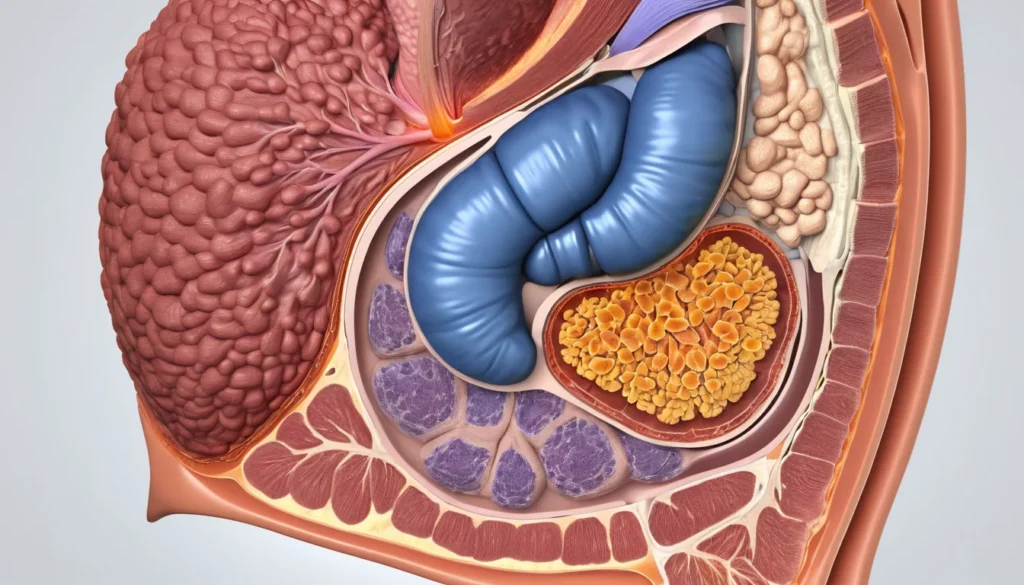
The pancreas is a large gland that sits behind the stomach. It helps digest food and controls blood sugar. A pancreatic cyst is a pouch of fluid that develops within or on the surface of this gland.
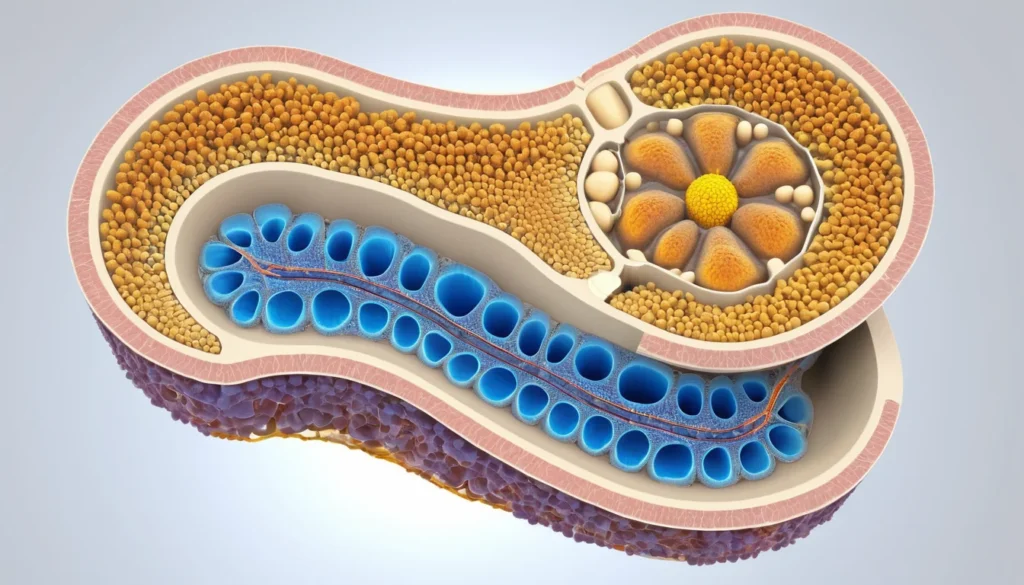
Many of these cysts are not technically “true” cysts. They are called pseudocysts. A pseudocyst is lined with different types of cells than those found in a true cyst. Its walls may contain normal cells from nearby organs like the stomach or intestines. Importantly, a pseudocyst is never cancerous.
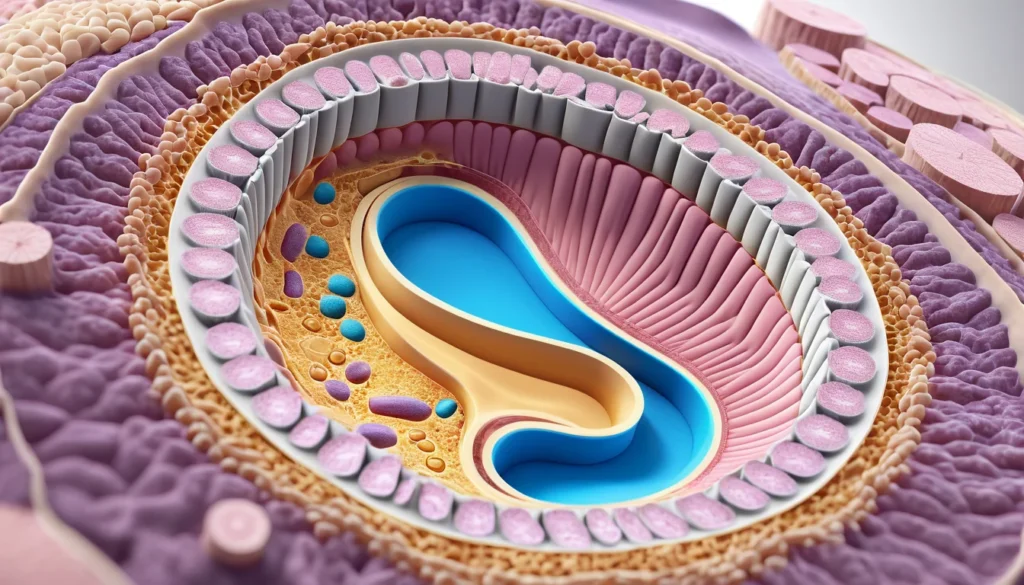
True cysts, on the other hand, are lined with specialised cells that produce the fluid inside them. Some true cysts carry a small risk of becoming cancerous over time. That is why proper diagnosis matters so much.
Common Symptoms of a Pancreatic Cyst
Many people with a pancreatic cyst have no symptoms at all. In fact, most cysts are found by accident during imaging tests done for an unrelated health problem. For example, an abdominal ultrasound or CT scan ordered for back pain may reveal a cyst the person never knew about.
When symptoms do appear, they may include:
Persistent abdominal pain that may spread to the back
A noticeable lump or mass in the upper abdomen
Nausea and vomiting
A feeling of fullness after eating only a small amount
These symptoms can overlap with many other digestive conditions. Therefore, it is important not to self-diagnose. Your family doctor or a walk-in clinic can help you figure out what is going on.
When to See a Doctor About a Pancreatic Cyst
A pancreatic cyst can become infected or, in rare cases, rupture. Both situations require prompt medical attention. You should contact your family doctor or visit a walk-in clinic if you develop a fever alongside persistent abdominal pain.
Signs of a Ruptured Pancreatic Cyst — Call 911
A ruptured pancreatic pseudocyst is a medical emergency. When a cyst breaks open, the digestive enzymes inside it spill out. These enzymes can damage nearby blood vessels and cause serious internal bleeding.
Call 911 or go to your nearest emergency department immediately if you notice:
Sudden, severe abdominal pain
A rapid or weak pulse
Fainting or feeling faint
Gradual loss of consciousness
These are signs of internal bleeding or shock. Do not wait to see if the symptoms improve on their own. This is a life-threatening situation that needs emergency care right away.
Preparing for Your Appointment
Many pancreatic cysts are discovered during routine imaging. However, if symptoms sent you to your doctor, a little preparation goes a long way. Write down all of your symptoms — even ones that seem unrelated. Note when they started and how severe they are.
Also prepare a short list of questions for your doctor. Appointments can feel rushed, and having questions written down helps you make the most of your time. Your provincial health plan covers most diagnostic consultations with your family doctor, so do not hesitate to reach out.
What Causes a Pancreatic Cyst?
In many cases, doctors cannot identify a clear cause for a pancreatic cyst. However, several known factors can increase the likelihood of developing one.
Pancreatitis
Pseudocysts most often develop after a bout of pancreatitis. Pancreatitis is a painful condition where the pancreas becomes inflamed. The digestive enzymes the pancreas makes become active too early and begin to damage the gland itself. Fluid can then collect and form a pseudocyst.
Abdominal Trauma
A hard blow to the abdomen — for example, in a car accident or a sports injury — can also trigger a pseudocyst. The trauma disrupts the pancreatic tissue and allows fluid to pool in an abnormal way.
Rare Genetic Conditions
Some pancreatic cysts are linked to rare genetic disorders. One example is von Hippel-Lindau disease, a hereditary condition that can affect the brain, eyes, adrenal glands, kidneys, and pancreas. If you have a family history of this condition, mention it to your doctor.
For more information on pancreatitis and related conditions, visit Mayo Clinic’s pancreatitis overview.
How Is a Pancreatic Cyst Diagnosed?
Doctors are diagnosing pancreatic cysts more often today than they did in the past. This is not because more people are developing them. Rather, modern imaging technology has become much better at detecting them. Improved CT scanners and MRI machines can spot cysts that older equipment would have missed entirely.
Imaging Tests
Most pancreatic cysts can be identified using one of the following imaging tests:
Ultrasound — uses sound waves to create images of the pancreas
CT scan (computed tomography) — provides detailed cross-sectional images
MRI (magnetic resonance imaging) — gives clear images of soft tissue
These tests are widely available through provincial health systems across Canada. Your family doctor can refer you for any of these through your provincial health plan.
Endoscopic Ultrasound
For a closer look, your doctor may recommend an endoscopic ultrasound. During this procedure, a thin, flexible tube called an endoscope is passed through your mouth, into your stomach, and into the upper part of your small intestine. The endoscope carries a tiny camera and an ultrasound device. It can also extract a small sample of fluid from the cyst using a fine needle.
Analysing this fluid helps doctors determine whether the cyst is benign (non-cancerous) or malignant (cancerous). This step is crucial for planning the right treatment.
Types of Pancreatic Cysts
Not all pancreatic cysts are the same. When a cyst appears without a history of pancreatitis or abdominal trauma, doctors look more carefully at its type. The location of the cyst, along with the patient’s age and sex, often provides useful clues.
Mucinous Cystadenoma
This type usually forms in the body or tail of the pancreas. It is more common in middle-aged women. Mucinous cystadenomas are considered precancerous, meaning some may already be cancerous when found. Larger cysts carry a higher risk. Surgical removal is often recommended.
Intraductal Papillary Mucinous Neoplasm (IPMN)
IPMNs are more common in men. They form in the ducts of the pancreas, usually in the head of the gland. These cysts are often cancerous or carry a significant risk of becoming cancerous. They require careful monitoring or treatment.
Serous Cystadenoma
Serous cystadenomas can grow large enough to push surrounding organs out of place. This can cause abdominal pain or a feeling of fullness. They appear most often in middle-aged women and very rarely become cancerous.
Solid Pseudopapillary Neoplasm
This is the rarest type. It tends to occur in young women and is usually found in the body or tail of the pancreas. Despite being relatively uncommon, these tumours are typically cancerous. Surgery is usually the recommended treatment.
Islet Cell Tumours
Also called neuroendocrine tumours, these form in the hormone-producing cells of the pancreas. They are a separate and complex category that your specialist can explain in detail based on your individual situation.
To learn more about the different types of pancreatic cysts, Healthline offers a helpful overview of pancreatic cyst types and treatments.
Treatment Options for a Pancreatic Cyst
Treatment depends entirely on the type of pancreatic cyst, its size, and whether it is causing symptoms. Many cysts — especially small pseudocysts — require no treatment at all. Your doctor may simply monitor them over time with periodic imaging.
However, if a cyst is large, growing, causing pain, or shows signs of being cancerous, treatment options may include:
Watchful waiting — regular imaging to track any changes in the cyst
Drainage — using an endoscope or a needle guided by imaging to drain the fluid
Surgery — removal of the cyst, especially if it is precancerous or cancerous
Your gastroenterologist or surgeon will discuss the best approach for your specific situation. In Canada, these procedures are covered under provincial health insurance when medically necessary. For more on digestive health resources available to Canadians, visit Health Canada’s official health information portal.
Frequently Asked Questions About Pancreatic Cysts
Are pancreatic cysts dangerous?
Most pancreatic cysts are not dangerous. The majority are benign pseudocysts that cause no symptoms and need no treatment. However, some types of true pancreatic cysts can become cancerous over time, so proper diagnosis and monitoring by your doctor is important.
Can a pancreatic cyst go away on its own?
Yes, some pancreatic pseudocysts do resolve on their own, especially smaller ones that follow a bout of pancreatitis. Your doctor will monitor the cyst with imaging over time to see if it shrinks. If it grows or causes symptoms, treatment may be needed.
What are the warning signs that a pancreatic cyst is serious?
Warning signs include severe abdominal pain, fever, nausea and vomiting, a rapid pulse, or fainting. A ruptured pancreatic cyst is a medical emergency that requires immediate care. If you experience any of these symptoms, call 911 or go to your nearest emergency department right away.
How is a pancreatic cyst found?
Many pancreatic cysts are found by accident during imaging tests done for another reason, such as a CT scan or ultrasound. If your doctor suspects a pancreatic cyst, they may order an MRI or an endoscopic ultrasound to get a better look and collect fluid for testing.
Do I need surgery for a pancreatic cyst?
Not always. Many pancreatic cysts — especially small pseudocysts — are simply monitored with regular imaging. Surgery is usually recommended only if the cyst is large, growing, causing significant symptoms, or shows signs of being cancerous. Your specialist will guide you based on your individual case.
Can a pancreatic cyst cause back pain?
Yes, a pancreatic cyst can cause persistent abdominal pain that radiates into the back. This happens because the pancreas sits deep in the abdomen, close to the spine. If you have unexplained back or abdominal pain, talk to your family doctor to rule out any underlying causes.
Key Takeaways
A pancreatic cyst is a fluid-filled sac that forms on or inside the pancreas.
Most pancreatic cysts — called pseudocysts — are not cancerous and may cause no symptoms.
Common symptoms include abdominal pain, nausea, and a feeling of fullness.
A ruptured cyst is a medical emergency. Call 911 if you experience severe pain, fainting, or a rapid pulse.
Causes include pancreatitis, abdominal trauma, and rare genetic conditions.
Diagnosis involves imaging tests such as ultrasound, CT scan, MRI, or endoscopic ultrasound.
Treatment ranges from watchful waiting to drainage or surgery, depending on the cyst type and size.
Always speak with your family doctor or visit a walk-in clinic if you are concerned about your symptoms. This article is for general information only and does not replace professional medical advice.