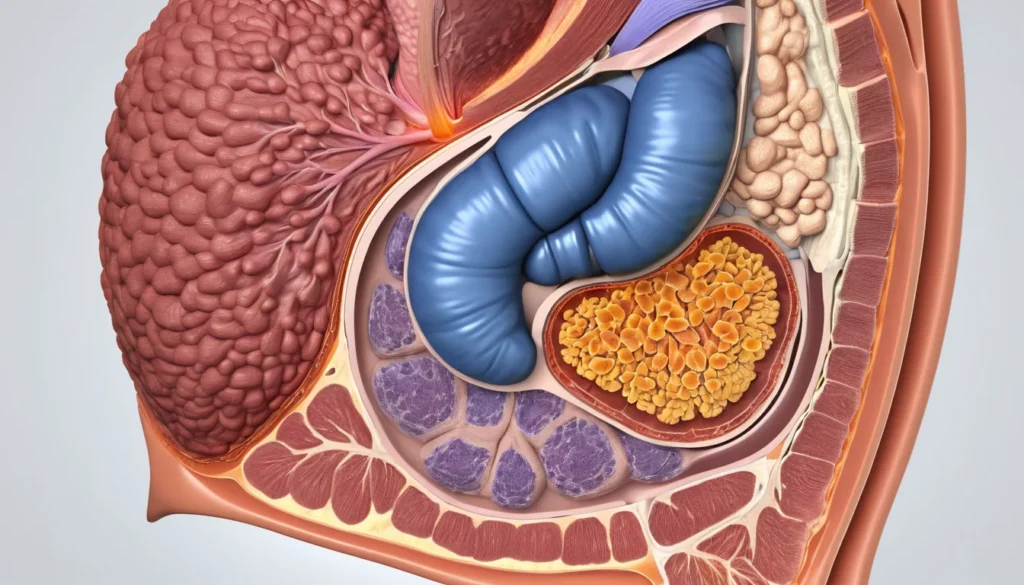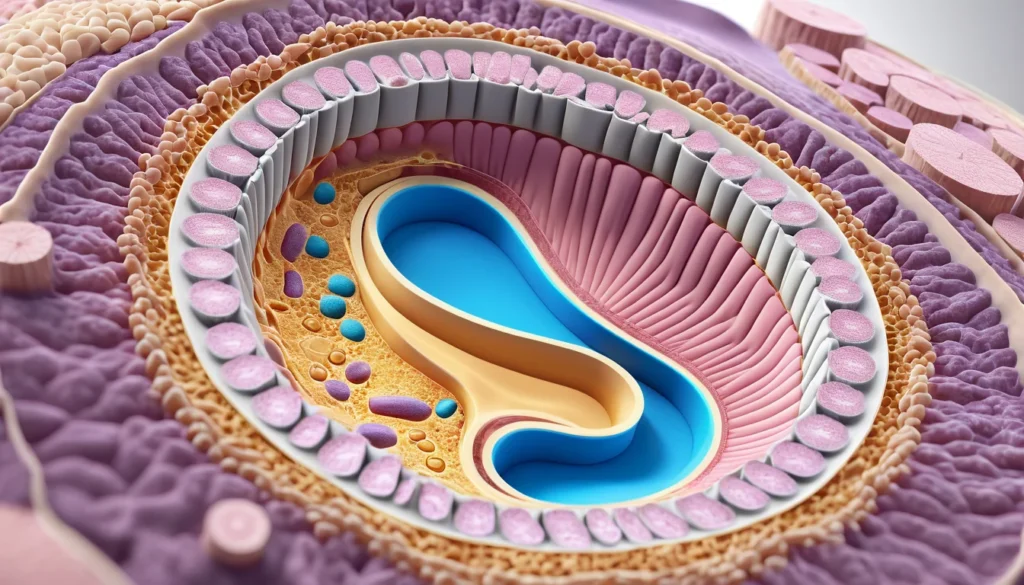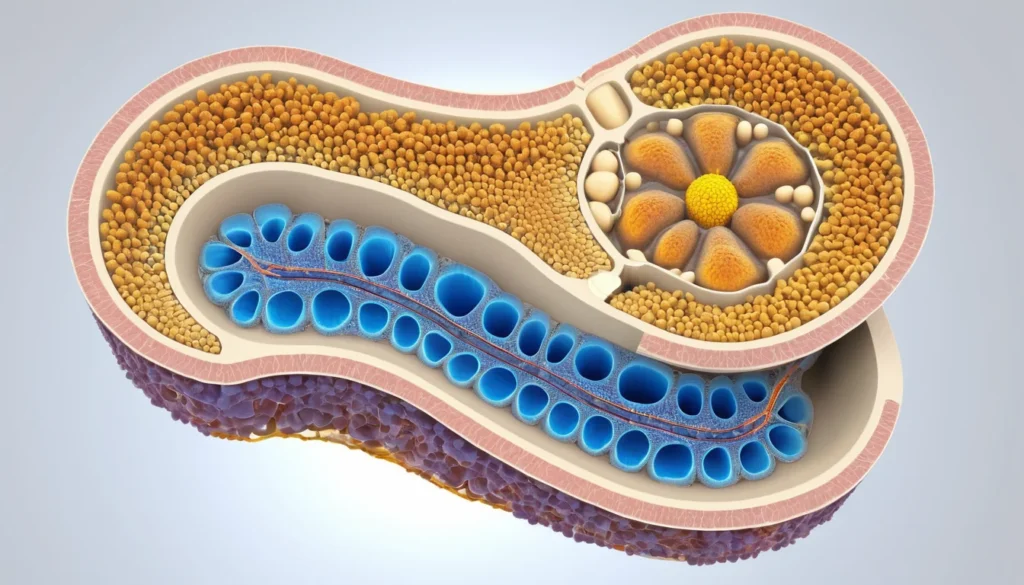
Your pancreas health plays a bigger role in your daily life than most people realize. This small organ, tucked behind your stomach, produces insulin to control blood sugar and releases enzymes that help you digest food. When the pancreas becomes inflamed — a condition called pancreatitis — your whole body feels the effects. The good news is that eating the right foods can help protect your pancreas and support its natural functions.
What Is Pancreatitis and Why Does It Matter?
Pancreatitis is inflammation of the pancreas. It can come on suddenly and severely (acute pancreatitis) or develop slowly over time (chronic pancreatitis). Both types are serious and deserve medical attention.
When the pancreas is inflamed, your body struggles to absorb the nutrients it needs. Over time, this can lead to malnutrition, diabetes, and other long-term health problems. In severe cases, fluid containing harmful toxins can leak from the pancreas into the abdomen, damaging blood vessels and causing life-threatening internal bleeding.
Mild cases sometimes clear up on their own or with simple dietary changes. However, repeated flare-ups can permanently damage the pancreas. That is why protecting your pancreas health through diet is so important.
According to Health Canada, digestive health is closely tied to overall wellness, including how well your body manages blood sugar and absorbs nutrients.
How the Pancreas Supports Your Health
The pancreas has two main jobs. First, it produces digestive enzymes that break down the food you eat. Second, it releases hormones — including insulin — that control the level of sugar in your blood.
When the pancreas is working well, blood sugar stays balanced and digestion runs smoothly. When it is not working well, both systems suffer. High fat levels in the blood are one of the most common triggers for pancreatitis, which is why a low-fat diet is so often recommended.
Supporting your pancreas health through food choices can reduce inflammation, ease the organ’s workload, and help it keep producing insulin more effectively.
Best Foods for Pancreas Health
Choosing the right foods makes a real difference when it comes to pancreas health. Focus on low-fat, nutrient-rich options that are easy to digest. Here are some of the best choices.
Yogurt and Probiotic Foods
Probiotics are beneficial bacteria that support a healthy digestive system. Yogurt is one of the best natural sources of probiotics. These good bacteria help balance your gut, reduce inflammation, and strengthen your immune system.
Look for plain, low-fat yogurt without added sugar. Greek yogurt is widely available across Canada and is a great option. Fermented foods like kefir also offer similar benefits.
Spinach
Spinach is an excellent choice for anyone looking to support their pancreas. It is low in fat, easy to digest, and packed with vitamins and minerals. In addition, spinach provides magnesium and vitamin C — two nutrients that people with pancreatitis are often deficient in.
You can enjoy spinach raw in a salad, steamed as a side dish, or blended into a smoothie. It is one of the most versatile and affordable vegetables available at Canadian grocery stores year-round.
Blueberries and Other Antioxidant-Rich Fruits
Blueberries are rich in antioxidants, which help fight free radicals in the body. Free radicals cause cellular damage and can worsen inflammation in the pancreas. Eating blueberries regularly may help reduce this damage and support overall pancreas health.
Canada grows some of the best wild blueberries in the world, especially in provinces like British Columbia, Quebec, and Nova Scotia. Other good fruit choices include cherries, strawberries, and citrus fruits like oranges and grapefruit.
Vegetable Soups
A warm bowl of vegetable soup is gentle on the digestive system and easy for the pancreas to process. Tomato-based soups are especially beneficial because tomatoes are rich in antioxidants like lycopene, which help reduce inflammation.
Make sure your soup is meat-free and low in fat. Avoid cream-based soups, as the high fat content can trigger a pancreatitis flare-up. Homemade soups give you the most control over ingredients.
Tofu and Plant-Based Proteins
High fat intake — especially from animal products — is one of the leading causes of pancreatitis. Therefore, replacing meat with plant-based proteins is a smart strategy for protecting your pancreas.
Tofu is an excellent meat substitute. It is low in fat, high in protein, and easy to cook in many different ways. Other good plant-based protein options include lentils, chickpeas, and edamame. These foods are widely available at Canadian grocery stores and are often quite affordable.
Whole Grains and Fibre-Rich Foods
Oats, brown rice, whole grain bread, and whole wheat pasta are all gentle on the digestive system. These foods are rich in fibre, which supports healthy digestion without putting extra strain on the pancreas.
Fibre also helps control blood sugar levels, which is especially important when the pancreas is struggling to produce enough insulin. Aim to include at least one whole grain option at every meal.
Red Grapes and Resveratrol
Red grapes contain a powerful antioxidant called resveratrol. This compound has been studied for its potential to reduce inflammation and protect organ health. If your health allows moderate alcohol consumption, a small glass of red wine occasionally may offer some of these benefits.
However, if you have pancreatitis, alcohol is generally something to avoid entirely. In that case, enjoy red grapes on their own. They provide the same antioxidant benefits without the risk that alcohol poses to the pancreas.
Mushrooms, Soy Products, and Other Helpful Foods
Mushrooms are low in fat and high in nutrients, making them a great addition to a pancreas-friendly diet. Soy-based foods like soy milk and edamame also provide lean protein and are easy on the digestive system.
Other beneficial foods include oatmeal, whole grain pasta, steamed vegetables, and fresh fruits. The goal is to build meals that are colourful, varied, and low in saturated fat.
Helpful Herbs and Natural Supplements
Some natural herbs may also support pancreas health, though you should always speak to your family doctor before adding supplements to your routine.
Ginger root has long been used to soothe digestive discomfort and reduce inflammation. Asian ginseng may help support immune function. Licorice root and cinnamon bark have also been studied for their potential anti-inflammatory effects.
These herbs are not a replacement for medical treatment. However, they may complement a healthy diet as part of an overall wellness plan. Always buy from reputable sources and let your healthcare provider know what you are taking.
Foods to Avoid for a Healthy Pancreas
Knowing what to avoid is just as important as knowing what to eat. Certain foods place a heavy burden on the pancreas and can trigger painful flare-ups.
Here is a list of foods to limit or avoid entirely:
Fried foods — very high in unhealthy fats that stress the pancreas
Processed meats — hot dogs, sausages, deli meats, and similar products
Full-fat dairy — butter, full-fat cheese, and cream
Alcohol — a major trigger for pancreatitis flare-ups
Caffeine — found in coffee, energy drinks, and some teas
Spicy foods — can irritate the digestive system
Pizza and fast food — typically high in fat and sodium
Eggs — high in fat, especially the yolk
Gas-producing foods — beans and certain legumes may worsen bloating and discomfort
Tobacco — smoking increases the risk of pancreatic disease significantly
Total daily fat intake should stay below 40 grams if you are managing pancreatitis. Eating smaller, more frequent meals throughout the day is also much easier on the pancreas than eating two or three large meals.
Nutrients That Support Pancreas Function
People with pancreatitis often develop deficiencies in key nutrients. This happens because the inflamed pancreas cannot process and absorb nutrients properly. As a result, it is important to pay attention to the following:
Selenium — an important antioxidant mineral; found in Brazil nuts and sunflower seeds
Magnesium — helps reduce inflammation; found in spinach, pumpkin seeds, and whole grains
Vitamin C — supports immune function and tissue repair; found in citrus fruits, bell peppers, and broccoli
Vitamin A — supports cell health; found in sweet potatoes, carrots, and leafy greens
Vitamin E — a powerful antioxidant; found in almonds, sunflower seeds, and fortified foods
Vitamin B12 — essential for nerve function and energy; found in fortified plant milks, nutritional yeast, and lean meats
If you are concerned about nutritional deficiencies, ask your family doctor for a blood panel. Provincial health plans across Canada typically cover routine blood work when ordered by a physician.
For more information on how diet affects digestive health, visit the Mayo Clinic’s guide to pancreatitis.
Practical Diet Tips for Everyday Life
Making dietary changes does not have to be overwhelming. Small, consistent steps can make a big difference over time. Here are some practical tips to help you protect your pancreas health day to day.
Eat five to six small meals per day instead of three large ones. This reduces the amount of work the pancreas has to do at one time. Keep portions moderate and avoid eating late at night.
Cook at home as often as possible. Restaurant meals and takeout are often high in hidden fats and sodium. When you cook your own food, you control what goes into it.
Stay well hydrated. Water helps flush toxins from the body and supports healthy digestion. Aim for at least eight glasses of water per day. Herbal teas like ginger or chamomile can also be soothing.
Read food labels carefully. Look for products that are low in saturated fat and free from added trans fats. Many Canadian grocery stores now offer a wide range of low-fat, whole food options that make it easier to eat well on a budget.
Furthermore, keeping a food diary can help you identify which foods trigger symptoms. Write down what you eat and how you feel afterward. Share this information with your healthcare provider to guide your treatment plan.
When to See a Doctor
Diet can help manage and prevent pancreatitis, but it is not a substitute for professional medical care. If you experience any of the following symptoms, contact your family doctor or visit a walk-in clinic as soon as possible:
Severe or persistent abdominal pain, especially in the upper belly
Nausea and vomiting that does not improve
Fever or chills
Yellowing of the skin or eyes (jaundice)
Unexplained weight loss
Oily or foul-smelling stools
If your symptoms are severe, call 911 or go to your nearest emergency department. Acute pancreatitis can become life-threatening without prompt treatment. Do not wait it out at home if your pain is intense or worsening.
For ongoing management of pancreas health, your family doctor may refer you to a gastroenterologist — a specialist in digestive diseases. Under most provincial health plans in Canada, this referral is covered. A registered dietitian can also help you build a meal plan that suits your specific needs. Many provinces offer dietitian services through public health programmes.
You can also learn more about digestive health by visiting Healthline’s overview of pancreatitis.
Frequently Asked Questions
What foods are best for pancreas health?
The best foods for pancreas health are low in fat and rich in antioxidants and fibre. Good choices include spinach, blueberries, plain yogurt, tofu, vegetable soups, and whole grains like oats and brown rice. These foods help reduce inflammation and support healthy digestion without overworking the pancreas.
Can diet help the pancreas produce insulin more effectively?
Yes, a healthy diet can support pancreas health and improve how well it produces insulin. Reducing fat intake, avoiding alcohol and processed foods, and eating plenty of fibre-rich vegetables and whole grains all help reduce strain on the pancreas. However, if you have diabetes or a diagnosed pancreatic condition, always follow the guidance of your family doctor or specialist.
What foods should I avoid if I have pancreatitis?
If you have pancreatitis, avoid fried foods, fatty meats, full-fat dairy, alcohol, caffeine, and spicy foods. These items can trigger painful flare-ups and worsen inflammation. Keeping your total daily fat intake below 40 grams is a helpful guideline recommended by many digestive health specialists.
Is yogurt good for the pancreas?
Plain, low-fat yogurt is a great food for supporting pancreas health because it contains probiotics — beneficial bacteria that promote healthy digestion and reduce inflammation. Choose yogurt without added sugar or artificial flavours for the best results. Greek yogurt is a widely available and nutritious option at most Canadian grocery stores.
How do I know if my pancreas is not working properly?
Common signs that