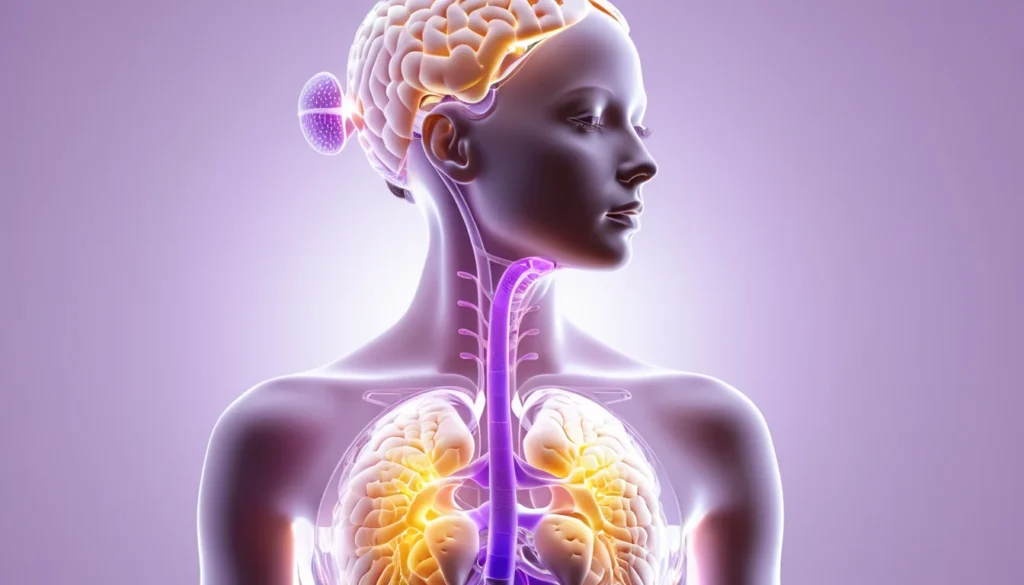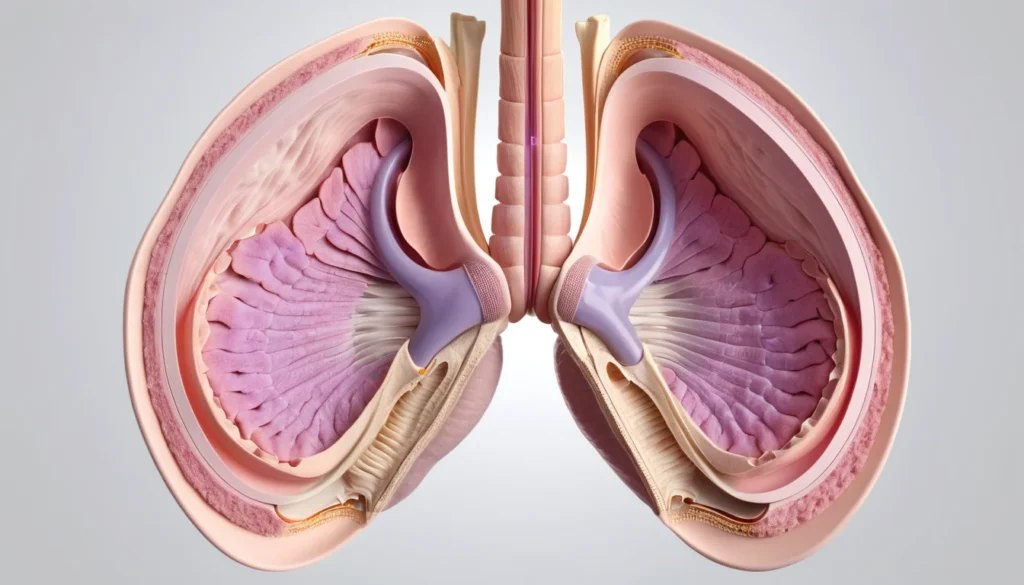
Painful sex in women — also called dyspareunia — is a condition where a woman feels discomfort or pain during sexual intercourse. It is more common than many people realize. In Canada, it affects women of all ages, and in most cases, there is a clear and treatable cause. This article explains why pain and bleeding can happen during sex, what your body may be telling you, and when it is time to speak with a healthcare provider.
What Is Painful Sex in Women?
Dyspareunia is the medical term for painful sex in women. The pain can be felt at the vaginal opening, deep inside the pelvis, or both. It can happen before, during, or after intercourse.
For some women, the pain is mild and temporary. For others, it is sharp, burning, or persistent. Either way, pain during sex is not something you should simply ignore or push through.
According to Mayo Clinic’s overview of painful intercourse, dyspareunia has many possible causes — most of which are very treatable with the right care.
Common Causes of Painful Sex in Women
Understanding the cause is the first step toward finding relief. There are several reasons why sex may be painful, and they range from physical to emotional factors.
Lack of Lubrication
One of the most frequent causes of painful sex in women is insufficient vaginal lubrication. When the vagina is not well lubricated, friction during intercourse causes irritation and pain.
This can happen for many reasons. Hormonal changes, stress, certain medications, or simply not enough foreplay can all reduce natural lubrication. Using a water-based lubricant — available at most Canadian pharmacies — can make a significant difference.
Taking more time with foreplay before penetration is also important. The body needs time to prepare, and rushing this process often leads to discomfort.
Stress and Muscle Tension
Emotional stress and anxiety can cause the muscles around the vagina to tighten involuntarily. This condition is called vaginismus, and it makes penetration painful or even impossible.
If you feel nervous, anxious, or emotionally unsettled before or during sex, your body may respond by tensing up. Talking openly with your partner about your feelings and comfort level can help your body relax. Pelvic floor physiotherapy — widely available across Canadian provinces — is also a very effective treatment for this.
Condom Allergies or Sensitivities
Some women experience a reaction to latex condoms. This can cause itching, burning, or swelling in the vaginal area during or after sex.
If you suspect this is the cause, try switching to a non-latex condom brand. Many pharmacies in Canada carry polyurethane or polyisoprene condom options. If the pain disappears after switching, a latex sensitivity was likely the cause.
The Hymen and First-Time Intercourse
Many women feel some discomfort and light bleeding during their first sexual experience. This is often due to the stretching or tearing of the hymen — a thin membrane at the vaginal opening.
This is a completely normal experience. The hymen can also be stretched during physical activity like gymnastics, horseback riding, or tampon use. Some mild soreness and spotting for a day or two is normal. However, if pain and bleeding continue beyond a few days, it is a good idea to speak with a healthcare provider.
What Causes Bleeding During Sex?
Light bleeding during sex — especially during a first experience — is usually not a cause for alarm. However, bleeding that is heavy, recurring, or happens alongside significant pain should always be checked out.
There are several possible reasons why bleeding can occur during sexual intercourse:
Hymen stretching or tearing — common during early sexual experiences
Vaginal dryness — dry tissue is more fragile and prone to small tears
Cervical sensitivity — some women have a cervix that bleeds easily when touched
Vaginal infections — infections like bacterial vaginosis or yeast infections can make tissue inflamed and more likely to bleed
Sexually transmitted infections (STIs) — certain STIs can cause inflammation and bleeding
Cervical polyps or fibroids — non-cancerous growths that can cause contact bleeding
According to Healthline’s guide on bleeding after sex, most causes are benign and treatable, but a medical evaluation is always the safest step when bleeding is unexpected.
Vaginal Infections and Painful Sex
Infections are a very common but often overlooked cause of painful sex in women. When the vaginal tissue is inflamed or irritated due to an infection, intercourse can cause significant discomfort.
Common Infections That Cause Pain
Yeast infections, bacterial vaginosis, and sexually transmitted infections such as chlamydia, gonorrhoea, or herpes can all cause pain, burning, or increased sensitivity in the vaginal area.
Many of these infections also come with other symptoms like unusual discharge, itching, or an unpleasant odour. However, some infections — especially chlamydia — can be completely silent and only detected through a test. Regular STI screening is an important part of sexual health, and it is covered under most provincial health plans in Canada.
Pelvic Inflammatory Disease (PID)
Pelvic Inflammatory Disease, or PID, is an infection of the reproductive organs. It often causes deep pelvic pain during sex. Left untreated, PID can lead to serious complications including infertility.
PID is usually caused by an untreated STI that has spread. If you experience deep, aching pain during intercourse along with fever, unusual discharge, or pelvic pressure, seek medical attention promptly.
Other Medical Conditions That Can Cause Painful Sex
Sometimes, painful sex is a sign of an underlying medical condition that needs proper diagnosis and treatment. It is important not to dismiss ongoing pain as “normal.”
Endometriosis
Endometriosis is a condition where tissue similar to the uterine lining grows outside the uterus. It often causes deep pain during sex, particularly during deep penetration.
Endometriosis affects roughly one in ten Canadian women of reproductive age. Many live with it for years before receiving a diagnosis. If you experience severe menstrual cramps alongside painful sex, ask your family doctor about being assessed for endometriosis.
Hormonal Changes
Lower estrogen levels — common during menopause, after childbirth, or while breastfeeding — can cause vaginal dryness and thinning of vaginal tissue. This makes sex uncomfortable or painful.
This condition is called vaginal atrophy or genitourinary syndrome of menopause (GSM). It is very common and very treatable. Your doctor can discuss options ranging from lubricants and moisturisers to topical estrogen therapy.
Skin Conditions
Certain skin conditions like lichen sclerosus or lichen planus can affect the vulvar area. These cause pain, itching, and discomfort during sex. A dermatologist or gynaecologist can diagnose and treat these conditions effectively.
For a broader look at conditions affecting women’s sexual health, Health Canada’s sexual health resources provide reliable, Canadian-specific guidance.
When to See a Doctor
Not all pain during sex requires an urgent visit, but certain symptoms should always be assessed by a medical professional. Do not wait or feel embarrassed — your comfort and health matter.
See your family doctor, visit a walk-in clinic, or contact a sexual health centre if you notice any of the following:
Pain during sex that persists for more than a few days
Recurring bleeding during or after intercourse
Unusual vaginal discharge, odour, or itching
Pain deep in the pelvis during sex
Fever alongside pelvic pain
Pain that is getting worse over time
Any pain that is affecting your relationship or quality of life
In Canada, you can speak with your family doctor, visit a walk-in clinic, or access a sexual health clinic through your provincial health system. Many provinces offer free or low-cost STI testing and sexual health consultations. You do not need a referral to visit most walk-in clinics or sexual health centres.
Remember, painful sex in women is a medical issue, not something you need to silently manage. Speaking with a healthcare provider is the right and brave thing to do.
Tips for Reducing Discomfort During Sex
While you are working with your healthcare provider to find the root cause, there are practical steps you can take to reduce discomfort.
Use a water-based lubricant — apply generously before and during intercourse
Spend more time on foreplay — allow your body to naturally prepare
Communicate with your partner — let them know what feels comfortable and what does not
Try different positions — some positions reduce pressure on sensitive areas
Avoid scented products — soaps, sprays, and douches can irritate vaginal tissue
Practice pelvic floor exercises — or see a pelvic floor physiotherapist
Manage stress — yoga, mindfulness, or counselling can reduce tension that contributes to pain
These strategies are not a substitute for medical care. However, they can provide real relief while you pursue a proper diagnosis.
Frequently Asked Questions About Painful Sex in Women
Is painful sex in women normal?
Occasional mild discomfort during a first sexual experience can be normal. However, painful sex in women that is recurring, severe, or getting worse is not something to ignore. It is always worth speaking with a healthcare provider to rule out an underlying cause.
Why does sex hurt all of a sudden?
Sudden pain during sex can be caused by a vaginal infection, hormonal changes, a new sensitivity or allergy, or the beginning of a condition like endometriosis. If sex suddenly becomes painful without an obvious reason, see your family doctor or visit a walk-in clinic for an evaluation.
What does bleeding during sex mean?
Bleeding during sex can result from vaginal dryness, hymen tearing during early experiences, cervical sensitivity, or an infection. Recurring or heavy bleeding during intercourse should always be assessed by a doctor, as it can sometimes indicate a condition that needs treatment.
Can stress cause painful sex in women?
Yes. Stress and anxiety cause the pelvic floor muscles to tighten, which makes penetration painful — a condition known as vaginismus. Managing stress and communicating openly with your partner can help. A pelvic floor physiotherapist can also provide targeted treatment.
Is painful sex covered under my provincial health plan in Canada?
Most doctor visits related to painful sex in women are covered under provincial health insurance plans. This includes visits to your family doctor, walk-in clinics, and referrals to specialists like gynaecologists. Some services, such as pelvic floor physiotherapy, may require private coverage or out-of-pocket payment depending on your province.
What kind of doctor should I see for painful sex?
Start with your family doctor or a walk-in clinic if you do not have a regular doctor. They can assess your symptoms and refer you to a gynaecologist or pelvic health specialist if needed. Sexual health clinics in most Canadian cities also offer confidential assessments without a referral.
Key Takeaways
Painful sex in women (dyspareunia) is common and almost always has a treatable cause.
Lack of lubrication is one of the most frequent and easily addressed causes.
Stress, muscle tension, and condom sensitivities can all contribute to pain during intercourse.
Light bleeding during a first sexual experience is usually normal, but recurring bleeding should be checked.
Infections, endometriosis, hormonal changes, and skin conditions can all cause painful sex.
If pain or bleeding persists for more than a few days, see your family doctor, visit a walk-in clinic, or contact a sexual health centre.
Most assessments are covered under provincial health plans in Canada.
You deserve to have a comfortable and healthy sexual life — do not hesitate to ask for help.
This article is for informational purposes only and does not replace professional medical advice. If you are experiencing pain or bleeding during sex, please consult your family doctor, a walk-in clinic, or a qualified healthcare provider for a proper assessment and diagnosis.