Pain is one of the most common reasons Canadians visit their family doctor or walk-in clinic. It is an unpleasant feeling that can appear as burning, stabbing, cramping, heaviness, or tightness. Pain varies widely in strength, location, and duration. Understanding what pain is, why it happens, and how it can be treated can help you make better decisions about your health.
What Is Pain?
Pain is your body’s alarm system. It signals that something may be wrong inside or outside your body. According to the World Health Organization, pain is a major global health concern that affects quality of life at every age.
Pain is always personal. Two people with the same injury can feel very different levels of discomfort. Your emotional state, past experiences, and overall health all shape how you experience pain. This makes it impossible to measure pain the same way for everyone.
Some people feel pain without any clear physical cause. However, that does not mean the pain is not real. Their experience is just as valid as pain caused by a visible injury.
How Does Pain Work?
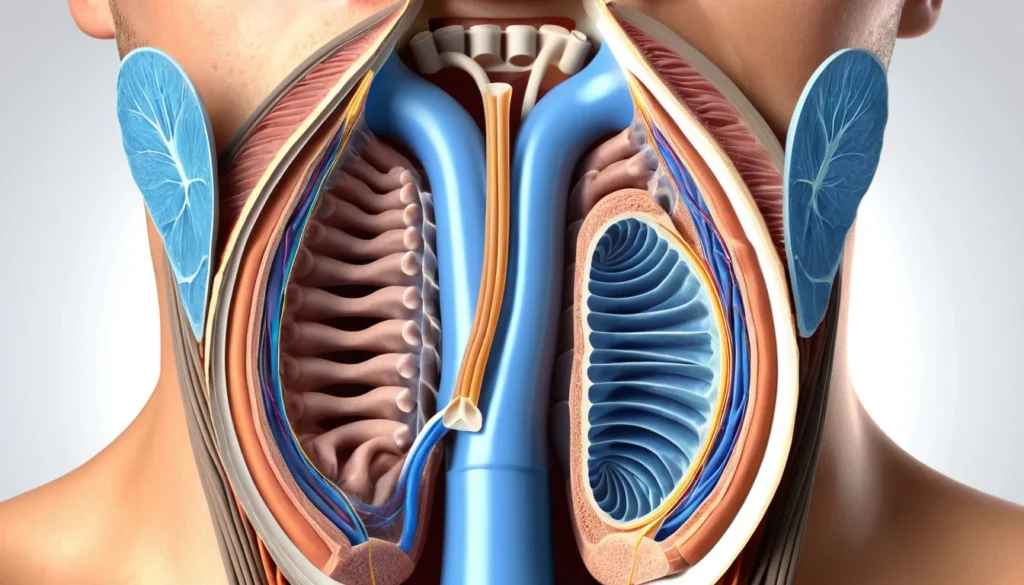
Your body has special nerve endings called nociceptors. These are pain receptors that detect harmful stimuli — things like heat, pressure, or tissue damage. They are found mostly in your skin. They also exist in your blood vessels, mucous membranes, bones, and tendons.
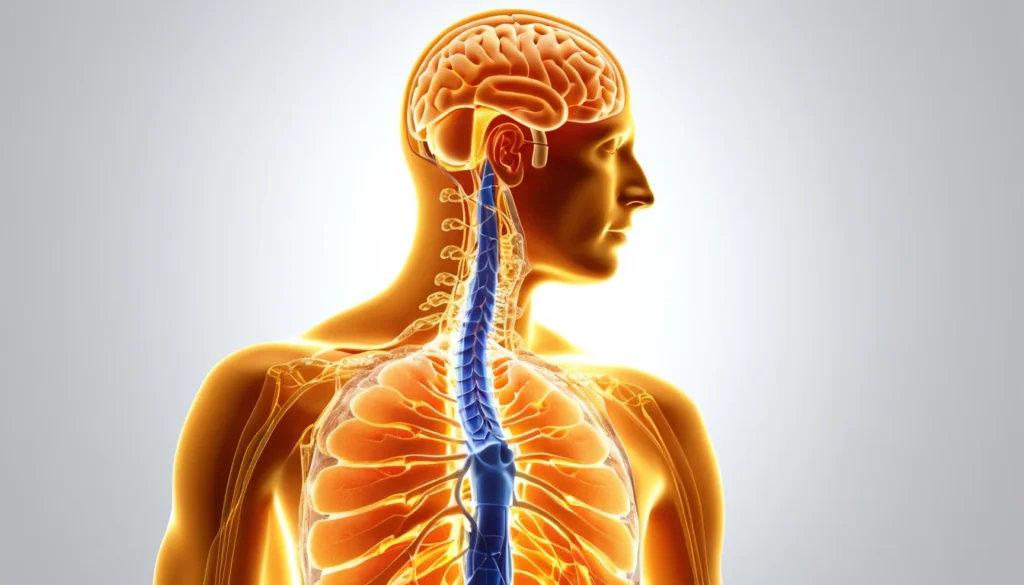
Internal organs have fewer nociceptors. This is why internal pain can feel vague or hard to locate. When nociceptors detect a threat, they send a signal along your nervous system to your brain. Your brain then interprets that signal as pain.
Pain has an important protective role. It tells you to stop doing something harmful or to seek help. However, if pain is not treated, it can work against you. Intense pain can overwhelm your nervous system and make it hard to function, sleep, or think clearly.
How Your Emotions Affect Pain
Your emotional state plays a big role in how you feel pain. Stress, anxiety, and depression can all make pain feel worse. This is not “all in your head” — it is a real biological process. The brain regions that handle emotions also process pain signals.
Therefore, treating pain often means addressing both the physical and emotional sides of the experience. Many pain centres in Canada now offer programmes that combine medical care with mental health support.
Types of Pain
Doctors describe pain in several ways. Understanding the type of pain you feel can help your healthcare provider find the right treatment. The Mayo Clinic outlines several key categories of pain that guide treatment decisions.
Acute Pain
Acute pain starts suddenly and has a clear cause, such as a cut, broken bone, or surgery. It usually goes away as the injury heals. Acute pain can also raise your heart rate, blood pressure, and stress hormone levels like cortisol.
This type of pain is your body’s way of telling you to protect the injured area. It is short-term and tends to respond well to standard pain relievers.
Chronic Pain
Chronic pain lasts longer than one month past the usual healing time. It may continue after an illness or injury has resolved. In some cases, it is linked to an ongoing condition like arthritis, fibromyalgia, or nerve damage.
Chronic pain is much more complex than acute pain. It can affect your mood, sleep, relationships, and ability to work. Many Canadians live with chronic pain and need ongoing support from their healthcare team.
Referred Pain
Sometimes pain is felt in a different part of the body than where the problem actually is. This is called referred pain. For example, a heart attack can cause pain in the left arm or jaw rather than the chest.
Referred pain can make diagnosis more challenging. Your doctor may need to run tests to find the true source of your discomfort.
Phantom Pain
Phantom pain is felt in a limb or body part that has been removed. About 65% of people who have had an amputation experience this. The brain continues to receive signals as if the missing limb is still there.
Phantom pain is a real and recognized medical condition. Several treatment options exist to help manage it effectively.
Describing Your Pain
Pain can also be described by how it feels. Common descriptions include:
Throbbing or pulsating — often linked to inflammation
Sharp or stabbing — often linked to nerve involvement
Cramping — often linked to muscle issues
Colicky — often linked to internal organ problems
Burning — often linked to nerve or skin conditions
Sharing these details with your doctor helps them identify the cause and choose the best treatment.
Pain Treatment Options
Pain management is one of the most important areas of modern medicine. The right treatment depends on the type, cause, and severity of your pain. In Canada, your family doctor is often the first point of contact for developing a pain management plan.
Medications for Pain
For mild pain, over-the-counter medicines like acetaminophen (Tylenol) or ASA (Aspirin) are often effective. These are widely available at pharmacies across Canada without a prescription.
For moderate pain, non-steroidal anti-inflammatory drugs (NSAIDs) — such as ibuprofen — can help reduce both pain and inflammation. Always follow dosage directions and speak with a pharmacist if you are unsure.
For severe or chronic pain that does not respond to other treatments, doctors may prescribe opioid medications. These are related to morphine and require careful monitoring. Your doctor or specialist will manage this type of treatment closely due to the risk of dependence.
Advanced Treatments for Chronic Pain
In some cases of severe chronic pain, doctors may recommend more advanced options. These include:
Epidural injections — medication delivered near the spinal cord through a thin tube called a catheter
Nerve blocks — injections that stop pain signals from reaching the brain
Implantable pumps — devices placed under the skin that deliver steady doses of pain medication
Neurosurgery — in rare cases, surgery may be used to interrupt pain pathways in the nervous system
These options are typically managed by pain specialists in dedicated pain centres. Canada has seen significant growth in these specialized programmes in recent years.
Non-Drug Treatments
Many effective pain treatments do not involve medication at all. These approaches are often used alongside medicines for better results. According to Healthline, non-drug therapies can significantly improve pain outcomes.
Common non-drug options include:
Cryotherapy — applying cold to reduce swelling and numb pain
Massage therapy — covered by some provincial health plans or extended benefits
Acupuncture — fine needles placed at specific body points to reduce pain signals
Electrotherapy — using electrical stimulation to interrupt pain signals, such as TENS (transcutaneous electrical nerve stimulation)
Physiotherapy — exercises and hands-on treatment to restore movement and reduce pain
Cognitive behavioural therapy (CBT) — a talking therapy that helps change how you respond to pain
Many of these services are available through your provincial health plan or via referral from your family doctor. It is always worth asking what is covered in your province.
When to See a Doctor
Not all pain requires a doctor visit. However, some pain should never be ignored. See your family doctor or visit a walk-in clinic as soon as possible if your pain:
Is severe or getting worse quickly
Lasts more than a few days without improvement
Wakes you up at night regularly
Comes with other symptoms like fever, weight loss, or numbness
Follows an injury, accident, or fall
Interferes with your daily life or ability to work
If you have no regular family doctor, walk-in clinics across Canada can assess your pain and refer you to the right specialist. In a medical emergency — such as chest pain or sudden severe headache — call 911 or go to your nearest emergency department immediately.
Your provincial health plan covers most doctor visits. Do not let cost be a reason to avoid getting help for your pain. Early treatment almost always leads to better outcomes.
Frequently Asked Questions About Pain
What is the difference between acute pain and chronic pain?
Acute pain starts suddenly and is linked to a specific injury or illness. It goes away as you heal. Chronic pain lasts more than one month beyond normal healing time and often needs long-term pain management strategies.
When should I go to the ER for pain?
Go to the emergency room if you have sudden, severe pain — especially chest pain, extreme head pain, or abdominal pain with vomiting. These can signal a serious medical emergency that needs immediate care. Call 911 if you are unsure.
Can pain be all in your head?
Pain is always real, even when there is no visible physical cause. Your brain processes pain signals the same way regardless of origin. Psychological factors like stress and anxiety can genuinely increase how much pain you feel.
What is the best over-the-counter pain reliever in Canada?
Acetaminophen (Tylenol) and ibuprofen (Advil) are the most common over-the-counter pain options in Canada. The best choice depends on the type of pain and your overall health. Always speak with a pharmacist before choosing a pain reliever.
Is chronic pain covered by provincial health plans in Canada?
Doctor visits, specialist referrals, and many hospital-based pain treatments are covered under provincial health plans. However, some services like massage therapy or acupuncture may require extended benefits. Ask your family doctor what options are available in your province.
What non-drug treatments help with pain?
Several non-drug approaches can effectively manage pain, including physiotherapy, massage, acupuncture, TENS therapy, and cognitive behavioural therapy. These are often used alongside medication for better overall pain relief. Your doctor can refer you to the right programme for your needs.
Key Takeaways
Pain is your body’s alarm system — it signals that something needs attention.
Pain is always personal. Your emotional state and health history affect how you feel it.
The two main types are acute pain (short-term) and chronic pain (lasting more than one month).
Other types include referred pain and phantom pain, both of which are real medical conditions.
Treatment options range from over-the-counter medicines to physiotherapy, acupuncture, and specialist care.
Most pain treatments are accessible through your family doctor or a walk-in clinic in Canada.
Always speak with a healthcare professional before starting any new pain treatment — the right approach depends on your individual situation.
This article is for general information only. Always consult your family doctor or a qualified healthcare provider before making any decisions about pain treatment.