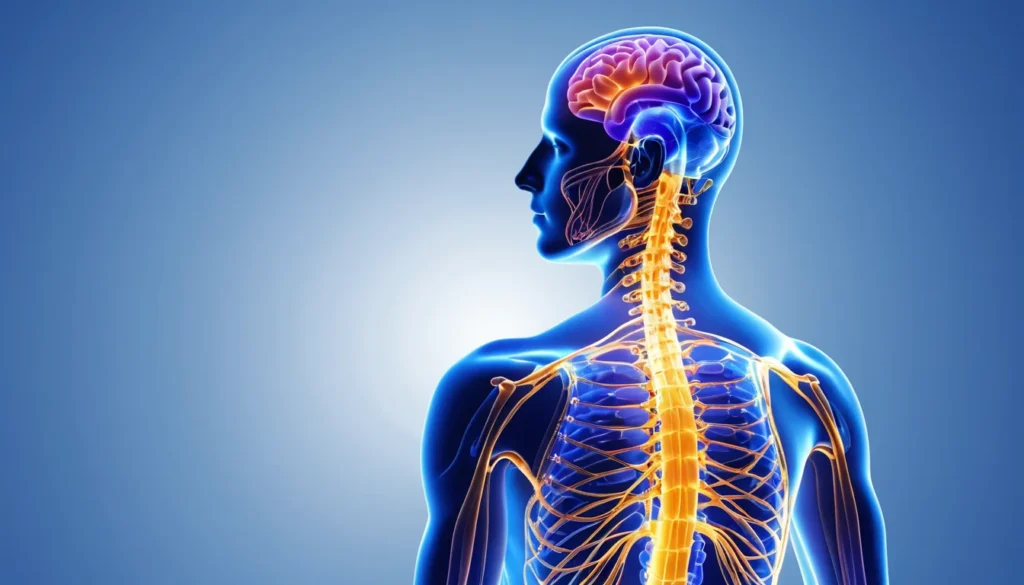
Pain management is something almost every Canadian will need at some point in their life. Pain is your body’s way of telling you something is wrong — and learning how to understand and manage it can make a real difference in your quality of life. This article explains the different types of pain, how they are treated, and when you should reach out to a healthcare provider.
Why Pain Is More Than Just Discomfort
Nobody enjoys being in pain. However, pain is one of your body’s most important communication tools. Think about what would happen if you touched a hot stove and felt nothing — pain is what tells your brain to pull your hand away fast.
Pain is both a physical sensation and an emotional experience. It can come from a bee sting, a broken bone, or a long-term illness. Everyone responds to pain differently, which is why pain management is not a one-size-fits-all approach. Understanding your pain is the first step toward treating it effectively.
Acute vs. Chronic Pain: What Is the Difference?
The most common way to categorise pain is by how long it lasts. This gives doctors a clearer picture of what might be causing it and how to treat it.
Acute Pain
Acute pain is short-term. It usually starts suddenly because of an injury, illness, or surgery. For example, breaking a bone or getting a cut causes acute pain. Once the underlying cause is treated, the pain goes away.
Think of acute pain as a warning signal. It tells you that something in your body needs attention right away. In most cases, it is very treatable and does not last long.
Chronic Pain
Chronic pain, on the other hand, lasts for three to six months or longer — sometimes for a person’s entire life. It can begin as acute pain that was not treated properly. In other cases, it is linked to ongoing conditions such as diabetes, cancer, or arthritis.
According to Health Canada, chronic pain affects millions of Canadians and is one of the leading reasons people visit their family doctor or a walk-in clinic. It can affect your sleep, your mood, and your ability to do everyday tasks.
Common Types of Chronic Pain
Chronic pain generally falls into two main categories: nociceptive pain and neuropathic pain. Understanding which type you have helps guide the best treatment plan.
Nociceptive Pain
Nociceptive pain happens when body tissue is damaged. People often describe it as a sharp, throbbing, or aching sensation. This type of pain can come from a benign condition, a tumour, or cancer that has spread to bones, muscles, or joints.
Nociceptive pain is further divided into two subtypes:
Radicular pain — This pain comes from irritation of nerve roots, such as a herniated disc. It travels down the arms or legs along the path of the affected nerve. It is often accompanied by weakness, numbness, tingling, or loss of reflexes.
Somatic pain — This type is usually limited to the back or thighs. The most common causes include problems with the facet joints, spinal discs, or the sacroiliac joint. Discs act like shock absorbers between the bones of your spine. The sacroiliac joint connects your lower spine to your pelvis and helps carry your body weight when you walk.
Neuropathic Pain
Neuropathic pain occurs when there is actual damage to the nerves themselves. Your nerves connect your brain to your skin, muscles, and internal organs. When they are damaged, the signals they send become distorted.
People often describe neuropathic pain as a burning, heavy, or numb feeling. It can be caused by poor nutrition, alcohol use, toxins, infections, or autoimmune conditions. A cancerous tumour pressing on a nerve can also cause this type of pain.
Common neuropathic pain conditions include fibromyalgia, irritable bowel syndrome, and regional pain syndrome. These conditions can be difficult to treat. However, with the right diagnosis and a combination of treatments, it is very possible to reduce the pain significantly.
Pain Management Options for Chronic Pain
Effective pain management often involves more than one approach. Your healthcare provider will work with you to find the right combination based on your specific condition.
Medications
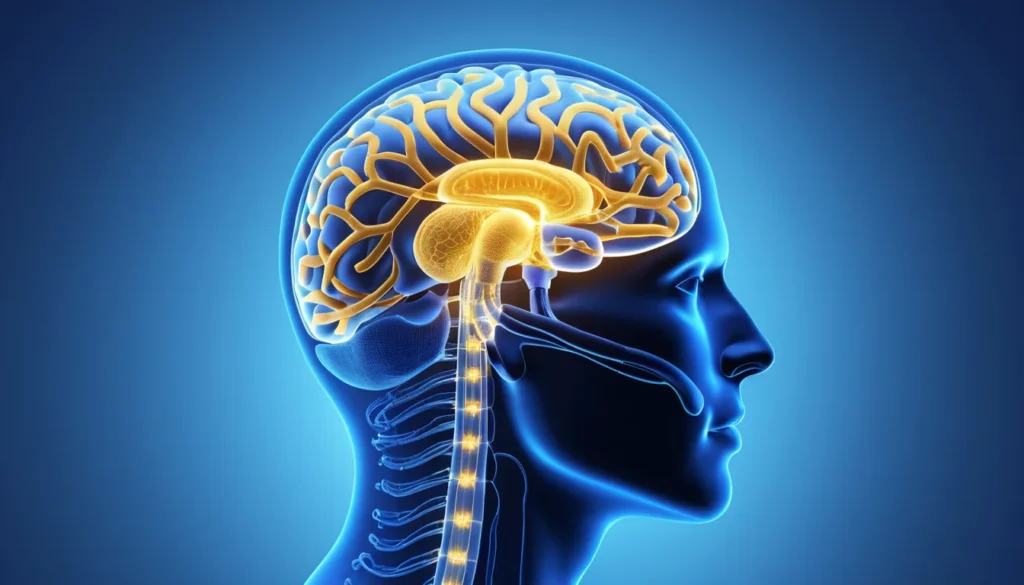
Medications are a key part of managing neuropathic pain. Many of them work by changing the way your body processes pain signals in the central nervous system — mainly through the spinal cord.
Common medication types used in pain management include:
Antidepressants — These affect the levels of serotonin and noradrenaline in the brain, which can help reduce pain signals.
Anti-epileptic drugs — These act on different neurotransmitters to calm overactive nerve signals.
Over-the-counter pain relievers — These include medications like ibuprofen or acetaminophen for milder pain.
Always speak with your family doctor or pharmacist before starting or stopping any medication. What works for one person may not work for another.
Spinal Cord Stimulation
One of the most advanced tools in pain management for neuropathic pain is spinal cord stimulation. This device delivers small amounts of electrical energy directly to the spinal cord. It interrupts the pain signals before they reach the brain.
This option is typically considered when other treatments have not worked. Your specialist will explain whether you are a good candidate for this approach.
Physical Therapy and Lifestyle Changes
Physical therapy is another powerful tool. A trained physiotherapist can teach you exercises that strengthen the muscles around painful areas. This reduces strain and improves movement over time.
In addition, lifestyle changes such as regular low-impact exercise, a balanced diet rich in fibre, and good sleep habits can all support better pain control. According to the Mayo Clinic’s pain management resources, combining physical activity with other treatments gives the best long-term results.
Chronic Back and Leg Pain: A Closer Look
Back pain is one of the most common reasons Canadians seek medical care. Chronic back and leg pain can result from conditions such as degenerative disc disease, osteoporosis, or inflammation of the spinal tissues.
The pain is often felt in the lower back. However, it can travel down through the thighs, calves, and even into the feet. The affected areas may feel sore to the touch, and the pain often gets worse with movement.
This type of pain can range from a mild ache to a sharp, burning sensation. It can seriously affect your ability to work, exercise, and enjoy daily life. Therefore, getting an accurate diagnosis early is very important.
The World Health Organization notes that low back pain is the leading cause of disability worldwide. In Canada, it is a major driver of missed work days and reduced quality of life.
When to See a Doctor About Your Pain
Knowing when to seek help is a critical part of pain management. You should not wait until your pain becomes unbearable before reaching out to a healthcare provider.
Consider booking an appointment with your family doctor if:
Your pain has lasted more than a few weeks without improvement
Your pain is interfering with sleep, work, or daily activities
You are taking pain medication more than three times a week
Your pain came on suddenly and severely with no clear cause
You experience numbness, tingling, or weakness alongside pain
If you do not have a family doctor, a walk-in clinic is a good first step. Many provincial health plans cover assessments for pain-related concerns. Your doctor may refer you to a pain specialist, physiotherapist, or other healthcare professional depending on your situation.
Never ignore pain that feels different from anything you have experienced before. When in doubt, always consult your doctor or another qualified healthcare professional.
Frequently Asked Questions About Pain Management
What is the most effective pain management approach for chronic pain?
Effective pain management for chronic pain usually combines medications, physical therapy, and lifestyle changes. There is no single solution that works for everyone, so your doctor will tailor a plan to your specific needs. Working closely with a healthcare provider gives you the best chance of reducing your pain significantly.
What is the difference between acute pain and chronic pain?
Acute pain starts suddenly and is usually caused by an injury or illness — it goes away once the cause is treated. Chronic pain lasts three to six months or longer and may persist even after the original cause has healed. Proper pain management differs significantly between the two types.
Can chronic pain be cured?
Chronic pain cannot always be completely cured, but it can often be managed very effectively. With the right pain management plan, many people are able to return to normal daily activities. Treatment focuses on reducing pain levels, improving function, and enhancing quality of life.
When should I go to a walk-in clinic for pain?
You should visit a walk-in clinic if your pain is sudden, severe, or stopping you from functioning normally and you cannot reach your family doctor. Walk-in clinics can assess your symptoms and refer you to the right specialist. Most provincial health plans in Canada cover these visits.
What is neuropathic pain and how is it treated?
Neuropathic pain results from actual damage to the nerves and is often described as a burning or numb sensation. Treatment options include antidepressants, anti-epileptic medications, and in some cases, spinal cord stimulation. A proper diagnosis from a doctor is essential before starting any pain management treatment for nerve pain.
Does exercise help with chronic pain management?
Yes, regular low-impact exercise such as walking, swimming, or stretching can be a very helpful part of pain management for chronic conditions. Exercise strengthens muscles, improves flexibility, and can reduce inflammation over time. Always check with your doctor before starting a new exercise routine if you are dealing with chronic pain.
Key Takeaways
Pain management starts with understanding what type of pain you have — acute or chronic.
Chronic pain lasts three to six months or more and often needs a combination of treatments.
Nociceptive pain comes from tissue damage; neuropathic pain comes from nerve damage.
Treatment options include medications, physical therapy, lifestyle changes, and advanced procedures like spinal cord stimulation.
Back pain is extremely common in Canada and can range from mild discomfort to severe, life-limiting pain.
If your pain is interfering with daily life, speak with your family doctor or visit a walk-in clinic.
Always consult a qualified healthcare professional before making changes to your pain treatment plan.