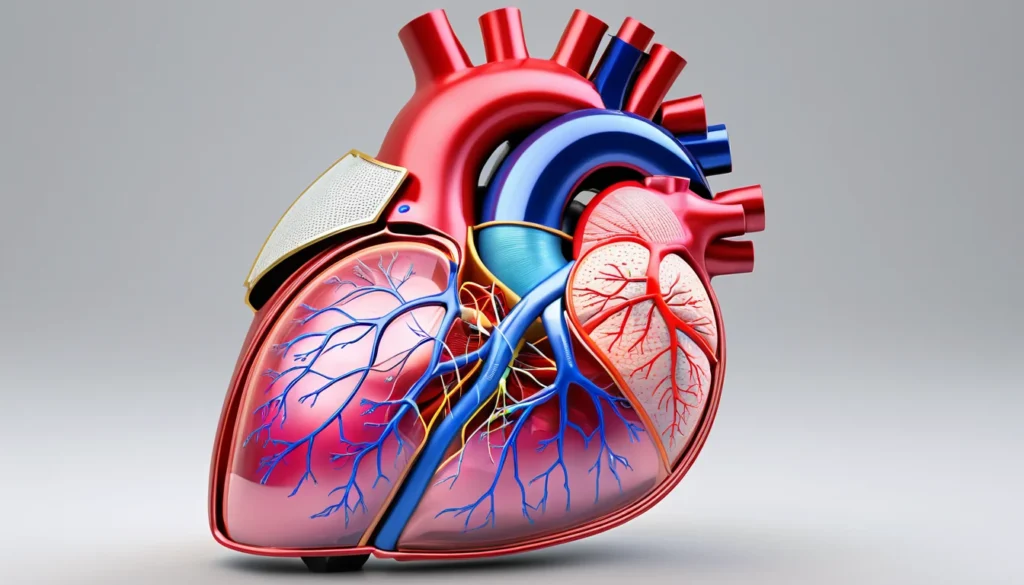
A pacemaker is a small electronic device implanted in your chest to help control an abnormal heart rhythm. If your heart beats too slowly, too quickly, or irregularly, a pacemaker can step in and correct it. In Canada, thousands of people receive pacemakers each year through their provincial health systems. This article explains what a pacemaker is, how it works, who needs one, and what to expect from the procedure.
What Is a Pacemaker?
A pacemaker is an implanted device that monitors your heart’s electrical activity. When it detects an abnormal rhythm, it sends small electrical signals to keep your heart beating at a safe, steady pace. Think of it as a backup system for your heart’s natural electrical wiring.
Pacemakers can be temporary or permanent. Temporary pacemakers are used in short-term situations, such as after a heart attack or major surgery. Permanent pacemakers are implanted for people who have a chronically slow or irregular heartbeat, helping to prevent heart failure over the long term.
Understanding Heart Rhythm
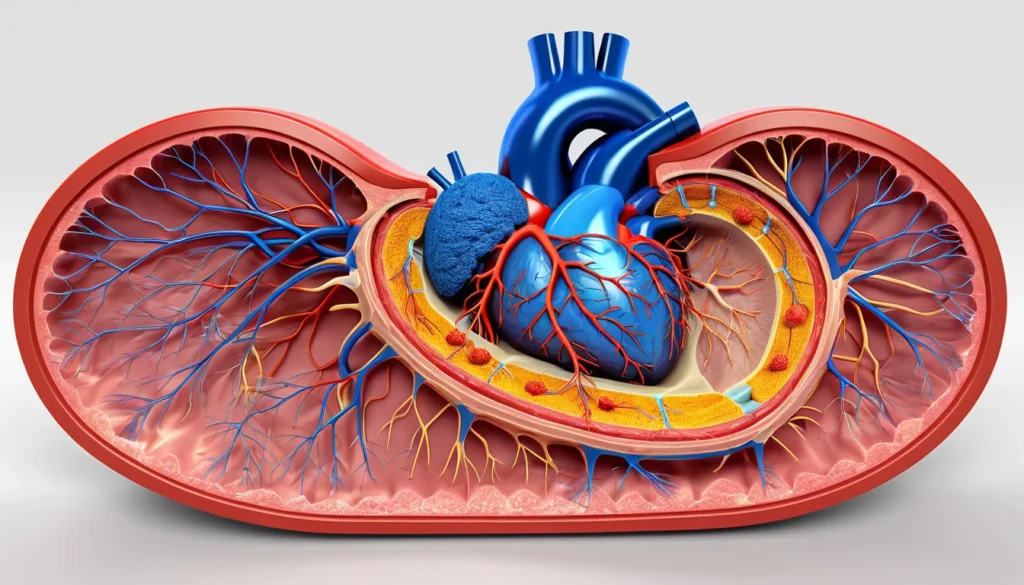
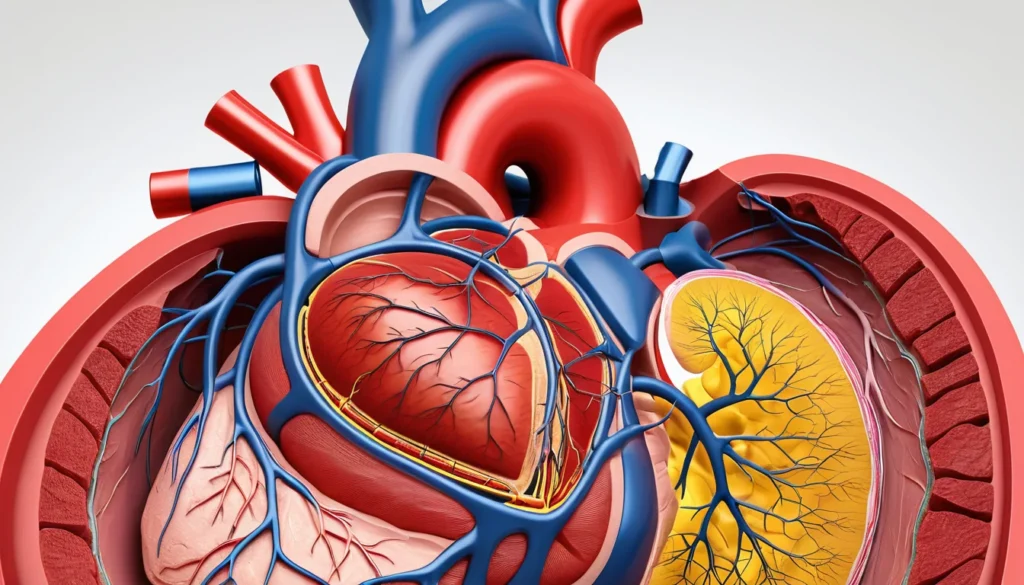
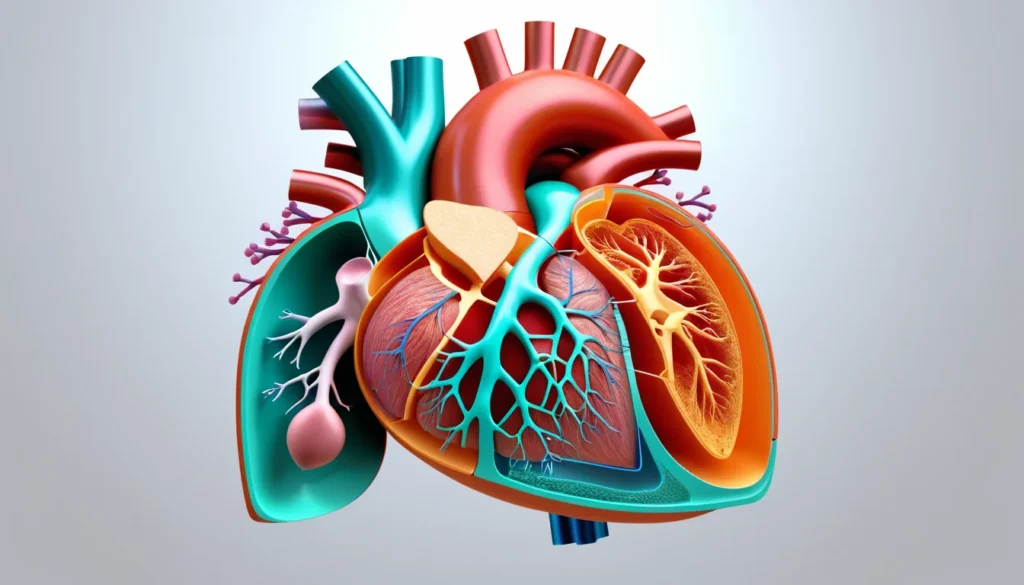
Your heart is a muscular pump with four chambers — two upper chambers called atria and two lower chambers called ventricles. These chambers work together, guided by the heart’s own electrical system, to keep blood moving through your body.
In a typical adult at rest, a normal heart rate falls between 60 and 100 beats per minute. A heart rate above 100 beats per minute is called tachycardia. A heart rate below 60 beats per minute is called bradycardia. Both can be medically significant, depending on the cause and how often they occur.
When heart disease or tissue damage affects the heart muscle or its electrical system, the rhythm can become irregular. This often shows up as palpitations — a fluttering or pounding feeling in your chest. A pacemaker is most commonly used to treat bradycardia, where the heart beats too slowly to pump enough blood to the body. For more on heart rhythm disorders, visit Mayo Clinic’s guide to heart arrhythmia.
How Does a Pacemaker Work?
One of the most important things to understand is that a pacemaker only activates when it is needed. If your heart is beating normally, the device stays quiet and does nothing. It simply watches and waits.
When your heart rate drops below the safe threshold — usually below 60 beats per minute — the pacemaker takes over from the heart’s natural electrical system. It adds electrical impulses to bring the heart rate back into the normal range of 60 to 100 beats per minute.
Parts of a Pacemaker
A pacemaker has two main components. The first is a pulse generator, which contains a small battery and an electrical circuit. This part controls the rate and strength of the impulses sent to your heart.
The second component is one to three leads (thin, flexible wires). These leads are threaded through a vein and placed inside one or more chambers of the heart. The pulse generator sends signals through the leads, which deliver those signals directly to the heart muscle.
Newer pacemaker models are now available without leads at all. These leadless pacemakers are implanted directly into the heart muscle and are even smaller than traditional devices. According to Healthline’s overview of pacemakers, leadless devices have a lower risk of certain complications related to the leads themselves.
Diagnostic Tests Before Getting a Pacemaker
Before your doctor decides you need a pacemaker, they will run several tests to understand why your heart rhythm is abnormal. These tests help confirm the diagnosis and rule out other causes.
Electrocardiogram (ECG)
An ECG is a quick, painless test. Small electrode patches are placed on your chest, arms, and legs. The machine records your heart’s electrical activity at that moment in time, showing your doctor your heart rate and rhythm.
Holter Monitor
A Holter monitor is a small, wearable device that records your heart rhythm continuously for one to two days. This is useful because irregular rhythms do not always appear during a short clinic visit. The monitor captures every heartbeat over that period, giving your doctor a more complete picture.
Echocardiogram
An echocardiogram uses sound waves to produce images of your heart’s structure. It shows how well your heart is pumping and whether there are any physical problems with the chambers or valves.
Stress Test
Some heart rhythm problems only appear during physical activity. A stress test records an ECG while you walk on a treadmill at increasing speeds. In some cases, a pacemaker may be needed specifically to correct bradycardia that occurs during exercise.
The Pacemaker Implantation Procedure
Once your care team confirms that you need a pacemaker, you will either be scheduled for a procedure or sent urgently to a cardiovascular unit, depending on how serious your condition is. The procedure typically takes a few hours.
In most cases, you will be awake during the implantation. You will receive a sedative to help you relax and a local anaesthetic to numb the area where the incision is made. In some situations, general anaesthesia may be used instead.
Step-by-Step: What Happens During the Procedure
Once you are sedated and comfortable, the interventional cardiologist makes a small incision near your collarbone. A guide wire is inserted into one of the large veins in that area. The lead wire is then threaded through that vein and carefully positioned inside the heart.
One end of the lead sits inside the heart chamber. The other end connects to the pulse generator, which is implanted just beneath the skin in the upper left chest. The area where the device sits may be slightly visible or felt through the skin after the procedure.
After implantation, the pacemaker is programmed — much like setting a clock — to deliver impulses that match your specific heart rate needs. Most patients stay in hospital for about one day after the procedure for monitoring. Your care team will advise you to avoid heavy lifting, strenuous activity, and direct pressure on the device site while you heal.
Risks and Complications
Pacemaker implantation is a minimally invasive procedure, and serious complications are uncommon. However, as with any medical intervention, some risks do exist. These include:
Infection at the implantation site or near the heart
Swelling, bruising, or bleeding around the incision
Blood clots (thrombosis) or clots that travel to other areas (thromboembolism)
Damage to nearby blood vessels or nerves
Collapsed lung (pneumothorax)
Blood around the lung (haemothorax)
Your cardiologist will discuss these risks with you before the procedure. The benefits of having a pacemaker in appropriate cases far outweigh the risks for most patients. You can also review Health Canada’s guidance on cardiac rhythm management devices for regulatory information on these devices.
Special Precautions After Getting a Pacemaker
One potential issue for pacemaker users is electrical interference. In rare cases, strong electromagnetic fields can temporarily affect how a pacemaker functions. The good news is that everyday electronics are generally safe.
Here are some practical precautions to keep in mind:
Mobile phones: It is safe to use your mobile phone. However, keep it at least 15 centimetres (about 6 inches) away from your pacemaker. Avoid carrying your phone in a breast pocket directly over the device.
Medical equipment: Always tell any healthcare provider — including your dentist, physiotherapist, or imaging technician — that you have a pacemaker before any procedure or scan.
Security scanners: Airport and building security scanners are generally safe. However, show your pacemaker ID card to security staff so they can use a handheld wand carefully rather than holding it directly over the device.
High-voltage environments: Avoid working directly with high-voltage electrical equipment or powerful industrial magnets, as these can interfere with your device.
Your cardiologist will give you a wallet card with your pacemaker model and settings. Carry it with you at all times, especially when travelling outside your province or country.
When to See a Doctor
If you notice a slow or irregular heartbeat, frequent dizziness, fainting, or unexplained fatigue, contact your family doctor as soon as possible. These can be signs of bradycardia or another heart rhythm problem that may require further investigation.
If you cannot reach your family doctor quickly, a walk-in clinic can perform an initial assessment, including an ECG, and refer you to a cardiologist if needed. Most provincial health plans in Canada cover pacemaker implantation when it is medically necessary, so speak with your healthcare provider about your options.
If you already have a pacemaker and experience chest pain, shortness of breath, fainting, or feel that your device is not working correctly, go to your nearest emergency department right away.
Frequently Asked Questions About Pacemakers
How long does a pacemaker battery last?
Most pacemaker batteries last between 7 and 15 years, depending on how often the device is used and the model. When the battery runs low, your cardiologist replaces the pulse generator in a minor procedure. The leads are usually left in place and reused.
Can you live a normal life with a pacemaker?
Yes, most people with a pacemaker live very full and active lives. After your recovery period, you can typically return to work, exercise, travel, and daily activities. Your cardiologist will give you specific guidelines based on your condition and the type of device you have.
Is a pacemaker covered by provincial health insurance in Canada?
In most provinces, pacemaker implantation is covered under provincial health plans when it is medically necessary. Coverage details can vary, so it is best to check with your provincial health authority or ask your cardiologist about the process in your area.
Can you have an MRI with a pacemaker?
Many modern pacemakers are now MRI-compatible, but not all older models are. Always tell your imaging technician and the ordering doctor that you have a pacemaker before any MRI scan. They will check your device model and take the appropriate precautions to keep you safe.
What is the difference between a pacemaker and a defibrillator?
A pacemaker primarily treats a heart that beats too slowly by sending small, continuous electrical impulses to regulate the rhythm. A defibrillator (ICD) is designed to detect dangerously fast rhythms and deliver a stronger shock to reset the heart. Some devices combine both functions.
How do I know if I need a pacemaker?
Common signs that may lead to a pacemaker recommendation include a persistently slow heart rate, frequent fainting, extreme fatigue, and shortness of breath. Your family doctor or cardiologist will use tests like an ECG or Holter monitor to confirm whether a pacemaker is the right treatment for you.
Key Takeaways
A pacemaker is a small implanted device that regulates an abnormal heart rhythm, most commonly a slow heartbeat (bradycardia).
It only activates when needed — it does not interfere with a normally beating heart.
Pacemakers consist of a pulse generator and one to three leads, though newer leadless models are also available.
Before implantation, your doctor will use tests like an ECG, Holter monitor, echocardiogram, or stress test to confirm the diagnosis.
The procedure is minimally invasive, typically done under local anaesthesia, and most patients go home within one day.
Most provincial health plans in Canada cover pacemaker implantation when medically necessary.
Always consult your family doctor or a cardiologist if you notice signs of an irregular heartbeat. Early diagnosis leads to better outcomes.
This article is for informational purposes only and does not replace professional medical advice. Always speak with your family doctor or a qualified healthcare provider before making any decisions about your heart health or treatment options.