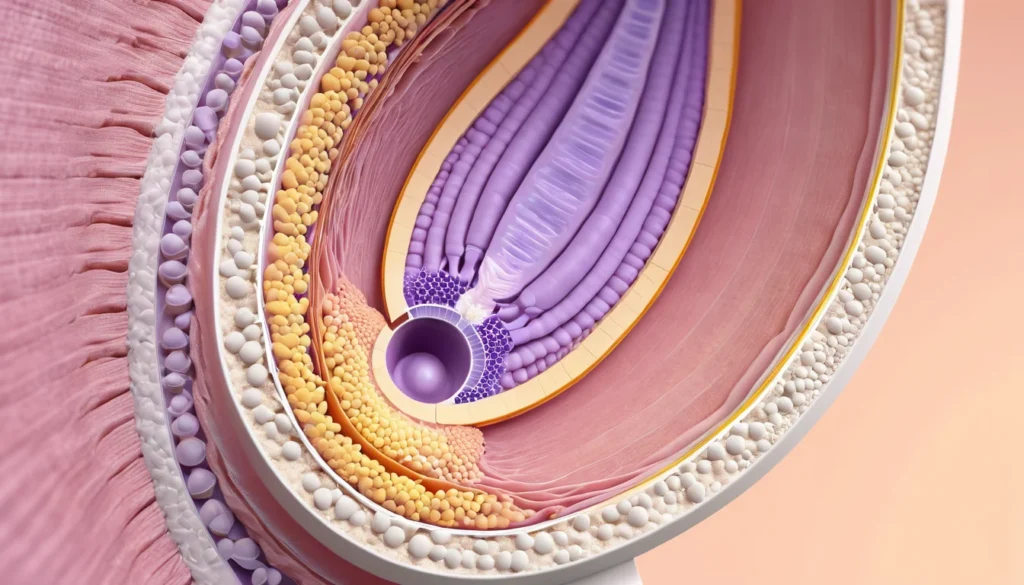
Ovarian dysfunction refers to any condition that affects how the ovaries work. Your ovaries play a vital role in your reproductive health, your hormones, and your overall wellbeing. In this article, we explain the most common types of ovarian dysfunction, what symptoms to watch for, and when to talk to your family doctor or visit a walk-in clinic.
What Are the Ovaries and What Do They Do?
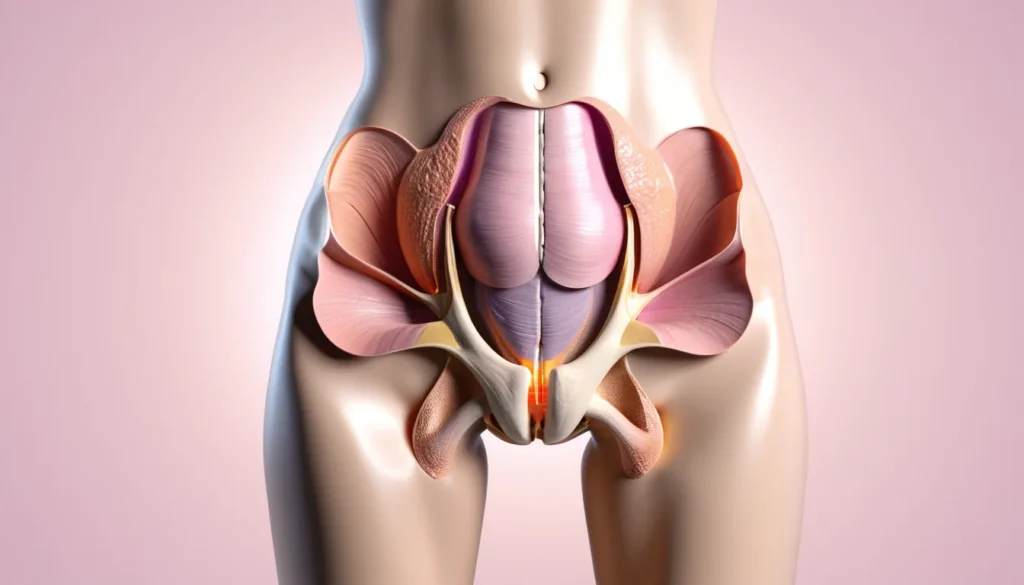
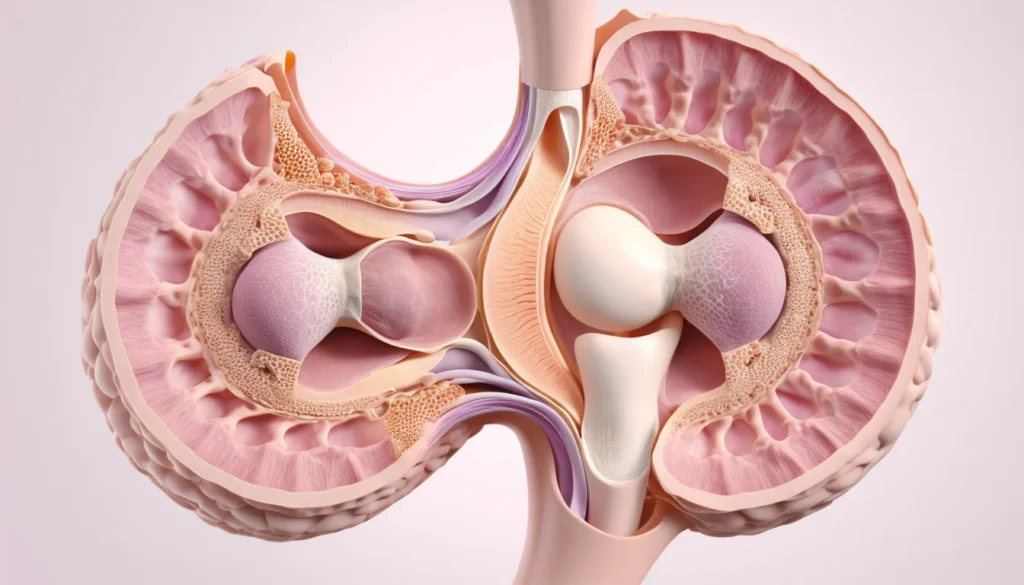
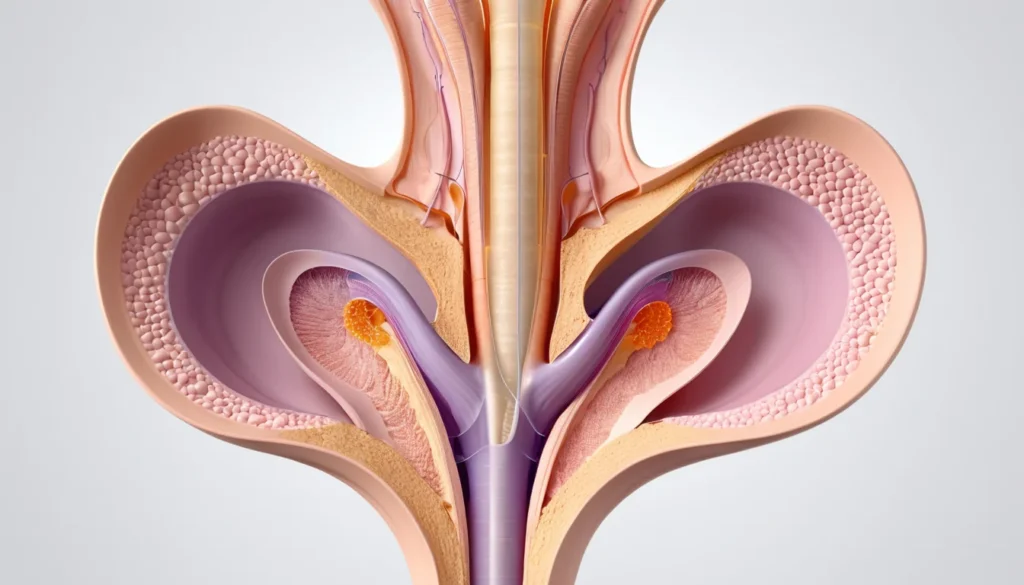
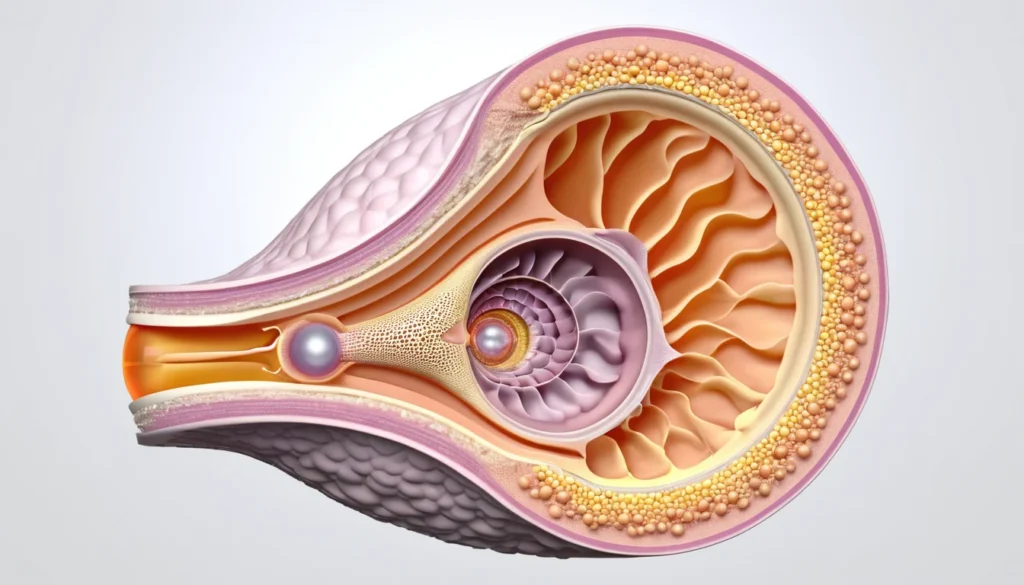
The ovaries are two small, oval-shaped glands located on either side of the uterus. They have two main jobs: producing eggs and releasing hormones.
Each month, one ovary releases an egg during a process called ovulation. This usually happens around day 14 of your menstrual cycle. If the egg is fertilized, a pregnancy may occur. Sometimes, more than one egg is released, which can lead to a multiple pregnancy.
The ovaries also produce estrogen and progesterone. These hormones regulate your menstrual cycle and support reproductive health. This process continues until menopause, which occurs at an average age of 51 in Canada.
Common Types of Ovarian Dysfunction
Several conditions can interfere with how the ovaries function. However, some are more common than others. The most frequently seen types of ovarian dysfunction include premature ovarian insufficiency, polycystic ovary syndrome, and pelvic inflammatory disease.
Premature Ovarian Insufficiency (POI)
Premature ovarian insufficiency (POI) happens when the ovaries stop working normally before age 40. This leads to a drop in estrogen production much earlier than expected. POI is sometimes called premature menopause, though the two are not exactly the same.
Several factors can increase your risk of developing POI. These include:
A family history of POI (mother or sister)
Autoimmune conditions
Viral infections
Certain genetic conditions, such as Turner syndrome or Fragile X syndrome
Previous chemotherapy or radiation therapy
The most common sign of POI is irregular or absent periods. In addition, many people experience symptoms similar to menopause, including:
Hot flashes
Night sweats
Vaginal dryness
Anxiety, depression, or mood changes
Low sex drive
Trouble sleeping
Difficulty with memory or concentration
For more information on POI, visit the Health Canada women’s health resources.
Polycystic Ovary Syndrome (PCOS)
Polycystic ovary syndrome (PCOS) is one of the most common hormonal conditions affecting women of reproductive age. It is characterized by higher-than-normal levels of androgens, which are male hormones. Women naturally have small amounts of androgens, but in PCOS, these levels are elevated.
The ovaries in PCOS often appear enlarged or contain many small fluid-filled sacs called cysts. These cysts are not harmful on their own, but they can affect ovulation.
Risk factors for PCOS include:
A family history of PCOS (mother or sister)
Obesity, particularly abdominal obesity
Insulin resistance
Common signs and symptoms of PCOS are:
Irregular or absent periods
Acne
Difficulty getting pregnant (infertility)
Enlarged ovaries or ovaries with a polycystic appearance
Hirsutism — excess hair growth on the abdomen, back, chest, or face
Weight gain, especially around the belly
Insulin resistance
Although there is currently no cure for PCOS, treatments are available to manage symptoms effectively. The Mayo Clinic’s guide to PCOS provides a helpful overview of treatment options.
Pelvic Inflammatory Disease (PID)
Pelvic inflammatory disease (PID) is an infection that affects the female reproductive organs. It usually starts in the vagina and spreads upward to the uterus, fallopian tubes, and ovaries. In most cases, the bacteria that cause PID are transmitted through sexual contact.
PID symptoms can range from mild to severe. Furthermore, some people have no symptoms at all. As a result, PID is sometimes only discovered after complications like infertility or chronic pelvic pain have already developed.
Symptoms of PID may include:
Pain in the lower abdomen or pelvis
Unusual vaginal discharge, sometimes with an unpleasant odour
Pain during sex
Abnormal vaginal bleeding, including between periods or after sex
Fever and chills
Nausea and vomiting
Irregular periods
Painful or frequent urination
Risk factors for PID include:
Becoming sexually active at a young age
Not using barrier protection (such as condoms)
Having multiple sexual partners
Frequent vaginal douching, which disrupts natural bacterial balance
A previous history of PID or sexually transmitted infections (STIs)
Other Conditions Linked to Ovarian Dysfunction
There are several other conditions that can affect ovarian health. Therefore, it is important to understand the full range of possibilities. These include:
Ovarian cysts — fluid-filled sacs that form on or inside an ovary
Endometriosis — tissue similar to the uterine lining grows outside the uterus
Ovarian tumours — abnormal growths on the ovary, which may be benign or cancerous
Ovarian cancer — one of the most serious forms of ovarian dysfunction
Each of these conditions affects ovarian function differently. However, many share overlapping symptoms, which is why proper medical assessment is essential.
Signs and Symptoms of Ovarian Dysfunction
Symptoms of ovarian dysfunction vary widely from person to person. Some conditions cause obvious symptoms early on, while others develop quietly over time.
Common symptoms to be aware of include:
Vaginal dryness or unusual vaginal discharge
Abnormal vaginal bleeding
Absent or irregular ovulation
Painful periods (dysmenorrhea)
Irregular menstrual cycles
Pelvic pain or pressure
Abdominal bloating or pressure
Nausea, vomiting, or diarrhoea
Headaches
It is important not to dismiss these symptoms. For example, irregular periods are often seen as a minor inconvenience, but they can signal an underlying condition that needs attention.
How Is Ovarian Dysfunction Diagnosed?
Diagnosing ovarian dysfunction involves several steps. Your doctor will begin with a full physical examination, including a pelvic exam. They may then recommend one or more of the following tests:
Ultrasound — to examine the ovaries and surrounding structures
MRI or CT scan — for more detailed imaging
Blood tests — to check hormone levels and other markers
Urine tests
Biopsy — a small tissue sample may be taken in certain cases
Early diagnosis leads to better outcomes in almost every case of ovarian dysfunction. Therefore, do not delay seeking care if you notice concerning symptoms.
Treatment Options for Ovarian Dysfunction
Treatment for ovarian dysfunction depends entirely on the underlying condition. Some situations require only monitoring and regular check-ups. Others may need medication, surgery, or a combination of both.
For example, some ovarian cysts resolve on their own without treatment. In contrast, certain forms of ovarian cancer may require surgical removal of the ovaries, followed by chemotherapy or radiation therapy.
For conditions like PCOS and POI, there is currently no complete cure. However, medication can significantly improve symptoms and quality of life. Hormone therapy, for instance, can help manage hot flashes and vaginal dryness related to POI. Lifestyle changes, such as maintaining a healthy weight and balanced diet, also play an important role in managing PCOS.
Always follow the treatment plan recommended by your healthcare provider. Your plan will be tailored to your specific diagnosis, age, and reproductive goals.
Prevention and Reducing Your Risk
Not all types of ovarian dysfunction can be prevented. However, there are steps you can take to support your ovarian health and reduce risk where possible.
Use barrier protection (condoms) during sex to reduce the risk of STIs and PID
Attend regular pelvic exams and Pap tests as recommended by your provincial health programme
Maintain a healthy body weight through balanced nutrition and regular physical activity
Avoid vaginal douching, as it disrupts natural bacterial balance
Know your family history and share it with your doctor
Seek early treatment for any reproductive infections or irregular periods
Being proactive about your reproductive health is one of the most effective things you can do. The World Health Organization’s guidance on reproductive health offers additional advice on preventive care for women worldwide.
When to See a Doctor
You should speak with your family doctor or visit a walk-in clinic if you notice any of the following:
Periods that are consistently irregular, very painful, or absent
Unusual vaginal discharge or bleeding
Persistent pelvic or abdominal pain
Difficulty getting pregnant after trying for 12 months (or 6 months if you are over 35)
Symptoms of early menopause before age 40
Sudden or severe pelvic pain — seek emergency care immediately
In Canada, your provincial health plan covers most visits to a family doctor or walk-in clinic for these concerns. You do not need to manage these symptoms alone. Getting a proper diagnosis early can make a significant difference in your long-term health.
Remember, this article is for general information only. Always consult a qualified healthcare provider for personal medical advice and diagnosis.
Frequently Asked Questions About Ovarian Dysfunction
What is ovarian dysfunction and how do I know if I have it?
Ovarian dysfunction means your ovaries are not working the way they should. Common signs include irregular or absent periods, pelvic pain, unusual discharge, and trouble getting pregnant. If you are experiencing any of these symptoms, speak with your family doctor or visit a walk-in clinic for an assessment.
Can ovarian dysfunction affect my ability to get pregnant?
Yes, many forms of ovarian dysfunction can affect fertility. Conditions like PCOS and premature ovarian insufficiency interfere with normal ovulation, making it harder to conceive. However, many people with these conditions are able to become pregnant with the right medical support.
What are the most common causes of ovarian dysfunction?
The most common causes of ovarian dysfunction include hormonal imbalances, autoimmune conditions, genetic factors, infections, and lifestyle factors such as obesity or insulin resistance. In some cases, treatments like chemotherapy can also affect ovarian function. Your doctor can help identify the specific cause through blood tests and imaging.
Is polycystic ovary syndrome (PCOS) the same as ovarian dysfunction?
PCOS is one specific type of ovarian dysfunction, but the two terms are not the same. Ovarian dysfunction is a broader term that covers many conditions affecting the ovaries. PCOS involves elevated androgen levels and often affects ovulation, menstrual regularity, and metabolism.
How is ovarian dysfunction treated in Canada?
Treatment for ovarian dysfunction in Canada depends on the specific condition and your individual health needs. Options range from lifestyle changes and medication to surgery in more serious cases. Most assessments and follow-up care are covered under provincial health plans, so speak with your family doctor as a first step.
At what age can ovarian dysfunction occur?
Ovarian dysfunction can occur at any age during a woman’s reproductive years. For example, PCOS often develops in the teen years or early adulthood, while premature ovarian insufficiency can occur before age 40. Regular check-ups with your healthcare provider can help catch problems early.
Key Takeaways
Ovarian dysfunction covers a range of conditions that affect how the ovaries function, including PCOS, POI, PID, ovarian cysts, and ovarian cancer. Common symptoms include irregular periods, pelvic pain, unusual discharge, and difficulty getting pregnant. Early diagnosis through blood tests, ultrasound, and pelvic exams leads to better outcomes. Treatment varies by condition — from lifestyle changes and medication to surgery and hormone therapy.</li