Ovarian cancer is one of the most serious cancers affecting women in Canada. It develops when cells in the ovaries begin to grow and divide in an uncontrolled way. Because the early symptoms are so vague, it is often diagnosed at a late stage — which makes it harder to treat. Understanding the warning signs and risk factors can help you take action sooner.
What Is Ovarian Cancer?
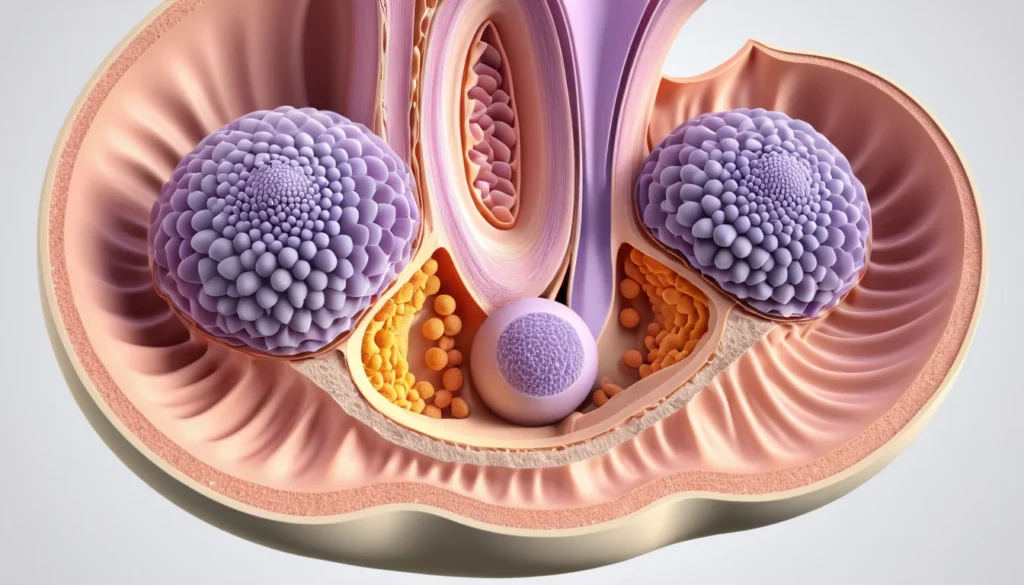
Ovarian cancer begins in the ovaries, the two small organs that produce eggs and hormones in women. The cancer starts when normal ovarian cells change and grow out of control, forming a tumour. More than 90% of malignant ovarian tumours are epithelial, meaning they start in the outer layer of the ovary.
This disease is most common in women over the age of 40. The highest rates are seen in women in their 50s and 60s. According to Health Canada, ovarian cancer remains one of the leading causes of cancer-related death among Canadian women.
Roughly 1 in 70 women will develop ovarian cancer during their lifetime. The five-year survival rate is approximately 45%. However, when it is caught early, survival rates improve significantly.
Ovarian Cancer Symptoms to Watch For
One of the biggest challenges with ovarian cancer is that its symptoms are easy to overlook. Many women experience vague discomfort for months before receiving a diagnosis. In fact, symptoms may be present for 6 to 12 months before the cancer is confirmed.
Common symptoms include:
Bloating or a feeling of fullness
Pelvic or abdominal pain
Changes in bowel habits
Increased gas or flatulence
Feeling tired or unwell without a clear reason
Unexplained weight changes
These symptoms are not unique to ovarian cancer. As a result, they are often mistaken for digestive problems. This is why ovarian cancer is so frequently diagnosed at an advanced stage. If you notice any of these symptoms lasting more than a few weeks, speak with your family doctor or visit a walk-in clinic.
Why Symptoms Are So Easy to Miss
Unlike some cancers, ovarian cancer does not usually cause dramatic or sudden warning signs early on. It grows quietly, and women often adjust to the discomfort without realising something serious may be happening. Furthermore, doctors may initially investigate digestive issues rather than a gynaecological concern.
This does not mean you should wait to seek help. If your gut tells you something is wrong, trust it. Prompt investigation is always the right approach.
Risk Factors for Ovarian Cancer
The exact cause of ovarian cancer is not yet fully understood. However, researchers have identified several factors that may increase a woman’s risk. Having one or more risk factors does not mean you will develop ovarian cancer — but it does mean you should be more alert to symptoms.
Known risk factors include:
Age: Risk increases significantly after age 40
Never having been pregnant: Women who have never carried a pregnancy have a higher risk
Post-menopausal status: Most cases occur after menopause
Family history: A close relative with ovarian or breast cancer may raise your risk
BRCA gene mutations: These inherited gene changes are strongly linked to ovarian cancer
Hormone therapy: Long-term use of certain hormone replacement therapies may increase risk
The role of heredity is still debated among researchers. Some studies suggest ovarian cancer can run in families, while others find a weaker connection. Therefore, sharing your full family history with your doctor is always a good idea.
Protective Factors That May Lower Risk
Interestingly, some factors appear to lower the risk of developing ovarian cancer. These include having had children, using oral contraceptives for several years, and breastfeeding. Talk to your family doctor about your personal risk profile and what steps may be right for you.
How Ovarian Cancer Is Diagnosed
Diagnosing ovarian cancer takes several steps. No single test can confirm it on its own. Your doctor will usually begin with a physical exam, including a pelvic examination. If a mass or unusual growth is felt, further testing will follow.
Common diagnostic tools include:
Ultrasound: An imaging test that shows the size and location of any masses in the pelvis
CT scan or MRI: Provides detailed images to assess how far the cancer may have spread
CA-125 blood test: Measures a protein that is sometimes elevated in women with ovarian cancer
Biopsy: A tissue sample is taken and examined in a lab to confirm the diagnosis
The CA-125 test is not used as a routine screening tool for the general population. However, it can be helpful when other signs and symptoms suggest ovarian cancer. It is important to note that elevated CA-125 levels can also appear in conditions like endometriosis, uterine fibroids, and other cancers. For more information, visit the Mayo Clinic’s ovarian cancer resource.
Staging Ovarian Cancer
Once ovarian cancer is confirmed, doctors will determine its stage. Staging describes how far the cancer has spread. Stage I means it is confined to one or both ovaries. Stage IV means it has spread to distant organs. Earlier stages are associated with much better outcomes. This is why early detection matters so much.
Treatment Options for Ovarian Cancer
Treatment for ovarian cancer depends on the stage of the disease, the woman’s overall health, and her personal wishes — including whether she hopes to have children in the future. A team of specialists, including a gynaecologic oncologist, will guide the treatment plan.
Surgery
Surgery is usually the first and most important step in treating ovarian cancer. In many cases, surgeons remove both ovaries and may also remove the fallopian tubes and uterus. If the cancer is caught early, a less extensive procedure may preserve fertility.
Surgeons also inspect the entire pelvic cavity during the operation. This helps confirm the extent of the cancer and ensures as much of the tumour as possible is removed. All surgical decisions should be discussed openly with your medical team before any procedure takes place.
Chemotherapy
After surgery, most women with ovarian cancer receive chemotherapy. This involves powerful medicines that target and destroy cancer cells. Chemotherapy for ovarian cancer is usually given intravenously, in cycles over several months. According to Healthline’s ovarian cancer overview, combining surgery with chemotherapy offers the best chance of remission for most patients.
Radiation Therapy
Radiation therapy uses high-energy rays to kill cancer cells. It is used less often for ovarian cancer than for some other cancers. However, it may be part of the treatment plan in certain situations, particularly to relieve symptoms or control local spread.
Recurrence and Long-Term Care
Unfortunately, ovarian cancer has a high rate of recurrence. This means the cancer can return after treatment, even when it initially responded well. Regular follow-up appointments are essential. Your oncology team will monitor you with blood tests and imaging to watch for any signs of return.
If the cancer does return, treatment shifts its focus. At that point, the goal is to improve quality of life and extend survival, rather than to cure the disease. Many women live meaningful and fulfilling lives with the support of their medical team and community.
When to See a Doctor
You should speak with your family doctor if you experience bloating, pelvic pain, or digestive changes that persist for more than two to three weeks. These symptoms alone do not mean you have ovarian cancer. However, they deserve proper investigation.
If you do not have a family doctor, a walk-in clinic can be a good first step. Bring a written list of your symptoms, including when they started and how often they occur. This information helps your doctor make the right referral. If you have a family history of ovarian or breast cancer, be sure to mention it — your provincial health plan may cover additional screening or genetic testing.
You should also ask your doctor about your personal risk factors. Together, you can decide whether any preventive steps or additional monitoring make sense for you. Never hesitate to ask questions — being informed is one of the most powerful things you can do for your health.
Living With Ovarian Cancer
A diagnosis of ovarian cancer is life-changing. However, it does not define the outcome. Many factors influence survival, including the stage at diagnosis, overall health, other chronic conditions, and how well the cancer responds to treatment.
Emotional support plays an important role in recovery. Support groups — whether in person or online — connect women who are going through similar experiences. Many Canadian hospitals and cancer centres offer free support programmes for patients and their families. Connecting with others who understand can make a real difference in both emotional and physical well-being.
Survival rates are improving as treatments advance. Research into new therapies, including targeted treatments and immunotherapy, continues to offer hope. Staying engaged with your care team and advocating for yourself are key parts of the journey.
What are the early warning signs of ovarian cancer?
Early signs of ovarian cancer can include persistent bloating, pelvic or abdominal pain, feeling full quickly, and changes in bowel habits. These symptoms are often mild and easy to dismiss, which is why ovarian cancer is frequently detected late. If these symptoms last more than two to three weeks, see your family doctor or visit a walk-in clinic.
Who is most at risk for ovarian cancer in Canada?
Ovarian cancer is most common in women over the age of 40, with the highest rates occurring in women in their 50s and 60s. Women who have never been pregnant, those with a family history of ovarian or breast cancer, and those with BRCA gene mutations face a higher risk. Discussing your personal risk with your family doctor is an important first step.
Is ovarian cancer hereditary?
Ovarian cancer can have a hereditary component, particularly in women who carry mutations in the BRCA1 or BRCA2 genes. Having a close relative with ovarian or breast cancer may increase your risk. However, most women diagnosed with ovarian cancer do not have a known family history of the disease.
What is the CA-125 test and should I ask for one?
The CA-125 test measures a protein in the blood that can be elevated in women with ovarian cancer. It is not recommended as a routine screening test for all women, since elevated levels can also be caused by conditions like endometriosis or uterine fibroids. However, if you have symptoms or risk factors for ovarian cancer, your doctor may recommend it as part of a broader assessment.
Can ovarian cancer be cured?
Ovarian cancer can be treated successfully, especially when caught at an early stage. Surgery combined with chemotherapy offers the best chance of remission. However, ovarian cancer has a high rate of recurrence, meaning it can return after treatment — which is why regular follow-up care is so important.
Does ovarian cancer affect fertility?
Treatment for ovarian cancer often involves removing the ovaries, which ends the ability to conceive naturally. However, in younger women with early-stage ovarian cancer, fertility-sparing surgery may sometimes be an option. It is important to discuss your wishes regarding future pregnancy with your specialist before treatment begins.
Key Takeaways
Ovarian cancer is one of the most serious gynaecological cancers in Canada, with a five-year survival rate of around 45%.
Symptoms are often vague — including bloating, pelvic pain, and digestive changes — which leads to late diagnosis in many cases.
Risk factors include age over 40, never having been pregnant, post-menopausal status, and a family history of ovarian or breast cancer.
Diagnosis involves pelvic exams, ultrasound, blood tests such as CA-125, and biopsy to confirm the cancer.
Treatment usually combines surgery and chemotherapy; the approach is tailored to the individual patient.
Ovarian cancer frequently recurs after treatment, making regular follow-up care essential.
If you have persistent symptoms or risk factors, speak with your family doctor or visit a walk-in clinic — early action can make a significant difference.
This article is for informational purposes only and does not replace professional medical advice. Always consult your doctor for guidance specific to your health situation.