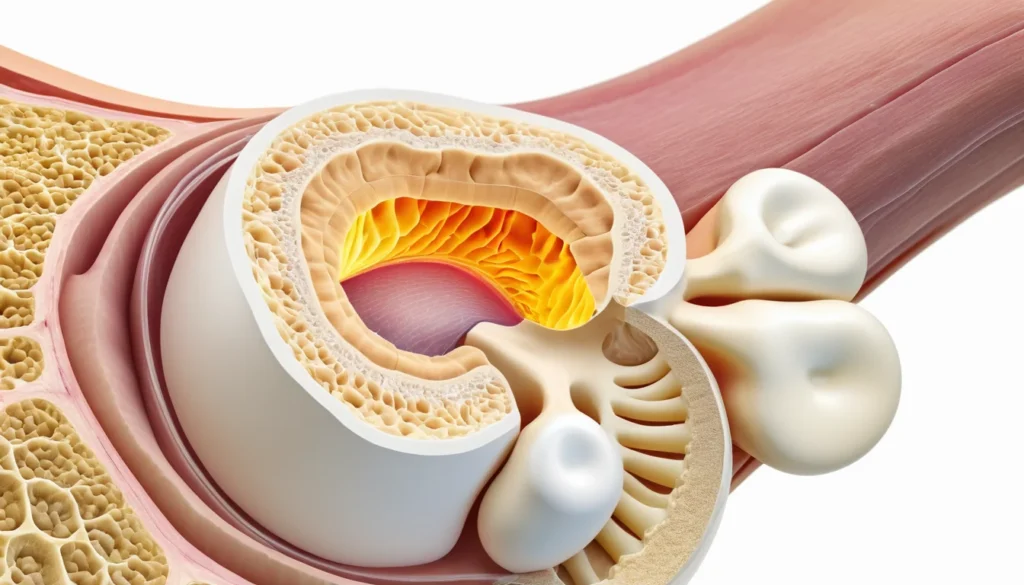
Ototoxic drugs are substances that can damage your hearing or balance system. The word comes from the Greek oto, meaning ear, and the Latin toxicus, meaning poison. These medications or chemicals harm the delicate structures of the inner ear, the nerve pathways, or both. In this article, you will learn what makes a drug ototoxic, which medications carry this risk, what symptoms to watch for, and when to speak with your family doctor or visit a walk-in clinic.
What Does Ototoxic Mean?
A substance is called ototoxic when it causes toxic damage to the ear or to the vestibulocochlear nerve. This nerve carries signals from the inner ear to the brain. It handles both hearing and balance.
The inner ear has two main parts that ototoxic drugs can harm. The cochlea is responsible for hearing. The vestibular system controls your sense of balance and spatial orientation. When either part is damaged, you may notice changes in how well you hear or how steady you feel on your feet.
Ototoxicity can be temporary or permanent. In some cases, stopping the harmful drug allows partial or full recovery. In other cases, the damage is irreversible. For this reason, early recognition is very important.
Common Ototoxic Drugs and Substances
Many medications used to treat serious illnesses carry a known risk of ototoxicity. Doctors prescribe these drugs because their benefits often outweigh the risks. However, patients and caregivers should always be aware of this potential side effect.
Aminoglycoside Antibiotics
This class of antibiotics includes drugs like gentamicin, tobramycin, and streptomycin. They are powerful infection fighters, often used in hospitals for severe bacterial infections. Unfortunately, they are among the most well-known ototoxic drugs in clinical use.
Aminoglycosides can damage the hair cells inside the cochlea. These tiny hair cells convert sound vibrations into electrical signals the brain can understand. Once destroyed, hair cells do not grow back.
Platinum-Based Chemotherapy Drugs
Cisplatin and carboplatin are used to treat cancers such as testicular, ovarian, and lung cancer. Both are strongly associated with hearing loss. Cisplatin, in particular, causes permanent cochlear damage in a significant number of patients.
Children receiving cisplatin are especially vulnerable. Canadian paediatric oncology teams monitor hearing closely during and after treatment. This monitoring often involves regular audiologist assessments throughout the course of care.
Loop Diuretics
Furosemide (Lasix) is a common loop diuretic used to treat fluid retention and high blood pressure. At very high doses, it can cause temporary or, rarely, permanent hearing loss. The risk increases when loop diuretics are combined with aminoglycoside antibiotics.
Salicylates and NSAIDs
High doses of aspirin (acetylsalicylic acid or ASA) can cause ringing in the ears, known as tinnitus, and temporary hearing loss. This effect is usually reversible once the dose is reduced. Non-steroidal anti-inflammatory drugs (NSAIDs) like ibuprofen may also carry a mild risk at high doses.
Quinine and Antimalarial Drugs
Quinine, used to treat malaria and sometimes leg cramps, is a known ototoxic substance. It can cause tinnitus and hearing changes. These effects are usually dose-dependent, meaning higher doses cause more harm.
Environmental and Industrial Chemicals
Ototoxic damage does not come only from medications. Certain chemicals found in workplaces can also harm the ear. These include solvents like toluene and xylene, heavy metals like lead and mercury, and carbon monoxide. Workers in industrial settings should follow safety guidelines to limit their exposure. Health Canada provides guidance on occupational chemical exposure and safety standards.
How Ototoxic Drugs Damage the Ear
To understand ototoxicity, it helps to know a little about how the inner ear works. The cochlea is lined with thousands of tiny hair cells arranged in rows. These cells pick up sound waves and send signals to the brain through the vestibulocochlear nerve.
Ototoxic drugs damage these hair cells in several ways. Some drugs produce harmful molecules called free radicals that destroy cell membranes. Others disrupt blood flow to the inner ear or interfere directly with cellular functions. In the vestibular system, similar damage affects the cells responsible for balance.
The damage often starts at the base of the cochlea, which processes high-frequency sounds. This is why people with drug-induced hearing loss often lose the ability to hear high-pitched sounds first. Over time, the damage may spread to affect lower frequencies as well.
According to the Mayo Clinic’s overview of hearing loss causes and risk factors, drug-induced hearing damage is one of the preventable causes of hearing loss worldwide.
Signs and Symptoms of Ototoxicity
Recognising the early warning signs of ototoxic damage can make a real difference. The sooner you or your doctor identify the problem, the sooner steps can be taken to prevent further harm.
Hearing-Related Symptoms
Tinnitus: A ringing, buzzing, hissing, or roaring sound in one or both ears
Hearing loss: Difficulty understanding speech, especially in noisy environments
A sense of fullness in the ear
Muffled or distorted sounds
Balance-Related Symptoms
Dizziness or vertigo: A spinning sensation even when you are still
Unsteadiness or difficulty walking
Nausea related to movement
Oscillopsia: A visual disturbance where objects appear to bounce or blur when you move your head
These symptoms can appear during treatment or even weeks after stopping the drug. Therefore, it is important to track any changes to your hearing or balance during and after taking high-risk medications.
Who Is Most at Risk?
Ototoxicity can affect anyone taking certain drugs. However, some people face a higher risk than others.
High-Risk Groups
Older adults are more vulnerable because age-related hearing loss (presbycusis) may already be present. Adding an ototoxic drug to existing hearing decline can accelerate the damage significantly.
Children, particularly newborns treated with aminoglycosides in neonatal intensive care units, face serious risk. Their developing auditory systems are especially sensitive to ototoxic substances.
People with existing kidney problems are at greater risk because many ototoxic drugs are cleared through the kidneys. When kidneys work poorly, drug levels in the blood can build up to harmful levels.
People receiving combination therapies that include more than one ototoxic drug face a compounding risk. For example, using a loop diuretic alongside an aminoglycoside antibiotic significantly increases the chance of hearing damage.
In addition, genetic factors may play a role. Some people carry genetic variants that make them more susceptible to aminoglycoside-related hearing loss. Research in this area is ongoing, and genetic screening may become part of future clinical practice.
The World Health Organization’s fact sheet on deafness and hearing loss estimates that over 1.5 billion people worldwide live with some degree of hearing loss, with preventable causes representing a large share of that burden.
Diagnosis and Monitoring
If you are taking a medication known to be ototoxic, your doctor should discuss monitoring with you before and during treatment. This is standard practice in Canadian hospitals and oncology centres.
Monitoring typically involves audiological testing before treatment begins. This gives doctors a baseline measurement of your hearing. Follow-up tests are then done during and after treatment to detect any changes early.
The types of tests used include:
Pure tone audiometry: Tests hearing at various frequencies
High-frequency audiometry: Detects early cochlear damage at frequencies above the normal speech range
Otoacoustic emissions (OAE) testing: Measures the health of cochlear hair cells
Vestibular function tests: Evaluate balance and inner ear function
If monitoring detects early hearing changes, your care team may adjust your dose, switch to a less toxic alternative, or add protective treatments. Early action is key to limiting permanent damage.
Can Ototoxic Damage Be Prevented or Treated?
Prevention is the most effective strategy when it comes to ototoxic drugs. Doctors and pharmacists aim to use the lowest effective dose for the shortest necessary time. When safer alternatives exist, they are usually preferred.
Protective Strategies
Researchers have been studying compounds called otoprotectants. These are agents that may shield the inner ear from damage caused by ototoxic drugs. Sodium thiosulphate, for example, is being studied as a protective agent in children receiving cisplatin chemotherapy.
Antioxidants such as vitamins C and E have also been explored for their potential to reduce free radical damage in the inner ear. However, these approaches are still being studied and are not yet standard care in most Canadian hospitals.
Management After Damage Occurs
Once ototoxic hearing loss has occurred, treatment focuses on managing the impact. Options may include:
Hearing aids: Available through provincial hearing programmes in some Canadian provinces
Cochlear implants: For severe or profound hearing loss when hearing aids are not enough
Vestibular rehabilitation therapy: A specialised physiotherapy programme to help the brain adapt to balance system damage
Tinnitus management programmes: Including sound therapy and counselling
Furthermore, audiologists and speech-language pathologists can provide communication strategies to help people adapt to changes in their hearing.
When to See a Doctor
You should speak with your family doctor as soon as possible if you notice any changes in your hearing or balance while taking a new medication. Do not wait for your next scheduled appointment if symptoms are sudden or severe.
If your family doctor is unavailable, a walk-in clinic can provide an initial assessment and refer you to a specialist if needed. Most provinces also have advice nurse lines, such as Health811 in Ontario, where a registered nurse can help you decide on the urgency of your situation.
Tell your doctor or pharmacist about all the medications and supplements you take. This helps them identify any combinations that could increase your risk of ototoxic damage. Your pharmacist is a valuable resource in the Canadian healthcare system and can catch drug interactions your doctor may not be aware of.
In addition, if you work in an environment with chemical exposure, speak with your employer’s occupational health team. Protecting your hearing on the job is both your right and your employer’s responsibility under provincial occupational health and safety laws.
Always consult a qualified healthcare provider before making any changes to your medications or if you have concerns about side effects. This article is intended for general information only and is not a substitute for professional medical advice.
Frequently Asked Questions About Ototoxic Drugs
What are the most common ototoxic drugs?
The most common ototoxic drugs include aminoglycoside antibiotics (such as gentamicin), platinum-based chemotherapy agents (such as cisplatin), loop diuretics (such as furosemide), and high-dose aspirin. These medications are widely used to treat serious conditions, which is why awareness of their ototoxic potential is so important. If you are prescribed any of these, ask your doctor about hearing monitoring.
Can ototoxic hearing loss be reversed?
Whether ototoxic hearing loss can be reversed depends on the drug, the dose, and how quickly it is identified. Some drugs, like high-dose aspirin, cause temporary hearing changes that improve once the medication is stopped. However, ototoxic drugs like cisplatin and aminoglycosides often cause permanent damage to the cochlear hair cells, which do not regenerate.
How do I know if my medication is causing hearing loss?
Common warning signs that an ototoxic drug may be affecting your hearing include ringing in the ears (tinnitus), difficulty understanding speech, a feeling of fullness in the ears, or dizziness. These symptoms can appear during treatment or even after finishing the medication. Contact your family doctor or visit a walk-in clinic right away if you notice these changes.
Are ototoxic drugs safe to take?
Ototoxic drugs can be safe when used appropriately under medical supervision, and their benefits often outweigh the risks. For example, chemotherapy drugs that carry ototoxic risk may be life-saving for cancer patients. The key is careful monitoring, using the lowest effective dose, and being alert to early symptoms so that action can be taken quickly if needed.
Can children be affected by ototoxic drugs?
Yes, children are particularly vulnerable to ototoxic drugs, especially newborns treated with aminoglycoside antibiotics in intensive care and children receiving cisplatin for cancer. Hearing loss in early childhood can significantly affect speech and language development. Canadian paediatric care teams routinely monitor hearing in children receiving high-risk treatments.
Does aspirin cause ototoxic damage?
Aspirin can cause