Osteoporosis is a condition where bones gradually lose their strength and become more fragile. It is one of the most common bone diseases in Canada, affecting millions of people — especially women after menopause. In this article, you will learn what causes osteoporosis, what symptoms to watch for, and how it is diagnosed and treated. You will also find practical tips to help protect your bones at every stage of life.
What Is Osteoporosis?
Your bones are living tissue. They are constantly being broken down and rebuilt by two types of cells: osteoblasts, which build new bone, and osteoclasts, which break down old bone. In healthy bones, these two processes stay in balance.
With osteoporosis, this balance is disrupted. The breakdown of bone happens faster than the rebuilding. As a result, bones become less dense and more likely to fracture — even from a minor fall or bump.
It is important to understand that some bone loss is normal as we age. Doctors call this physiological osteopenia. However, osteoporosis goes beyond normal aging. It is an exaggerated loss of bone structure that significantly increases fracture risk.
According to Health Canada, osteoporosis affects approximately 2 million Canadians. Many people do not know they have it until a bone breaks.
Common Causes of Osteoporosis
Osteoporosis does not have one single cause. In fact, several different factors can lead to bone loss. Understanding the cause is important because it shapes how the condition is treated.
Postmenopausal Osteoporosis
This is the most common form of osteoporosis. At menopause, estrogen levels drop sharply. Estrogen is a hormone that helps protect bone tissue. When estrogen falls, bone loss speeds up considerably.
At the same time, levels of cortisol — a hormone that increases bone breakdown — remain unchanged. This imbalance makes postmenopausal women especially vulnerable to bone loss.
Age-Related Bone Loss
Osteoporosis related to aging is most common in women over 60, and its frequency increases with age. Several lifestyle factors make it worse. These include physical inactivity, lack of sunlight exposure, and a diet low in calcium and protein.
Sunlight matters because your skin uses it to produce vitamin D. Vitamin D helps your body absorb calcium from food. Without enough vitamin D, your bones cannot stay strong, no matter how much calcium you eat.
Hormonal and Medication-Related Causes
Sometimes osteoporosis is caused by hormonal imbalances or certain medications. For example, too much thyroid hormone — whether from an overactive thyroid or a poorly managed underactive thyroid — can accelerate bone loss.
An overactive parathyroid gland, sometimes caused by a benign growth called an adenoma, can also weaken bones. Furthermore, long-term use of corticosteroid medications is a well-known cause of osteoporosis at any age.
Cushing’s disease, a condition where the body produces too much cortisol, is another hormonal cause. These forms of osteoporosis can develop in younger adults as well as older ones.
Recognising the Symptoms of Osteoporosis
Osteoporosis is often called a “silent disease.” It rarely causes pain or obvious symptoms in the early stages. Most people only discover they have it after a fracture occurs.
Fractures as the Main Warning Sign
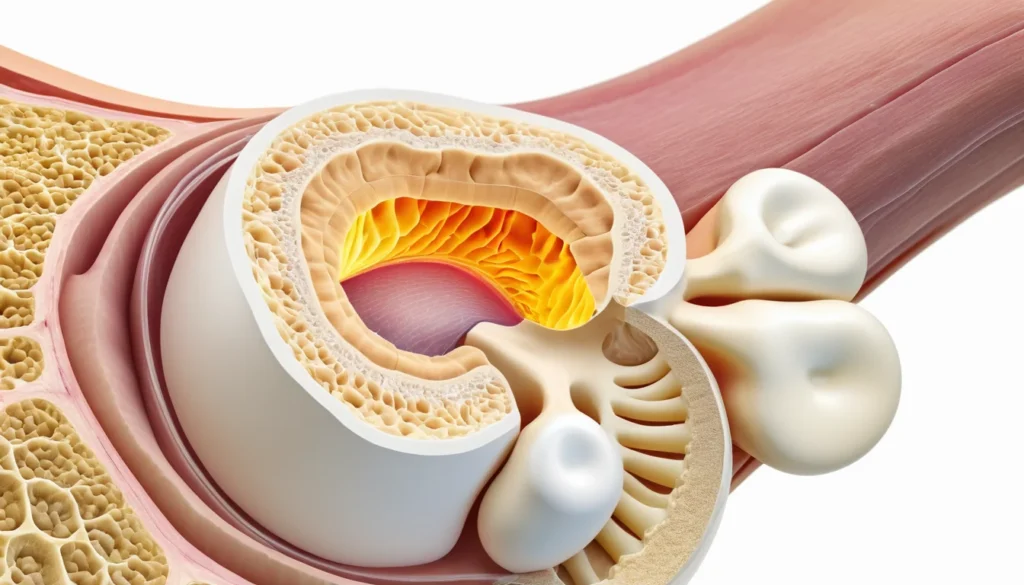
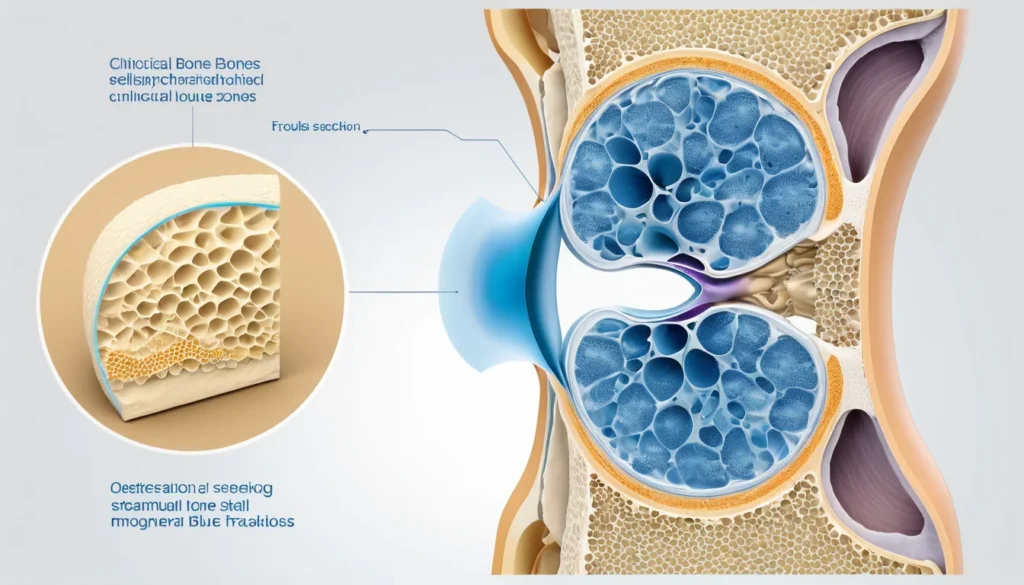
Fractures are the primary sign of osteoporosis. The location of fractures depends on which type of bone is most affected — compact bone (the hard outer layer) or spongy bone (the inner mesh-like structure).
Common fracture sites include the spine (vertebrae), the hip, and the wrist. Spinal fractures, also called vertebral compression fractures, are particularly important to recognise early.
Loss of Height and Posture Changes
One sign that osteoporosis may be affecting the spine is a gradual loss of height. Each spinal compression fracture can cause a loss of one to two centimetres in height.
In cases of multiple spinal fractures, total height loss can reach 15 to 20 centimetres. This can also cause a stooped or hunched posture, sometimes called a “dowager’s hump.” If you or a loved one notices these changes, speak with a family doctor or visit a walk-in clinic.
How Is Osteoporosis Diagnosed?
Osteoporosis is often first suspected when an X-ray taken for another reason shows unusually thin or transparent-looking bones. A spinal compression fracture seen on X-ray can also be an early clue.
Bone Density Testing
The most reliable way to diagnose osteoporosis is a bone mineral density (BMD) test. This is a painless, low-radiation scan, often called a DEXA scan (dual-energy X-ray absorptiometry). It measures how dense your bones are and gives a score called a T-score.
In Canada, your family doctor can refer you for a DEXA scan. Provincial health plans generally cover this test for people at higher risk, such as postmenopausal women, adults over 65, or those on long-term corticosteroids. Check with your provincial health authority for coverage details in your province.
Tracking Bone Loss Over Time
Doctors can also monitor bone loss by measuring a patient’s height regularly over time. A consistent loss of height — even just a centimetre or two — can signal that spinal compression fractures are occurring.
In some cases, a bone biopsy may be recommended to confirm a diagnosis or assess severity. However, this is less common now that non-invasive imaging is widely available.
For more information on bone health testing, visit the Mayo Clinic’s guide to osteoporosis diagnosis and treatment.
Treatment Options for Osteoporosis
There is no single treatment that works for every person with osteoporosis. Treatment depends on the cause, the severity, and your overall health. The goal is always to slow bone loss, reduce fracture risk, and manage pain.
Hormone-Based Treatments
For postmenopausal osteoporosis, natural estrogen therapy has traditionally been used to slow bone loss. However, hormone therapy carries its own risks and is not suitable for everyone. Your doctor will weigh the benefits and risks carefully before recommending it.
For osteoporosis caused by hormonal conditions — such as thyroid disease or parathyroid problems — treating the underlying hormonal issue is the primary approach. Once hormone levels are corrected, bone loss often stabilises.
Calcium, Vitamin D, and Other Medications
Oral calcium and vitamin D supplements are widely recommended as part of osteoporosis management. They help provide the raw materials your bones need to stay strong. However, it is important not to take too much calcium, as high doses can cause high blood calcium levels (hypercalcaemia) and may increase the risk of kidney stones.
Calcitonin injections — a hormone that slows bone breakdown — are another option. However, their effectiveness can be limited over time because the body may develop antibodies to the medication.
Fluoride has also been studied as a treatment, but research suggests it may actually make bone more brittle in some cases. Therefore, it is rarely used today. Bisphosphonate medications (such as alendronate) are now among the most commonly prescribed drugs for osteoporosis in Canada.
The Importance of a Balanced Approach
No single medication works perfectly for everyone. Some treatments have side effects that need to be monitored. Furthermore, medication alone is not enough — lifestyle changes are an essential part of any osteoporosis treatment plan.
Preventing Osteoporosis: What You Can Do Today
Prevention is one of the most powerful tools we have against osteoporosis. The good news is that many risk factors are within your control. Small changes to your daily habits can make a big difference to your long-term bone health.
Exercise and Physical Activity
Physical inactivity is a major risk factor for bone loss. Weight-bearing exercise — such as walking, jogging, dancing, or hiking — encourages your body to build and maintain bone density. Regular moderate exercise is one of the best things you can do for your bones.
However, too much intense exercise can actually be harmful. Extreme endurance training or very low body weight (as seen in some athletes) can disrupt hormone levels and accelerate bone loss. Balance is key.
Diet and Nutrition
A diet rich in calcium and protein supports strong bones throughout life. Good sources of calcium include milk, yogurt, cheese, and fortified plant-based beverages. Protein from meat, fish, eggs, and legumes also helps maintain bone structure.
Limiting alcohol consumption and quitting smoking are also strongly recommended. Both alcohol and tobacco interfere with the body’s ability to absorb calcium and produce bone-building hormones.
Sunlight and Vitamin D
Getting regular, moderate sun exposure helps your skin produce vitamin D naturally. In Canada, this can be challenging in the winter months — especially in northern regions. During the winter, a vitamin D supplement is often recommended. Talk to your family doctor about the right dose for you.
Pregnancy and Breastfeeding
Research suggests that pregnancy and breastfeeding may have a beneficial effect on bone capital over a woman’s lifetime. This is thought to be related to hormonal changes that support bone formation during and after pregnancy.
For a broader look at bone health across the lifespan, the World Health Organization’s fact sheet on osteoporosis offers helpful global context.
When to See a Doctor
You should speak with your family doctor about osteoporosis if you are a woman approaching or past menopause, if you are over 50 and have had a fracture from a minor fall, or if you have been on corticosteroid medications for more than three months.
If you do not have a family doctor, a walk-in clinic can help with initial screening and referrals. Ask about a bone density test (DEXA scan) and whether it is covered under your provincial health plan.
Do not wait for a fracture to start the conversation. Early detection and treatment can significantly reduce your risk of serious injury. Always consult a healthcare professional before starting any new supplement or medication for bone health.
Frequently Asked Questions About Osteoporosis
What are the first signs of osteoporosis?
Osteoporosis is often called a silent disease because it usually has no symptoms in the early stages. The first noticeable signs are often a fracture from a minor fall, a gradual loss of height, or a stooped posture caused by spinal compression fractures. If you notice any of these changes, speak with your family doctor about getting a bone density test.
Can osteoporosis be reversed?
Osteoporosis cannot be fully reversed, but it can be managed effectively. With the right combination of medication, calcium and vitamin D supplementation, and regular weight-bearing exercise, many people with osteoporosis can slow bone loss and significantly reduce their fracture risk. Starting treatment early gives the best results.
Who is most at risk for osteoporosis in Canada?
Women over 50 — particularly those who have gone through menopause — are at the highest risk of osteoporosis in Canada. Other risk factors include a family history of osteoporosis, low body weight, smoking, heavy alcohol use, and long-term use of corticosteroid medications. Men over 65 are also at increased risk.
How much calcium do I need to prevent osteoporosis?
Most Canadian adults need about 1,000 mg of calcium per day, increasing to 1,200 mg for women over 50 and men over 70. It is best to get calcium from food sources like dairy products, leafy greens, and fortified beverages rather than relying solely on supplements. Talk to your doctor about whether a calcium supplement is right for you.
Is a bone density test covered by provincial health plans in Canada?
In most Canadian provinces, a bone density test (DEXA scan) is covered by the provincial health plan for people who meet certain criteria — such as postmenopausal women, adults over 65, or those taking long-term corticosteroids. Coverage rules vary by province, so ask your family doctor or walk-in clinic about eligibility in your area.
What is the difference between osteoporosis and osteopenia?
Osteopenia is a natural, moderate loss of bone density that comes with aging — it is less severe than osteoporosis. Osteoporosis is a more serious condition where bone loss is significant enough to make fractures much more likely. Think of osteopenia as a warning sign: with the right lifestyle changes, you may be able to slow or prevent its progression to full osteoporosis.
Key Takeaways
Osteoporosis is a condition where bones lose density and become fragile, increasing fracture risk.
The most common cause is postmenopausal bone loss, driven by falling estrogen levels.
Other causes include aging, hormonal disorders, and long-term use of certain medications.
Osteoporosis is often symptom-free until a fracture occurs — early screening is important.
A DEXA scan (bone density test) is the best way to diagnose osteoporosis; ask your family doctor for a referral.
Treatment includes calcium and vitamin D, hormone therapy, and prescription medications where appropriate.
Prevention involves regular weight-bearing exercise, a calcium-rich diet, limiting alcohol, quitting smoking, and getting enough vitamin D.
Always speak with a healthcare professional before making changes to your treatment or supplement routine.