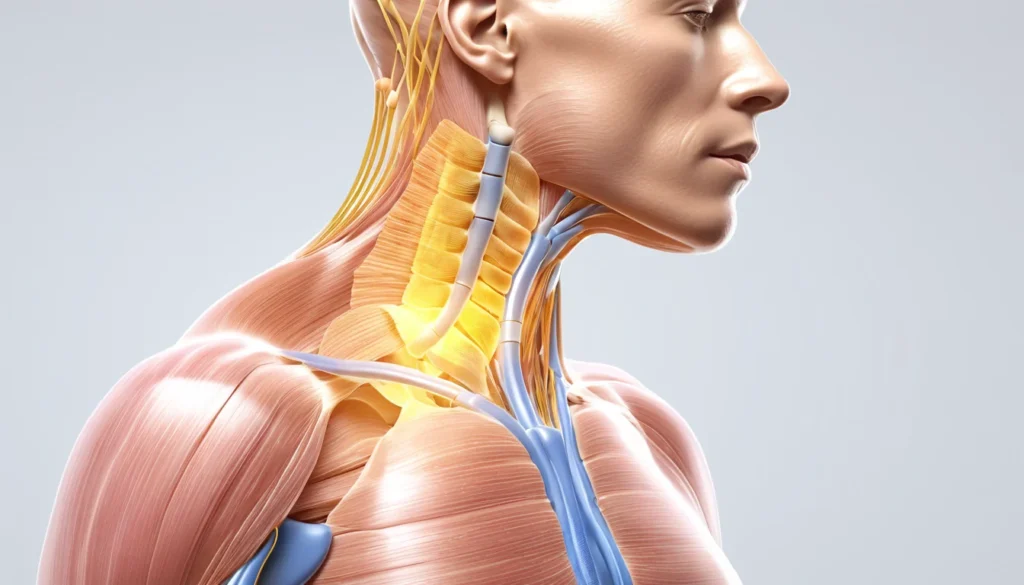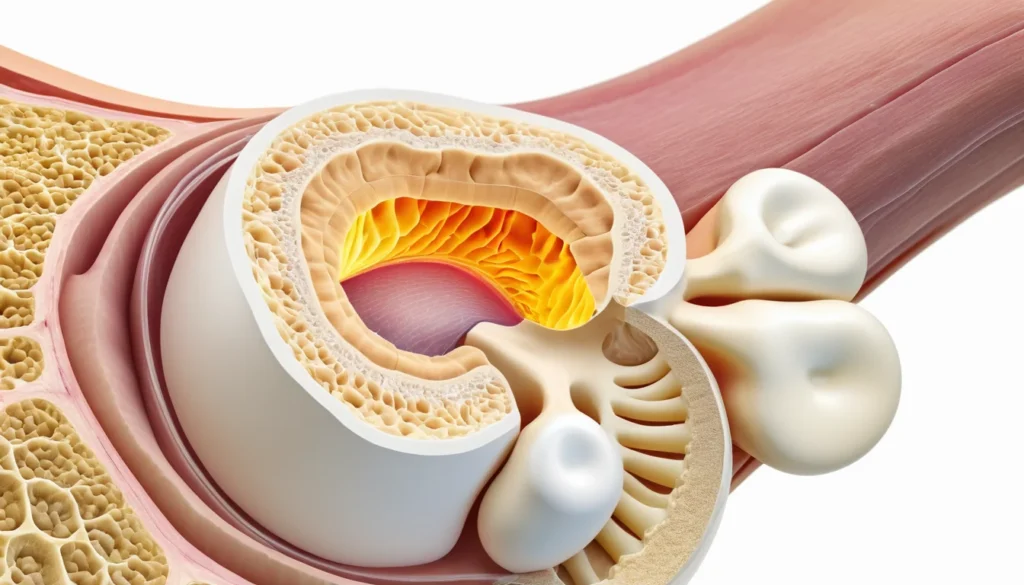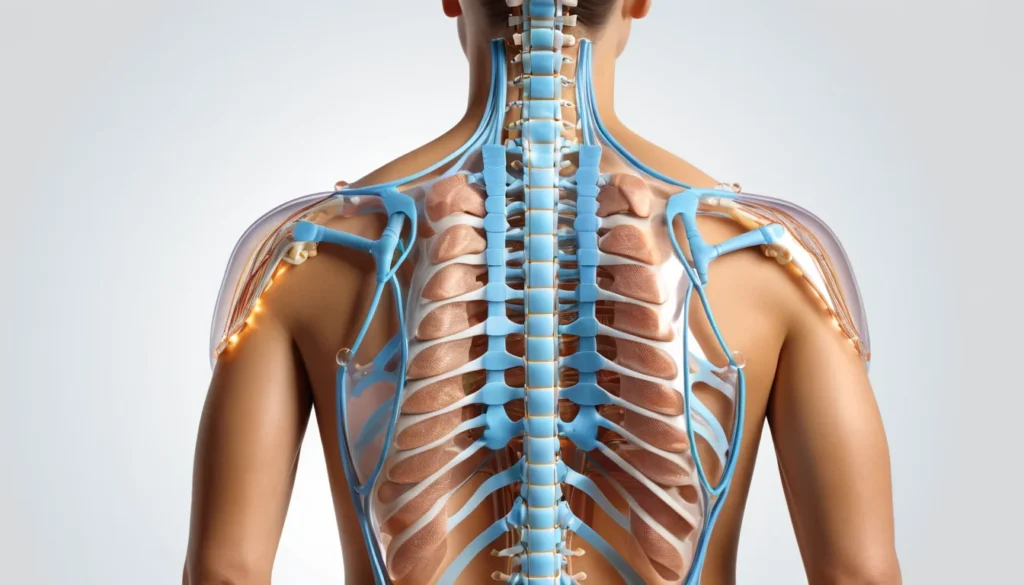
Osteopathy is a hands-on approach to health care that focuses on the body’s muscles, joints, bones, and connective tissues. Osteopathic practitioners believe that when your body moves and functions well, your overall health improves too. In Canada, osteopathy is a growing field, and many Canadians are turning to it for help with pain, stiffness, and a range of other physical complaints. This article explains what osteopathy is, how it works, and what you can expect from a treatment session.
What Is Osteopathy?
Osteopathy is a type of manual therapy — meaning it uses the hands to assess and treat the body. The core idea behind osteopathy is that the body’s structure and function are closely linked. When one part of the body is out of balance, it can affect other parts too.
For example, a problem in your lower back might influence how your hips or knees feel over time. Osteopathic practitioners look at the whole body rather than just the area where you feel pain. This whole-body approach is one of the things that sets osteopathy apart from some other therapies.
Osteopathy also has a second, older meaning. In medical terminology, the word can refer to any disease of the bone. However, in everyday Canadian health care, most people use the word to describe the hands-on therapy described in this article.
How Does Osteopathy Work?
Osteopathic treatment works by using gentle, targeted techniques to improve movement and reduce tension in the body’s tissues. Practitioners use their hands to feel for areas of restriction, imbalance, or tightness. They then apply specific techniques to help restore normal movement.
These techniques include stretching, gentle pressure, and controlled manipulation of the spine or joints. Some techniques produce a soft clicking or popping sound. This is normal and is usually not painful. In fact, most people find osteopathic treatments quite comfortable.
The Musculoskeletal System and Beyond
Osteopathy focuses mainly on the musculoskeletal system — your skeleton, joints, muscles, tendons, and nerves. However, osteopathic practitioners also believe that the musculoskeletal system is connected to your internal organs and overall health.
For instance, tension in the muscles around the spine may affect nerve signals that travel to organs like the stomach or lungs. By releasing that tension, an osteopath aims to support better function throughout the body. This broader view of health is a key part of osteopathic philosophy.
Common Osteopathic Techniques
There are several techniques that osteopathic practitioners use regularly. Here are some of the most common ones:
Soft tissue massage: Gentle pressure applied to muscles and soft tissues to reduce tension and improve circulation.
Joint mobilisation: Slow, controlled movements that help restore the normal range of motion in a joint.
High-velocity, low-amplitude (HVLA) thrust: A quick, precise movement applied to a joint. This is the technique most likely to produce a popping sound.
Muscle energy technique: The patient gently contracts a muscle against resistance from the practitioner, helping to improve flexibility and alignment.
Cranial osteopathy: Very gentle pressure applied to the skull and spine. This is more subtle and is sometimes used for headaches or stress-related conditions.
Visceral manipulation: Light pressure applied to the abdomen to support the function of internal organs.
Not every technique is right for every patient. A good osteopathic practitioner will tailor the treatment to your specific needs and health history.
What Conditions Can Osteopathy Help With?
Osteopathy is most often used to manage pain and movement problems. Many Canadians seek osteopathic treatment for musculoskeletal issues that affect their daily lives. However, some practitioners also work with patients on conditions that go beyond muscle and joint pain.
According to Healthline’s overview of osteopathic manipulative treatment, common reasons people seek osteopathy include back and neck pain, headaches, sports injuries, and joint problems. Research also suggests it may help with some digestive issues and stress-related conditions, though more evidence is still needed in those areas.
Musculoskeletal Conditions
Osteopathy is widely recognised as helpful for the following musculoskeletal conditions:
Lower back pain
Neck pain and stiffness
Shoulder pain, including frozen shoulder
Hip and knee pain
Sciatica
Sports injuries and muscle strains
Postural problems caused by desk work or prolonged sitting
Arthritis-related discomfort
Repetitive strain injuries
Other Conditions Sometimes Addressed
Some osteopathic practitioners also work with patients experiencing:
Tension headaches and migraines
Digestive discomfort
Fatigue and sleep difficulties
Stress and anxiety-related muscle tension
Recovery after surgery or injury
It is important to understand that osteopathy is not a cure for these conditions. Furthermore, for serious or chronic health problems, it works best alongside other medical treatments — not as a replacement.
Osteopathy in Canada: What You Should Know
In Canada, the regulation of osteopathy varies by province. This is an important point that many Canadians are not aware of. In some provinces, osteopathy is a regulated health profession with clear standards and licensing requirements. In others, it is not yet regulated in the same way.
As a result, it is important to research the rules in your specific province before choosing a practitioner. Look for someone who has completed a recognised osteopathic training programme and is a member of a professional osteopathic association.
Osteopathic Physicians vs. Manual Osteopaths
In Canada, there are two main types of practitioners who use the word “osteopath.” The first is an osteopathic physician — a fully licensed medical doctor who has also trained in osteopathic principles. The second is a manual osteopath, sometimes called a practitioner of osteopathic manual therapy, who focuses specifically on the hands-on treatment techniques.
Osteopathic physicians in Canada graduate from accredited medical schools and can prescribe medication, order tests, and diagnose conditions just like any other doctor. Manual osteopaths, however, focus exclusively on hands-on treatment. Their training and scope of practice differ significantly from those of osteopathic physicians.
Does Provincial Health Insurance Cover Osteopathy?
In most provinces, osteopathic treatment by a manual osteopath is not covered under provincial health plans. However, many extended health benefit plans — the kind offered through employers — do include coverage for osteopathy. It is worth checking your benefits plan or calling your insurance provider to find out what is covered.
Some Canadians also use their health spending accounts (HSAs) to pay for osteopathic sessions. If you are unsure about coverage, your employer’s human resources department or your insurance broker can help you find out more.
What to Expect During an Osteopathy Session
If you are visiting an osteopath for the first time, it helps to know what the appointment will look like. Most first sessions last between 45 and 60 minutes. Follow-up visits are often shorter, around 30 to 45 minutes.
Your osteopath will begin by asking about your health history, current symptoms, and any medications or conditions you have. This information helps them understand your body and choose the safest, most effective techniques for you.
The Physical Assessment
After the initial conversation, your osteopath will perform a physical assessment. They will ask you to stand, sit, and move in various ways so they can observe your posture and range of motion. They will also use their hands to feel for areas of tension, restriction, or imbalance in your body.
You will typically remain clothed during the assessment, though you may be asked to remove outer layers like jackets or bulky sweaters. Wearing comfortable, loose-fitting clothing makes this easier.
The Treatment Itself
Once the assessment is done, your osteopath will begin treatment. The techniques they use will depend entirely on what they found during the assessment and what your body needs. Most techniques feel like gentle pressure or slow stretching.
Some manipulations produce a soft popping sound, as mentioned earlier. This is caused by a small shift of gas within the joint and is not harmful. After treatment, some people feel immediate relief, while others notice gradual improvement over the following days. A mild feeling of soreness in the treated area is also normal for 24 to 48 hours after a session.
For more detailed information on what manual therapy involves, visit Mayo Clinic’s overview of manual adjustment therapies.
Is Osteopathy Safe?
For most people, osteopathy is a safe and well-tolerated therapy. Serious complications are rare. However, like any physical therapy, it does carry some risks — particularly if you have certain health conditions.
Osteopathy may not be appropriate for people with:
Osteoporosis (brittle bones)
Blood clotting disorders
Active cancer in the bones
Recent fractures or surgery
Severe inflammatory conditions like ankylosing spondylitis during a flare
Certain circulatory conditions affecting the neck and head
Always tell your osteopath about your full medical history before your first session. This helps them make safe, informed decisions about your care. According to the World Health Organization’s benchmarks for osteopathy training, proper assessment and patient history are essential parts of responsible osteopathic practice.
When to See a Doctor
Osteopathy can be a helpful part of your health care, but it is not a substitute for medical advice. If you are experiencing new or unexplained pain, it is always a good idea to speak with your family doctor first. They can rule out serious causes and help you decide whether osteopathy is appropriate for you.
You can also visit a walk-in clinic if you do not have a family doctor or cannot get an appointment quickly. Walk-in clinics are widely available across Canada and can provide an initial assessment to guide your next steps.
Seek urgent medical attention if your pain is accompanied by:
Numbness or weakness in your arms or legs
Loss of bladder or bowel control
Severe or sudden-onset headache
Unexplained weight loss
Fever along with back or neck pain
These symptoms may indicate a more serious condition that needs prompt medical evaluation. Do not delay seeing a doctor if you notice any of these warning signs.
Frequently Asked Questions About Osteopathy
Is osteopathy covered by OHIP or other provincial health plans in Canada?
In most provinces, osteopathy provided by a manual osteopath is not covered under provincial health plans like OHIP. However, many employer-sponsored extended health benefit plans do include coverage for osteopathy, so it is worth checking your plan. Some people also use health spending accounts to cover the cost of sessions.
What is the difference between osteopathy and chiropractic care?
Both osteopathy and chiropractic care use hands-on techniques to treat musculoskeletal problems, but they differ in their overall approach. Chiropractors focus primarily on the spine and nervous system, while osteopathic practitioners take a whole-body view, considering how muscles, organs, and connective tissues all interact. The specific techniques used also differ between the two disciplines.
How many osteopathy sessions will I need?
The number of sessions depends on your condition, how long you have had it, and how your body responds to treatment. Some people notice improvement after just one or two osteopathy sessions, while others with chronic conditions may benefit from ongoing treatment over several weeks or months. Your practitioner will discuss a realistic treatment plan with you after your first visit.
Is osteopathy painful?
Osteopathy is generally not painful. Most techniques involve gentle pressure, slow stretching, or controlled joint movements that feel comfortable during the session. You may experience mild soreness in the treated area for one to two days afterward, which is a normal part of the healing response.
Can osteopathy help with lower back pain?
Yes, osteopathy is one of the most commonly used manual therapies for lower back pain, and there is a growing body of evidence supporting its effectiveness for this condition. Osteopathic treatment can help reduce pain, improve mobility, and address the underlying movement restrictions that may be contributing to your discomfort. However, it is always a good idea to consult your family doctor before starting any new treatment for back pain.
Who should not use osteopathy?
Osteopathy may not be safe for people with osteoporosis, active bone cancer, blood clotting disorders, or recent fractures and surgeries. It is also important to avoid certain spinal manipulation techniques during inflammatory disease flare-ups. Always share your complete medical history with your osteopath before your first session so they can choose the safest approach for you.
Key Takeaways
Osteopathy is a hands-on therapy that focuses on the muscles, joints, bones, and connective tissues of the body. It is based on the belief that the body’s structure and function are deeply connected, and that improving movement supports overall health. Common techniques include soft tissue massage, joint mobilisation, and gentle spinal manipulation.