Osteoarthritis natural remedies are helping millions of Canadians take control of chronic joint pain without relying solely on prescription medications. Living with stiff, aching joints can turn everyday tasks like climbing stairs or opening a jar into painful challenges — but a growing body of research suggests that nature may offer real relief.
How Osteoarthritis Natural Remedies Can Support Your Joint Health
From turmeric and capsaicin cream to glucosamine supplements and lifestyle changes, natural treatment for osteoarthritis in Canada is gaining serious attention from both patients and healthcare providers. These approaches may help reduce inflammation, ease pain, and improve joint flexibility — especially when used alongside guidance from your family doctor. In this guide, we break down the evidence behind the most popular natural remedies so you can make informed choices about your joint health.
What Is Osteoarthritis?
Osteoarthritis Natural Remedies: Comparison of Evidence-Based Options
| Natural Remedy | Potential Benefits | Evidence Level | Key Considerations |
|---|---|---|---|
| Omega-3 Fatty Acids (Fish Oil) | Reduces joint inflammation, may decrease stiffness and pain intensity | Moderate – supported by multiple clinical trials | Doses of 1,000–3,000 mg/day common; may interact with blood thinners; choose Health Canada–approved supplements |
| Glucosamine & Chondroitin | May slow cartilage breakdown and reduce mild-to-moderate knee pain | Moderate – mixed results; strongest evidence for knee OA | Allow 8–12 weeks to assess effectiveness; derived from shellfish (allergy risk); available OTC across Canada |
| Turmeric (Curcumin) | Anti-inflammatory properties may reduce pain comparable to low-dose NSAIDs | Moderate – promising but more large-scale trials needed | Poor bioavailability alone; combine with black pepper (piperine); consult physician if on anticoagulants |
| Low-Impact Exercise (Aquatic/Yoga) | Improves joint mobility, reduces pain, strengthens supporting muscles | Strong – recommended by the Arthritis Society Canada | Accessible through community centres and physio programs; consult a physiotherapist for a tailored plan |
| Acupuncture | May provide short-term pain relief and improved function in hip and knee OA | Moderate – acknowledged in some Canadian clinical guidelines | Covered by some provincial extended health plans; seek a regulated acupuncturist (R.Ac) in your province |
| Heat and Cold Therapy | Heat relaxes muscles and eases stiffness; cold reduces acute inflammation and swelling | Low-to-Moderate – widely endorsed for symptom management | Apply for 15–20 minutes; protect skin with a cloth barrier; low cost and readily available across Canada |
Osteoarthritis is the most common form of arthritis in Canada. It is sometimes called “wear-and-tear arthritis” because it develops as the cartilage in your joints breaks down over time.
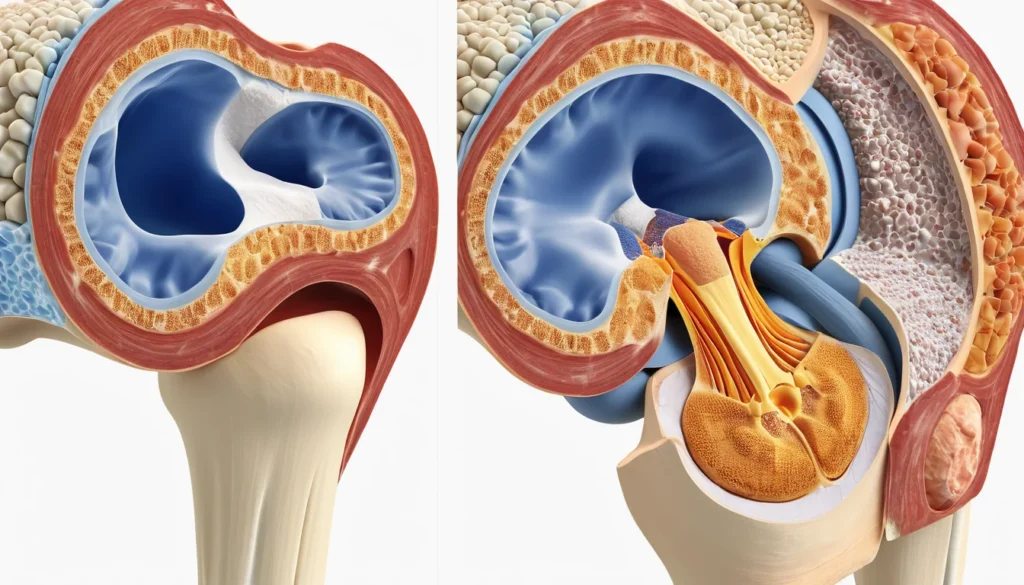
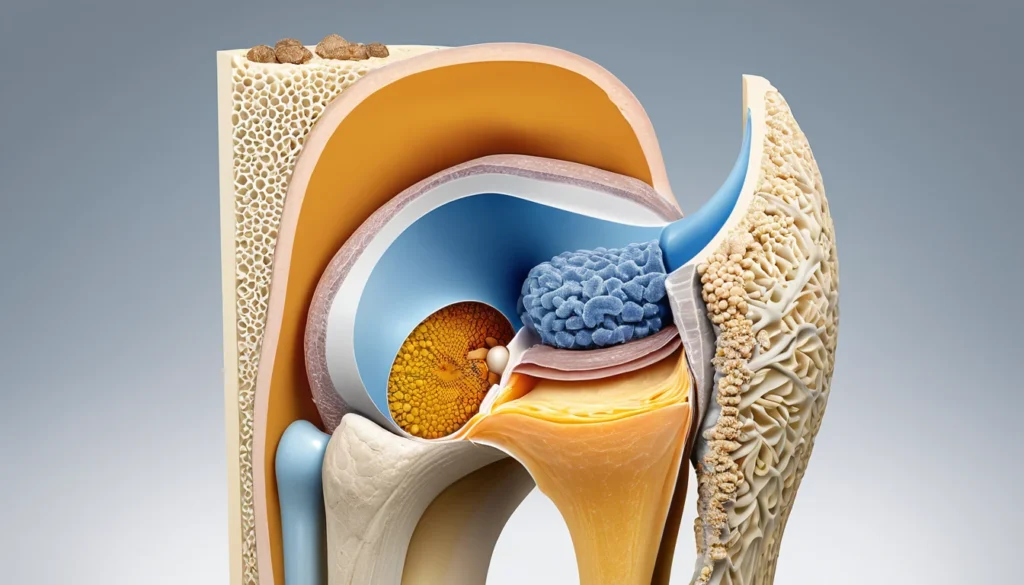
Cartilage is the smooth tissue that covers the ends of your bones. It acts like a cushion, allowing your joints to move freely and without pain. When cartilage wears away, bones begin to rub against each other. This causes pain, stiffness, and reduced range of motion.
In advanced cases, cartilage can disappear almost completely. This leads to serious disability and a significant loss of quality of life. According to the World Health Organization, osteoarthritis affects over 500 million people worldwide, making it a global public health concern.
Osteoarthritis most commonly affects the knees, hips, hands, and shoulders. It is considered a chronic condition with no known cure. However, many treatments — including osteoarthritis natural remedies — can meaningfully reduce symptoms and slow progression.
How Natural Remedies Can Help With Osteoarthritis
Natural remedies work in several different ways to support joint health. Understanding these mechanisms helps you make informed choices about which approaches may suit your situation best.
Anti-Inflammatory and Pain-Relieving Herbs
Some plants have well-documented anti-inflammatory properties. Willow bark, for example, contains salicin — a compound similar to aspirin. It has been used for centuries to relieve pain and reduce joint inflammation.
Another powerful option is devil’s claw (Harpagophytum procumbens), a plant native to southern Africa. Research suggests it can significantly reduce joint pain and stiffness. The Mayo Clinic notes that some herbal supplements show promise for managing osteoarthritis symptoms, though more research is still needed.
Turmeric is another well-studied herb. Its active compound, curcumin, has strong anti-inflammatory effects. Many Canadians are adding turmeric supplements to their daily routine as part of a broader approach to joint care.
Topical Creams for Immediate Relief
Topical treatments applied directly to the skin over a painful joint can offer fast relief. One of the most effective ingredients in these creams is capsaicin, the compound that makes hot peppers spicy.
Capsaicin works by stimulating blood flow to the affected area. Improved circulation supports the health of joint tissues, including cartilage. It also reduces the intensity of pain signals sent to your brain over time.
However, capsaicin creams are not suitable for everyone. People with an allergy to hot peppers or capsaicin should avoid them. It is always best to test a small amount on your skin first and gradually increase use as your skin adjusts.
Shark Cartilage and Joint-Supporting Supplements
Shark cartilage is one of the more discussed natural supplements for joint health. It contains compounds that may help slow the breakdown of existing cartilage in your joints. However, scientific evidence for its effectiveness remains mixed.
Other well-known joint supplements include glucosamine and chondroitin. These naturally occurring substances are found in healthy cartilage. Some people with osteoarthritis report noticeable improvements in pain and mobility after taking them consistently for several months.
Always speak with your family doctor or a pharmacist before starting any new supplement. This is especially important if you are taking prescription medications, as some natural products can interact with them.
The Role of Telomere Health in Joint Ageing
One newer area of research looks at cellular ageing as a key driver of osteoarthritis. This approach focuses on telomeres — protective caps at the ends of our DNA strands.
Telomeres shorten naturally as we age. When they become too short, cells begin to function poorly or stop dividing altogether. In joint tissue, this contributes to cartilage breakdown and accelerated degeneration.
Some supplements now on the market aim to support telomere health as part of a broader strategy to slow joint ageing. These products often combine multiple plant extracts, essential oils, and other natural compounds. While this research is promising, it is still an emerging field. Talk to your doctor before trying any telomere-focused supplement.
Osteoarthritis Natural Remedies: Real-Life Examples
To understand how natural remedies can work in practice, it helps to look at real-world examples. The following scenarios reflect the types of outcomes some people experience when combining capsule-based supplements with topical creams.
Knee Osteoarthritis (Gonarthrosis)
Consider a 73-year-old woman diagnosed with osteoarthritis in both knees over ten years ago. Her condition had been mild and manageable. However, a sudden increase in physical activity — moving to a new home and taking on unfamiliar household tasks — triggered a severe flare-up.
She could barely walk inside her home. Climbing stairs was impossible. Gardening, something she loved, was out of the question. She began a three-month course of a joint health supplement — two capsules in the morning and two in the evening.
In addition, she applied a capsaicin-based topical cream two to three times per week. The cream provided near-immediate pain relief and partially restored her freedom of movement. After two full three-month courses of the supplement, her knee pain disappeared almost entirely. She was able to walk comfortably on uneven ground and resume light gardening — even as autumn weather arrived, which typically worsens joint symptoms.
Shoulder Osteoarthritis
A 58-year-old man had been struggling with severe shoulder osteoarthritis for four months, primarily in his right shoulder. The pain was extreme and had not responded to standard anti-inflammatory medications or other treatments.
He could not raise his right arm, move it behind his back, or perform any circular motion. After starting a joint supplement regimen — two capsules twice daily — he noticed significant pain reduction within the first month. He also regained approximately 30 percent of his arm’s flexibility.
In the second month, he added a turmeric-based supplement to his routine, taking the same dose. By the end of the three-month course, his joint pain was virtually gone. His sensitivity to cold and drafts also resolved. Furthermore, he regained nearly full mobility in his right shoulder and upper arm, restoring his ability to work and perform daily tasks.
These examples show that consistent use of natural remedies, especially when combined thoughtfully, can produce meaningful results. However, individual outcomes vary. Always discuss any new treatment plan with a healthcare professional.
Lifestyle Changes That Support Joint Health
Natural remedies work best when paired with healthy lifestyle habits. Small daily changes can make a big difference in managing osteoarthritis over the long term.
Maintaining a healthy weight is one of the most important steps you can take. Extra weight puts added pressure on your knees, hips, and spine. Even losing a modest amount of weight can significantly reduce joint pain and improve mobility.
Gentle, low-impact exercise is also highly beneficial. Activities like swimming, walking, and cycling help keep joints flexible and strengthen the muscles that support them. Many Canadian communities offer aquafit and gentle yoga classes specifically designed for people with arthritis.
Eating a diet rich in anti-inflammatory foods also helps. Focus on colourful vegetables, fatty fish like salmon, whole grains high in fibre, and healthy fats from sources like olive oil and avocado. Healthline’s guide to anti-inflammatory eating offers a practical starting point for adjusting your diet.
Finally, staying hydrated and getting quality sleep support the body’s natural repair processes. These habits do not replace medical treatment, but they create a strong foundation for any osteoarthritis management plan.
When to See a Doctor
Natural remedies can be a helpful part of managing osteoarthritis, but they are not a substitute for professional medical care. There are clear signs that you should seek help from a healthcare provider.
See your family doctor if your joint pain is severe, worsening, or does not improve after several weeks. Sudden swelling, redness, or warmth around a joint may indicate a more serious problem that needs prompt attention. If you do not have a family doctor, a walk-in clinic can provide an initial assessment and referral if needed.
Your doctor may recommend imaging tests such as X-rays to assess the condition of your cartilage. They can also help you access physiotherapy through your provincial health plan. In Ontario, Manitoba, British Columbia, and other provinces, some physiotherapy services are covered for eligible patients — ask your doctor what your plan includes.
If your osteoarthritis is significantly limiting your daily life, your doctor may also discuss prescription medications, corticosteroid injections, or in severe cases, surgical options such as joint replacement. Natural remedies work best as a complement to — not a replacement for — a comprehensive medical plan.
Frequently Asked Questions About Osteoarthritis Natural Remedies
What are the best osteoarthritis natural remedies for knee pain?
Some of the most effective osteoarthritis natural remedies for knee pain include willow bark, devil’s claw, turmeric (curcumin), and topical capsaicin creams. Glucosamine and chondroitin supplements are also widely used and may help slow cartilage breakdown. Always talk to your family doctor before starting any new supplement or topical treatment.
Can natural remedies actually reverse osteoarthritis?
Osteoarthritis natural remedies cannot reverse the condition, as cartilage damage does not fully regenerate on its own. However, they can significantly reduce pain, decrease inflammation, and slow further joint deterioration. Combined with lifestyle changes and medical guidance, natural approaches can greatly improve your quality of life.
Is turmeric effective for osteoarthritis?
Turmeric, particularly its active compound curcumin, has shown anti-inflammatory effects in several clinical studies and is considered one of the more promising osteoarthritis natural remedies. Many people report reduced joint pain and stiffness after consistent use. For best results, look for supplements that contain black pepper extract (piperine), which improves curcumin absorption.
Does capsaicin cream help with joint pain from osteoarthritis?
Yes, capsaicin cream is one of the well-supported osteoarthritis natural remedies for topical pain relief. It works by stimulating blood flow to the joint and gradually reducing pain signals in the area. Start with a small amount and apply it two to three times per week, avoiding use if you have a known allergy to capsaicin or hot peppers.
Are osteoarthritis supplements covered by Canadian provincial health plans?
Most natural supplements for osteoarthritis are not covered by provincial health plans in Canada, as they are classified as natural health products rather than prescription drugs. However, some related services — such as physiotherapy — may be partially covered depending on your province and eligibility. Check with your family doctor or provincial health authority for details specific to your situation.
How long does it take for osteoarthritis natural remedies to work?
According to Mayo Clinic’s guide to osteoarthritis treatment options, this information is supported by current medical research.
For more information, read our guide on common arthritis symptoms and types in Canada.
The timeline varies depending on the remedy and the individual, but most osteoarthritis natural remedies require consistent use over at least four to twelve weeks before significant results are noticed. Topical creams like capsaicin may offer faster, more immediate relief, while oral supplements typically need longer to show their full effect. Patience and consistency are key.
Key Takeaways
Osteoarthritis is a chronic joint condition caused by cartilage breakdown, leading to pain, stiffness, and reduced mobility.
Osteoarthritis natural remedies — including willow bark, devil’s claw, turmeric, and capsaicin creams — can reduce pain and inflammation meaningfully.
Topical capsaicin creams improve blood flow to affected joints and provide fast-acting pain relief for many people.
Supplements such as glucosamine, chondroitin, and turmeric may slow cartilage deterioration when used consistently over several months.
Lifestyle changes — including weight management, low-impact exercise, a colourful anti-inflammatory diet, and good sleep — support long-term joint health.
Always consult your family doctor or visit a walk-in clinic before starting any new supplement or treatment plan, especially if you are taking other medications.
Provincial health plans may cover related services like physiotherapy — ask your doctor what you are eligible for in your province.
Frequently Asked Questions
What is osteoarthritis and what are its main symptoms?
Osteoarthritis is a degenerative joint disease where cartilage gradually breaks down, causing bones to rub together. Common symptoms include joint pain, stiffness (especially in the morning), swelling, reduced range of motion, and a grating sensation during movement. It most commonly affects the knees, hips, hands, and spine.
What osteoarthritis natural remedies actually work?
Evidence-supported osteoarthritis natural remedies include regular low-impact exercise, weight management, omega-3 fatty acids, turmeric (curcumin), hot and cold therapy, and acupuncture. Glucosamine and chondroitin supplements show mixed results. Always consult a Canadian healthcare provider before starting any new supplement or remedy regimen.
Can osteoarthritis natural remedies replace prescription medication?
Natural remedies can complement but generally should not replace prescribed osteoarthritis treatments. They work best as part of a comprehensive management plan. Many Canadians use natural approaches alongside conventional treatments to reduce pain and improve mobility. Always discuss any changes to your treatment plan with your doctor or rheumatologist.
What lifestyle changes can help prevent osteoarthritis from getting worse?
Maintaining a healthy weight reduces joint stress significantly. Regular low-impact activities like swimming, cycling, and walking strengthen supporting muscles. Avoiding repetitive joint strain, eating an anti-inflammatory diet rich in fruits and vegetables, and staying hydrated all help slow osteoarthritis progression and protect remaining cartilage.
When should you see a doctor about osteoarthritis joint pain?
See a doctor if joint pain persists beyond a few weeks, significantly limits daily activities, is accompanied by severe swelling or warmth, or worsens despite home management. In Canada, your family physician can provide referrals to specialists like rheumatologists or physiotherapists for a proper diagnosis and personalized treatment plan.