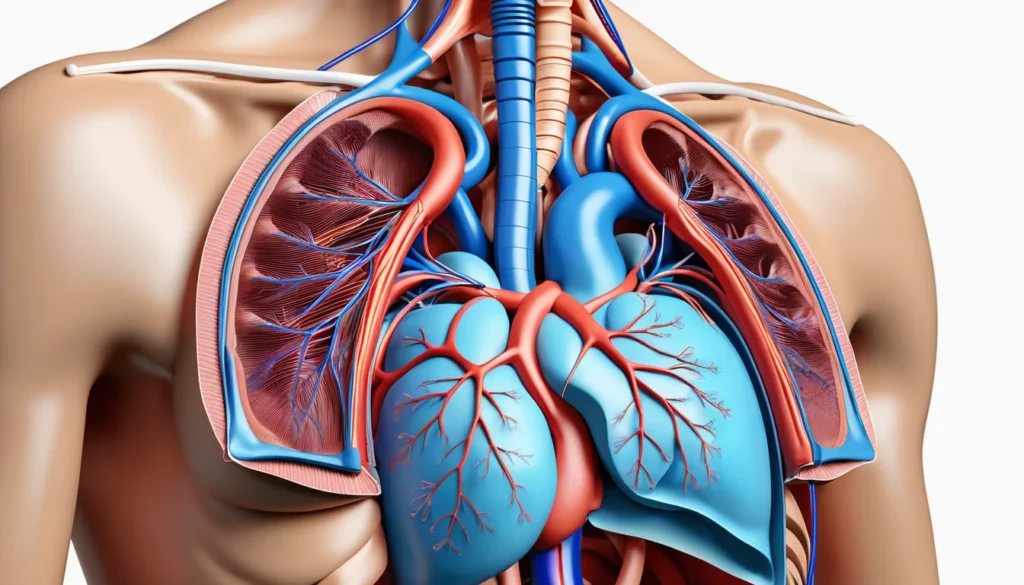
Have you ever noticed that you struggle to breathe when you lie flat, but feel better once you sit up or stand? This is called orthopnea. It is an important symptom that can point to several serious health conditions, most commonly heart failure. Understanding orthopnea — what causes it, how it is diagnosed, and how it is treated — can help you take the right steps toward better health.
What Is Orthopnea?
Orthopnea is difficulty breathing that happens when a person lies down flat. The word comes from two Greek roots: ortho, meaning upright, and pnea, meaning breath. When you sit up or stand, the breathing difficulty usually eases.
It is important to know that orthopnea is not a disease on its own. Instead, it is a symptom — a signal that something else may be going on in your body. In most cases, it points to a problem with the heart or lungs.
Orthopnea is different from general shortness of breath, which doctors call dyspnea. Dyspnea can happen at any time, whether you are resting or active, and regardless of your position. Orthopnea, however, is specifically linked to lying down.
Common Signs and Symptoms of Orthopnea
The main sign of orthopnea is feeling short of breath when you lie flat and getting relief when you sit or stand up. Many people with this condition find they need to sleep propped up on two or three pillows. In fact, doctors often ask how many pillows a patient needs — this helps them measure how severe the symptom is.
In addition to breathing difficulty, you may notice other symptoms when lying down, including:
A dry cough that appears when you lie flat and goes away when you sit up
A wheezing or whistling sound when you breathe
Shortness of breath during light activities, such as household chores
Swelling in the ankles or feet
Unusual tiredness or fatigue
Sudden, unexplained weight gain
These associated symptoms can give your doctor important clues. For example, swollen ankles combined with orthopnea strongly suggest a heart-related cause. However, only a medical professional can make that determination.
How Many Pillows Do You Need?
A simple way doctors track orthopnea severity is by asking about pillow use. Needing one pillow is considered mild. Needing three or more pillows to sleep comfortably is considered more serious. If you have recently started needing more pillows than usual, that change is worth discussing with your family doctor.
What Causes Orthopnea?
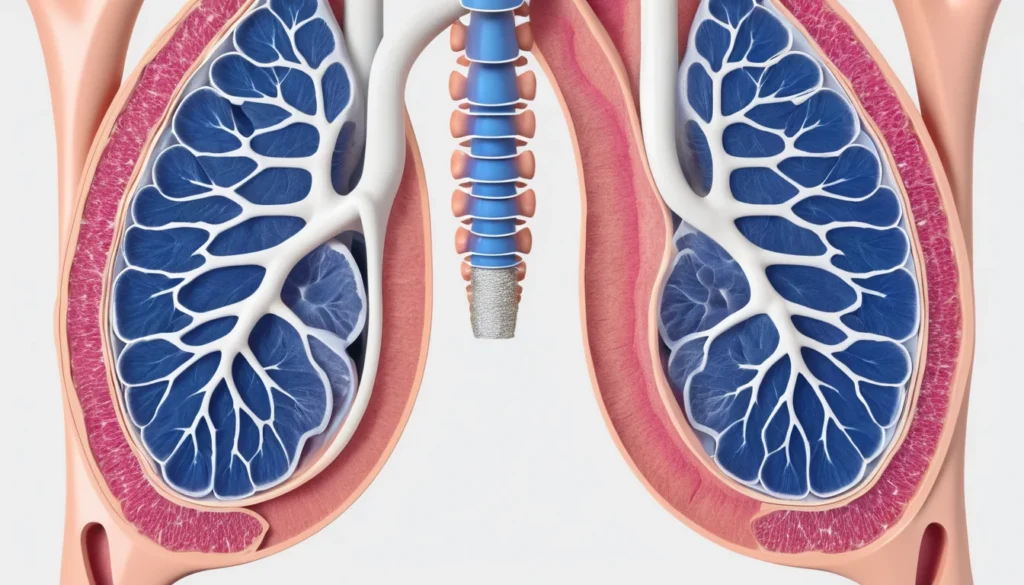
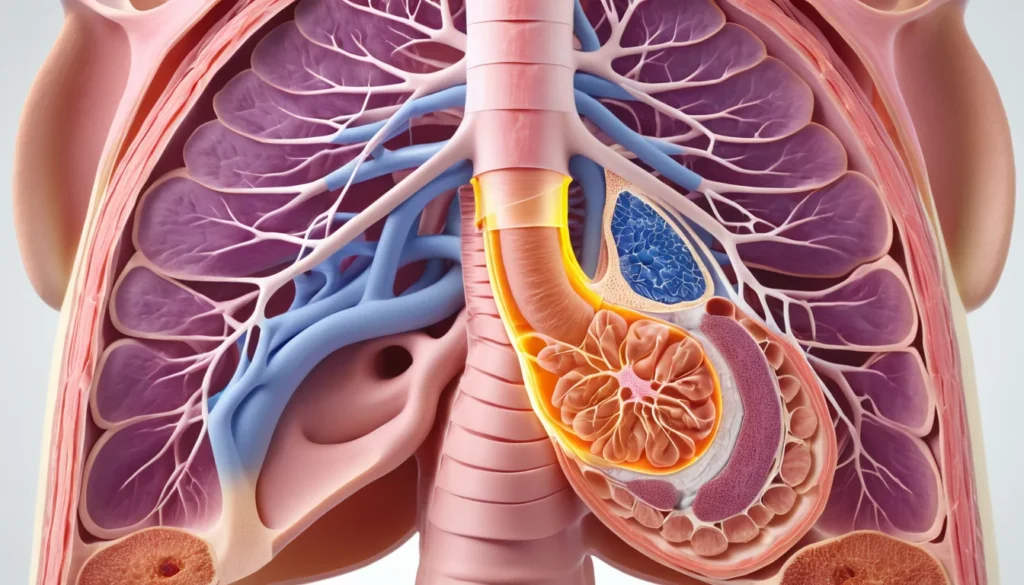
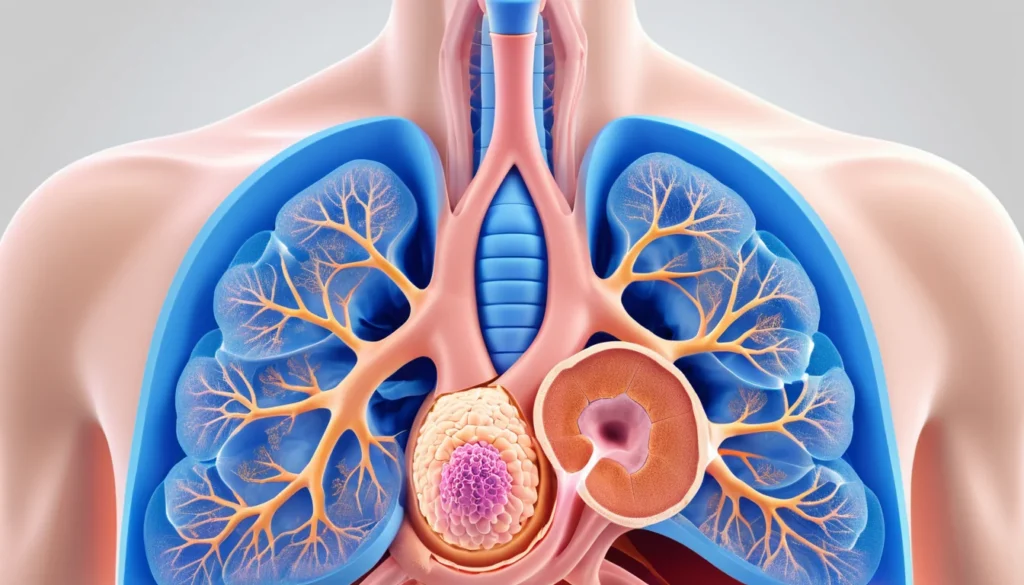
Orthopnea happens because of increased pressure in the blood vessels of the lungs. When a healthy person lies down, blood naturally shifts toward the heart and lungs. The heart handles this shift without any trouble.
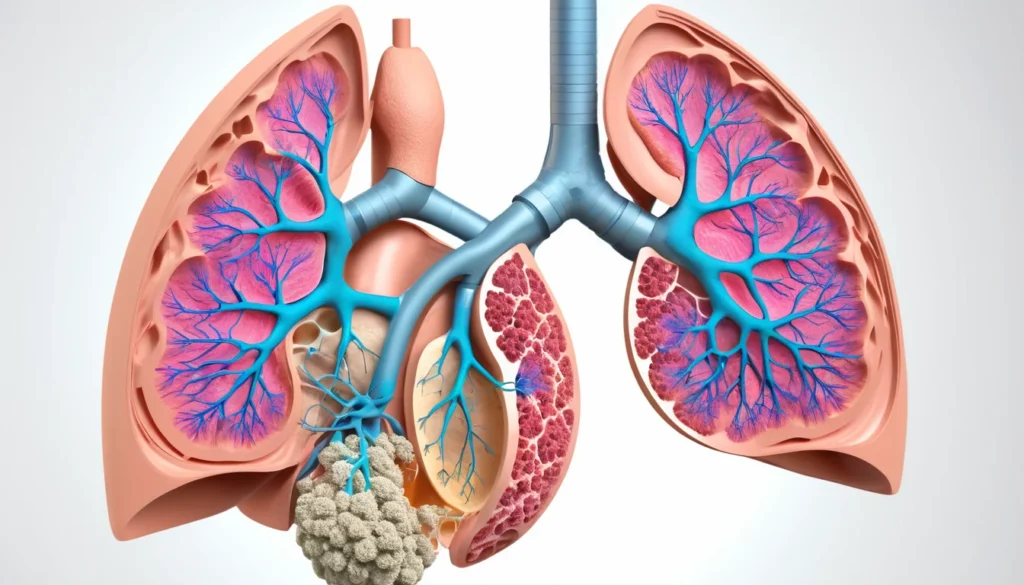
However, when the heart is weakened or damaged, it cannot pump that extra blood efficiently. As a result, blood backs up into the lungs. Fluid then leaks out of the blood vessels and builds up in the lung tissue. This makes breathing much harder. When the person sits or stands up again, the pressure shifts back and breathing improves.
Heart-Related Causes
The most common cause of orthopnea is heart failure, also called congestive heart failure. This is a condition where the heart muscle cannot pump blood effectively throughout the body. According to Health Canada, heart disease remains one of the leading causes of illness and death in Canada.
Another heart-related cause is acute pulmonary edema. This is a medical emergency where fluid suddenly floods the lungs, usually as a direct result of severe heart failure. It requires immediate medical attention.
Lung-Related and Other Causes
Orthopnea does not always come from the heart. It can also result from lung conditions and other health issues. These include:
COPD (Chronic Obstructive Pulmonary Disease) — a combination of emphysema and chronic bronchitis that blocks airflow
Severe pneumonia — a serious lung infection
Pleural effusion — fluid buildup around the lungs
Ascites — fluid buildup in the abdomen that pushes up on the diaphragm
Diaphragm paralysis — weakness in the main breathing muscle
Obesity — excess weight can press on the lungs when lying down
Therefore, it is essential not to assume the cause on your own. A proper diagnosis requires testing by a qualified healthcare provider. You can learn more about breathing conditions from the Mayo Clinic’s overview of shortness of breath causes.
How Is Orthopnea Diagnosed?
When you visit your doctor about breathing difficulties, they will start by asking you questions. They will want to know when the symptom started, how many pillows you need to sleep, and whether you also have a cough or wheezing. They will also ask about any other health conditions you have.
After that conversation, your doctor will likely order some tests to find the underlying cause. Common diagnostic tests include:
Chest X-ray: This shows whether fluid has built up in the lungs and reveals other lung abnormalities.
Blood tests: These check oxygen and carbon dioxide levels in the blood. They also measure BNP (B-type natriuretic peptide), a marker that rises when the heart is under stress.
Echocardiogram: This is an ultrasound of the heart. A cardiologist uses it to assess how well your heart is pumping and to identify any structural problems.
If a heart condition is confirmed, your care team may order additional tests. These could include a stress test, cardiac MRI, or referral to a heart specialist. In Canada, your family doctor will coordinate these referrals through your provincial health plan.
Treatment Options for Orthopnea
Treating orthopnea means treating the underlying condition causing it. There is no single treatment for orthopnea itself — the goal is to address the root problem so the symptom goes away or becomes more manageable.
Managing Symptoms at Home
While you wait for a diagnosis or for treatment to take effect, you can use extra pillows or a wedge cushion to elevate your upper body during sleep. This simple adjustment reduces the pressure on your lungs. In more serious cases, your doctor may prescribe home oxygen therapy.
Treating Heart Failure
Because heart failure is the leading cause of orthopnea, much of the treatment focuses on the heart. Doctors typically prescribe a combination of medications, including:
Diuretics (water pills): These help your kidneys remove excess fluid from the body, reducing the buildup in your lungs.
ACE inhibitors: These medications improve blood flow and reduce the workload on the heart. They are especially helpful for left-sided heart failure.
Beta-blockers: These slow the heart rate and help the heart pump more efficiently.
Antiarrhythmics and antihypertensives: Depending on your situation, your cardiologist may also prescribe medications to control heart rhythm and blood pressure.
In more advanced cases, surgical procedures or implantable devices — such as a pacemaker or defibrillator — may be recommended. Your cardiologist will work with you to create a care plan suited to your needs. For more information on heart failure management, visit the World Health Organization’s guide on cardiovascular diseases.
Treating COPD and Lung Conditions
When orthopnea is caused by COPD or another lung condition, treatment focuses on opening the airways and reducing inflammation. Bronchodilator inhalers are a common first step. Your doctor may also recommend pulmonary rehabilitation, a structured programme that helps people with chronic lung disease breathe more easily and stay active.
When to See a Doctor
You should speak with your family doctor if you have noticed that lying flat makes you short of breath, even if it seems mild. Do not wait for symptoms to get worse. Early diagnosis leads to better outcomes, especially when heart failure is involved.
If you do not have a family doctor, a walk-in clinic can provide an initial assessment and refer you for further testing through your provincial health plan. Most provinces also offer telehealth services if you prefer to speak with a nurse or doctor by phone or video.
Seek emergency care immediately if you experience sudden, severe shortness of breath, chest pain, rapid heartbeat, or feel like you cannot breathe at all. These could be signs of acute pulmonary edema or another cardiac emergency. Call 911 or go to your nearest emergency department right away.
As always, this article is for general information only. Please consult your doctor or a qualified healthcare professional for advice specific to your health situation.
Frequently Asked Questions About Orthopnea
What is orthopnea and what causes it?
Orthopnea is shortness of breath that occurs when lying flat and improves when sitting or standing up. It is most commonly caused by heart failure, which causes fluid to build up in the lungs. Other causes include COPD, pulmonary edema, and obesity.
Is orthopnea a serious condition?
Orthopnea itself is a symptom, not a disease, but it often signals a serious underlying condition such as heart failure or severe lung disease. Anyone experiencing orthopnea should see a doctor promptly for an evaluation. Early treatment can significantly improve quality of life and long-term outcomes.
How many pillows do people with orthopnea need to sleep?
People with orthopnea often need two or more pillows to breathe comfortably while sleeping. Doctors use the number of pillows a patient requires as a simple way to gauge the severity of orthopnea. Needing three or more pillows is generally considered a more significant sign that warrants medical attention.
What is the difference between orthopnea and dyspnea?
Dyspnea is a general term for shortness of breath that can happen at any time, during activity or at rest, regardless of body position. Orthopnea is a specific type of breathing difficulty that only occurs when lying flat. Both can be symptoms of heart or lung disease and should be assessed by a doctor.
Can orthopnea be treated without medication?
Sleeping with your upper body elevated using extra pillows or a wedge cushion can temporarily relieve orthopnea symptoms. However, treating the root cause — such as heart failure or COPD — almost always requires medication and ongoing medical care. Talk to your family doctor or visit a walk-in clinic to explore your treatment options.
When should I go to the emergency room for orthopnea?
You should call 911 or go to the emergency room immediately if you experience sudden, severe orthopnea along with chest pain, a racing heartbeat, or an inability to breathe. These symptoms may indicate acute pulmonary edema or a cardiac emergency. Do not wait — these situations can become life-threatening very quickly.
Key Takeaways
Orthopnea is shortness of breath that occurs when lying flat and eases when sitting or standing upright.
It is a symptom, not a disease — it signals an underlying condition that needs medical attention.
The most common cause is heart failure, but COPD, pulmonary edema, and other conditions can also cause it.
Associated symptoms include a dry cough, wheezing, ankle swelling, fatigue, and unexplained weight gain.
Diagnosis involves a physical exam, chest X-ray, blood tests, and possibly an echocardiogram.
Treatment targets the underlying condition — medications such as diuretics, ACE inhibitors, and beta-blockers are commonly used for heart failure.
If you notice this symptom, speak with your family doctor or visit a walk-in clinic as soon as possible.
Seek emergency care immediately for sudden, severe breathing difficulty or chest pain.