An orthodontic activator is a removable dental appliance used to guide the growth of the jaw and move teeth into a better position. It is most often used in children and teenagers while their bones are still growing. In Canada, orthodontic treatment is common, and many families encounter this device during a consultation with an orthodontist or dentist. This article explains what an orthodontic activator does, who needs one, and what to expect during treatment.
What Is an Orthodontic Activator?
An orthodontic activator is a type of functional appliance. It works by using the natural forces of the mouth — including muscle movement and jaw pressure — to shift teeth and reshape the jaw over time. Unlike traditional braces, it does not use brackets or wires attached to the teeth.
The device is usually made from acrylic and fits over both the upper and lower teeth at the same time. It holds the jaw in a slightly forward or corrected position. Over weeks and months, this gentle, steady pressure encourages the bones and teeth to move into proper alignment.
Orthodontists have used functional appliances like the activator for decades. They remain a trusted tool in orthodontic care across Canada and around the world. For more background on dental health, you can visit Health Canada’s oral health resources.
How Does an Orthodontic Activator Work?
The orthodontic activator works by repositioning the lower jaw forward when you close your mouth around it. This new jaw position creates tension in the muscles and soft tissues. That tension then puts gentle force on the teeth and jawbones.
Over time, the bones respond to this force by growing and reshaping. The upper and lower teeth gradually shift toward a more balanced bite. This process takes advantage of the natural growth spurts that happen in childhood and early adolescence.
The Role of Muscle Force
What makes the activator unique is that it uses your own muscles to do the work. When you wear the device, your cheek muscles, tongue, and lip muscles all apply light pressure. This is called myofunctional force, which simply means force from muscle activity.
Therefore, the activator does not push teeth mechanically the way fixed braces do. Instead, it redirects natural muscle energy to guide jaw development. Many orthodontists consider this a gentler, more biological approach to early treatment.
Types of Orthodontic Activators
There are several versions of the activator design. The original Andresen activator is the most widely known. However, orthodontists today may use modified versions such as the Harvold activator, the Bionator, or the twin block appliance.
Each type works on similar principles but differs slightly in design and fit. Your orthodontist will choose the best version based on your child’s specific bite problem, age, and growth stage. In addition, some versions are worn only at night, while others are worn for more hours during the day.
Who Needs an Orthodontic Activator?
The orthodontic activator is most commonly recommended for children between the ages of 8 and 14. This is the window when the jaw is still actively growing and most responsive to guidance. Using the appliance during this period can produce results that would be very difficult to achieve in adulthood.
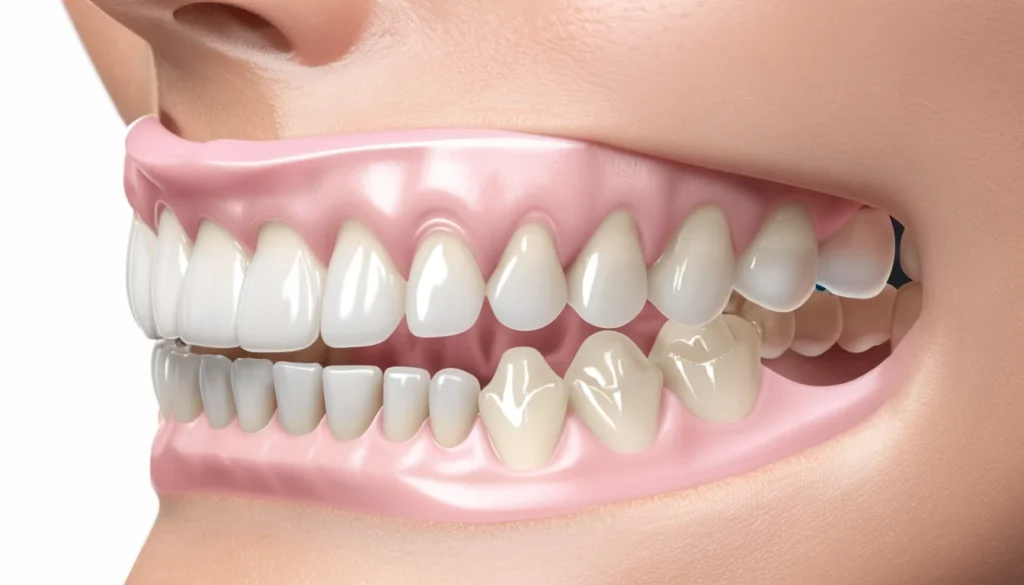
The device is particularly helpful for children who have a Class II malocclusion. This is the dental term for an overbite, where the upper teeth and jaw stick out further than the lower teeth. It is also sometimes called “buck teeth” in everyday language.
Common Conditions Treated
An orthodontist may recommend an orthodontic activator for several reasons. These include:
Overbite: The upper front teeth extend too far forward over the lower teeth.
Underdeveloped lower jaw: The lower jaw is smaller or further back than it should be.
Crowded teeth: The jaw is too narrow to fit all the teeth comfortably.
Breathing or speech issues: Sometimes jaw alignment affects how a child breathes or speaks.
Early orthodontic intervention: Catching alignment problems early can reduce the need for more complex treatment later.
Furthermore, some children use an activator as the first phase of a two-phase treatment plan. After the activator corrects the jaw position, fixed braces may later fine-tune the alignment of individual teeth.
What to Expect During Orthodontic Activator Treatment
Starting treatment with an orthodontic activator is a gradual process. At the first appointment, your orthodontist takes moulds or digital scans of your child’s teeth. These are used to create a custom-fitted appliance that matches the exact shape of their mouth.
When the activator arrives, the orthodontist will show your child how to insert and remove it. There is usually a short adjustment period of one to two weeks while the mouth gets used to the device.
Wearing Schedule
Most children need to wear the activator for 14 to 16 hours per day. This typically includes all night while sleeping, plus several hours during quiet activities at home. Some orthodontists ask children to wear it during homework time or while watching television.
Consistency is very important. The more regularly your child wears the appliance, the faster and more effective the results will be. As a result, parental encouragement plays a big role in treatment success.
Follow-Up Appointments
Your child will need check-up appointments every 6 to 10 weeks. At each visit, the orthodontist checks the progress of tooth and jaw movement. They may make small adjustments to the appliance or update the treatment plan if needed.
Total treatment time with an activator typically ranges from 12 to 24 months. However, this varies depending on the severity of the bite problem and how consistently the device is worn. After the activator phase is complete, the orthodontist will decide if further treatment, such as braces, is necessary.
Care and Maintenance of Your Orthodontic Activator
Keeping the orthodontic activator clean is essential for good oral health. Bacteria and plaque can build up on the acrylic surface just as they do on teeth. A dirty appliance can lead to bad breath, tooth decay, or gum irritation.
Here are some simple care tips to follow:
Rinse the appliance with cool water every time you remove it.
Brush it gently with a soft toothbrush and mild soap — not toothpaste, which can scratch the acrylic.
Soak it in a denture-cleaning solution once a week to remove deeper buildup.
Store it in its protective case when not in use to avoid damage or loss.
Keep it away from hot water, which can warp the acrylic shape.
Bring it to every orthodontic appointment so the dentist can check its condition.
In addition, your child should continue brushing and flossing their teeth as normal. Good oral hygiene during orthodontic treatment protects against cavities and gum disease.
Dealing with Discomfort
Some children feel mild soreness in their jaw or teeth during the first few days of wearing the activator. This is normal and usually fades within a week. Over-the-counter pain relief approved for your child’s age can help if the discomfort is bothersome.
However, if the pain is sharp, persistent, or prevents your child from sleeping, contact your orthodontist. The appliance may need a minor adjustment. You should also call the orthodontist if the device breaks, cracks, or no longer fits properly. According to Mayo Clinic’s dental health guidance, addressing discomfort early helps keep orthodontic treatment on track.
Orthodontic Activator vs. Traditional Braces
Many parents wonder how an orthodontic activator compares to traditional braces. The two approaches work differently and are often used at different stages of treatment. Understanding the difference helps families make informed decisions alongside their dental care provider.
Traditional braces use metal brackets bonded to each tooth, connected by wires. The orthodontist tightens the wires over time to move individual teeth. Braces are excellent for precise tooth positioning but do not directly influence jaw growth.
The orthodontic activator, on the other hand, focuses on the jaw itself. It corrects the relationship between the upper and lower jaws. Therefore, it is often used before braces, especially in growing children, to create the right jaw foundation first.
Furthermore, the activator is removable, which makes eating and brushing much easier. However, because it can be removed, it relies on the child’s cooperation to wear it enough hours each day. Fixed braces work continuously because they cannot be taken out.
For a deeper look at orthodontic treatment options, Healthline’s guide to orthodontic appliances offers a helpful overview of different devices and their uses.
When to See a Doctor or Orthodontist
If you are concerned about your child’s bite, teeth spacing, or jaw development, speak with your family doctor or dentist first. They can refer you to an orthodontist through your provincial health system or a private dental office. Many provinces in Canada include some orthodontic coverage for children under certain income thresholds, so it is worth asking about your options.
You should seek an orthodontic assessment if your child shows any of the following signs:
Upper teeth that extend far beyond the lower teeth when biting
Difficulty chewing or biting food properly
Mouth breathing or snoring during sleep
Speech difficulties such as a lisp
Jaw clicking or pain when opening and closing the mouth
Crowded, crooked, or unevenly spaced teeth
Most orthodontists recommend an initial assessment around age 7. At this point, enough permanent teeth have come in to identify potential problems early. Early treatment with an orthodontic activator can sometimes prevent more complex procedures later on.
If you do not have a family doctor, a walk-in clinic can provide an initial referral. Many dental offices also offer direct orthodontic consultations without a referral. Always consult a qualified dental or medical professional before starting any orthodontic treatment.
Frequently Asked Questions
How long does an orthodontic activator need to be worn each day?
Most children need to wear their orthodontic activator for 14 to 16 hours per day. This usually includes overnight sleep plus several hours of quiet activity at home. The more consistently it is worn, the more effective the treatment will be.
At what age is an orthodontic activator most effective?
An orthodontic activator works best in children between the ages of 8 and 14, when the jaw is still actively growing. Using the appliance during this growth window allows the jaw and teeth to be guided more easily. Results are much harder to achieve once growth has stopped in adulthood.
Is an orthodontic activator painful to wear?
Mild jaw or tooth soreness is normal during the first few days of wearing an orthodontic activator. This discomfort usually fades within a week as the mouth adjusts. If pain is sharp or persistent, contact your orthodontist, as the appliance may need a small adjustment.
Can an orthodontic activator replace braces?
An orthodontic activator is not always a replacement for braces — it serves a different purpose. The activator corrects jaw position and guides jaw growth, while braces fine-tune the alignment of individual teeth. Many children use an activator first and then follow up with braces for complete treatment.
How do I clean an orthodontic activator?
Rinse your orthodontic activator with cool water each time you remove it, and brush it gently with a soft toothbrush and mild soap. Avoid toothpaste, as it can scratch the acrylic surface. Soaking it in a denture-cleaning solution once a week will help remove deeper buildup and keep it fresh.
Is orthodontic treatment covered by provincial health plans in Canada?
Orthodontic coverage varies across provinces in Canada and is not universally included in provincial health plans. Some provinces offer partial coverage for children from lower-income families through dental assistance programmes. It is best to speak with your family doctor, dentist, or provincial health authority to understand what benefits may be available to you.
Key Takeaways
An orthodontic activator is a removable appliance that uses jaw muscle force to guide tooth and jaw movement.
It is most effective in children aged 8 to 14, during active jaw growth.
The device is commonly used to correct overbites and underdeveloped lower jaws.
Children typically wear it 14 to 16 hours per day for 12 to 24 months.
It is often used as the first phase of treatment, before fixed braces are applied.
Good daily cleaning and consistent wear are essential for the best results.
If you notice bite or jaw concerns in your child, speak with your family doctor, dentist, or visit a walk-in clinic to request an orthodontic referral.
Always consult a qualified dental professional before starting any orthodontic treatment.