Orgasmic dysfunction is a condition where a person is unable to reach orgasm, or finds it delayed or less intense than expected. It is more common than many people realize, and it affects women of all ages across Canada. The good news is that this condition is well understood, and effective help is available through your family doctor, a walk-in clinic, or a referral to a sexual health specialist.
What Is Orgasmic Dysfunction?
Orgasmic dysfunction means the normal orgasm phase of the sexual response cycle is blocked or suppressed. It is not a reflection of a person’s worth, desire, or relationship. It is a recognized medical and psychological condition.
Health professionals generally divide orgasmic dysfunction into three types:
Primary orgasmic dysfunction (anorgasmia): The person has never experienced an orgasm, regardless of the type of stimulation. This type is often linked to inherited or deeply rooted factors.
Secondary orgasmic dysfunction: The person has had orgasms before — either during sex or through self-stimulation — but can no longer reach one. This type is usually caused by something that has changed over time.
Situational orgasmic dysfunction: The person can reach orgasm in some situations, such as through self-stimulation, but not during partnered sex.
You may have heard the older term “frigidity” used to describe women who never experienced orgasm. Most health professionals no longer use this word. It is considered unhelpful and inaccurate. Orgasmic dysfunction is the preferred, more precise term used today.
How Common Is Orgasmic Dysfunction?
Research suggests that between 10 and 15 percent of women experience orgasmic dysfunction on an ongoing basis. Furthermore, surveys indicate that between 33 and 50 percent of women reach orgasm only occasionally and feel unsatisfied with its intensity.
These numbers show that this condition is far from rare. However, many people never talk to a doctor about it. Shame, embarrassment, or simply not knowing that help is available often gets in the way.
For example, Mayo Clinic’s overview of anorgasmia confirms that this is one of the most common female sexual concerns brought to health professionals.
Causes and Risk Factors
Orgasmic dysfunction can have physical causes, psychological causes, or a combination of both. Understanding the root cause is the first step toward finding the right treatment.
Psychological Causes
One of the most common psychological causes is performance anxiety. When a person feels pressure to reach orgasm, the stress itself makes it harder to get there. The more a person focuses on achieving orgasm, the less likely it becomes.
Other psychological factors include:
A history of sexual trauma or abuse
Negative attitudes toward sex or the body, sometimes shaped by upbringing or religious beliefs
Depression or chronic stress
Low self-esteem or lack of trust in a partner
Difficulty communicating sexual needs and preferences
Emotional distance or unresolved conflict within a relationship
Sexual boredom or routine that has lost its spark
Many women feel too embarrassed to tell their partner what they enjoy. Over time, this silence can slowly reduce sexual pleasure and eventually lead to orgasmic dysfunction.
Physical and Medical Causes
Several medical conditions can interfere with the body’s ability to reach orgasm. These include:
Multiple sclerosis
Diabetic neuropathy (nerve damage from diabetes)
Spinal cord injuries
Hormonal imbalances and endocrine disorders
Chronic illness that affects overall health and energy
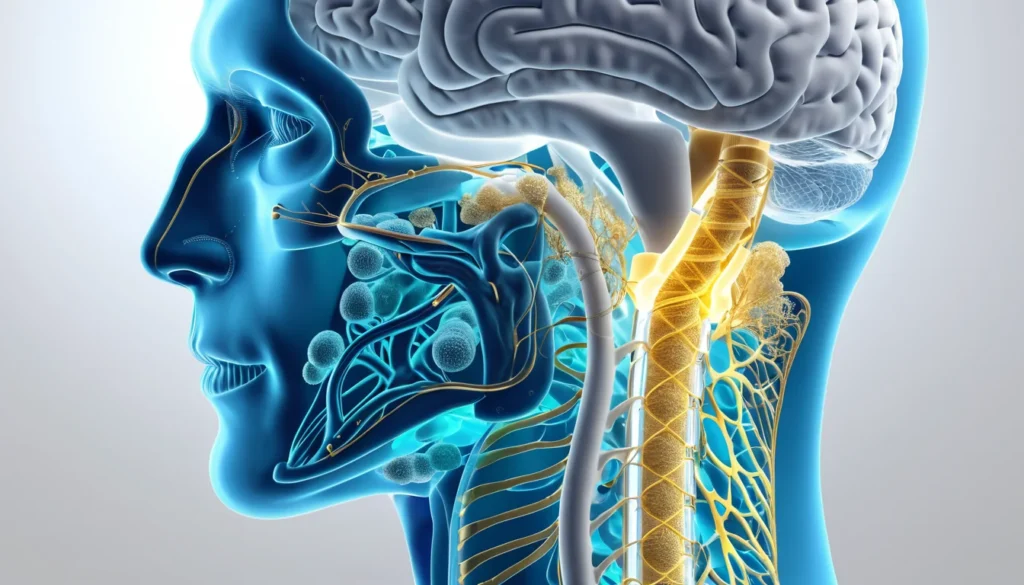
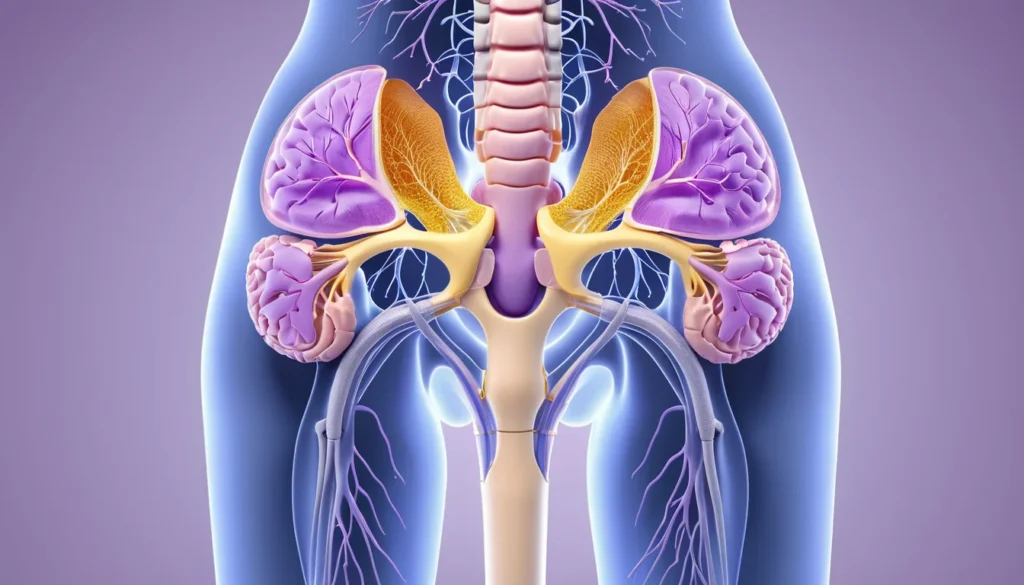
These conditions can affect the pelvic nerve pathways that play a key role in sexual response.
Medications That Can Cause Orgasmic Dysfunction
Certain medications list reduced sexual responsiveness as a side effect. Antidepressants, particularly selective serotonin reuptake inhibitors (SSRIs), are among the most common culprits. They can delay, reduce, or completely block orgasm in both women and men.
Alcohol can also have a similar effect. While a small amount may lower inhibitions, too much alcohol actually dulls the body’s sexual response and makes orgasm harder to reach.
If you suspect a medication is affecting your sexual health, do not stop taking it without speaking to your doctor first. There are often alternatives or dosage adjustments that can help.
Signs and Symptoms
The main symptom of orgasmic dysfunction is a repeated and persistent inability to reach orgasm. This may happen during partnered sex, self-stimulation, or both. It is not a one-time occurrence. The pattern happens consistently over a period of time.
In many cases, a physical examination shows no abnormalities. However, your doctor will want to know about any medications you take, especially antidepressants. They will also ask about your medical history and any emotional or relationship factors that may be relevant.
As a result of this assessment, many people are referred to a sex therapist or sexual health specialist. These professionals can identify the specific cause and create a treatment plan that works for both the individual and their partner.
According to Healthline’s guide to anorgasmia, it is important to distinguish between orgasmic dysfunction and simply having a lower interest in sex, as these are different conditions with different treatments.
Prevention and Healthy Sexual Communication
While not all cases of orgasmic dysfunction can be prevented, there are real steps that can lower your risk and improve your sexual wellbeing.
Sexual Education and Self-Awareness
Good sexual education plays an important role. Understanding your own body, knowing what kind of stimulation you enjoy, and recognizing your own arousal patterns are all important. Self-exploration is a healthy and normal way to build this awareness.
Partners who understand each other’s preferences and guide each other during sex rarely experience this kind of difficulty. The key is open, honest, and shame-free communication.
Reducing Performance Pressure
It is important to understand that orgasm is not something you can force through willpower or concentration. In fact, trying too hard creates exactly the kind of stress that prevents it. Specialists consistently point out that relaxation and connection are far more important than performance.
Shifting focus away from orgasm as the goal — and toward shared pleasure and intimacy — often helps couples improve their sexual experience.
Treatment Options for Orgasmic Dysfunction
Treatment for orgasmic dysfunction addresses both physical and emotional factors. The right approach depends on the underlying cause.
Medical Treatment
In some cases, a medical solution is available. For example, estrogen-based vaginal creams or specialized lubricants can improve physical comfort and sensitivity. If an antidepressant is the cause, a doctor may switch medications or adjust the dosage. Never make changes to your medication without professional guidance.
Psychological and Sex Therapy
Most often, the most effective treatment is psychological. Sex therapy — either individual or as a couple — is widely available in Canada. Many provincial health plans offer some coverage for psychological services. Your family doctor can refer you, or you can search for a certified sex therapist through a walk-in clinic or community health centre.
Therapy typically focuses on:
Sexual education tailored to your specific situation
Reducing anxiety and stress around sex
Improving communication between partners
Processing past trauma with a qualified therapist
Building trust and emotional intimacy in the relationship
The World Health Organization’s sexual health resources emphasize that sexual wellbeing is a core part of overall health, and that seeking help for sexual difficulties is both appropriate and encouraged.
When to See a Doctor
You should speak to a doctor if you have been unable to reach orgasm consistently and it is causing you distress. This is true whether you are in a relationship or not. Sexual health is a legitimate part of your overall health, and you deserve support.
Start by booking an appointment with your family doctor. If you do not have one, a walk-in clinic can help. Your doctor can rule out physical causes, review your medications, and refer you to a sexual health specialist or therapist if needed. Many provinces also have sexual health clinics that offer confidential services.
You do not need to manage this alone. Asking for help is the right thing to do.
Frequently Asked Questions
What is orgasmic dysfunction?
Orgasmic dysfunction is the persistent inability to reach orgasm, or experiencing a significant delay or reduction in orgasm intensity. It can affect women at any age and may have physical, psychological, or medication-related causes. It is a recognized health condition and is treatable with the right support.
Can antidepressants cause orgasmic dysfunction?
Yes, antidepressants — especially SSRIs — are one of the most common drug-related causes of orgasmic dysfunction in both women and men. They can delay or block orgasm entirely. If you think your medication is affecting your sexual health, talk to your doctor about alternatives before making any changes.
Is orgasmic dysfunction the same as having a low sex drive?
No, these are different conditions. Orgasmic dysfunction means a person can be aroused and interested in sex but still cannot reach orgasm. Low sex drive, or hypoactive sexual desire disorder, means a reduced interest in sex overall. Both are valid health concerns, but they have different causes and different treatments.
How is orgasmic dysfunction treated in Canada?
Treatment depends on the cause. Options include medication adjustments, estrogen creams, individual counselling, and couples sex therapy. In Canada, your family doctor or walk-in clinic is the best starting point. Many provincial health plans cover psychological services, and referrals to sexual health specialists are available across most provinces.
Can orgasmic dysfunction be caused by past trauma?
Yes, a history of sexual trauma, abuse, or assault is a recognized cause of orgasmic dysfunction. Unresolved trauma can create psychological blocks that interfere with sexual response. Working with a trained therapist who specializes in trauma and sexual health can make a significant difference over time.
Is it normal to never have had an orgasm?
Some people have never experienced an orgasm, which is known as primary orgasmic dysfunction or anorgasmia. It is more common than most people realize. With the help of a sexual health professional or therapist, many people are able to experience orgasm for the first time. Speaking to your doctor is a good first step.
Key Takeaways
Orgasmic dysfunction is the persistent inability to reach orgasm or a significant reduction in orgasm intensity.
It affects an estimated 10 to 15 percent of women, though many more experience it occasionally.
Causes include psychological factors, physical conditions, medications, past trauma, and relationship difficulties.
Antidepressants are one of the most common medication-related causes.
Treatment may include therapy, medication changes, education, and improved sexual communication.
Your family doctor, walk-in clinic, or a sexual health centre can help you find the right support.
Asking for help is a sign of strength, not weakness. Sexual health matters.
This article is for informational purposes only. It is not a substitute for professional medical advice. If you are experiencing symptoms of orgasmic dysfunction or any other sexual health concern, please speak with a qualified healthcare provider.