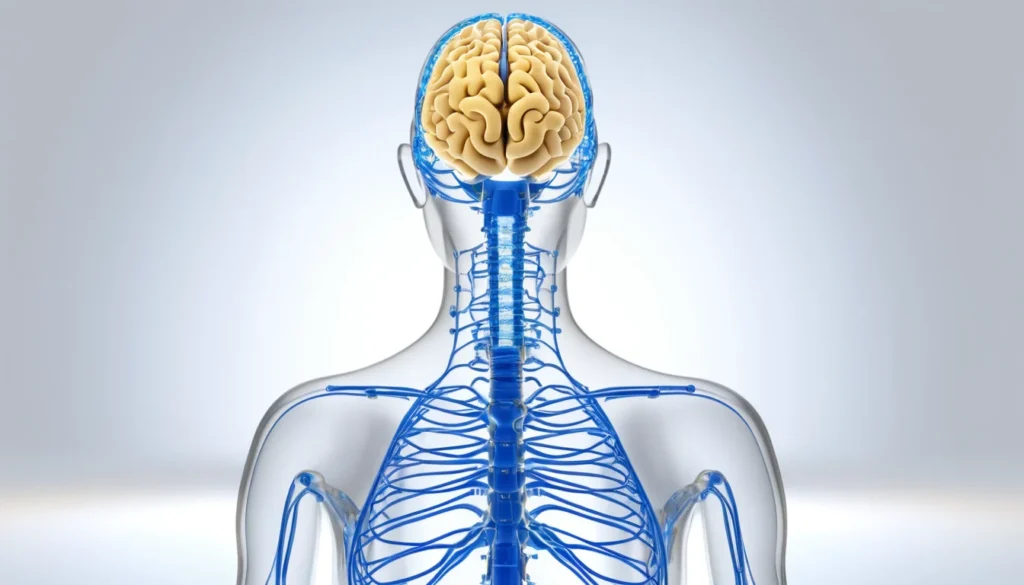
An orgasm is the peak of sexual excitement. It brings intense physical sensations and marks the climax of the sexual response cycle. Both men and women experience orgasms, but the way they happen — and what the body does — differs quite a bit. Understanding how an orgasm works can help you better understand your own body, recognize what is normal, and know when something might need attention. This article covers the science behind orgasm, how it differs by sex, what can go wrong, and when to speak with a healthcare provider.
What Is an Orgasm?
An orgasm is the body’s natural response to sexual stimulation. It is a brief but powerful release of built-up sexual tension. Most people describe it as a wave of intense pleasure, often felt throughout the body.
The orgasm is part of a larger process called the sexual response cycle. Researchers William Masters and Virginia Johnson first described this cycle in four stages: excitement, plateau, orgasm, and resolution. Each stage involves changes in the body, including shifts in heart rate, breathing, blood flow, and muscle tension.
Orgasms are a normal and healthy part of human sexuality. However, not everyone experiences them the same way — and that is completely normal too. For example, some people reach orgasm easily, while others rarely do or never do at all.
The Sexual Response Cycle: Understanding the Four Stages
To understand the orgasm fully, it helps to look at the whole sexual response cycle. The body goes through clear, predictable changes during sexual activity. These changes happen whether a person is alone or with a partner.
Stage 1: Excitement
This is the first stage, where sexual desire begins to build. The body starts preparing for sex. Blood flows to the genitals, causing swelling and sensitivity. Heart rate and breathing speed up. In women, the vagina begins to produce natural lubrication. In men, the penis starts to become erect.
Other physical changes happen across the body too. Nipples may become erect. The skin may feel warm or flushed. Muscles throughout the body begin to tense slightly. This stage can last anywhere from a few minutes to much longer, depending on the person and situation.
Stage 2: Plateau
In the plateau phase, sexual arousal continues to intensify. However, the rate of change slows down. The body holds at a high level of excitement. In women, the clitoris becomes very sensitive and may partially withdraw under its hood. In men, the penis reaches full erection and a small amount of fluid may appear at the tip.
Breathing remains fast during this stage. Muscle tension keeps building. Many people find this phase highly pleasurable on its own. The plateau phase sets the stage for the orgasm that follows.
Stage 3: Orgasm
The orgasm itself is the shortest stage in the cycle. It typically lasts only a few seconds. During this phase, all the built-up muscle tension releases suddenly. The body experiences rhythmic muscle contractions, particularly in the pelvic area.
Heart rate and breathing reach their peak. Many people feel a rush of warmth or tingling through the body. Some people vocalize, while others experience it quietly. The experience is highly individual — no two orgasms are exactly alike, even for the same person.
Stage 4: Resolution
After an orgasm, the body gradually returns to its resting state. Blood drains from the genitals. Heart rate and breathing slow back down. Muscles relax. Many people feel a deep sense of relaxation or even sleepiness after this phase.
This stage is also when differences between men and women become especially clear. Men enter what is called a refractory period — a recovery time during which another orgasm is not possible. Women generally do not have a refractory period, which means they can potentially experience multiple orgasms in a single session.
How the Orgasm Differs Between Women and Men
The orgasm is a shared human experience, but its details vary depending on a person’s anatomy. Understanding these differences can reduce confusion and help people communicate better with their partners and healthcare providers.
Orgasm in Women
In women, the orgasm involves rapid, involuntary contractions of the muscles of the vagina and perineum. These contractions typically occur in rhythmic waves, each lasting a fraction of a second. They may number anywhere from three to fifteen contractions per orgasm.
The clitoris plays a central role in most women’s orgasms. It contains thousands of nerve endings and is highly sensitive to stimulation. In addition, the vaginal walls secrete fluid during orgasm. Many women report that orgasms feel different depending on the type of stimulation involved — clitoral, vaginal, or a combination of both.
It is worth noting that many women do not reach orgasm through penetration alone. This is completely normal and well-supported by research. According to Healthline’s overview of female sexual health, the majority of women require direct clitoral stimulation to achieve orgasm.
Orgasm in Men
In men, the orgasm is closely tied to ejaculation, though the two are not exactly the same thing. During orgasm, the muscles of the pelvic floor contract rhythmically. Semen moves from the seminal vesicles into the urethra and is then expelled in a series of five to six spasmodic contractions.
After orgasm, the penis returns to its flaccid state. Men then enter the refractory period. This period can last minutes, hours, or even longer — and it tends to increase with age. During this time, sexual stimulation does not lead to another orgasm, no matter how intense.
Men can also experience orgasm without ejaculation in certain circumstances, such as after some prostate surgeries. Therefore, it is important to understand that orgasm and ejaculation, while usually linked, are separate processes.
Factors That Affect Orgasm
Many things can influence whether a person reaches orgasm, how quickly it happens, and how intense it feels. These factors include physical health, mental health, relationship dynamics, and lifestyle habits.
Physical Factors
Hormones play a big role in sexual response. Low levels of estrogen or testosterone can reduce sexual desire and make orgasm harder to achieve. Certain medications — especially antidepressants — are well known for delaying or preventing orgasm. If you have recently started a new medication and notice changes in your sexual function, speak with your family doctor.
Conditions such as diabetes, multiple sclerosis, spinal cord injuries, and cardiovascular disease can also affect orgasm. These conditions can interfere with nerve signals and blood flow — both of which are essential to the sexual response. Furthermore, pelvic floor dysfunction in women can sometimes make orgasm painful or difficult.
Psychological and Emotional Factors
The mind is just as important as the body when it comes to sexual pleasure. Stress, anxiety, depression, and past trauma can all make it harder to reach orgasm. Body image concerns and performance anxiety are also very common barriers.
Relationship quality matters too. Feeling safe, connected, and comfortable with a partner tends to support better sexual experiences. In contrast, conflict, lack of communication, or feelings of shame around sex can interfere with the orgasm response. Speaking with a therapist or counsellor — many of whom are covered under provincial health plans in Canada — can make a significant difference.
Lifestyle Factors
Alcohol is a well-known disruptor of sexual function. In small amounts it may reduce inhibition, but in larger amounts it makes orgasm more difficult. Smoking and a sedentary lifestyle can reduce blood flow, which negatively affects sexual response. On the other hand, regular physical activity, adequate sleep, and a balanced diet all support healthy sexual function.
When Orgasm Does Not Happen: Sexual Dysfunction
Difficulty reaching orgasm is one of the most common sexual health concerns that Canadians bring to their healthcare providers. The medical term for the inability to reach orgasm is anorgasmia. It affects both men and women, though it is much more commonly reported by women.
In women, anorgasmia may be lifelong (never having experienced an orgasm) or acquired (having experienced orgasms in the past but no longer able to). It may be situational (only happening in certain conditions) or generalized (happening in all situations).
In men, difficulty with orgasm is often associated with broader sexual dysfunction, including issues with erection or ejaculation. Delayed ejaculation — taking a very long time to reach orgasm or being unable to at all — is another recognized condition. According to the Mayo Clinic’s guide on delayed ejaculation, this condition is more common than many people realize and is very treatable.
It is important to remember that occasional difficulty reaching orgasm is not a cause for concern. However, if it is persistent and causing distress, it deserves attention. Help is available, and you should not feel embarrassed to ask for it.
When to See a Doctor
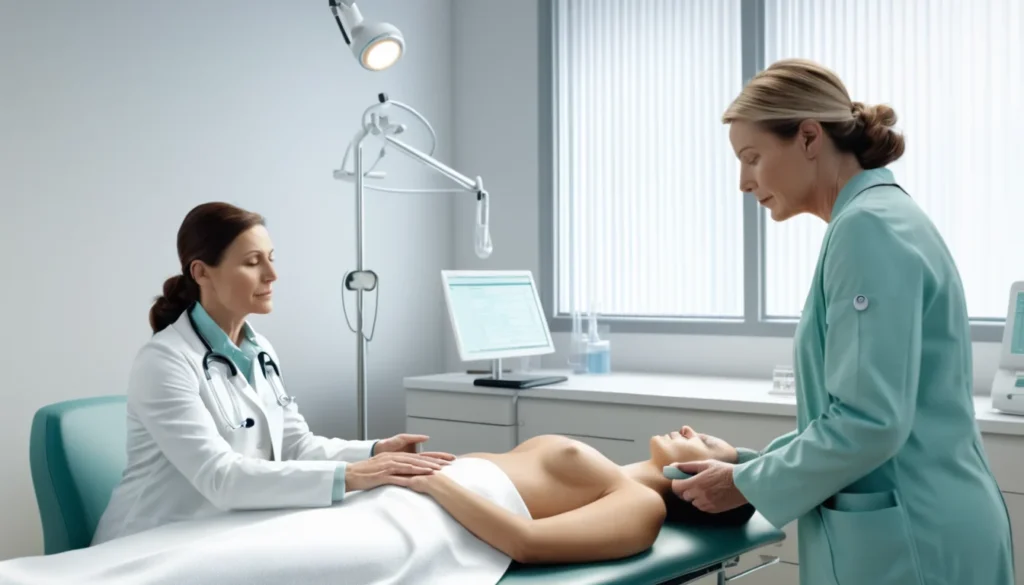
You should speak with a healthcare provider if difficulties with orgasm are ongoing and affecting your quality of life or your relationship. This includes both the inability to reach orgasm and painful orgasms, which can occur in some conditions.
Your family doctor is a great first point of contact. They can review your medications, check hormone levels, and screen for underlying health conditions. If you do not have a family doctor, a walk-in clinic can help, and many provinces also offer sexual health clinics through public health units. In Ontario, for example, sexual health services are widely available through community health centres.
Your doctor may refer you to a specialist, such as a urologist, gynecologist, or sex therapist, depending on the cause. Cognitive behavioural therapy (CBT) and couples therapy have both shown strong results for orgasm-related concerns. There is no shame in seeking this kind of support — sexual health is a normal part of overall health.
For further reading, the World Health Organization’s sexual health resource page offers globally recognized guidance on sexual wellbeing.
Frequently Asked Questions
Is it normal to have difficulty reaching orgasm?
Yes, it is very common for both men and women to occasionally have difficulty reaching orgasm. Many factors — including stress, fatigue, medication, and relationship dynamics — can affect the sexual response. If difficulty with orgasm is persistent and causing distress, speak with your family doctor or a sexual health professional.
Why do women have difficulty reaching orgasm more often than men?
Research suggests that many women require direct clitoral stimulation to reach orgasm, which is not always part of sexual activity. In addition, psychological factors such as anxiety, body image, and past experience play a significant role for women. Open communication with a partner and, if needed, guidance from a therapist can be very helpful.
Can medications prevent orgasm?
Yes, certain medications — most notably antidepressants called SSRIs — are known to delay or prevent orgasm as a side effect. If you notice changes in your sexual function after starting a new medication, do not stop taking it without first consulting your doctor. Your doctor may be able to adjust the dose or suggest an alternative.
What is the difference between orgasm and ejaculation in men?
Orgasm and ejaculation usually happen at the same time in men, but they are two separate processes. Orgasm is the intense physical and pleasurable sensation caused by muscle contractions, while ejaculation is the physical release of semen. In some medical situations, such as after certain surgeries, a man can experience orgasm without ejaculation.
Can women have multiple orgasms?
Yes, unlike men, women do not experience a refractory period after orgasm. This means that with continued stimulation, some women are able to experience multiple orgasms in a single session. However, this varies widely from person to person, and not experiencing multiple orgasms is entirely normal.
When should I see a doctor about orgasm problems?
You should see a doctor if you are consistently unable to reach orgasm and it is causing you distress, or if you experience pain during or after orgasm. Your family doctor or a walk-in clinic in your area can help identify the cause and refer you to the right specialist. Remember, sexual health is a normal part of overall health and there is no reason to feel embarrassed seeking help.
Key Takeaways
An orgasm is the peak of the sexual response cycle, involving intense muscle contractions and physical pleasure.
The sexual response cycle has four stages: excitement, plateau, orgasm, and resolution.
Orgasms differ between men and women in terms of how they happen and recovery time afterward.
Many physical, psychological, and lifestyle factors can affect a person’s ability to reach orgasm.
Difficulty reaching orgasm — known as anorgasmia — is common and treatable.
Men experience a refractory period after orgasm; women generally do not.
If orgasm difficulties are persistent or distressing, speak with your family doctor, visit a walk-in clinic, or ask for a referral to a sexual health specialist.
Sexual health is a normal, important part of overall wellbeing — help is available across Canada.
This article is for general information only. Always consult a qualified healthcare provider for advice about your personal health and sexual wellbeing.