An organ transplant is a medical procedure where a damaged or diseased organ or tissue is replaced with a healthy one from a donor. This surgery can save lives and dramatically improve a person’s quality of life. In Canada, thousands of people are on waiting lists for a transplant at any given time. This article explains how organ transplants work, who needs them, and what the process looks like for Canadians.
What Is an Organ Transplant?
An organ transplant involves surgically removing a failing organ and replacing it with a healthy one. The healthy organ comes from a donor — either someone who has recently died or, in some cases, a living person.
Transplants are performed when an organ is so damaged that it can no longer function properly. Without a new organ, the patient’s life may be at serious risk. Therefore, transplantation is often considered a life-saving last resort.
In Canada, organ and tissue donation is coordinated through provincial and territorial programmes. Each province has its own donation registry, and Canadians are encouraged to register their consent to donate.
Which Organs and Tissues Can Be Transplanted?
Modern medicine has made it possible to transplant a wide range of organs and tissues. Each type of transplant addresses a specific medical condition.
Solid Organ Transplants
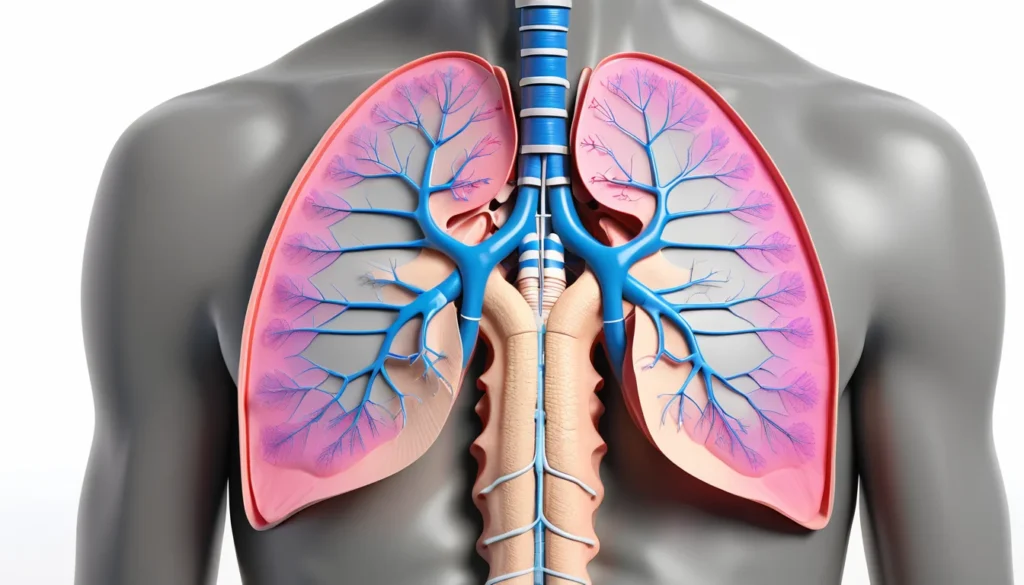
The most common solid organ transplants include the kidney, liver, heart, and lungs. Kidney transplants are the most frequently performed organ transplant in Canada. In addition, the pancreas and small intestine can also be transplanted in certain cases.
A single donor can save up to eight lives through solid organ donation. This makes organ donation one of the most powerful gifts a person can give.
Tissue Transplants
Tissues such as corneas, skin, bone, heart valves, and tendons can also be transplanted. Cornea transplants, for example, can restore vision to people who have lost their sight due to injury or disease.
Tissue transplants can help over 75 people from a single donor. Furthermore, tissues can often be stored and used weeks or months after donation.
Who Needs an Organ Transplant?
Doctors recommend an organ transplant when a person’s organ has failed or is failing due to disease, injury, or a condition present from birth. The decision is never made lightly. A full medical evaluation is always completed first.
Common Conditions That May Require a Transplant
Several health conditions can lead to organ failure and the need for a transplant. These include:
Chronic kidney disease — the leading reason for kidney transplants
Cirrhosis of the liver — often caused by long-term alcohol use or hepatitis
Heart failure — when the heart can no longer pump blood effectively
Chronic obstructive pulmonary disease (COPD) — severe cases may require a lung transplant
Type 1 diabetes — may lead to a pancreas or kidney-pancreas transplant
Certain inherited conditions — some people are born with organ defects that worsen over time
However, not everyone with these conditions will need a transplant. Doctors explore all other treatment options first before recommending surgery.
How Does the Organ Transplant Process Work in Canada?
The organ transplant process in Canada involves several important steps. It can take months or even years from the initial referral to the actual surgery.
Step 1: Referral and Evaluation
Your family doctor or specialist will refer you to a transplant centre if they believe you may be a candidate. A team of specialists will then conduct a thorough evaluation. They assess your overall health, the severity of your condition, and whether a transplant is the best option for you.
This evaluation may involve blood tests, imaging scans, heart tests, and interviews with social workers or psychologists. The goal is to make sure you are healthy enough to undergo surgery and recovery.
Step 2: The Waiting List
If you are approved, you will be placed on the national organ transplant waiting list, managed by Health Canada in coordination with provincial programmes. Waiting times vary greatly depending on your blood type, tissue type, and the organ you need.
Some patients wait a few months, while others may wait several years. During this time, your health is monitored closely. You must also be ready to go to the hospital quickly when a suitable organ becomes available.
Step 3: The Surgery
When a matching donor organ becomes available, you will be called to the transplant centre immediately. The surgery itself varies in length depending on the organ involved. A kidney transplant may take three to four hours, while a heart or liver transplant can take much longer.
Transplant surgeries are performed by highly trained surgical teams at specialized centres across Canada. As a result, these procedures are among the most complex — and most successful — in modern medicine.
Step 4: Recovery and Follow-Up
After surgery, you will spend time in hospital recovering. The length of your hospital stay depends on the type of transplant and how well your body responds. Most patients begin to feel the benefits of the new organ within days or weeks.
However, recovery is a long-term process. You will need regular check-ups, blood tests, and adjustments to your medications for the rest of your life. According to the Mayo Clinic’s guide to organ transplantation, lifelong follow-up care is one of the most important parts of a successful transplant.
Understanding Organ Rejection
Organ rejection happens when the body’s immune system recognises the new organ as foreign and attacks it. This is one of the most serious risks of any organ transplant. However, modern medicine has made rejection much less common than it used to be.
Types of Rejection
There are three main types of rejection. Acute rejection can happen within the first year after surgery. Chronic rejection develops slowly over many years. Hyperacute rejection is rare and occurs almost immediately after surgery.
Doctors use careful matching of donor and recipient tissues to reduce the risk of rejection. Furthermore, patients take immunosuppressant medications every day to help prevent their immune system from attacking the new organ.
Signs of Rejection to Watch For
It is important to know the warning signs of organ rejection. These can include:
Fever or chills
Pain or tenderness around the transplanted organ
Swelling, especially in the legs or feet
Sudden weight gain
Fatigue or feeling unusually tired
Decreased organ function (for example, reduced urine output after a kidney transplant)
If you notice any of these symptoms, contact your transplant team right away. Early treatment gives you the best chance of saving the organ. For more detail on rejection and immune responses, the World Health Organization’s overview of organ transplantation is an excellent resource.
Living Donors: A Special Case
Not all organ transplants require a deceased donor. In some cases, a living person can donate an organ or part of an organ. Living donation is most common for kidneys, since humans can live with just one healthy kidney.
Part of a liver can also be donated by a living person, as the liver has the ability to regenerate. Living donors are typically family members or close friends of the recipient. However, unrelated donors are also considered in some cases.
Living donors go through a thorough medical and psychological evaluation before being approved. The safety of the donor is always the top priority. Most living donors go on to live full and healthy lives after donation.
When to See a Doctor
If you or a loved one has been diagnosed with a serious organ condition, talk to your family doctor as soon as possible. Your doctor can refer you to the right specialist and discuss whether an organ transplant might be appropriate.
If you do not have a family doctor, a walk-in clinic can help you get started with an assessment and referral. Do not wait until a crisis occurs — early conversations lead to better outcomes.
If you are already on a transplant waiting list and notice any new or worsening symptoms, contact your transplant centre immediately. Signs of organ rejection or infection should never be ignored.
Always consult a qualified healthcare provider before making any decisions about your health. The information in this article is for educational purposes and does not replace professional medical advice.
Frequently Asked Questions About Organ Transplants
How long does an organ transplant last?
The lifespan of a transplanted organ varies depending on the type of organ and how well the recipient responds to treatment. For example, a kidney from a deceased donor lasts an average of 10 to 15 years, while one from a living donor may last 15 to 20 years or more. With good follow-up care and proper medication, many organ transplant recipients enjoy many healthy years with their new organ.
How long is the wait for an organ transplant in Canada?
Wait times for an organ transplant in Canada vary significantly based on the organ needed, your blood and tissue type, and your province of residence. Kidney transplant wait times can range from one to five years or more. The national shortage of organ donors means that many Canadians wait a long time, which is why registering as an organ donor is so important.
Is an organ transplant covered by provincial health plans in Canada?
Yes, organ transplant surgery and most related medical care are covered under provincial and territorial health plans across Canada. However, some costs — such as anti-rejection medications, travel to a transplant centre, and accommodation — may not be fully covered. It is a good idea to speak with a social worker at your transplant centre to understand what support and financial assistance may be available to you.
What are the risks of an organ transplant?
Like any major surgery, an organ transplant carries risks including infection, bleeding, and reactions to anaesthesia. The biggest long-term risk is organ rejection, where the body’s immune system attacks the new organ. Patients must take immunosuppressant medications for life to reduce this risk, which can also make them more vulnerable to certain infections and other health conditions.
Can a living person donate an organ?
Yes, living organ donation is possible and is a meaningful way to help someone in need of an organ transplant. The most common living donations involve one kidney or a portion of the liver, as these can be safely removed without putting the donor’s life at serious risk. Living donors must pass a complete medical and psychological evaluation to ensure their safety before donation is approved.
How do I register as an organ donor in Canada?
In Canada, organ donor registration is managed at the provincial and territorial level, so the process differs depending on where you live. Most provinces allow you to register online, through a health card renewal, or at a ServiceOntario or equivalent provincial service centre. Telling your family about your wishes is just as important as registering, since your loved ones may be consulted when the time comes.
Key Takeaways
An organ transplant replaces a failing organ with a healthy one from a donor, and can be a life-saving procedure.
Common transplants in Canada include kidney, liver, heart, lung, and cornea transplants.
The transplant process involves referral, evaluation, placement on a waiting list, surgery, and lifelong follow-up care.
Organ rejection is a serious risk, but anti-rejection medications and careful monitoring help prevent it.
Living donation is possible for kidneys and portions of the liver, and donors are carefully screened for safety.
Transplant surgery and most related care are covered under provincial health plans in Canada.
Registering as an organ donor and informing your family of your wishes can help save lives.
Always speak with your family doctor or a specialist if you have concerns about organ health or transplantation.