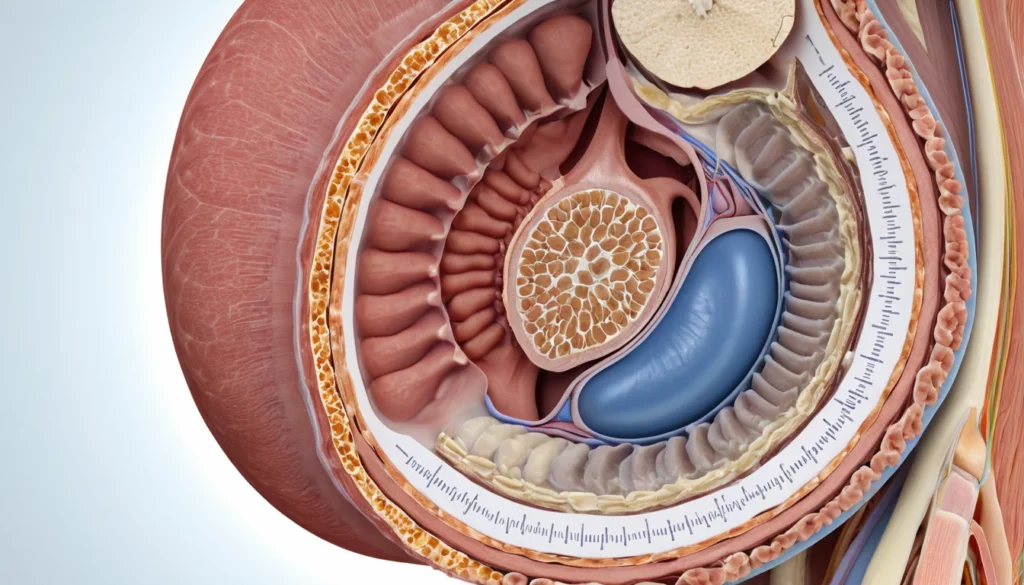
Orchitis is an inflammation of one or both testicles, usually caused by a bacterial or viral infection. It can be painful and may come on suddenly. Without proper treatment, orchitis can lead to serious complications, including fertility problems. This article explains what causes orchitis, what symptoms to watch for, and when to seek care from your family doctor or a walk-in clinic.
What Is Orchitis?
Orchitis happens when one or both testicles become inflamed. In most cases, an infection is to blame. The infection can travel to the testicle through the bloodstream from another part of the body.
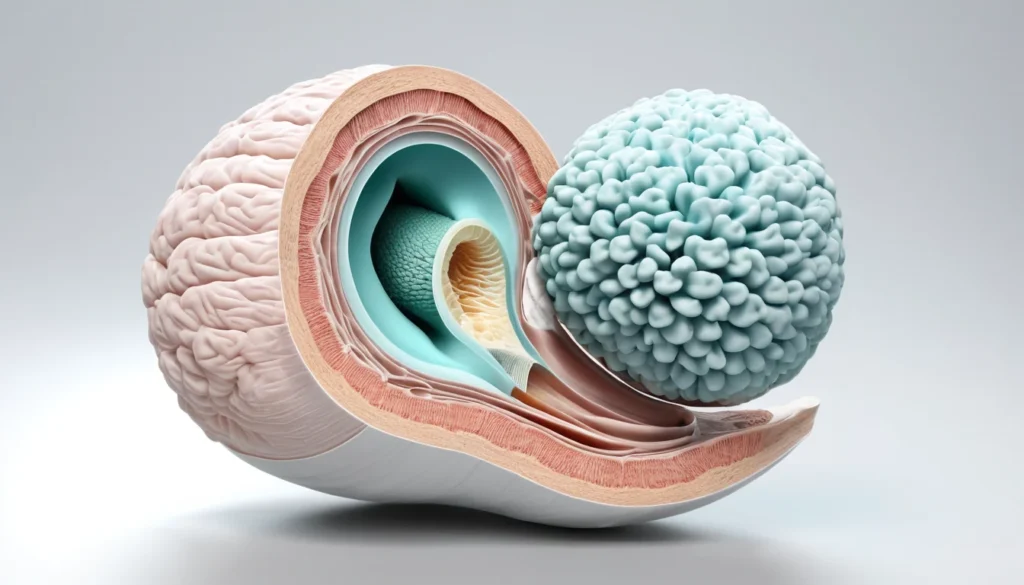
Sometimes, orchitis develops from an infection in the epididymis. The epididymis is a small tube at the back of each testicle that carries sperm. When both the epididymis and testicle are infected, doctors call this epididymo-orchitis. According to Mayo Clinic, epididymo-orchitis is more common than orchitis alone.
Common Causes of Orchitis
Orchitis has two main causes: bacterial infections and viral infections. Both types need medical attention, but the treatment approach differs.
Bacterial Orchitis
Bacteria are a frequent cause of orchitis. Common bacteria involved include Escherichia coli, Staphylococcus, and Streptococcus. These bacteria can also infect the prostate at the same time.
Sexually transmitted infections (STIs) are another important bacterial cause. Bacteria such as Neisseria gonorrhoeae (which causes gonorrhoea), Chlamydia trachomatis, and Treponema pallidum (which causes syphilis) can all lead to orchitis. This type is most common in sexually active men between the ages of 19 and 35.
Men at higher risk include those with multiple sexual partners, those whose partners have had an STI, or those with a personal history of STIs. Using a condom consistently helps lower this risk significantly.
Viral Orchitis
The mumps virus is the most well-known viral cause of orchitis. Mumps orchitis most often affects teenage boys. It rarely occurs in boys under 10 years of age.
Symptoms of orchitis typically begin four to six days after the mumps virus affects the parotid glands (the glands near the jaw that swell during mumps). About one in three males who get mumps will develop orchitis as a result. In some cases, this leads to testicular atrophy — where the testicle shrinks — and may affect fertility.
This is one important reason why vaccination against mumps matters. Canada’s routine immunization schedule includes the MMR vaccine (measles, mumps, rubella), which protects against the mumps virus. Health Canada recommends all children receive this vaccine as part of their provincial immunization programme.
Who Is at Risk?
Certain factors increase a man’s chance of developing orchitis. These include:
Not being vaccinated against mumps
Having a urinary tract infection (UTI)
Being over 45 years of age
Having a urinary catheter in place
Having multiple sexual partners
A history of sexually transmitted infections
High-risk sexual behaviour
However, orchitis can affect men of any age. Even men with no obvious risk factors can develop this condition.
Symptoms of Orchitis
Orchitis symptoms can appear suddenly. The pain can be sharp and uncomfortable from the start.
Common Symptoms
The most common symptom is pain in one or both testicles. The pain may spread up into the groin area. The affected testicle may feel swollen, heavy, or tender to the touch.
The skin of the scrotum may look red or purplish in colour. In some cases, blood may appear in the semen. Other symptoms can include:
Fever
Nausea and vomiting
Pain when urinating
Pain during bowel movements
Discomfort during sexual intercourse
A general feeling of being unwell
Symptoms of Epididymo-Orchitis
When both the epididymis and testicle are involved, symptoms may develop more slowly. Pain and swelling often start in one small area of the testicle. Over several days, the discomfort gradually spreads to the whole testicle.
Burning or pain during urination (called dysuria) is also common with epididymo-orchitis. If you notice these signs progressing over a few days, that is still a reason to seek care promptly.
When to See a Doctor
Any pain or swelling in the testicles should be checked by a medical professional. Do not wait and hope it goes away on its own. Most cases of bacterial orchitis need antibiotic treatment to heal properly.
You should see your family doctor or visit a walk-in clinic if you notice:
Redness, swelling, or pain in the scrotum or testicles
A lump or heaviness in one or both testicles
Discharge from the penis
Fever along with testicular pain
Pain that starts suddenly and is severe
Go to the nearest emergency department right away if the pain is sudden and severe. Sudden testicular pain can sometimes be a sign of testicular torsion, a medical emergency where the testicle twists and cuts off its own blood supply. It is important to rule this out quickly. Furthermore, if your symptoms are getting worse despite antibiotic treatment, visit an emergency department the same day.
Most provincial health plans in Canada cover the cost of seeing a family doctor or visiting a walk-in clinic for this type of concern. You do not need a referral to visit a walk-in clinic.
How Is Orchitis Diagnosed?
Your doctor will ask about your symptoms and medical history. They will also perform a physical examination. In addition, they may order several tests to confirm the diagnosis and rule out other conditions.
Diagnostic Tests
A testicular ultrasound is one of the most useful tests. It uses sound waves to create images of the testicle. This helps the doctor tell the difference between orchitis and testicular torsion, which requires urgent surgery.
Your doctor may also take a swab from the urethra (the tube through which you urinate). This swab helps identify the specific bacteria causing the infection. The procedure is quick and not highly invasive.
A rectal examination may be done to check for a prostate infection. This is important because if the prostate is also infected, a longer course of antibiotics is usually needed. Blood tests may also be ordered to check for HIV or syphilis if an STI is suspected. For more detail on diagnostic approaches, see this overview from Healthline on orchitis diagnosis and treatment.
Treatment for Orchitis
Treatment depends on what is causing the orchitis. Your doctor will guide you through the right plan based on your test results.
Antibiotic Treatment
Most cases of bacterial orchitis and all cases of epididymo-orchitis need antibiotics. A typical course lasts about 10 days. However, if the prostate is also infected, your doctor may prescribe a longer course of treatment.
In more serious cases — where a man has fever, vomiting, or feels very unwell — intravenous (IV) antibiotics given in hospital may be necessary. Most men, however, can be treated at home.
Managing Pain and Swelling at Home
Along with antibiotics, there are steps you can take at home to ease your discomfort. Your doctor may recommend:
Over-the-counter pain relievers such as ibuprofen, naproxen, or acetaminophen to reduce pain and inflammation
Ice packs applied to the affected area for 10 to 15 minutes at a time, several times a day during the first two days — always wrap the ice in a cloth first to protect the skin from frostbite
Scrotal support — wearing supportive underwear or using a rolled towel while lying down can help reduce discomfort
Rest — avoiding strenuous activity while healing
Mumps-Related Orchitis
Orchitis caused by the mumps virus does not respond to antibiotics. Treatment focuses on managing symptoms. Most men recover within one to three weeks. The at-home measures above — rest, ice, and pain relievers — help make recovery more comfortable.
Treating Sexual Partners
If orchitis is caused by an STI, it is very important that sexual partners are also tested and treated. Abstinence or condom use is recommended until both partners have completed treatment and no longer have symptoms. This helps prevent reinfection and protects your partner’s health.
Possible Complications of Orchitis
Most men recover fully from orchitis with proper treatment. However, in some cases, complications can occur. These include:
Testicular atrophy — the testicle shrinks in size, which can happen after severe mumps orchitis
Reduced fertility — in rare cases, orchitis can affect sperm production
Abscess formation — a collection of pus in the scrotum that may need surgical drainage
Chronic epididymitis — long-term inflammation that can cause ongoing discomfort
Therefore, getting treatment early is the best way to prevent these complications. Do not delay seeking care if you suspect orchitis.
Frequently Asked Questions About Orchitis
Can orchitis go away on its own without treatment?
Viral orchitis, such as that caused by mumps, may resolve on its own within one to three weeks with rest and symptom management. However, bacterial orchitis will not clear up without antibiotics. If you suspect orchitis, you should always see a doctor or visit a walk-in clinic to determine the cause and get the right treatment.
Is orchitis a sign of something serious?
Orchitis can be serious if left untreated. It may lead to testicular atrophy, reduced fertility, or the spread of infection. Sudden, severe testicular pain can also be a sign of testicular torsion, which is a medical emergency. Always get sudden or severe scrotal pain checked in an emergency department right away.
How long does orchitis last?
With antibiotic treatment, bacterial orchitis usually improves within a few days, though the full course of antibiotics (about 10 days) must be completed. Orchitis related to mumps typically resolves within one to three weeks. Swelling and discomfort may linger for several weeks even after the infection clears.
Can orchitis affect fertility?
In some cases, orchitis can affect fertility, particularly if it leads to testicular atrophy. This is most often a concern with mumps orchitis in adolescent boys and young men. However, most men who receive prompt and proper treatment for orchitis do not experience long-term fertility problems.
Is orchitis an STI?
Orchitis itself is not a sexually transmitted infection, but it can be caused by one. Bacteria responsible for gonorrhoea, chlamydia, and syphilis can all lead to orchitis in sexually active men. If an STI is the cause, both you and your sexual partner will need testing and treatment.
How can I prevent orchitis?
The best way to prevent viral orchitis is to make sure you are vaccinated against mumps through the MMR vaccine, which is part of Canada’s routine immunization programme. To reduce the risk of orchitis from STIs, use condoms consistently and get tested regularly if you have multiple partners. Treating urinary tract infections promptly also helps lower your risk.
Key Takeaways
Orchitis is an inflammation of one or both testicles, most often caused by a bacterial or viral infection.
The mumps virus and STI-causing bacteria (such as chlamydia and gonorrhoea) are the most common causes.
Symptoms include testicular pain and swelling, fever, and pain when urinating. These may appear suddenly or develop gradually.
Bacterial orchitis always requires antibiotic treatment. Most men can be treated at home over 10 days.
Sudden, severe testicular pain should be treated as a medical emergency — go to the nearest emergency department right away.
See your family doctor or visit a walk-in clinic if you notice any redness, swelling, or pain in the scrotum or testicles.
The MMR vaccine protects against mumps and is an important step in preventing orchitis.
If orchitis is caused by an STI, your sexual partner also needs to be tested and treated.
This article is for informational purposes only and is not a substitute for professional medical advice. Always consult your family doctor or a qualified healthcare provider if you have concerns about your health.