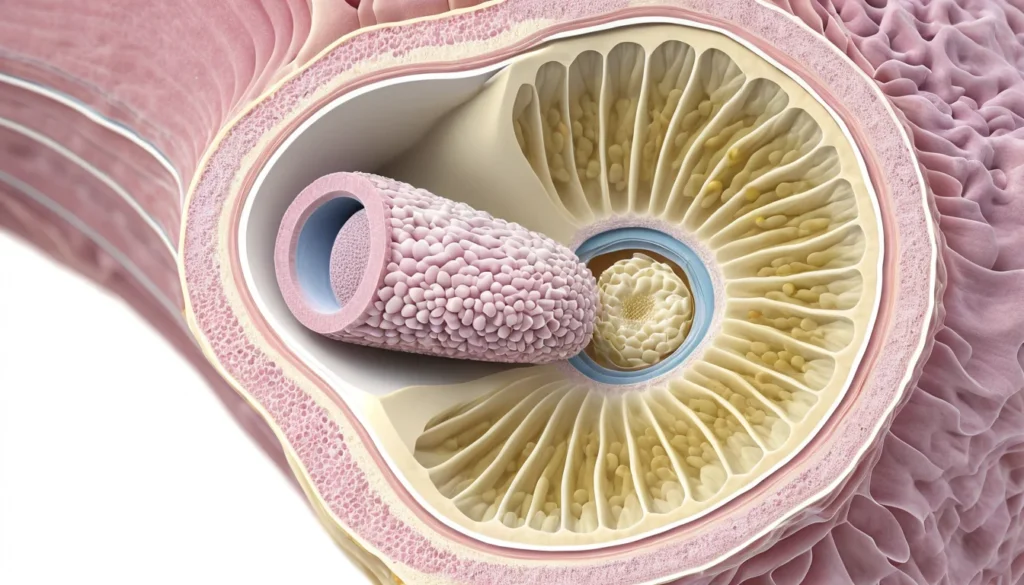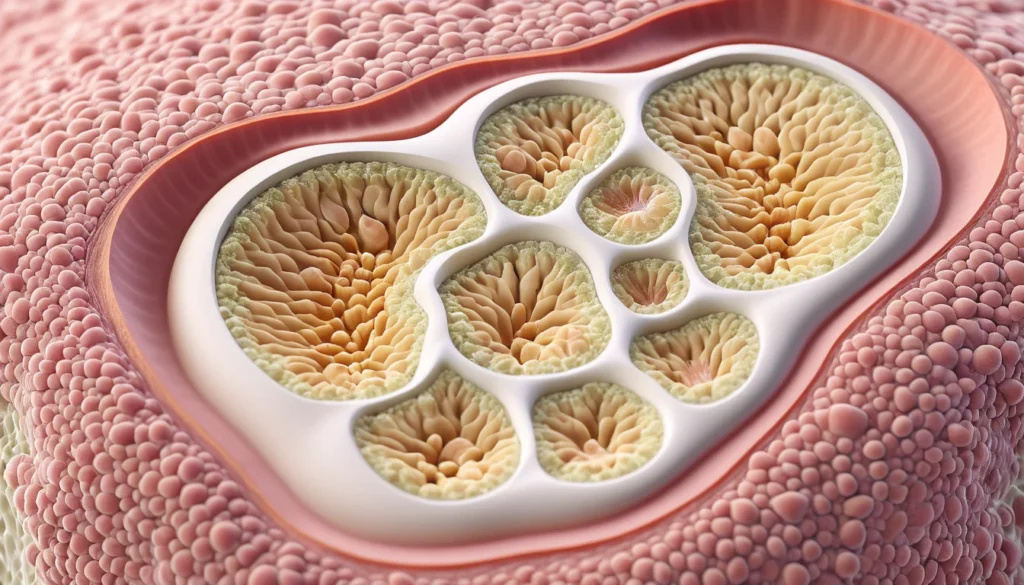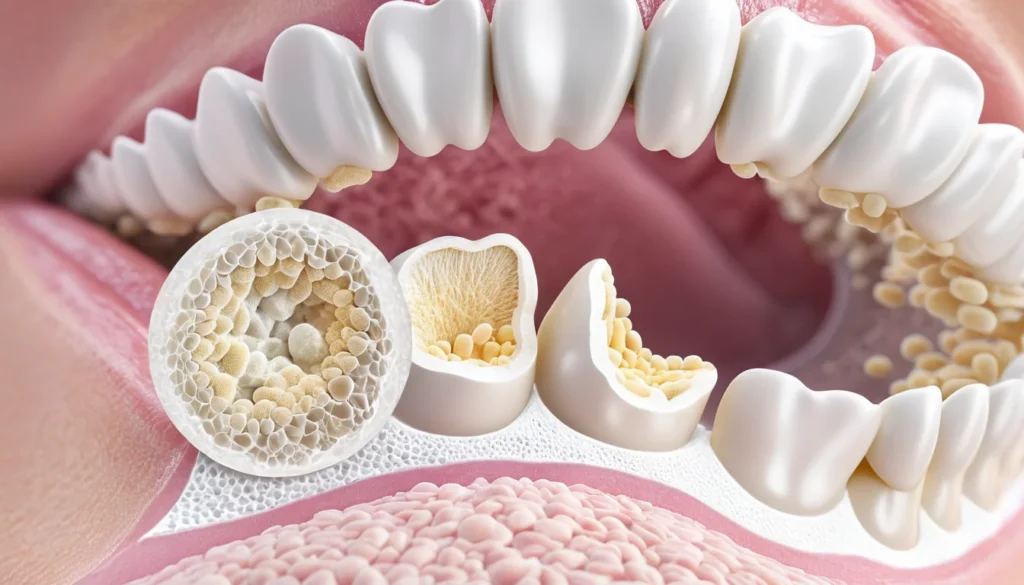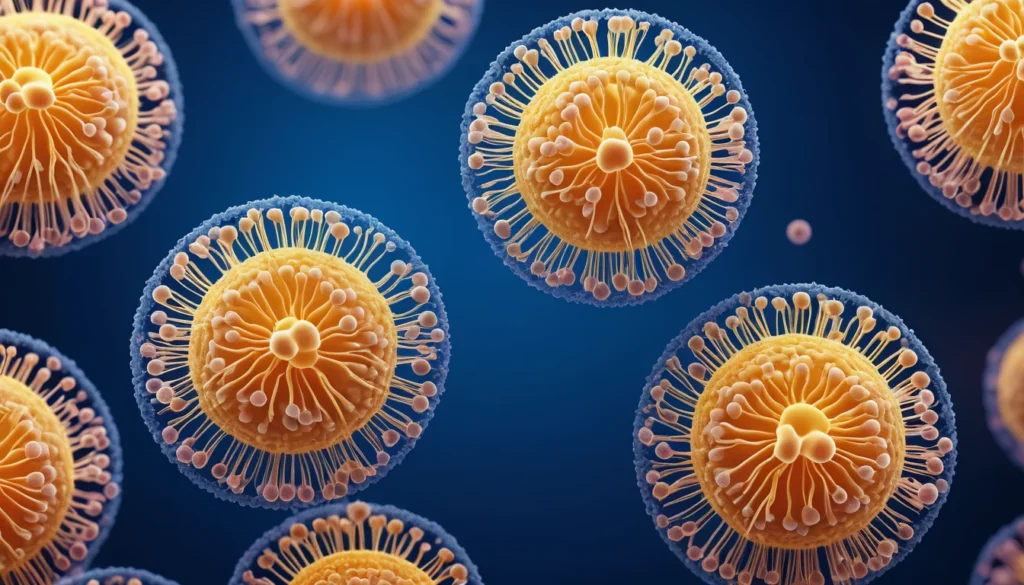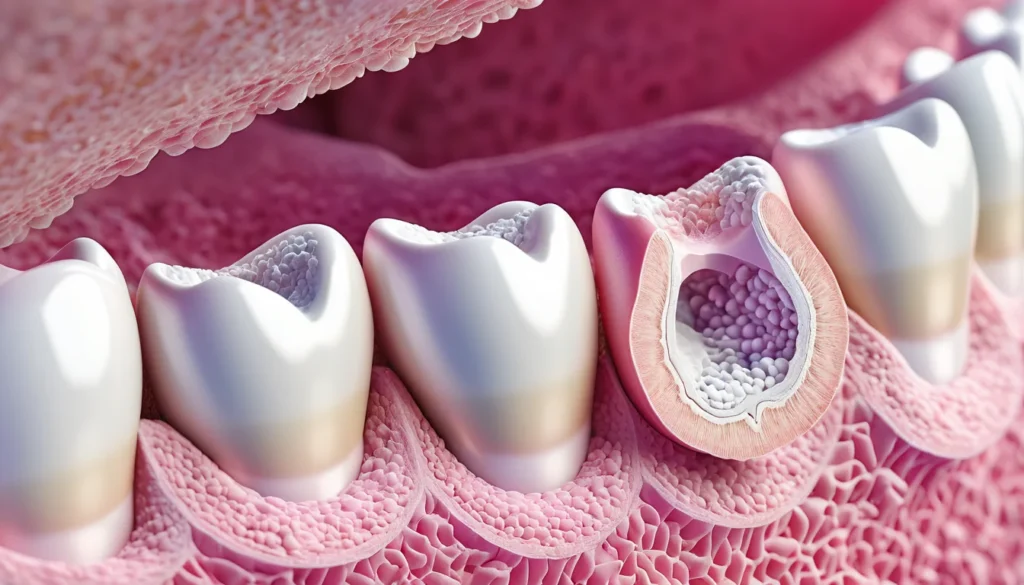
Oral thrush is a mouth infection caused by a fungus called Candida albicans. It creates creamy white sores on the tongue, inner cheeks, and sometimes the roof of the mouth. Oral thrush can affect anyone, but it is most common in babies, older adults, and people with weakened immune systems. In this article, you will learn what causes oral thrush, how to recognize its symptoms, and what treatments are available to Canadians.
What Is Oral Thrush?
Oral thrush — also called oral candidiasis — happens when the fungus Candida albicans grows out of control inside the mouth. Small amounts of this fungus normally live in your mouth without causing problems. However, when your immune system is weakened or the natural balance of bacteria in your body is disrupted, the fungus can multiply rapidly.
The result is a fungal infection that produces white, slightly raised patches in the mouth. These patches can look like cottage cheese. In healthy adults and children, oral thrush is usually a minor issue. However, for people with weakened immune systems, it can become a serious health concern. Learn more about oral thrush from the Mayo Clinic.
Symptoms of Oral Thrush
Symptoms of oral thrush can appear suddenly and may last for a long time if left untreated. In the early stages, you may not notice any signs at all. As the infection develops, symptoms become more obvious.
Symptoms in Children and Adults
The most common symptoms of oral thrush include:
Creamy white sores on the tongue, inner cheeks, gums, or tonsils
Soreness or pain inside the mouth
Light bleeding when the sores are rubbed or scraped
Cracking and redness at the corners of the mouth
A reduced sense of taste
A cottony or unpleasant feeling in the mouth
In severe cases, oral thrush can spread down into the throat and oesophagus. If this happens, you may feel like food is getting stuck in your throat. You may also have difficulty swallowing. This is a sign that the infection needs prompt medical attention.
Symptoms in Babies and Breastfeeding Mothers
Babies with oral thrush often show white patches inside their mouths. They may also become fussy, irritable, or have trouble feeding. Because the infection can pass between a baby and a breastfeeding mother, both may need treatment at the same time.
Mothers who have a candida infection on their nipples may notice:
Unusually red, sensitive, or itchy nipples
Shiny or flaky skin on or around the nipple
Sharp pain during breastfeeding
Shooting or stabbing pain deep in the breast between feeds
If you are breastfeeding and notice any of these signs, speak with your family doctor or a public health nurse as soon as possible.
Causes of Oral Thrush
Candida albicans normally lives in your mouth, digestive tract, and skin without causing harm. Your immune system and the healthy bacteria in your body keep it under control. However, certain situations allow the fungus to grow out of balance, leading to oral thrush.
Common causes include:
Antibiotics: These medicines kill harmful bacteria, but they also destroy the good bacteria that keep candida in check.
Corticosteroids: Inhaled steroids used for asthma or inhaled corticosteroid sprays can increase your risk.
Weakened immune system: Illnesses or medications that lower your immune defences make it easier for the fungus to grow.
Uncontrolled diabetes: High blood sugar levels create an environment where candida thrives.
Dry mouth (xerostomia): Saliva helps control fungal growth. A dry mouth removes this natural protection.
Furthermore, vaginal yeast infections during pregnancy can pass to a newborn during a vaginal birth. This is one reason why oral thrush is common in newborns. Healthline offers a detailed overview of oral thrush causes and risk factors.
Risk Factors for Oral Thrush
Oral thrush can affect anyone. However, some people face a higher risk than others. Understanding your personal risk factors can help you and your doctor take steps to prevent the infection.
You may be at higher risk if you:
Are a newborn or a young infant
Are an older adult, especially if you wear dentures
Have HIV/AIDS — repeated oral thrush can sometimes be an early sign of HIV infection
Are undergoing chemotherapy or radiation therapy for cancer
Have diabetes that is poorly controlled
Take antibiotics, oral corticosteroids, or inhaled steroids regularly
Have anaemia or another condition that weakens your immune system
Smoke cigarettes
Have chronic dry mouth
If several of these risk factors apply to you, talk to your family doctor about preventive strategies. Being proactive is the best way to reduce your chances of developing oral thrush.
Complications of Oral Thrush
In healthy people, oral thrush is rarely a serious problem. With proper treatment, most people recover fully. However, the infection can sometimes come back, even after successful treatment.
For people with a weakened immune system, oral thrush can lead to more serious complications. These include:
The infection spreading to the oesophagus, making eating painful and difficult
Candida spreading to the lungs, liver, or digestive tract — a condition called invasive candidiasis
Poor nutrient absorption if the infection spreads to the intestines
As a result, people who are immunocompromised — for example, those living with HIV/AIDS or receiving cancer treatment — need close monitoring. Their healthcare team should assess any signs of oral thrush promptly.
Diagnosing Oral Thrush
A doctor or dentist can usually diagnose oral thrush simply by looking at the inside of your mouth. The white patches and sores are often distinctive enough for a visual diagnosis. In some cases, your doctor may gently scrape a small sample from the affected area and send it to a lab to confirm the diagnosis.
If your doctor suspects the infection has spread to your oesophagus, additional tests may be needed. These can include a throat culture or an endoscopy, where a thin, flexible camera is used to look inside your oesophagus. Health Canada provides guidance on accessing diagnostic services across Canada.
Treatment for Oral Thrush
Treatment for oral thrush depends on your age, overall health, and the severity of the infection. Most cases respond well to antifungal medications. Your doctor will recommend the most appropriate option for your situation.
Common Treatment Options
Treatment options your doctor may recommend include:
Antifungal oral rinses: These are swished around the mouth and swallowed. Nystatin is a common example used in Canada.
Antifungal lozenges or tablets: These dissolve slowly in the mouth to deliver medication directly to the infected area.
Oral antifungal pills: For more severe cases or infections that have spread, your doctor may prescribe fluconazole or another oral antifungal medicine.
Treating the underlying cause: If diabetes, HIV, or another condition is contributing to the problem, managing that condition is a critical part of treatment.
Home Care Tips
In addition to prescribed medication, some simple habits can help your recovery:
Rinse your mouth with warm salt water several times a day
Practice good oral hygiene — brush gently twice a day and floss daily
If you use an inhaled corticosteroid, rinse your mouth thoroughly with water after each use
Eat unsweetened yogurt with live cultures to help restore healthy bacteria
Avoid sugary foods and drinks, which can encourage fungal growth
If you wear dentures, clean them thoroughly every day and remove them at night
Always follow the full course of medication your doctor prescribes, even if your symptoms improve quickly. Stopping treatment too early can allow the infection to return.
When to See a Doctor
If you notice white patches, soreness, or unusual changes inside your mouth, do not ignore them. Oral thrush is treatable, but it is important to get the right diagnosis before starting any treatment on your own.
You should contact your family doctor or visit a walk-in clinic if:
You have white or unusual patches in your mouth that do not go away within a week or two
You have pain or difficulty swallowing
Your baby is fussy, is not feeding well, and has white patches in their mouth
You are breastfeeding and have sore, cracked, or unusually red nipples
You have a condition that weakens your immune system and you develop mouth sores
Your symptoms return after treatment
Most provincial health plans in Canada cover visits to a family doctor or walk-in clinic for conditions like oral thrush. If you do not have a family doctor, a walk-in clinic or a provincial telehealth service can help you get assessed quickly. Early treatment leads to faster recovery and reduces the risk of complications.
Frequently Asked Questions About Oral Thrush
Is oral thrush contagious?
Oral thrush is not easily spread between healthy adults through casual contact. However, it can pass between a breastfeeding baby and mother. People with weakened immune systems should take extra care around others who have an active candida infection.
Can oral thrush go away on its own?
In some healthy adults, a mild case of oral thrush may clear up without treatment. However, in most cases — especially in babies, older adults, or people with health conditions — oral thrush requires antifungal medication to resolve. It is always best to see a doctor to get a proper assessment.
What does oral thrush look like?
Oral thrush typically appears as creamy white, slightly raised patches inside the mouth — on the tongue, inner cheeks, gums, or tonsils. The patches may look similar to cottage cheese. If you scrape them, they may bleed slightly and leave a red, sore area underneath.
How long does oral thrush last with treatment?
With proper antifungal treatment, oral thrush usually clears up within one to two weeks. However, it can take longer if you have an underlying health condition that weakens your immune system. It is important to complete the full course of treatment your doctor prescribes to prevent the infection from coming back.
Can using an inhaler cause oral thrush?
Yes. Inhaled corticosteroids — commonly used to manage asthma — can increase the risk of developing oral thrush. The medication can settle in the mouth and throat, creating conditions where candida can grow. To reduce this risk, always rinse your mouth thoroughly with water after using your inhaler.
Is oral thrush a sign of a serious illness?
In healthy people, oral thrush is usually a minor infection. However, frequent or recurring oral thrush can sometimes be an early sign of a weakened immune system, uncontrolled diabetes, or — in some cases — HIV infection. If you keep getting oral thrush without an obvious cause, speak with your family doctor for further investigation.
Key Takeaways
Oral thrush is a fungal infection of the mouth caused by Candida albicans.
It causes creamy white sores on the tongue, cheeks, gums, and sometimes the throat.
Babies, older adults, people who wear dentures, and those with weakened immune systems face the highest risk.
Common triggers include antibiotics, inhaled steroids, uncontrolled diabetes, and a compromised immune system.
Most cases are treated effectively with antifungal medication prescribed by a doctor.
Recurring oral thrush may be a sign of an underlying health condition and should be investigated by a healthcare provider.
If you notice white patches or soreness in your mouth, visit your family doctor or a walk-in clinic. Do not self-diagnose or self-treat without professional guidance.
This article is for general information only and does not replace professional medical advice. Always speak with your family doctor, a walk-in clinic physician, or another qualified healthcare provider before starting any treatment.