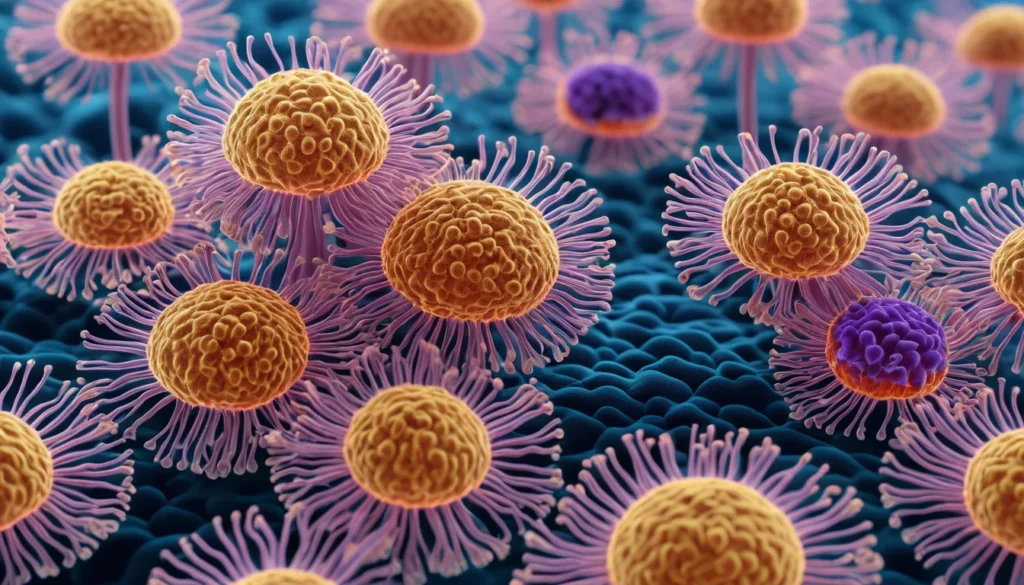
Oral thrush is a fungal infection inside the mouth caused by an overgrowth of Candida albicans. This organism normally lives in your mouth in small, harmless amounts. However, certain conditions can cause it to grow out of control. In this article, you will learn the symptoms, causes, risk factors, and treatment options for oral thrush — including what to do if you or your baby develops it.
What Is Oral Thrush?
Oral thrush, also called oral candidiasis, happens when the fungus Candida albicans multiplies too quickly inside your mouth. Your immune system normally keeps this fungus in balance with other microorganisms like bacteria. When that balance breaks down, an infection can develop.
For most healthy adults and children, oral thrush is not a serious condition. It is treatable and manageable. However, it can cause real discomfort, and in infants it can make feeding very difficult if left untreated.
According to Health Canada, fungal infections like oral thrush are more common in people with weakened immune systems, very young children, and older adults.
Symptoms of Oral Thrush
Symptoms in Children and Adults
At first, oral thrush symptoms can be hard to notice. They may develop suddenly or come on gradually. Symptoms can also last a long time if left untreated.
Common signs of oral thrush include:
Creamy white patches or lesions on the tongue, inner cheeks, roof of the mouth, gums, or tonsils
Lesions that look like cottage cheese
Soreness or pain in the mouth
Slight bleeding when lesions are rubbed or scraped
Redness and cracking at the corners of the mouth, especially in people who wear dentures
A cottony or coated feeling in the mouth
Loss of taste
In severe cases, lesions can spread to the throat and esophagus. This is called esophageal candidiasis. If this happens, you may have trouble swallowing or feel like food is stuck in your throat.
Symptoms in Babies and Breastfeeding Mothers
Babies with oral thrush may have the white patches described above. In addition, they may have trouble feeding and appear fussy or irritable. This can be stressful for both baby and parent.
Babies can pass the infection to their mothers during breastfeeding. The mother can then pass it back to the baby through nursing. This back-and-forth cycle makes treatment of both mother and baby important.
Mothers with a breast infection caused by Candida albicans may notice:
Unusually red, sensitive, or itchy nipples
Shiny skin around the areola
Unusual pain during breastfeeding or sore nipples between feeds
What Causes Oral Thrush?
Candida albicans lives naturally in the mouth, gut, and other parts of the body. Your immune system keeps it in check. However, certain conditions and medications can upset this balance and allow the fungus to grow out of control.
Common causes of oral thrush include:
HIV/AIDS: This condition weakens the cells that fight infection. Repeated episodes of oral thrush can sometimes be one of the first signs of an HIV infection.
Cancer and cancer treatment: Both the disease itself and treatments like chemotherapy or radiation can weaken your immune system. As a result, your body becomes more vulnerable to infections like oral thrush.
Uncontrolled diabetes: When blood sugar is poorly managed, saliva can contain high levels of sugar. This creates an environment where Candida albicans thrives.
Vaginal yeast infections: These are caused by the same fungus that causes oral thrush. Furthermore, the infection can be passed from mother to baby during vaginal birth.
For a deeper look at how fungal infections develop, visit the Mayo Clinic’s oral thrush overview.
Risk Factors for Oral Thrush
Anyone can develop oral thrush. However, some people face a higher risk than others. Understanding your risk can help you take steps to prevent infection.
Risk factors include:
Being a newborn or infant
Having a weakened immune system
Wearing dentures
Having diabetes, anaemia, or dry mouth (xerostomia)
Taking antibiotics or oral and inhaled corticosteroids
Undergoing chemotherapy or radiation therapy for cancer
Smoking
Antibiotics are a very common trigger. They kill harmful bacteria, but they also kill the good bacteria that help keep Candida albicans in check. Therefore, oral thrush sometimes develops shortly after a course of antibiotics.
Complications of Oral Thrush
For healthy adults and children, oral thrush rarely leads to serious problems. It can return after treatment, but it generally responds well to medication.
However, for people with weakened immune systems, complications can be severe. These may include:
The infection spreading to other parts of the body, including the digestive tract, lungs, and liver
Severe mouth and throat symptoms that make eating and swallowing painful
Spread to the intestines, which can affect how well your body absorbs nutrients
In rare cases, a widespread Candida infection in people with serious immune system conditions can become life-threatening. This is why recurring oral thrush should never be ignored.
Home Care and Lifestyle Tips
Good daily habits can help prevent oral thrush or reduce its severity. These tips are easy to follow and can make a real difference.
Oral Hygiene
Brush your teeth at least twice a day and floss once daily. Replace your toothbrush regularly — especially while you have an active infection. An electric toothbrush can make brushing easier and more effective.
Avoid mouthwashes or sprays that contain alcohol, as these can dry out your mouth and disturb the natural balance of bacteria. Rinsing your mouth with warm salt water is a gentler alternative.
Diet and Lifestyle
Reducing your sugar intake can help limit the growth of Candida albicans. Eating unsweetened yoghurt that contains live cultures may help restore healthy bacteria in your mouth and gut.
If you use an inhaled corticosteroid for asthma or another condition, rinse your mouth with water after each use. This removes any steroid residue that could encourage fungal growth.
If you wear dentures, clean them thoroughly every day. Remove them at night and soak them in a denture-cleaning solution. Poorly fitted or unclean dentures are a known risk factor for oral thrush.
For more information on managing fungal conditions, the Healthline guide to oral thrush offers helpful, evidence-based tips.
When to See a Doctor
If you think you or your child has oral thrush, it is a good idea to see a healthcare provider. Your family doctor or a walk-in clinic can assess the infection and recommend the right treatment, which is usually an antifungal medication.
You should seek medical attention promptly if:
You have oral thrush and a weakened immune system (for example, due to HIV, cancer, or diabetes)
Your symptoms do not improve within a week or two of home care
You have recurring episodes of oral thrush with no clear cause
Your infant is struggling to feed due to oral thrush
You have difficulty swallowing or feel like food is getting stuck in your throat
Recurring infections without an obvious reason — such as recent antibiotic use — can sometimes signal an underlying condition. Therefore, it is important to speak with a doctor rather than self-treating repeatedly. Many provincial health plans cover visits to your family doctor or a walk-in clinic for this type of concern.
Always consult your doctor or a qualified healthcare provider before starting any treatment, especially for infants or if you have an existing medical condition.
Frequently Asked Questions About Oral Thrush
What does oral thrush look like?
Oral thrush typically appears as creamy white patches inside the mouth — on the tongue, inner cheeks, or roof of the mouth. These patches can look like cottage cheese and may bleed slightly if you scrape them. Some people also experience redness, soreness, and a cottony feeling in the mouth.
Is oral thrush contagious?
Oral thrush is not generally considered contagious between healthy adults with normal immune systems. However, it can be passed between a breastfeeding mother and her baby. Mothers and babies should be treated at the same time to prevent passing the infection back and forth.
How is oral thrush treated?
Oral thrush is usually treated with antifungal medications prescribed by a doctor. These may come as a liquid to swish and swallow, lozenges, or tablets. For healthy people, treatment typically clears up oral thrush within one to two weeks.
Can antibiotics cause oral thrush?
Yes, antibiotics are one of the most common triggers of oral thrush. They kill harmful bacteria but also destroy the good bacteria that keep Candida albicans in check. If you develop oral thrush after taking antibiotics, speak with your family doctor about antifungal treatment options.
Can oral thrush go away on its own?
In very mild cases, oral thrush may clear up on its own in healthy adults. However, it often requires antifungal treatment to fully resolve. If symptoms persist for more than a week or two, or if they keep coming back, it is important to see a doctor.
Is oral thrush a sign of a serious illness?
For most healthy people, oral thrush is not a sign of anything serious. However, recurring oral thrush can sometimes be an early sign of an underlying condition such as HIV or undiagnosed diabetes. If you experience frequent or unexplained episodes of oral thrush, see your doctor for a full assessment.
Key Takeaways
Oral thrush is a fungal infection caused by an overgrowth of Candida albicans in the mouth.
It is common and treatable in healthy adults and children, but can be more serious in people with weakened immune systems.
Common symptoms include creamy white patches, mouth soreness, and loss of taste.
Babies can pass the infection to breastfeeding mothers, and vice versa — both should be treated at the same time.
Risk factors include antibiotic use, diabetes, wearing dentures, smoking, and immune system conditions like HIV.
Good oral hygiene, a low-sugar diet, and proper denture care can all help prevent oral thrush.
If symptoms persist, recur, or you have an underlying health condition, visit your family doctor or a walk-in clinic. Most provincial health plans cover these visits.
Always consult a healthcare professional before starting any treatment for oral thrush, especially for infants.