Your mouth is more powerful than you might think. Oral health and immunity are deeply connected — and the state of your teeth and gums can affect your heart, lungs, brain, and more. In fact, your mouth is home to over 700 types of bacteria, some helpful and some harmful. Keeping those bacteria in check is one of the most important things you can do for your overall health. This article explains how poor oral health can lead to serious illness, and what you can do to protect yourself.
How Oral Health and Immunity Are Connected
Your mouth is the entry point to both your digestive and respiratory systems. This makes it a critical gateway for bacteria and viruses that can affect your whole body. A strong immune system normally keeps harmful oral bacteria under control. However, when your oral hygiene slips, that balance breaks down quickly.
When harmful bacteria multiply in your mouth, your immune system works harder to fight them. Over time, this constant low-level inflammation can wear down your body’s defences. As a result, people with poor oral health are more vulnerable to a range of serious conditions — far beyond just a toothache.
According to the World Health Organization’s oral health fact sheet, oral diseases affect nearly 3.5 billion people worldwide and are among the most common non-communicable diseases. This is not a small problem — it is a global health crisis.
How Tooth Decay Develops — and Why It Spreads Fast
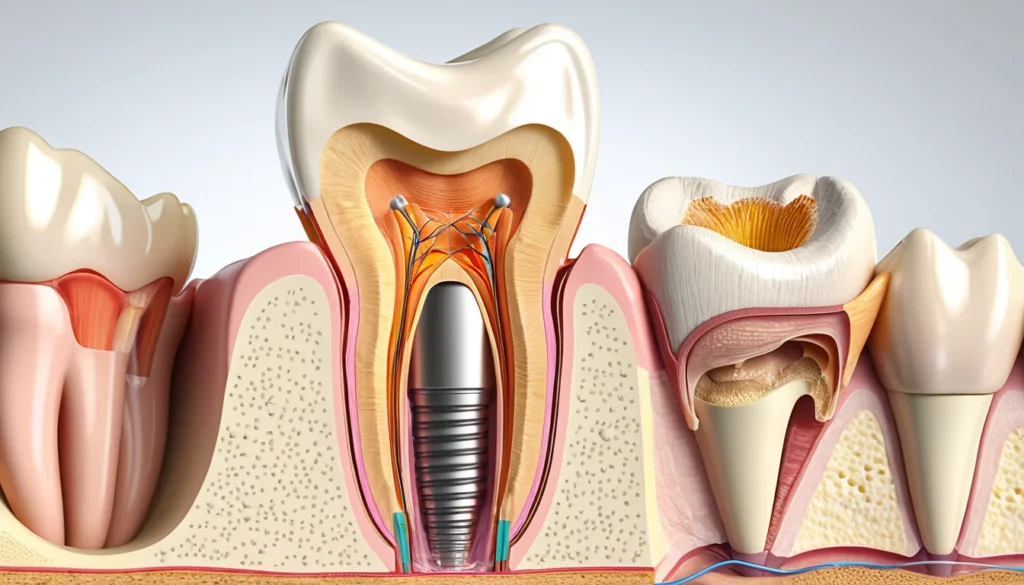
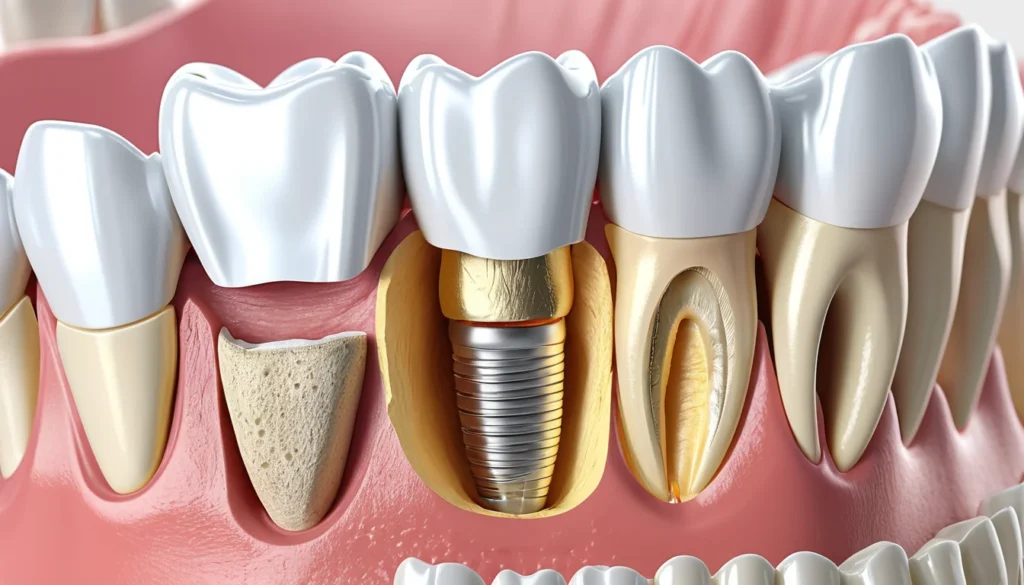
Tooth decay, also called a cavity or dental caries, starts when bacteria in your mouth feed on leftover food particles. These bacteria produce acids that slowly dissolve the hard outer layer of your tooth, known as tooth enamel. Once the enamel breaks down, the decay moves deeper into the tooth.
In children, cavities in baby teeth can progress very quickly. An untreated simple cavity can reach the inner pulp of the tooth — causing serious infection — in as little as two months. This is why early dental visits for children are so important.
A major study published in 2017 found that between 1990 and 2013, the number of people affected by tooth decay increased by 37% globally. Cases of severe gum disease, known as periodontitis, rose even more sharply — by 67%. These numbers show that oral disease is getting worse, not better.
What Happens When Cavities Go Untreated
Many Canadians put off dental visits because of cost or busy schedules. However, leaving a cavity untreated can have serious consequences. Beyond the pain and tooth loss, untreated decay allows bacteria to enter your bloodstream. This condition is called bacteraemia, and it can trigger both acute and chronic infections throughout your body.
Your body’s natural barriers usually stop oral bacteria from spreading. But when tooth decay or gum disease is severe, those barriers break down. From there, bacteria can travel to your heart, lungs, and brain — causing damage that goes far beyond your mouth.
Oral Health, Immunity, and Heart Disease
The link between oral health and heart disease is one of the most studied connections in modern medicine. Research now shows that not only gum disease, but also tooth decay — even in its early stages — is associated with a higher risk of coronary atherosclerosis. This is a condition where plaque builds up inside the arteries of the heart.
Coronary atherosclerosis can lead to heart attack, heart failure, and other serious cardiac events. The harmful bacteria from your mouth can enter the bloodstream and attach to artery walls, triggering inflammation. Over time, this inflammation contributes to the hardening and narrowing of arteries.
According to Mayo Clinic’s guide on oral health, people with gum disease are at a significantly higher risk of heart disease. For Canadians already managing high blood pressure or cholesterol, this connection is especially important to discuss with your family doctor.
Gum Disease, Cavities, and Brain Health
Research from the National Institute on Aging in the United States suggests that the bacteria responsible for gingivitis — a common form of gum disease — may also be linked to dementia and Alzheimer’s disease. This is a significant finding that has changed the way many health experts think about oral care.
When gums are inflamed and infected, they release harmful substances into the bloodstream. These substances can cross into the brain and destroy nerve cells. Over time, this damage may contribute to memory loss and cognitive decline.
Furthermore, a study found that moderate tooth loss increases the risk of laryngeal cancer by 45%. Severe tooth loss raises the overall risk of head and neck cancers by 54%. These are not small numbers — they highlight just how much oral health can influence immunity and long-term health outcomes.
Oral Bacteria and Respiratory Infections
Your lungs can also suffer when your oral health is poor. Bacteria living on the surface of decayed teeth can be inhaled directly into the lungs. This can lead to bacterial pneumonia, acute bronchitis, and chronic obstructive pulmonary disease (COPD).
For older Canadians or those with existing lung conditions, this risk is even greater. Improving your oral hygiene routine can meaningfully reduce the number of harmful bacteria available to reach your airways. It is a simple step with a significant payoff.
Oral Health During Pregnancy and Its Effects on Fertility
Pregnant Canadians need to pay especially close attention to their oral health. Hormonal changes during pregnancy make the gums more vulnerable to infection and inflammation. Any infection in the body during pregnancy can put both the mother and baby at risk.
Periodontitis and gingivitis have been linked to premature birth and low birth weight in newborns. In addition, poor oral health during pregnancy raises the risk of gestational diabetes and preeclampsia — both of which are serious complications.
Research also shows a connection between oral health and fertility in both women and men. In women, tooth decay and gum disease may affect how long it takes to conceive. In men, these conditions have been linked to reduced sperm quality. Taking care of your teeth and gums is therefore important not just for your own health, but also for your family’s future.
Diabetes and the Two-Way Relationship with Oral Health
People with diabetes are more likely to develop gum disease and cavities. However, the relationship works both ways. Research shows that people with untreated cavities and gingivitis have a harder time managing their blood sugar levels. This creates a dangerous cycle.
Poorly controlled blood sugar promotes the growth of harmful oral bacteria. At the same time, chronic oral infection makes insulin resistance worse. Therefore, treating dental problems can actually help Canadians better manage their diabetes — and may even help prevent it from developing in the first place.
When to See a Doctor or Dentist
If you have not seen a dentist in more than six months, it is time to book an appointment. Most provincial health plans in Canada cover some dental care for children, and many employers offer dental benefits for adults. If you are unsure about your coverage, your family doctor can point you toward local resources.
You should see a dentist promptly if you notice any of the following:
Tooth pain or sensitivity to hot, cold, or sweet foods
Red, swollen, or bleeding gums
Persistent bad breath that does not improve with brushing
Loose teeth or visible holes in your teeth
White or red patches inside your mouth
If you do not have a regular dentist, a walk-in dental clinic can provide an initial assessment. Your family doctor can also help identify whether oral symptoms may be connected to a broader health concern, such as diabetes or heart disease. Do not wait for pain to become severe before seeking care — early treatment is almost always simpler and less costly.
As always, speak with your healthcare provider before making any changes to your health routine. The information in this article is for general educational purposes and does not replace professional medical or dental advice.
Frequently Asked Questions
How does oral health affect the immune system?
The connection between oral health and immunity is well established. Harmful bacteria in the mouth can enter the bloodstream and trigger chronic inflammation, which weakens the immune system over time. Keeping your teeth and gums healthy reduces the burden on your body’s defences.
Can cavities cause health problems beyond the mouth?
Yes — untreated cavities allow bacteria to enter the bloodstream, a condition called bacteraemia. This has been linked to heart disease, respiratory infections, and even dementia. Treating tooth decay early is one of the best ways to protect your overall health.
Is gum disease linked to heart disease?
Research strongly suggests that gum disease increases the risk of coronary artery disease and heart attack. Bacteria from infected gums can travel through the bloodstream and attach to artery walls, causing inflammation and plaque build-up. Good oral hygiene is therefore an important part of heart health.
How often should Canadians visit the dentist?
Most dental professionals recommend a check-up and cleaning at least twice a year. Some Canadians with gum disease or a history of cavities may need to go more often. Check your provincial health plan or employer benefits to understand what dental coverage you have access to.
Can poor oral health affect pregnancy?
Yes — gum disease and untreated cavities during pregnancy have been linked to premature birth, low birth weight, and gestational diabetes. Hormonal changes during pregnancy make the gums more vulnerable to infection. Pregnant Canadians should prioritise dental check-ups as part of their prenatal care.
What is the connection between oral health and diabetes?
The relationship between oral health and diabetes runs in both directions. People with diabetes are more prone to gum disease and cavities, while untreated oral infections make blood sugar harder to control. Managing your oral health and immunity together can help improve diabetes outcomes.
Key Takeaways
Your mouth contains over 700 types of bacteria — keeping harmful ones in check is essential for your whole body.
Oral health and immunity are closely linked; chronic oral infections can weaken your immune defences over time.
Untreated cavities and gum disease are associated with heart disease, dementia, respiratory infections, diabetes complications, and pregnancy risks.
Tooth decay in children can progress to a serious infection in as few as two months — early treatment matters.
Canadians should visit a dentist at least twice a year; check your provincial health plan or employer benefits for coverage details.
If you do not have a regular dentist, a walk-in dental clinic or your family doctor can help you get started.
Good oral hygiene — brushing twice daily, flossing, and regular dental visits — is one of the most affordable ways to protect your long-term health.
For more information on maintaining good oral health, visit Health Canada’s guidance on oral health and fluoride.