Optic neuropathy is a condition that damages the optic nerve — the nerve responsible for carrying visual information from your eye to your brain. It can affect one or both eyes and may cause partial or complete vision loss. This guide explains what optic neuropathy is, what causes it, how it is diagnosed, and what you can do about it. As always, speak with your family doctor or a qualified healthcare provider for advice specific to your situation.
What Is Optic Neuropathy?
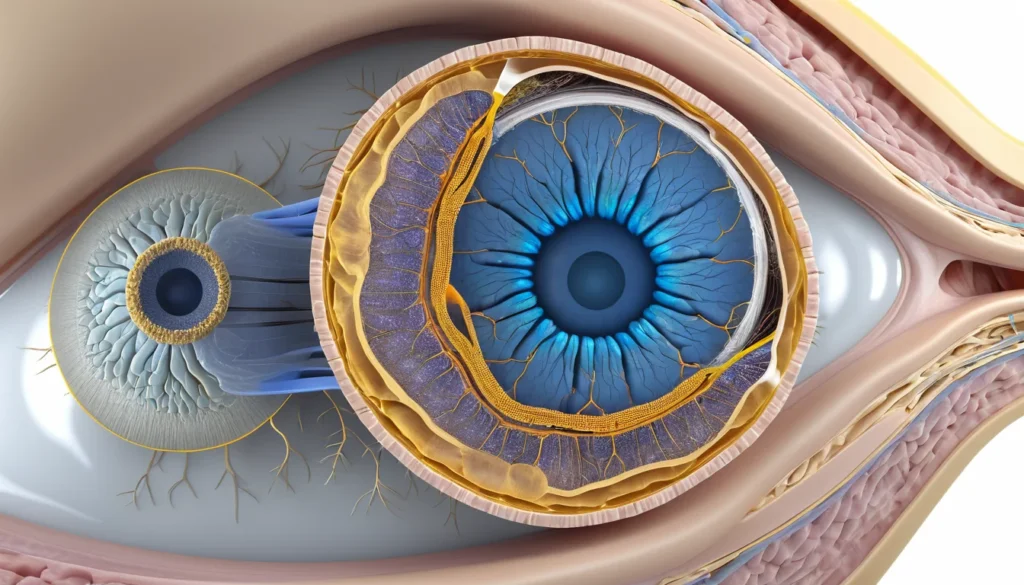
The optic nerve acts like a cable connecting your eye to your brain. When this nerve is damaged or inflamed, the signal between your eye and brain breaks down. As a result, your vision becomes affected — sometimes in small areas, sometimes more broadly.
Optic neuropathy is not a single disease. It is an umbrella term for several conditions that all share one thing in common: damage to the optic nerve. It is sometimes called optic neuritis, particularly when inflammation is the main cause.
This condition can affect people of any age, but certain causes are more common in specific age groups. For example, inflammation-related optic neuropathy is more common in younger adults, while vascular causes are more common in older Canadians.
Common Causes of Optic Neuropathy
Many different health problems can lead to optic neuropathy. Understanding the cause helps doctors choose the right treatment. Here are the most common causes.
Vascular (Blood Flow) Problems
One of the leading causes of optic neuropathy is poor blood flow to the optic nerve. Conditions like atherosclerosis — the hardening and narrowing of arteries — can reduce the blood supply that keeps the optic nerve healthy. Without enough blood flow, nerve cells begin to die.
High blood pressure and diabetes are also linked to vascular optic neuropathy. These conditions damage small blood vessels throughout the body, including those that feed the optic nerve. Managing these conditions with your doctor is an important part of protecting your vision.
Inflammation
Inflammatory optic neuropathy happens when the immune system attacks the optic nerve. This can occur on its own or as part of a larger condition. For example, uveomeningitis — a condition that involves both eye inflammation and inflammation of the membranes around the brain — can cause this type of damage.
Inflammation-related optic neuropathy is often associated with autoimmune diseases. It can come on suddenly and may cause significant vision changes in a short period of time.
Multiple Sclerosis
In Canada, multiple sclerosis (MS) is one of the most well-known causes of optic neuritis. Canada has one of the highest rates of MS in the world. In MS, the immune system attacks the protective coating around nerve fibres, including those in the optic nerve.
For many people, an episode of optic neuritis is actually the first sign that MS is present. Therefore, a new diagnosis of optic neuropathy often prompts doctors to investigate further for MS. You can learn more from the Mayo Clinic’s guide on optic neuritis.
Autoimmune and Systemic Diseases
Several systemic diseases — conditions that affect the whole body — can also cause optic neuropathy. Lupus (systemic lupus erythematosus) is one example. In lupus, widespread inflammation can affect the optic nerve along with many other organs.
Other autoimmune conditions, such as sarcoidosis, may also be involved. If you have an autoimmune condition, your doctor should monitor your vision as part of your overall care plan.
Toxic and Nutritional Causes
Certain substances can poison or damage the optic nerve over time. Alcohol and tobacco are among the most common culprits. Long-term heavy use of either can slowly damage the optic nerve, leading to gradual vision loss.
Some medications can also cause toxic optic neuropathy. Anti-tuberculosis drugs, for example, are a known risk. In addition, exposure to industrial chemicals in the workplace may be a factor for some Canadians. If you are concerned about a medication or workplace exposure, speak with your pharmacist or doctor.
Nutritional deficiencies — particularly vitamin B12 deficiency — can also harm the optic nerve. This is sometimes seen in people with restricted diets or absorption problems.
Trauma
Physical injury to the eye or head can directly damage the optic nerve. This is known as traumatic optic neuropathy. It can occur after car accidents, sports injuries, or falls. In some cases, vision loss from trauma may be permanent, depending on the severity of the damage.
Recognising the Symptoms of Optic Neuropathy
The symptoms of optic neuropathy can vary depending on the cause and how much of the nerve is affected. However, some warning signs are common across most types.
Scotoma: The Most Telling Sign
The hallmark symptom of optic neuropathy is a scotoma — a blind spot or area of reduced vision within your visual field. You may notice that a small area of your vision looks dim, blurry, or missing entirely. This can happen in the centre of your vision or off to the side.
A scotoma does not always cause complete blackness. Some people describe it as a fuzzy or washed-out patch in their sight. It may be easy to overlook at first, especially if only one eye is affected, since the other eye often compensates.
Other Vision Changes
Beyond a scotoma, optic neuropathy may also cause:
Blurred or dim vision overall
Loss of colour vision, particularly difficulty seeing reds and greens clearly
Pain behind the eye, especially when moving the eye (common with optic neuritis)
Sudden or gradual vision loss in one or both eyes
Reduced contrast sensitivity — difficulty distinguishing between shades
These symptoms should never be ignored. Vision changes that appear suddenly require prompt medical attention. Furthermore, even gradual changes are worth discussing with your doctor at your next visit.
How Is Optic Neuropathy Diagnosed?
Diagnosing optic neuropathy involves a thorough eye examination and, in many cases, additional tests. Your family doctor may refer you to an ophthalmologist (eye specialist) or a neurologist (nerve specialist) depending on the suspected cause.
Eye Examination
A standard eye exam can reveal changes in the appearance of the optic nerve. Your doctor will likely look at the optic disc — the point where the optic nerve enters the back of the eye. Swelling, pallor, or other changes may point to optic neuropathy.
Visual field testing is also key. This test maps out exactly where your vision is reduced, helping to identify and track scotomas over time.
Imaging and Lab Tests
In many cases, your doctor will order an MRI scan to look at the optic nerve and the brain. This is especially important if MS or another neurological condition is suspected. Blood tests may also be ordered to check for autoimmune markers, infections, or nutritional deficiencies.
The Health Canada website offers general guidance on navigating specialist referrals through provincial health plans across Canada.
Treatment Options for Optic Neuropathy
Treatment depends entirely on the underlying cause. There is no single cure for optic neuropathy, but many causes are treatable — and early treatment often leads to better outcomes.
Treating the Underlying Cause
If the cause is inflammatory, doctors may prescribe corticosteroids to reduce swelling and speed up recovery. For MS-related optic neuritis, disease-modifying therapies may help prevent future episodes.
If the cause is vascular, managing blood pressure, blood sugar (for diabetes), and cholesterol becomes the priority. Lifestyle changes, including quitting smoking and reducing alcohol intake, are also strongly recommended.
When a medication is causing the problem, your doctor may adjust your prescription. Stopping or replacing the offending drug can sometimes allow the optic nerve to recover partially or fully.
Nutritional Support
If a nutritional deficiency is identified, supplementation can help. For example, vitamin B12 injections or supplements are used when deficiency is confirmed. Your doctor will guide you on the right type and dose for your situation.
Low Vision Support
In cases where vision loss is permanent, low vision rehabilitation services can help. These programmes teach people how to adapt and make the most of their remaining sight. Many provinces in Canada offer low vision clinics through the public health system or through referral from your ophthalmologist.
For more detailed medical information on optic nerve conditions, the Healthline overview of optic neuropathy provides a thorough and well-sourced breakdown.
When to See a Doctor
You should see a doctor as soon as possible if you notice any sudden changes to your vision. Do not wait to see if things improve on their own. Vision loss or a new blind spot can be a sign of a serious underlying condition that needs prompt attention.
If your regular family doctor is not immediately available, a walk-in clinic is a good option for an initial assessment. The doctor there can refer you to an ophthalmologist or neurologist if needed. Most provincial health plans in Canada cover specialist referrals when they are medically necessary.
For ongoing symptoms — such as gradual vision changes, recurring pain behind the eye, or a known autoimmune condition — make sure optic neuropathy is part of your regular health conversation with your doctor. Early detection makes a real difference in outcomes.
Frequently Asked Questions About Optic Neuropathy
What is the difference between optic neuropathy and optic neuritis?
Optic neuropathy is a broad term for any damage to the optic nerve, regardless of the cause. Optic neuritis is a specific type of optic neuropathy caused by inflammation of the optic nerve. Optic neuritis is often linked to multiple sclerosis and tends to cause pain with eye movement alongside vision changes.
Can optic neuropathy be reversed or cured?
Whether optic neuropathy can be reversed depends on the cause and how quickly treatment begins. Some types — such as those caused by inflammation or nutritional deficiency — may improve significantly with proper treatment. However, if the optic nerve has been severely damaged, some vision loss may be permanent.
Is optic neuropathy a sign of multiple sclerosis?
Optic neuritis — an inflammatory form of optic neuropathy — is sometimes the first symptom of multiple sclerosis. Canada has one of the highest rates of MS in the world, so doctors here are well-trained to investigate this connection. If you are diagnosed with optic neuropathy, your doctor may order an MRI to check for MS.
What does a scotoma look like in optic neuropathy?
A scotoma caused by optic neuropathy typically appears as a dark, dim, or blurry patch within your field of vision. It may appear in the centre or toward the edges of what you can see. Some people describe it as a washed-out or foggy spot rather than a complete blackout.
Can alcohol or smoking cause optic neuropathy?
Yes, long-term heavy use of alcohol or tobacco can cause toxic optic neuropathy. Both substances can gradually damage the optic nerve, leading to slow but progressive vision loss. Reducing or stopping these habits is an important step in protecting your optic nerve health.
How is optic neuropathy treated in Canada?
Treatment for optic neuropathy in Canada depends on the underlying cause and is managed through referrals from your family doctor to specialists such as ophthalmologists or neurologists. Most provincial health plans cover these referrals when they are medically necessary. Treatment may include corticosteroids, lifestyle changes, medication adjustments, or nutritional supplements.
Key Takeaways
Optic neuropathy is damage to the optic nerve, which connects the eye to the brain.
Causes include vascular problems, inflammation, multiple sclerosis, autoimmune diseases, toxic substances, and trauma.
The most common symptom is a scotoma — a blind spot or area of reduced vision.
Other symptoms include blurred vision, colour vision loss, and eye pain.
Diagnosis involves an eye exam, visual field testing, MRI, and blood tests.
Treatment depends on the cause — early action leads to better results.
If you notice sudden vision changes, visit your family doctor or walk-in clinic right away.
Most specialist care for optic neuropathy is covered under provincial health plans in Canada.
Always consult a qualified healthcare provider for a diagnosis and treatment plan tailored to you.