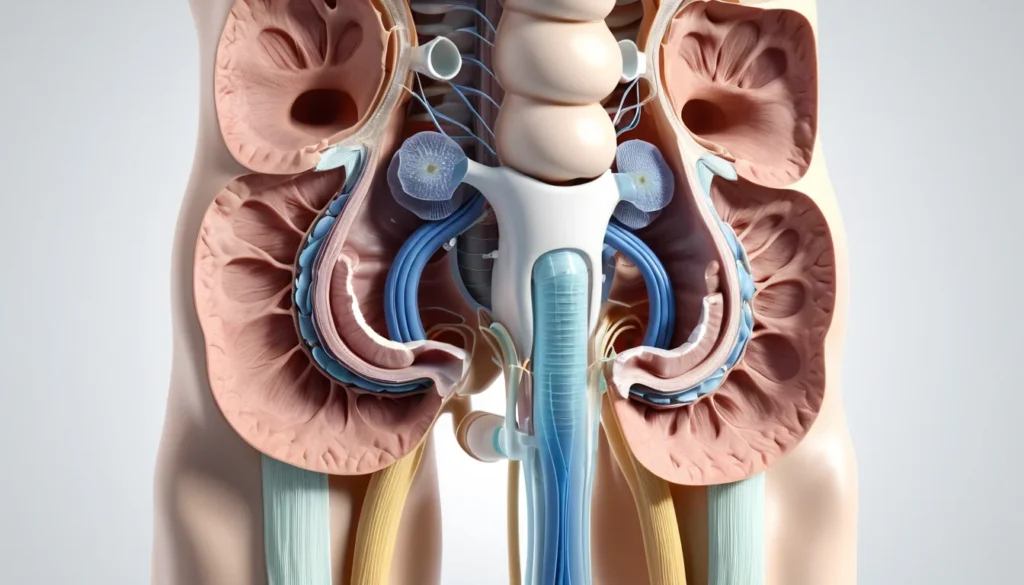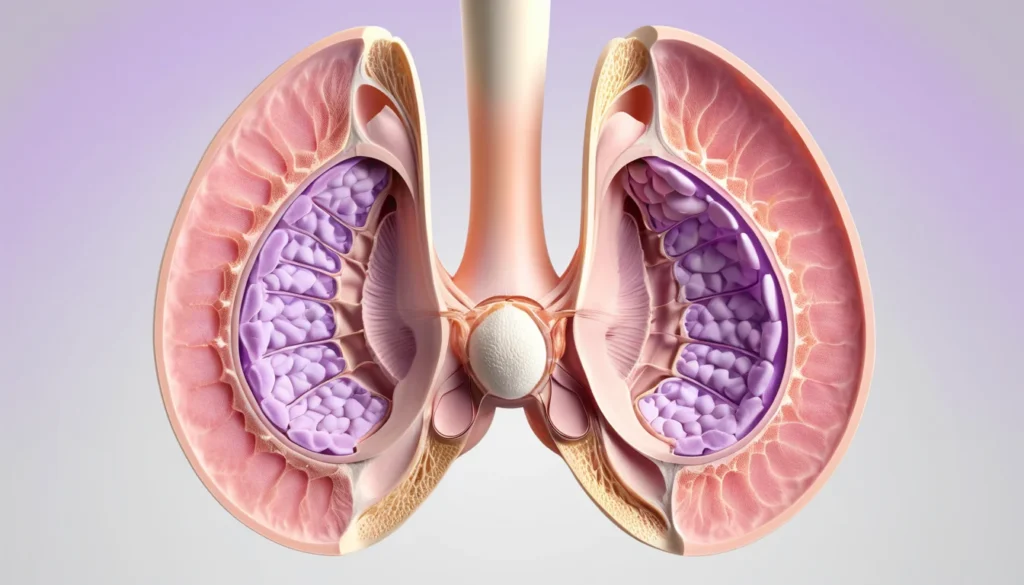
An oophorectomy is a surgical procedure to remove one or both ovaries. It is one of the most common gynaecological surgeries performed in Canada. Your ovaries are small, almond-shaped organs that sit on either side of your uterus. They produce eggs and the hormones that control your menstrual cycle. Understanding this procedure can help you have a more informed conversation with your family doctor or specialist.
What Is an Oophorectomy?
An oophorectomy removes one or both ovaries. When only one ovary is removed, it is called a unilateral oophorectomy. When both ovaries are removed, it is called a bilateral oophorectomy.
Surgeons often remove the fallopian tubes at the same time. This is because the tubes share a blood supply with the ovaries. When both the ovaries and fallopian tubes are removed together, the procedure is called a salpingo-oophorectomy.
In some cases, an oophorectomy is performed alongside a hysterectomy, which is the surgical removal of the uterus. Your surgeon will explain which combination of procedures is right for your situation. You can also learn more from the Mayo Clinic’s overview of oophorectomy.
Why Would You Need an Oophorectomy?
There are several medical reasons why a doctor may recommend an oophorectomy. The goal is always to protect your overall health and wellbeing.
Common Medical Reasons
Ovarian cancer: To remove cancerous tissue and stop the spread of disease.
Endometriosis: A condition where tissue similar to the uterine lining grows outside the uterus, causing pain.
Ovarian cysts: Non-cancerous (benign) growths on the ovaries that cause pain or complications.
Ovarian abscess: A collection of pus in or around the ovaries or fallopian tubes caused by infection.
Ovarian torsion: When an ovary twists around the tissue that supports it, cutting off blood supply.
Cancer risk reduction: For women with a high genetic risk of ovarian or breast cancer, such as those with BRCA1 or BRCA2 gene mutations.
Your specialist will review your personal health history before recommending this surgery. In some situations, other treatments may be tried first. Always ask your doctor about all available options before making a decision.
How Is an Oophorectomy Performed?
Surgeons can perform an oophorectomy in two main ways. Both methods use general anaesthesia, meaning you will be fully asleep during the procedure.
Open Surgery
In traditional open surgery, the surgeon makes one larger incision in the abdomen. This allows direct access to the ovaries. The surgeon then disconnects each ovary from its blood supply and surrounding tissue before removing it.
Open surgery may be necessary when the case is more complex. Recovery time is generally longer with this approach.
Laparoscopic Surgery
Laparoscopic surgery is a minimally invasive option. The surgeon makes three or four small cuts in the abdomen. A tiny camera (laparoscope) goes into one cut, and small surgical tools go into the others.
The camera sends live images to a monitor. This guides the surgeon throughout the procedure. Each ovary is placed in a small pouch and removed through one of the tiny incisions. In some complex cases, laparoscopic surgery can also be performed with robotic assistance, giving the surgeon even greater precision.
Laparoscopic oophorectomy usually means a shorter hospital stay and faster recovery compared to open surgery.
Preparing for Your Oophorectomy
Your surgical team will give you specific instructions to follow before the procedure. Preparation helps reduce the risk of complications and supports a smoother recovery.
Before Surgery
Your doctor may ask you to:
Take a laxative the day before surgery to clear your bowel.
Avoid eating solid food the day before and limit fluids.
Stop taking certain medications that may increase bleeding risk.
Take a course of antibiotics to prevent infection.
You will also undergo imaging tests before the procedure. These typically include an ultrasound and possibly a CT scan. These images help your surgical team plan the safest approach for your specific situation.
Preparing for Your Hospital Stay
The length of your hospital stay depends on the type of surgery and your overall health. Some women go home the same day after laparoscopic surgery. Others may stay for two or more days after open surgery.
Pack a bag with comfortable clothing, slippers, personal hygiene items, and something to keep you occupied, such as books or a tablet. Your provincial health plan will cover most of the costs of medically necessary surgery. However, it is a good idea to confirm coverage details with your provincial health authority ahead of time.
Thinking About Future Fertility
If you hope to become pregnant in the future, talk to your doctor before surgery. This is an important part of planning your care. In some cases, only one ovary needs to be removed. The remaining ovary can still produce eggs and support a natural pregnancy.
If both ovaries are removed but the uterus remains, pregnancy may still be possible through assisted reproduction. Your specialist can refer you to a fertility clinic to discuss your options. Healthline offers a helpful overview of oophorectomy and fertility considerations.
Risks and Complications of an Oophorectomy
An oophorectomy is generally a safe procedure. However, like all surgeries, it carries some risks. Your surgeon will discuss these with you in detail before you consent to the operation.
General Surgical Risks
Bleeding during or after surgery.
Infection at the incision site or internally.
Damage to nearby organs, such as the bladder or bowel.
Tumour rupture, which may spread abnormal cells if a cyst breaks during removal.
Residual ovarian syndrome, where small pieces of ovarian tissue are left behind and continue to cause pelvic pain or premenopausal symptoms.
Risks Related to Early Menopause
If both ovaries are removed before natural menopause, your body will stop producing oestrogen and progesterone immediately. This causes sudden surgical menopause. For women who were not yet in menopause, this can bring on a range of symptoms and long-term health concerns.
These may include:
Hot flashes and night sweats.
Vaginal dryness and discomfort.
Depression and anxiety.
Memory and concentration difficulties.
Reduced sex drive.
Increased risk of heart disease.
Osteoporosis (bone thinning).
In some studies, increased risk of early death when surgery occurs at a young age.
Research shows that taking low-dose hormone replacement therapy (HRT) until around age 50 can reduce many of these risks. However, HRT also carries its own risks. Therefore, it is essential to discuss the benefits and risks of HRT with your doctor to find out if it is right for you. Health Canada provides guidance on menopause and hormone therapy.
Recovery After an Oophorectomy
Recovery time varies depending on the type of surgery you had. Most women recover more quickly after laparoscopic surgery than after open surgery.
In the days following surgery, you may experience some pain, bloating, and fatigue. Your care team will provide pain management and wound care instructions before you go home. It is important to follow these closely.
Most women can return to light daily activities within one to two weeks after laparoscopic surgery. Full recovery from open surgery may take four to six weeks. Your doctor will schedule follow-up appointments to monitor your healing. Do not hesitate to call your family doctor or a walk-in clinic if you experience unexpected pain, fever, or signs of infection after you leave hospital.
When to See a Doctor
Talk to your family doctor if you experience pelvic pain, unusual bloating, or changes in your menstrual cycle that concern you. These could be signs of an ovarian cyst, endometriosis, or another condition that may require an oophorectomy.
If your doctor refers you to a gynaecologist, your appointment will likely be covered under your provincial health plan. If you cannot get a timely appointment with your family doctor, a walk-in clinic can assess your symptoms and provide a referral.
Seek emergency care right away if you experience sudden, severe pelvic pain. This could be a sign of ovarian torsion, which requires urgent treatment. As always, your doctor is the best person to advise you on whether an oophorectomy or another treatment is the right choice for your individual health needs.
Frequently Asked Questions
What is the difference between an oophorectomy and a hysterectomy?
An oophorectomy removes one or both ovaries, while a hysterectomy removes the uterus. These two procedures are different, although surgeons sometimes perform them together. Your doctor will recommend the approach that best addresses your specific condition.
Can you still get pregnant after an oophorectomy?
If only one ovary is removed during a unilateral oophorectomy, natural pregnancy is often still possible using the remaining ovary. If both ovaries are removed but the uterus remains, pregnancy may be achievable through assisted reproduction with donor eggs. Talk to a fertility specialist to understand your options.
How long does it take to recover from an oophorectomy?
Recovery from a laparoscopic oophorectomy typically takes one to two weeks for light activity. Open surgery recovery may take four to six weeks. Your surgeon and family doctor will guide you through the recovery process with follow-up appointments.
Will an oophorectomy cause menopause?
A bilateral oophorectomy (removal of both ovaries) causes immediate surgical menopause in women who have not yet reached natural menopause. This happens because the ovaries stop producing oestrogen and progesterone right away. Hormone replacement therapy may help manage symptoms, so discuss this option with your doctor.
Is an oophorectomy covered by provincial health insurance in Canada?
Yes, a medically necessary oophorectomy is generally covered by provincial and territorial health plans across Canada. Coverage details can vary slightly by province, so it is a good idea to confirm with your provincial health authority or your family doctor’s office before your procedure.
What are the long-term effects of having an oophorectomy?
Long-term effects depend on whether one or both ovaries were removed and your age at the time of surgery. A bilateral oophorectomy before natural menopause can increase the risk of osteoporosis, heart disease, and mood changes. Working with your doctor to manage these risks — including discussing hormone replacement therapy — can make a significant difference in your long-term health.
Key Takeaways
An oophorectomy is the surgical removal of one or both ovaries. It is a common and generally safe procedure.
It may be recommended for ovarian cancer, endometriosis, ovarian cysts, ovarian torsion, abscess, or to reduce cancer risk.
Surgery can be performed as open surgery or minimally invasive laparoscopic surgery, depending on your situation.
Removing both ovaries before natural menopause causes surgical menopause and may require hormone replacement therapy.
Fertility options still exist after an oophorectomy, depending on which organs are removed. Discuss this with your doctor before surgery.
Recovery takes one to six weeks, depending on the surgical approach used.
Medically necessary oophorectomies are covered by provincial health plans across Canada.
Always speak with your family doctor, walk-in clinic, or gynaecologist if you have concerns about pelvic pain or other symptoms.